A new Natural History GCSE is set to be introduced to the curriculum in the UK in what is being described as a ‘landmark moment’ for education.
Young people will soon be able to grow the knowledge and skills they need for future careers shaped by science, technology and environmental change, as the new Natural History GCSE is now one step closer to being taught in classrooms.
The new qualification will see students study three core areas – habitats and wildlife in the UK, human influence on the natural world, and the study of climate change, biodiversity loss and conservation.
It will also include time outside of the classroom for fieldwork, giving students an opportunity to, quite literally, get their hands dirty and apply their knowledge and skills by studying real habitats in their local area.
The introduction of the Natural History GCSE comes as jobs in sustainable sectors and so-called ‘green careers’ continue to rise in demand, according to the Government – with around 900 UK businesses in nature-related sectors raising £2.8 billion in 2025, supporting 21,000 jobs in total.
ADVERTISEMENT
A new Natural History GCSE is set to be introduced in the UK in what is a ‘landmark moment’ for education / Credit: Department of Education (Supplied)
Now, with plans to introduce the new subject, a 12-week consultation has been launched to seek views from pupils, parents, teachers, and the green industry on the proposed subject content.
What we do know, however, is that at the heart of the new GCSE is a ‘deep understanding’ of UK habitats and wildlife pupils will find around them.
ADVERTISEMENT
By learning to use scientific models – such as taxonomic keys and food webs – the GCSE will ask students to understand how habitats form, and how changes on Earth affect forms of wildlife differently, while also learning how the UK’s landscape has changed over time, giving young people the historical context to make sense of changes that are happening today.
The subject content will also examine human influences on the natural world, such as urbanisation, fishing and deforestation, as well as conservation approaches, while exploring how everyday actions – from wildlife-friendly gardens to reduced mowing of roadside verges – can support biodiversity.
“As we move into a world where careers are being increasingly shaped by science, technology and environmental change, it’s crucial young people have the skills for the jobs of tomorrow,” commented Education Secretary, Bridget Phillipson.
ADVERTISEMENT
“This new GCSE will help students build a strong understanding of the natural world, alongside the knowledge, skills and hands-on experience to access careers in some of the UK’s fastest growing sectors.
“With extensive fieldwork built in, the GCSE will also get young people out and about exploring local parks, rivers and more – a critical part of childhood as more and more of our worlds are taken up by screens.”
Featured Image – Dmitry Zvolskiy (via Unsplash)
News
UK Government announces £100 fines for ‘antisocial behaviour’ on public transport
Emily Sergeant
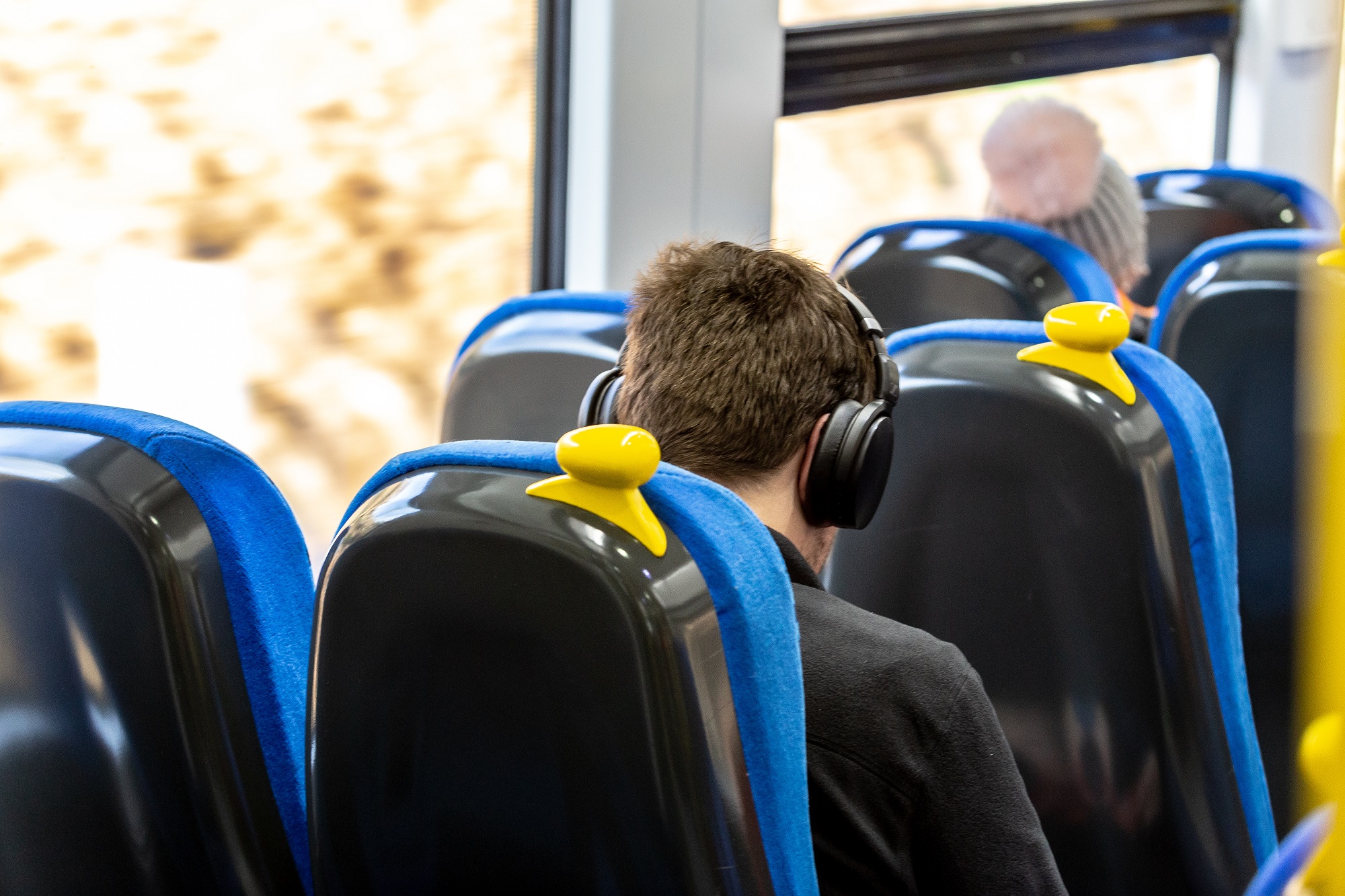
The Government has today announced plans to tackle antisocial behaviour on public transport.
In a bid to crackdown on loud music, littering, vaping, and other threatening behaviour on buses and trains, guidance was issued by the Government today for local authorities to prosecute and even issue fines of up to £100.
For many, playing audio out loud on public transport – also known as ‘loudcasting’ – has become one of modern life’s most irritating parts of the daily commute, but now, a new national campaign is aiming to encourage rail passengers, in particular, to ‘share the carriage, not the noise’ to improve the journey experience for all.
This will include reminders of the rules in place on the rail network and, if a passenger refuses to stop when asked by authorised rail staff, they can be removed from the train at the next station or face fines up to £1,000.
On buses, however, the powers for authorities were already made possible by the Bus Services Act 2025, meaning all local transport authorities in England are able to set and enforce their own rules.
Authorised officers – including transport safety officers and the police – will be responsible for enforcement, rather than bus drivers themselves, and they will be tasked with a three-step approach to deal with incidents. They will need to:
Engage with the person
Explain the rules and their impact on other passengers
Take enforcement action if they refuse to comply
“We’ve all been on the train when someone starts blasting music or videos from their phone,” commented Prime Minister Andy Burnham.
“It gets on your nerves and can quickly spoil the journey, so we’re launching a nationwide campaign reminding passengers to use headphones on trains. On top of that, we’re giving local leaders new powers to tackle loud music, vaping and littering on buses.
“It’s a simple thing, but one that will make journeys that little bit better for all of us.”
Ben Plowden, Chief Executive at the Campaign for Better Transport, added: “Antisocial behaviour is not just irritating, it can be a real deterrent to people using public transport – especially people with different accessibility requirements.
“If these new powers are properly and visibly enforced, they should help everyone feel safe and comfortable on public transport and enjoy the ride.”
Featured Image – Northern
News
Police provide update after stabbing of 14-year-old boy at Manchester Arndale carpark
Emily Sergeant
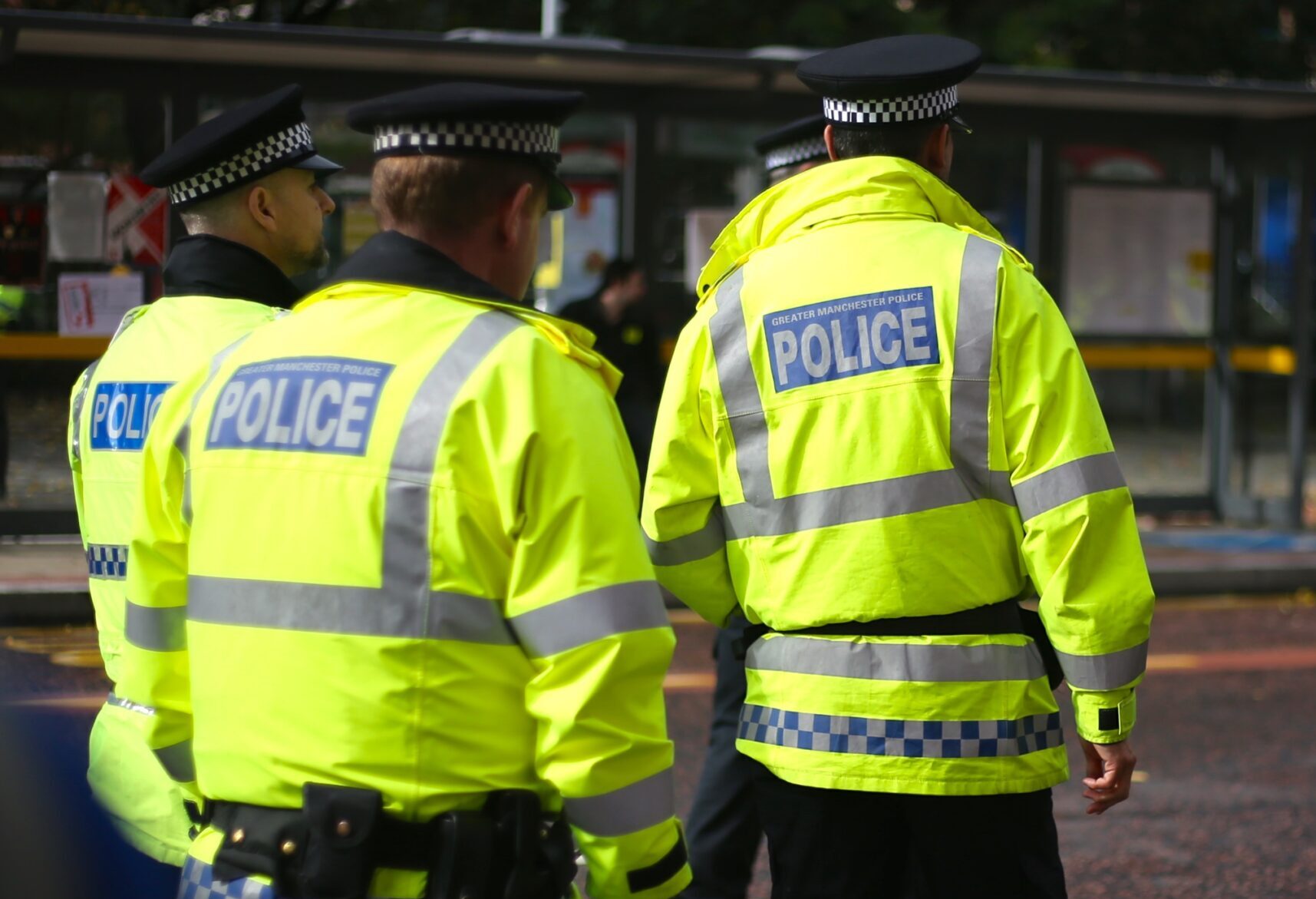
Police have provided an update following the stabbing of a young boy in Manchester city centre over the weekend.
At around 3:15pm this past Saturday afternoon (17 October 2026), officers from Greater Manchester Police (GMP) were called out to reports of a stabbing on the ninth floor of the Arndale carpark in Manchester city centre.
Emergency services attended the scene, and a 14-year-old boy was taken to hospital with injuries consistent with a stab wound.
Thankfully, the victim’s injuries are not believed to be life-threatening or life changing, but an investigation and enquiries are ongoing.
Detective Inspector Sam Jones, of GMP’s City of Manchester District CID, said this will ‘understandably’ cause concern, but has assured the public that police believe this to be an ‘isolated incident.
“Detectives at the scene are working extremely hard to process the scene with Crime Scene Investigators,” explained DI Jones in an update statement issued.
“The car park is expected to be closed for several hours, so we ask for your understanding and patience whilst we gather evidence to bring these offenders to justice.
“Detectives and Officers will be in the area today to speak with local businesses and members of the public to provide reassurance. This is believed to be an isolated incident with no risk to the wider public.
“Greater Manchester Police are committed to diligently investigating all knife crime and bringing offenders to justice, and we are asking for anyone with information about this incident to come forward to assist with our enquiries.”
Anyone with information is asked to contact police on 101, quoting log 2050 of 17/10/2026, or via the LiveChat function. Alternatively, contact Crimestoppers anonymously on 0800 555 111.

 Emily Sergeant -
15th June 2026
Emily Sergeant -
15th June 2026