More happy news over at Chester Zoo as a rare giant otter has just arrived at the best zoo in the UK and, surprise, surprise, he’s a cutey.
The rare species, originally from the Guyanas to Central-North Argentina and which once spread across other parts of South America, is currently at risk of going extinct altogether but the addition of this new male otter could help bring it back from the brink.
Arriving at the end of April, this fine young fellow has now joined his new female partner, Tibiri, as part of a crucial international conservation breeding programme.
Manchester, meet Manú, Chester Zoo‘s newest and most camera-ready animal.
Manú, the rare and giant male otter, makes his Chester Zoo debut.
Zookeepers have now released the first heartwarming images of the otters meeting for the very first time, where they can be seen swimming and playing together and, judging by how loud and vocal the pair have been, it looks like they’re already getting on like a house on fire.
ADVERTISEMENT
With no more than 5,000 giant otters remaining across the whole of South America, conservationists are hopeful the duo will go on to have pups in the near future.
The decline in numbers is a result of mass-scale deforestation, water pollution and illegal hunting in the region. The International Union for the Conservation of Nature (IUCN) listed the species as endangered back in 2020 and it’s now the job of places like Chester and other Zoos to stop them from going extinct.
ADVERTISEMENT
Three-year-old Manú – who travelled all the way from Budapest Zoo in Hungary – is said to have been genetically matched with Tibiri, 8, giving the species the best possible chance at a more secure future.
A handsome boy already cosying up to his new mate. (Credit: Chester Zoo)
The species, which can grow up to nearly two metres in length and 30kg in weight (the largest of all otter species, as the name would suggest) has sadly already been declared extinct in Uruguay and its ancestral home of Argentina. There are thought to be less than 5,000 left in the entire world.
But that’s where the likes of Manú and Tibir come in: they could help popular future generations of the giant otter and hopefully see them return to lakes, rivers and wetlands in numbers one day.
ADVERTISEMENT
Speaking on the arrival, Chester Zoo Carnivore Keeper, Anna Starkey, said: “Since arriving at the zoo only a few days ago, Manú has settled into his new surroundings very quickly… So far we’ve seen really positive signs between the two and they can be heard using a range of vocalisations while playfully swimming together, which shows us that they’ve instantly bonded.
“[They’re] apex predators in the South American ecosystems and play a crucial role in maintaining the balance of freshwater habitats. They do this by hunting prey populations, keeping the health and biodiversity of their environments in check. But sadly, the wild population feel enormous pressures from pollution and mass deforestation which continue to threaten their survival altogether.”
They’re nicknamed ‘river wolves’ for their razor-sharp teeth, muscular bodies and skilled hunting. (Credit: Supplied)
Each giant otter typically has unique markings of white or cream fur on their throat and under their chin, which allows every individual to be identified by experts.
Unusually though, Manú does not have any markings and his throat is chestnut brown, which makes him easily identifiable from his new lady friend.
Starkey added: “It will now be the role of conservation zoos like ours to play a pivotal role in turning the tide and safeguarding their future on the planet.”
Opening date finally confirmed for new Uniqlo store at the Trafford Centre
Emily Sergeant
Uniqlo is preparing to open its second store in Greater Manchester, and the official launch date has finally been confirmed.
The popular Japanese high street fashion retailer currently operates 24 stores in the UK, with its first British store having opened its doors all the way back in 2001, and its first European flagship store opening on Oxford Street in London in 2007 – but it was revealed earlier this year in April that Manchester was set to get a second helping.
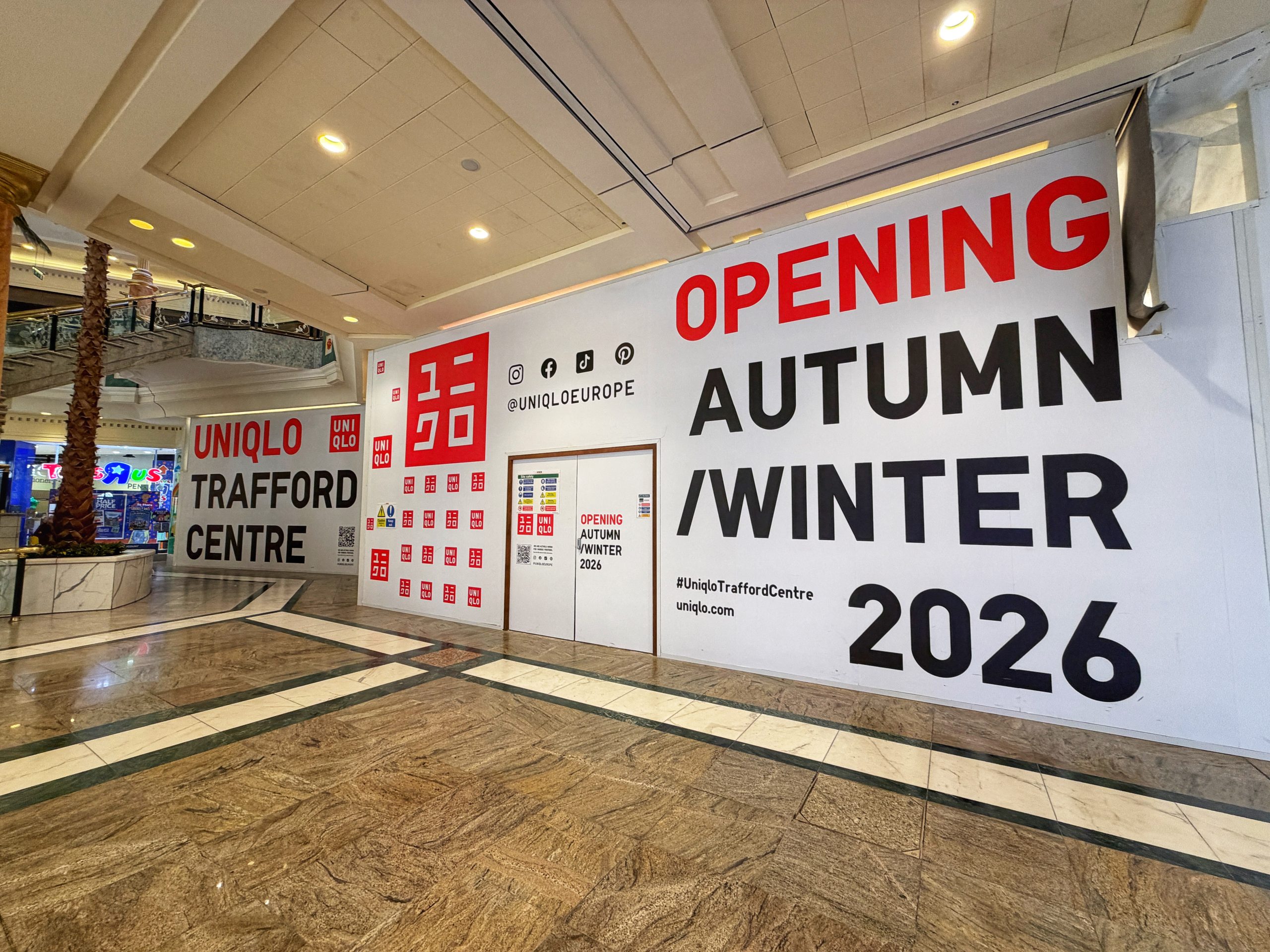
Uniqlo announced that it would be opening its second Greater Manchester inside the Trafford Centre this autumn, following the huge success of its city centre store opening on Market Street in 2019.
The Trafford Centre store is set to make Manchester the first location outside of London to have two Uniqlo stores.
When news broke that the hoardings had officially gone up inside the shopping centre, elated shoppers raced to the comments to say things like: “No way! I’ve been waiting years for this.”
Uniqlo is preparing to open second its Manchester store inside the Trafford Centre next month / Credit: | The Manc Group
“Uniqlo in Trafford Centre would be a dream come true,” another person said on Instagram, while a third added: “I will never have to step foot on Market Street again,” and plenty others chimed in with comments like ‘finally’ and ‘can’t wait’.
And now, we officially have an opening date to share with you.
Uniqlo will open in the Trafford Centre for the first time on Thursday 15 October, with plenty of events happening across its extended opening weekend.
Traditional Japanese Taiko drumming performances will be happening throughout the day on Thursday 15 and Saturday 17 October, while the first 300 customers to spend over £69.90 in store on the Thursday (15 October) will get a special Uniqlo Manchester goody bag.
Uniqlo’s arrival at the Trafford Centre follows the opening of several other high-profile stores in recent months, like Urban Outfitters, White Company, Stradivarius, and many more.
Featured Image – The Manc Group
News
‘Do not let Britain’s independent businesses disappear on your watch’ – Manchester bakery makes heartbreaking plea to Andy Burnham
Clementine Hall
A beloved Manchester bakery has issued an open letter to Andy Burnham ahead of the Budget begging him for help.
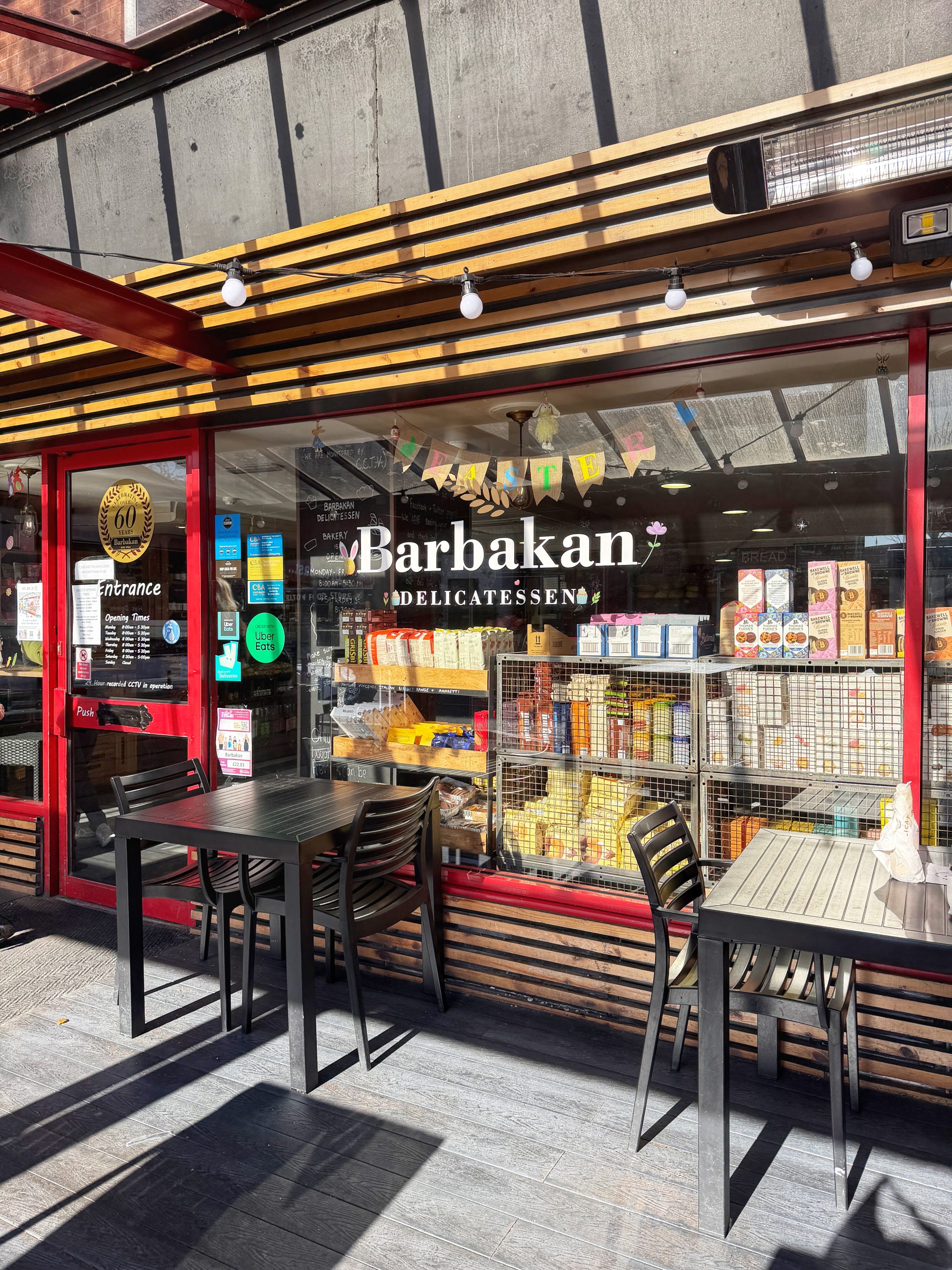
Barbakan Deli in Chorlton is basically an institution at this point.
The legendary bakery and delicatessen has been serving the community for 62 years, famed for its freshly-baked loaves of bread, its handmade sandwiches, and its pastries and cakes inspired by bakes from across Europe.
Posting on Instagram last night on Thursday 18 September, Frankie Dyer the director of Barbakan, issued an open letter addressed to Prime Minister Andy Burnham.
Images: The Manc Group
It read: “Dear Mr Burnham, As an independent business owner in the hospitality sector, I am begging you to please read this.
“Really read it. And seriously consider what businesses like mine are telling you before the upcoming Budget.”
It continued: “In just the last two years, we have self-funded new bakery machinery, new catering kitchens, essential repairs and renovations and opened a second retail site, creating another six local jobs. We have won more than ten national awards for the quality of what we do.
“We have invested. We have grown. We have employed more people. We have worked harder than ever. In short, Prime Minister, we are doing everything you keep asking British businesses to do.
“And our bank balance is finished. That is the reality.”
The letter finished by Dyer inviting Andy Burnham to come visit the bakery and pleading for a ‘fighting chance’ to save the business: “We need action. We need meaningful reductions in the tax burden placed on employers.
“We need Employer National Insurance looked at urgently. We need a business-rates system which allows independent high-street businesses to survive. We need VAT reform for hospitality. We need Corporation Tax to reward businesses which reinvest, employ and grow.
“And we need proper grants and incentives that help established independent businesses invest and expand — not schemes with endless criteria which most ordinary businesses can never access. We need you to do something.
“And we need more than one token gesture in the Budget. A band-aid for a bullet wound. So I am asking you, Prime Minister, to come back to Manchester and see it for yourself. Pop an apron on and stand behind our counter.
Images: The Manc Group
“Come into our bakery in the middle of the night and meet the people making Manchester’s bread while most of the city is asleep. Look at our payroll, our energy bills, our rates, our supplier increases.
“Look at what leaves our bank account every single week simply for the privilege of keeping 50 people employed and our doors open. You said you wanted a government that understood the regions. You now have an opportunity to prove it.
“Independent businesses across this country are not asking for a handout. We are asking for a fighting chance. I sincerely hope your next Budget gives us one”.

 Danny Jones -
1st May 2024
Danny Jones -
1st May 2024