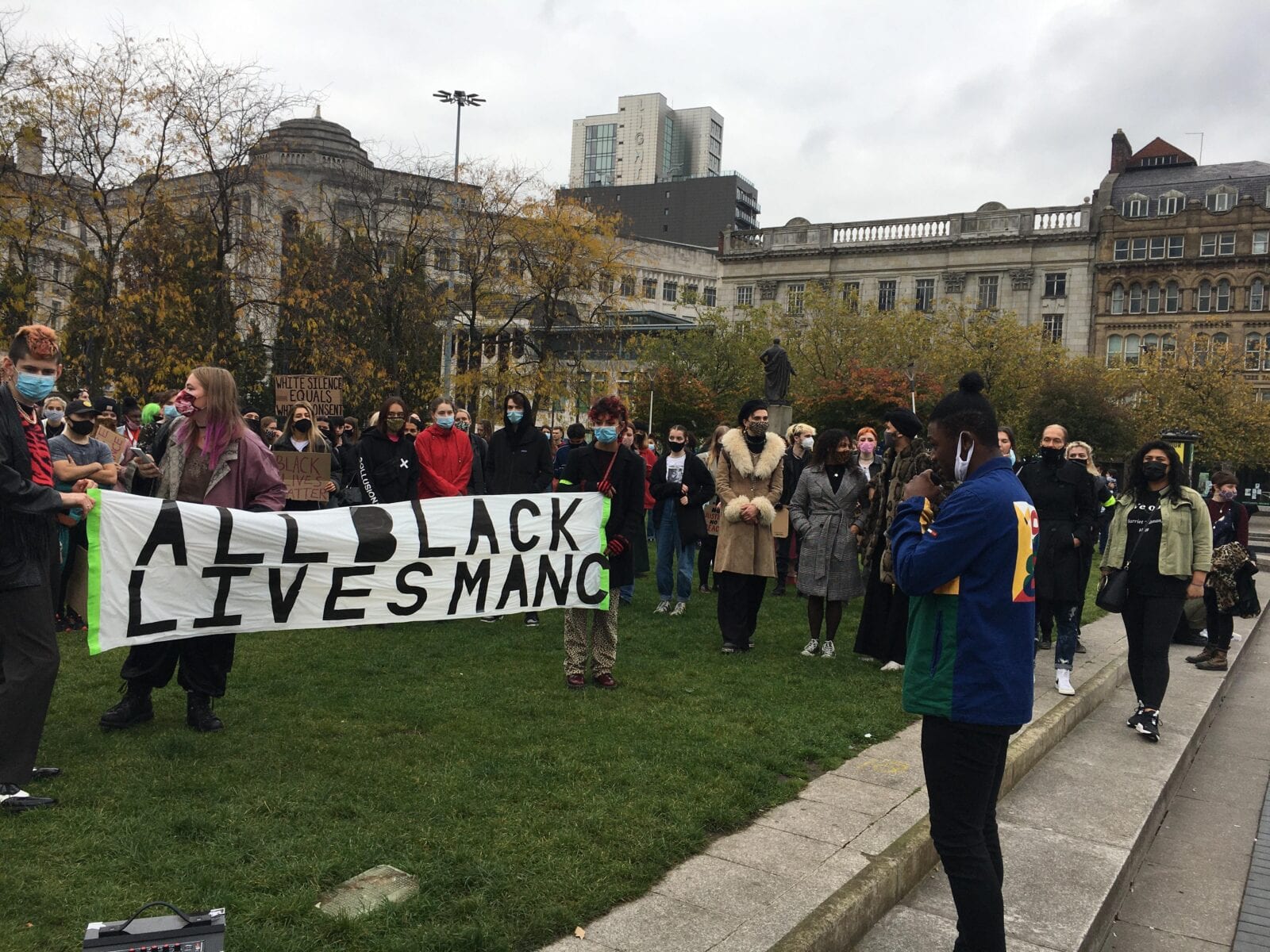
March organiser Tyrek Morris, right, gave a speech to a socially distanced crowd at Piccadilly Gardens.
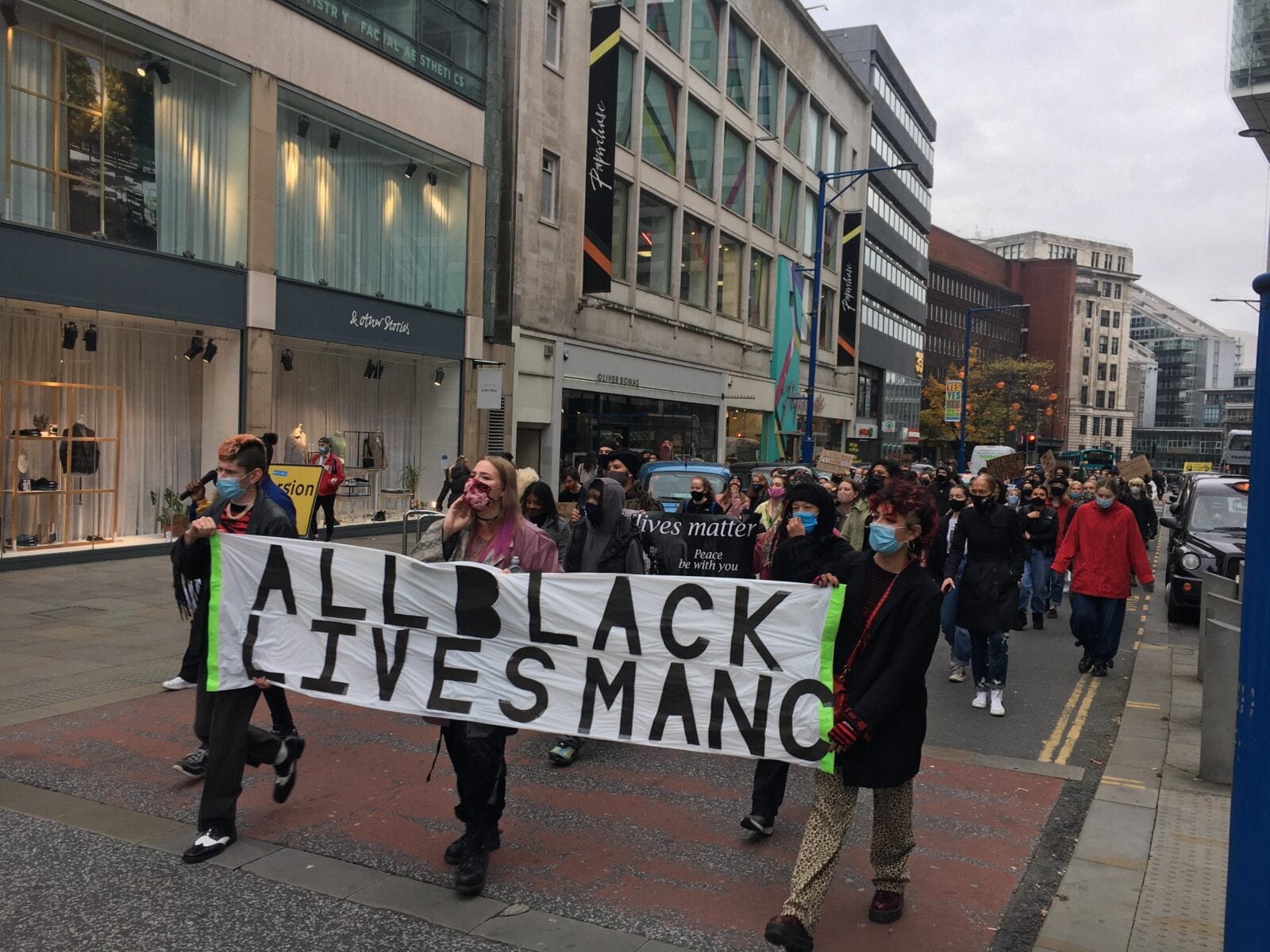
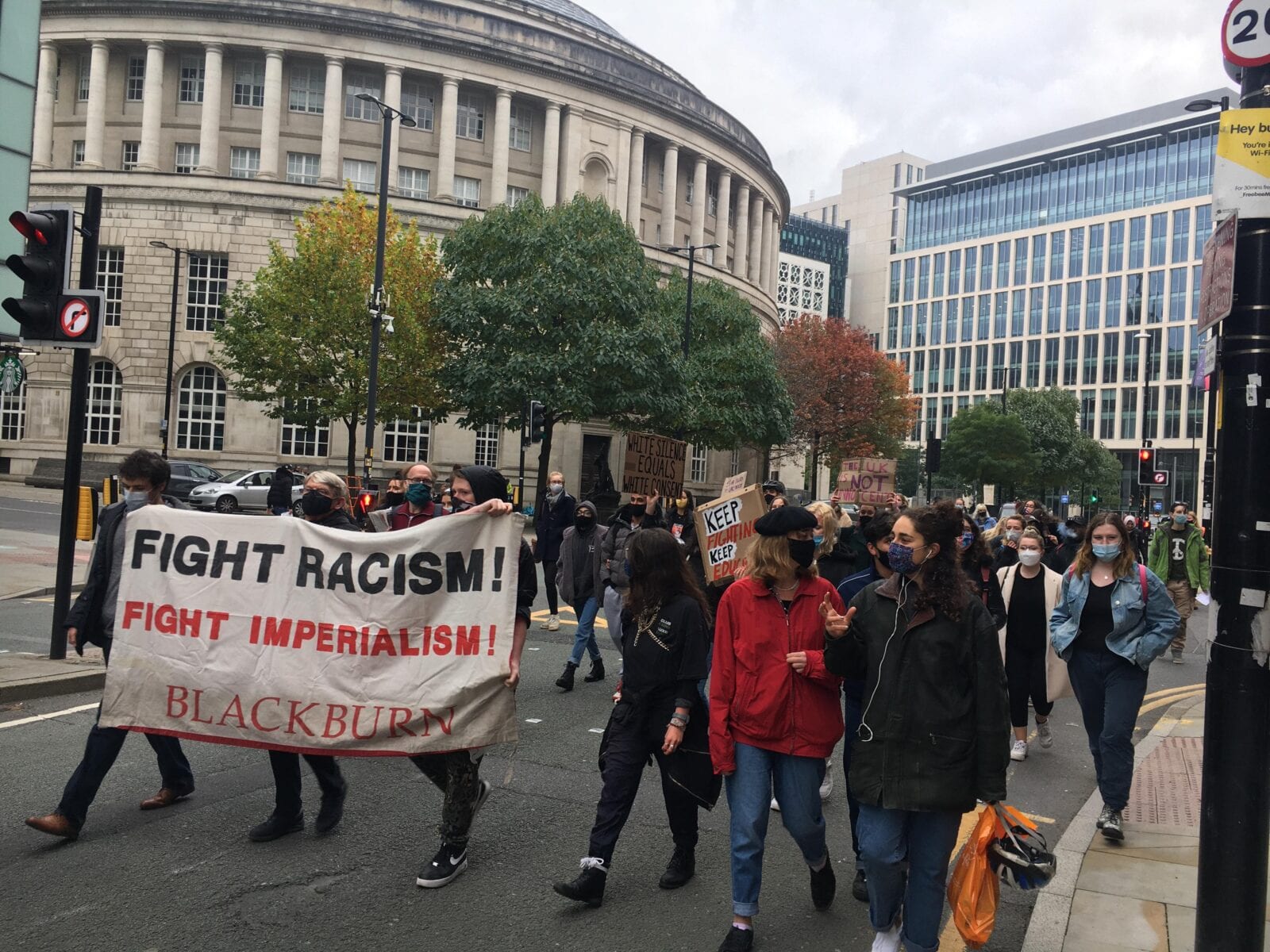
Chants of “no justice, no peace, take to the streets and f*** the police” could be heard yesterday as protestors marched through Manchester in support of the Black Lives Matter movement.
Around 100 protestors walked from St Peter’s Square to Piccadilly Gardens via Deansgate and the Arndale at 2.30pm yesterday, causing temporary traffic jams in the city centre.
The march took place while talks are being held between Boris Johnson and Andy Burnham, under speculation over Greater Manchester being forced into a Tier 3 lockdown.
Becca Withers, front and centre, was one of more than 100 people who participated in the march from St Peter’s Square to Piccadilly Gardens via Deansgate.
“Our demands do not wait for a pandemic,” said Becca Withers, one of the organisers of the march.
21-year-old Tyrek Morris, a journalism student at Manchester Metropolitan University, is one of the founding members of All Black Lives UK, a youth led organisation protesting and working towards change across the globe.
ADVERTISEMENT
Speaking to The Manc before leading yesterday’s march, he said: “So far, we’ve had all these protests, and nothing is really changing.
“Positive change is coming, but there’s a long way to go.”
ADVERTISEMENT
Formed in June 2020, All Black Lives UK are campaigning on five main demands, including to commit to ending discrimination, specifically in relation to stop and search figures.
In the year ending March 2019, black people in Manchester were nearly three times more likely to be arrested than their white counterparts, relative to population size.
And during the same time period, black people were eight times more likely to be stopped and searched within Greater Manchester, according to government statistics.
ADVERTISEMENT
Protestors also want a commitment from local and national government to end racial health disparities, and from schools and universities to work towards ending racially targeted bullying and teach about British history in relation to the empire.
Leaflets which were handed out to passers by said that in 2018/19, black people in Manchester were 3.5 times more likely to face force tactics by Greater Manchester Police.
Signs held by protestors included messages like “Decolonise the curriculum”, “Destroy systemic racism” and “Pull down the racist statues.”
On arrival in Piccadilly gardens, protestors gathered in the centre while different speakers took it in turn to say their bit in support of the cause.
Mr Morris added: “We can’t wait for our lives to matter. Racism is a pandemic in itself and the fact we are still willing to march during these times shows much people care about the movement.”
News
How will the Government’s new digital ID alternative for alcohol sales work?
Emily Sergeant
All licensed venues across England and Wales now have the choice to introduce digital proof of age for alcohol sales alongside physical.
Instead of having to hand over physical ID that contains personal information, such as names and home addresses, customers now have the choice to simply provide confirmation that they are 18 or over on their phone – helping to better protect privacy and personal safety in the process.
This means that, no matter whether you’re buying a drink at your favourite pub, heading to a festival, or enjoying a night out at a concert, you won’t need to worry if you’ve left your ID at home.
According to the Government, this new change will benefit businesses greatly too, as certified digital services are able to check that an ID is genuine and belongs to the person presenting it much easier than the alternative can, which therefore helps to reduce the risk of any fake or borrowed IDs going undetected.
Well, according to the Government, it could be as simple as a customer showing a QR code for staff to scan, or tapping their phone against a compatible reader, where staff will then receive a clear confirmation on their device that the customer has passed the age check.
This change follows a 2024 Government consultation where it was reported that 72% of respondents supported the use of digital identities for age verification when buying alcohol.
Digital Government Minister Stephanie Peacock reiterated that ‘it will remain an individual or business’ choice whether to use or adopt [digital ID]’ and that physical ID will ‘still remain a valid way’ for customers to prove their age.
“This groundbreaking change in the law will mean you do not need to carry a physical ID, nor hand over sensitive personal information such as your name or address just to prove your age, allowing everyone to feel safer on a night out,” she concluded.
Featured Image – Robin Worrall (via Unsplash)
News
Manchester to host G20 Summit in 2027 with more than a dozen world leaders descending on the city
Emily Sergeant
Manchester has been confirmed as the host city for the G20 Summit next year.
It was already announced back in November last year that the G20 Summit would be coming to the UK in 2027, and plans were apparently already being discussed to host it in Manchester even before Andy Burnham became Prime Minister and Number 10 North was set up.
But now, ahead of this year’s leaders’ summit being held in Miami in December, it has been confirmed that the G20 Summit will arrive in Manchester in November 2027.
Manchester is said to have been picked to host the leaders’ summit because of its ‘cultural heritage’.
Bringing together 19 of the world’s largest economies and two major multilateral bodies – the European Union and the African union – G20 members who will be invited to attend the summit next year make up 85% of global GDP, 75% of international trade, and two-thirds of the world’s population as a whole.
Manchester has been confirmed to host the G20 Summit in 2027 / Credit: 10 Downing Street | Paul Kagame (Flickr)
G20 members are also some of the UK’s closest economic partners, the Government insists.
17 of the UK’s top 20 global export markets attend the summit, as do 18 of the UK’s top 20 sources of foreign direct investment.
The presidency of the G20 is currently held by the US but will pass to the UK after the leaders’ summit hosted by the president at his Trump National Doral Miami golf resort in December.
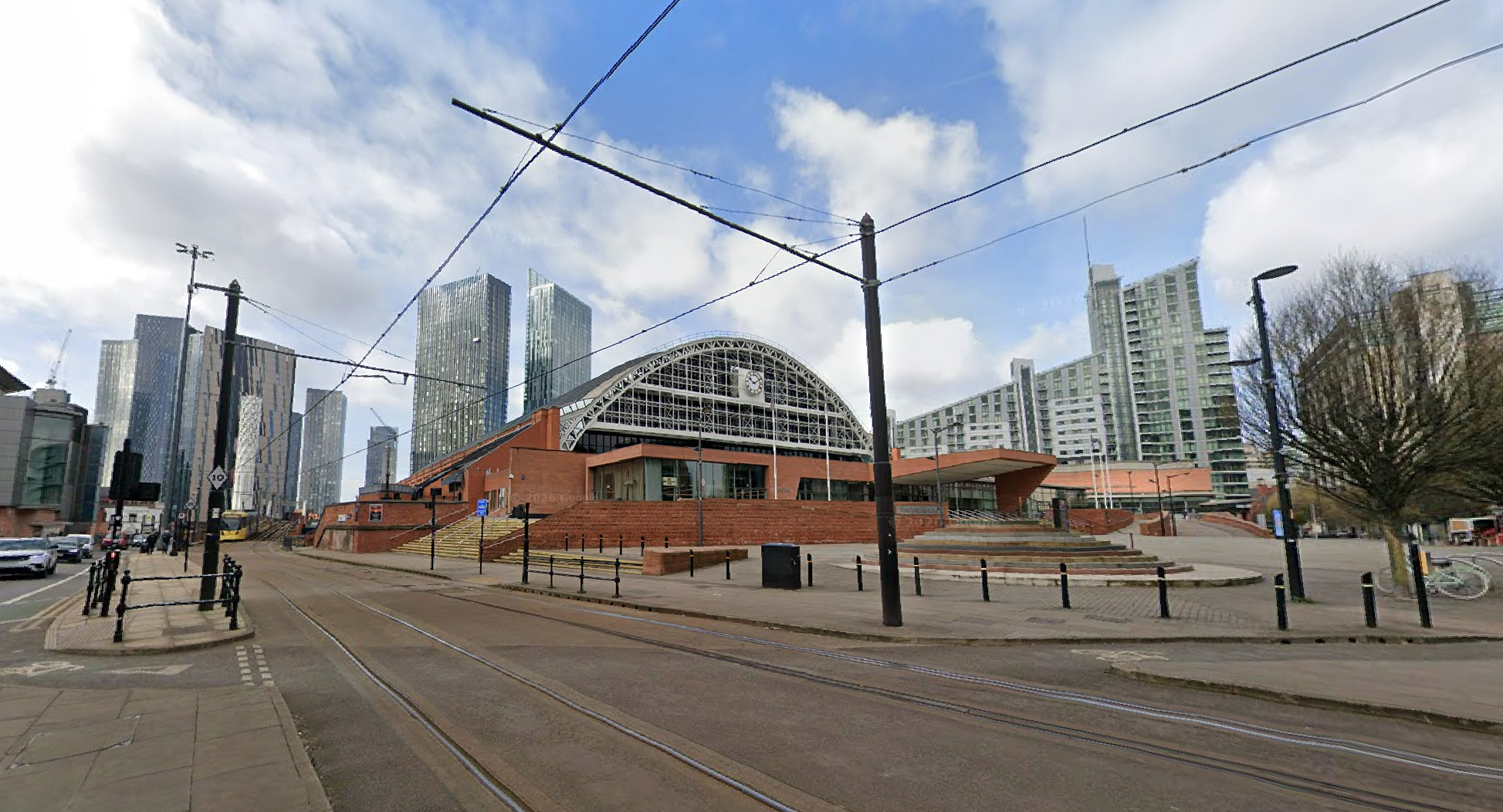
The 2027 summit will be held at Manchester Central, it has been confirmed, and other locations across the UK will also host other G20 events as part of the year-long presidency, but these are yet to be announced.

 Sam Ormiston -
19th October 2020
Sam Ormiston -
19th October 2020