Parkinson’s Disease could be diagnosed with skin swab tests, Manchester scientists discover
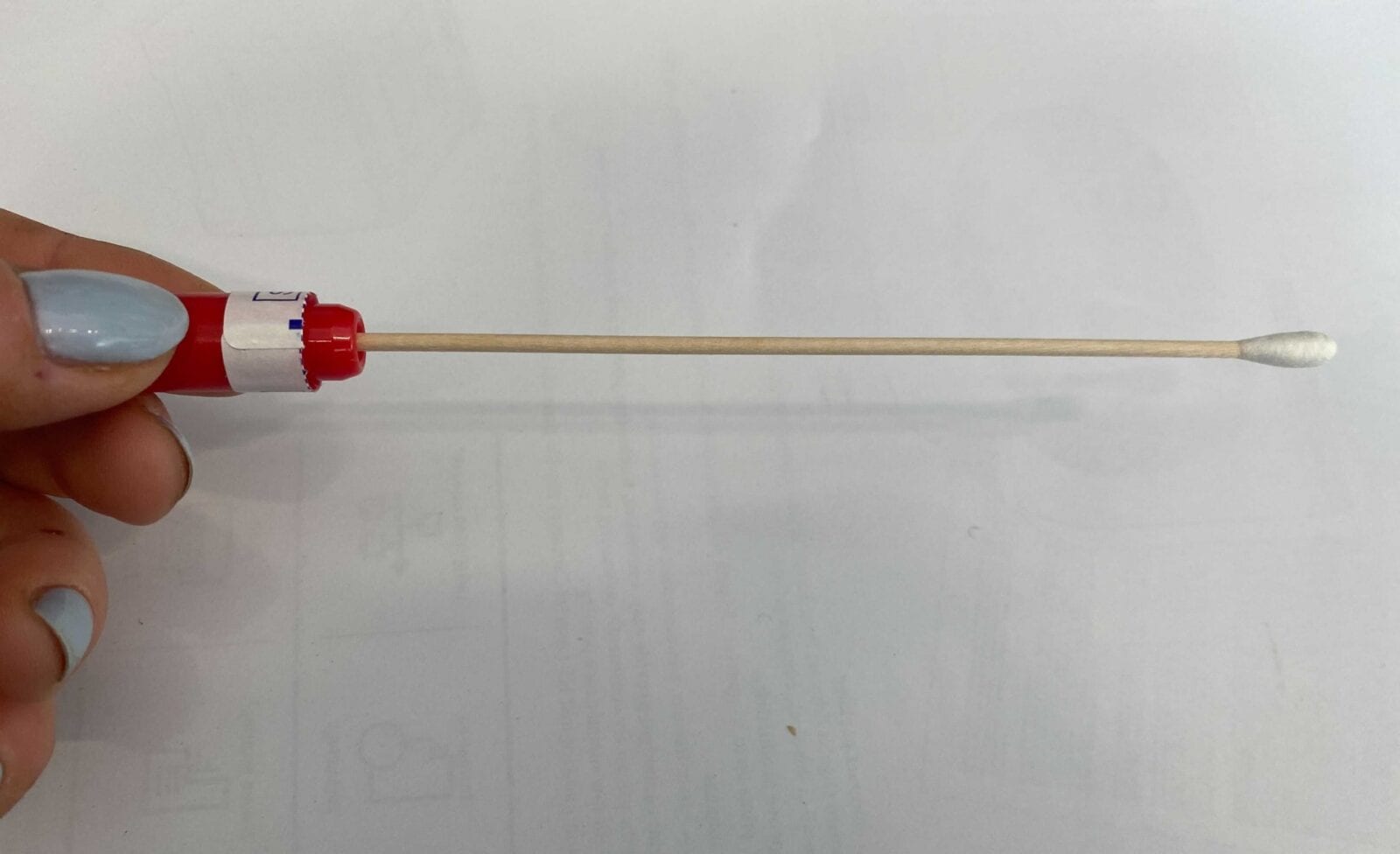
Scientists at the University of Manchester have made a “game-changing” breakthrough by discovering that Parkinson’s Disease could be diagnosed using a simple skin swab test.
Scientists at the University of Manchester have made a “game-changing” breakthrough by discovering that Parkinson’s Disease could be diagnosed using a simple skin swab test.
Results published this week showed that Parkinson’s sufferers may produce higher amounts of a substance called sebum – which coats and protects the skin.
A swab test can detect these compounds; and may help researchers determine whether new treatments are able to slow, stop or reverse the progression of the disease.
The study was funded following the case of Joy Milne – a woman who stunned scientists by revealing she could detect Parkinson’s disease through smell.
Joy told researchers that she could smell a “musky” odour on her husband Les – who was diagnosed with Parkinson’s years later.
Professor Perdita Barran, Professor of Mass Spectrometry at UoM, said the results were “an extremely encouraging step” towards tests that could be used to help diagnose and monitor Parkinson’s.
ADVERTISEMENT
“Not only is the test quick, simple and painless but it should also be extremely cost-effective because it uses existing technology that is already widely available,” said the professor.
“We are now looking to take our findings forwards to refine the test to improve accuracy even further and to take steps towards making this a test that can be used in the NHS and to develop more precise diagnostics and better treatment for this debilitating condition.”
Parkinson’s can be difficult to diagnose / Image: Pixabay
Parkinson’s UK analysis suggests that 1 in 37 people will be diagnosed with Parkinson’s in their lifetime.
ADVERTISEMENT
The onset of the disease – which sees the sufferer develop a range of physical symptoms such as tremors and stiff, slow movements – is often gradual; worsening over a period of months and years.
The condition can be difficult to diagnose, too.
In a recent survey of more than 2,000 people with Parkinson’s, more than a quarter revealed they were initially misdiagnosed with a different condition.
It took four years for Daxa Kalayci, 56, to be given an accurate diagnosis of Parkinson’s.
“Despite my diagnosis eventually being confirmed by a DaTscan, a quick and simple diagnostic test for Parkinson’s would have given me the chance to start my treatment earlier and enjoy life a lot more,” said Daxa.
ADVERTISEMENT
“But instead, I lost so many years not being able to pursue a career as a paramedic or go back to nursing.
“This test could be a game-changer for people living with Parkinson’s and searching for answers like I was.”
Professor David Dexter, Associate Director of Research at Parkinson’s UK said that two more people in the UK are diagnosed with Parkinson’s every hour – and the COVID-19 pandemic has increased complications with regards to delays and misdiagnoses.
However, he called the new results “significant” in the bid to revolutionise Parkinson’s treatment.
The Professor added: “With this innovative test, we could see people being diagnosed quickly and accurately enabling them to access vital treatment and support to manage their Parkinson’s symptoms sooner.”
News
UK Government announces £100 fines for ‘antisocial behaviour’ on public transport
Emily Sergeant
The Government has today announced plans to tackle antisocial behaviour on public transport.
In a bid to crackdown on loud music, littering, vaping, and other threatening behaviour on buses and trains, guidance was issued by the Government today for local authorities to prosecute and even issue fines of up to £100.
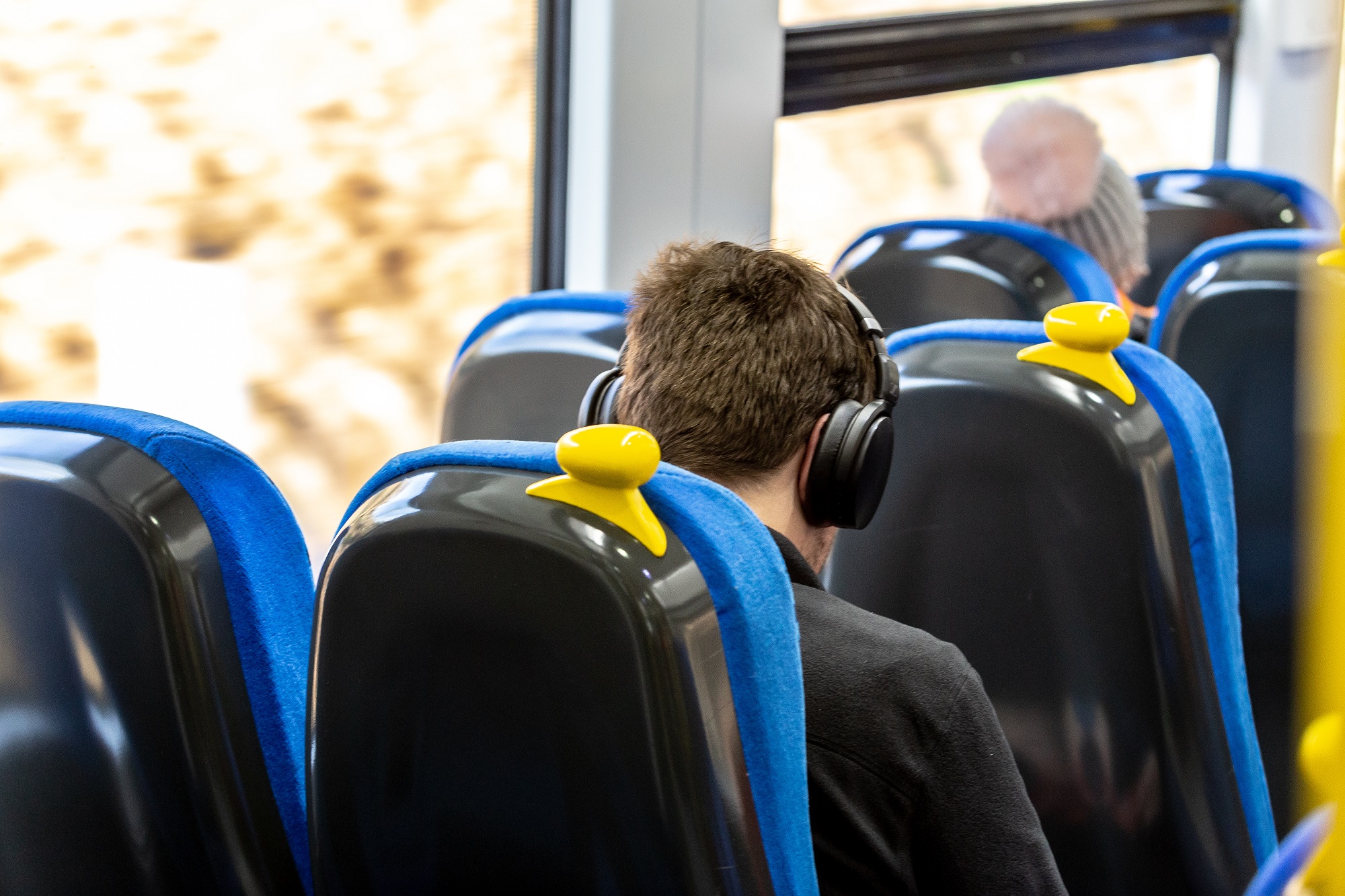
For many, playing audio out loud on public transport – also known as ‘loudcasting’ – has become one of modern life’s most irritating parts of the daily commute, but now, a new national campaign is aiming to encourage rail passengers, in particular, to ‘share the carriage, not the noise’ to improve the journey experience for all.
This will include reminders of the rules in place on the rail network and, if a passenger refuses to stop when asked by authorised rail staff, they can be removed from the train at the next station or face fines up to £1,000.
On buses, however, the powers for authorities were already made possible by the Bus Services Act 2025, meaning all local transport authorities in England are able to set and enforce their own rules.
Authorised officers – including transport safety officers and the police – will be responsible for enforcement, rather than bus drivers themselves, and they will be tasked with a three-step approach to deal with incidents. They will need to:
Engage with the person
Explain the rules and their impact on other passengers
Take enforcement action if they refuse to comply
“We’ve all been on the train when someone starts blasting music or videos from their phone,” commented Prime Minister Andy Burnham.
“It gets on your nerves and can quickly spoil the journey, so we’re launching a nationwide campaign reminding passengers to use headphones on trains. On top of that, we’re giving local leaders new powers to tackle loud music, vaping and littering on buses.
“It’s a simple thing, but one that will make journeys that little bit better for all of us.”
Ben Plowden, Chief Executive at the Campaign for Better Transport, added: “Antisocial behaviour is not just irritating, it can be a real deterrent to people using public transport – especially people with different accessibility requirements.
“If these new powers are properly and visibly enforced, they should help everyone feel safe and comfortable on public transport and enjoy the ride.”
Featured Image – Northern
News
Police provide update after stabbing of 14-year-old boy at Manchester Arndale carpark
Emily Sergeant
Police have provided an update following the stabbing of a young boy in Manchester city centre over the weekend.
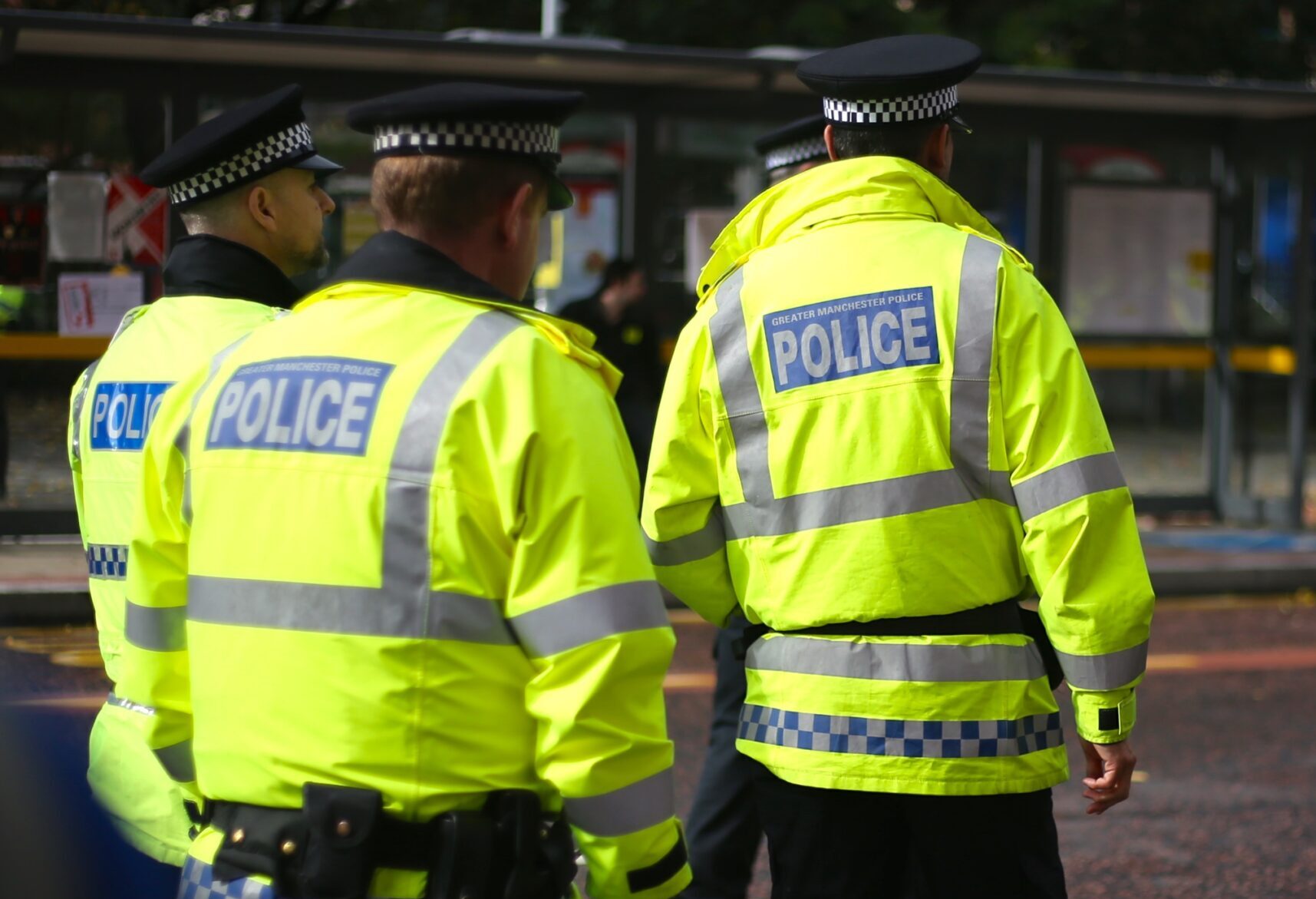
At around 3:15pm this past Saturday afternoon (17 October 2026), officers from Greater Manchester Police (GMP) were called out to reports of a stabbing on the ninth floor of the Arndale carpark in Manchester city centre.
Emergency services attended the scene, and a 14-year-old boy was taken to hospital with injuries consistent with a stab wound.
Thankfully, the victim’s injuries are not believed to be life-threatening or life changing, but an investigation and enquiries are ongoing.
Detective Inspector Sam Jones, of GMP’s City of Manchester District CID, said this will ‘understandably’ cause concern, but has assured the public that police believe this to be an ‘isolated incident.
“Detectives at the scene are working extremely hard to process the scene with Crime Scene Investigators,” explained DI Jones in an update statement issued.
“The car park is expected to be closed for several hours, so we ask for your understanding and patience whilst we gather evidence to bring these offenders to justice.
“Detectives and Officers will be in the area today to speak with local businesses and members of the public to provide reassurance. This is believed to be an isolated incident with no risk to the wider public.
“Greater Manchester Police are committed to diligently investigating all knife crime and bringing offenders to justice, and we are asking for anyone with information about this incident to come forward to assist with our enquiries.”
Anyone with information is asked to contact police on 101, quoting log 2050 of 17/10/2026, or via the LiveChat function. Alternatively, contact Crimestoppers anonymously on 0800 555 111.

 The Manc -
11th March 2021
The Manc -
11th March 2021