Parkinson’s Disease could be diagnosed with skin swab tests, Manchester scientists discover
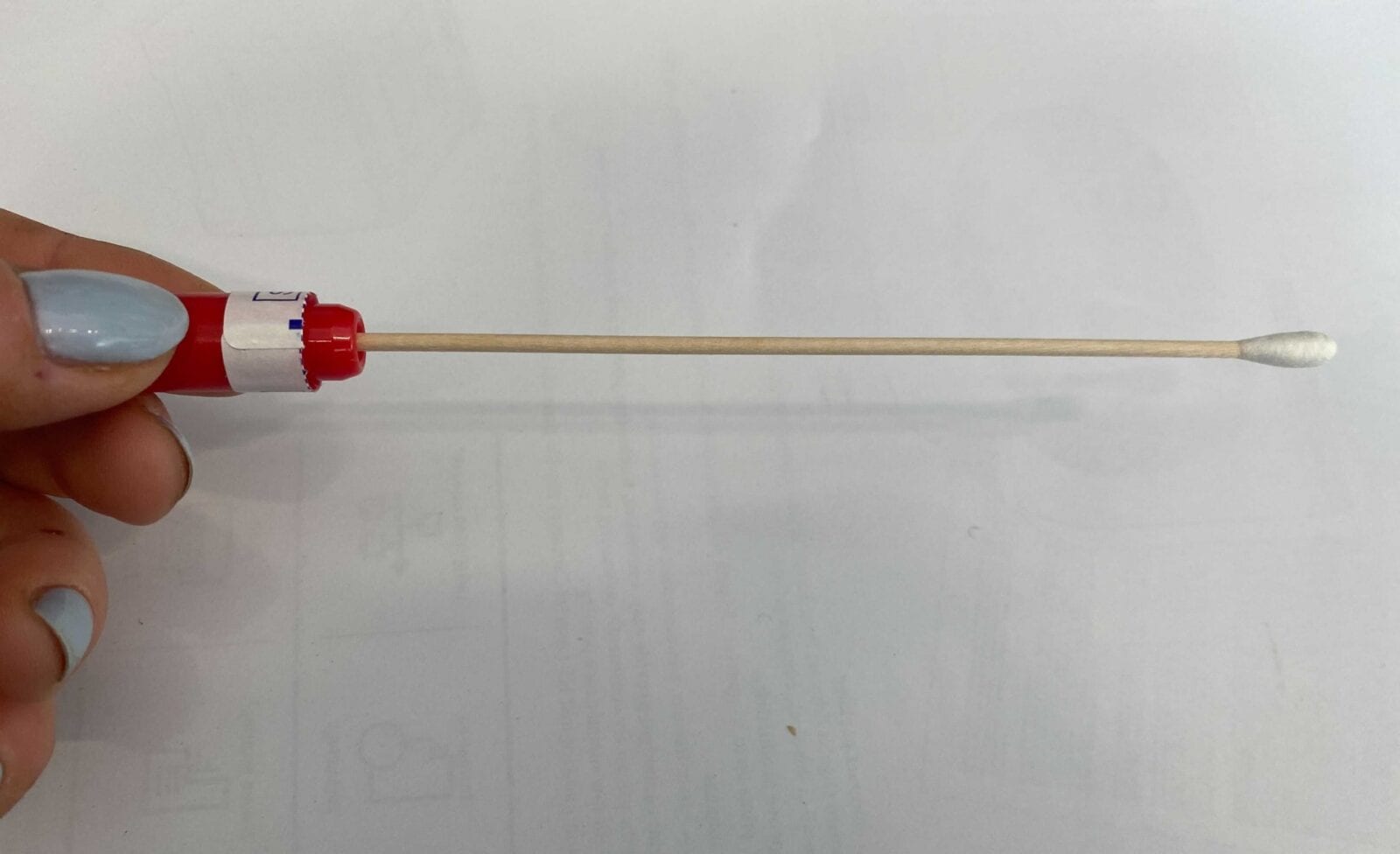
Scientists at the University of Manchester have made a “game-changing” breakthrough by discovering that Parkinson’s Disease could be diagnosed using a simple skin swab test.
Scientists at the University of Manchester have made a “game-changing” breakthrough by discovering that Parkinson’s Disease could be diagnosed using a simple skin swab test.
Results published this week showed that Parkinson’s sufferers may produce higher amounts of a substance called sebum – which coats and protects the skin.
A swab test can detect these compounds; and may help researchers determine whether new treatments are able to slow, stop or reverse the progression of the disease.
The study was funded following the case of Joy Milne – a woman who stunned scientists by revealing she could detect Parkinson’s disease through smell.
Joy told researchers that she could smell a “musky” odour on her husband Les – who was diagnosed with Parkinson’s years later.
Professor Perdita Barran, Professor of Mass Spectrometry at UoM, said the results were “an extremely encouraging step” towards tests that could be used to help diagnose and monitor Parkinson’s.
ADVERTISEMENT
“Not only is the test quick, simple and painless but it should also be extremely cost-effective because it uses existing technology that is already widely available,” said the professor.
“We are now looking to take our findings forwards to refine the test to improve accuracy even further and to take steps towards making this a test that can be used in the NHS and to develop more precise diagnostics and better treatment for this debilitating condition.”
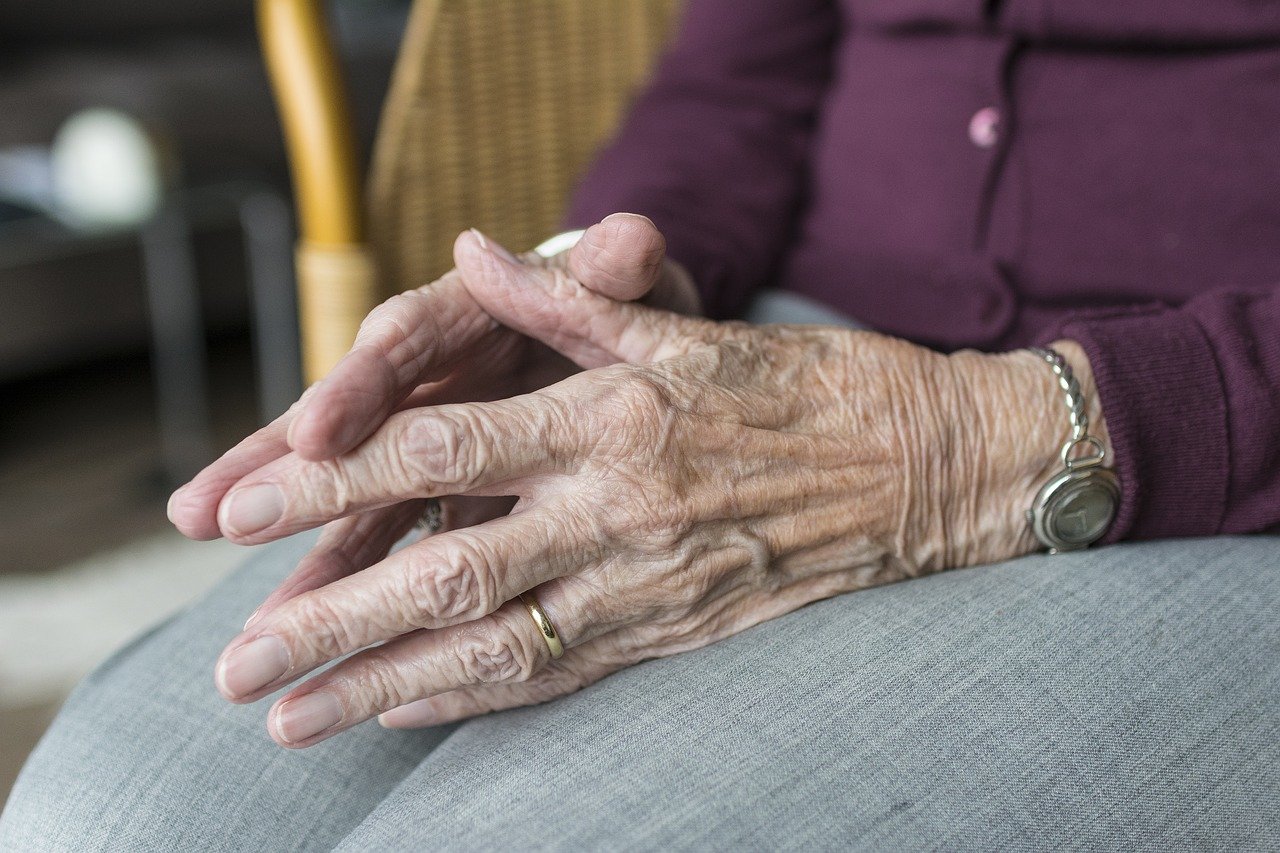
Parkinson’s can be difficult to diagnose / Image: Pixabay
Parkinson’s UK analysis suggests that 1 in 37 people will be diagnosed with Parkinson’s in their lifetime.
ADVERTISEMENT
The onset of the disease – which sees the sufferer develop a range of physical symptoms such as tremors and stiff, slow movements – is often gradual; worsening over a period of months and years.
The condition can be difficult to diagnose, too.
In a recent survey of more than 2,000 people with Parkinson’s, more than a quarter revealed they were initially misdiagnosed with a different condition.
It took four years for Daxa Kalayci, 56, to be given an accurate diagnosis of Parkinson’s.
“Despite my diagnosis eventually being confirmed by a DaTscan, a quick and simple diagnostic test for Parkinson’s would have given me the chance to start my treatment earlier and enjoy life a lot more,” said Daxa.
ADVERTISEMENT
“But instead, I lost so many years not being able to pursue a career as a paramedic or go back to nursing.
“This test could be a game-changer for people living with Parkinson’s and searching for answers like I was.”
Professor David Dexter, Associate Director of Research at Parkinson’s UK said that two more people in the UK are diagnosed with Parkinson’s every hour – and the COVID-19 pandemic has increased complications with regards to delays and misdiagnoses.
However, he called the new results “significant” in the bid to revolutionise Parkinson’s treatment.
The Professor added: “With this innovative test, we could see people being diagnosed quickly and accurately enabling them to access vital treatment and support to manage their Parkinson’s symptoms sooner.”
News
When does the UK’s fourth heatwave of the year hit Greater Manchester?
Danny Jones
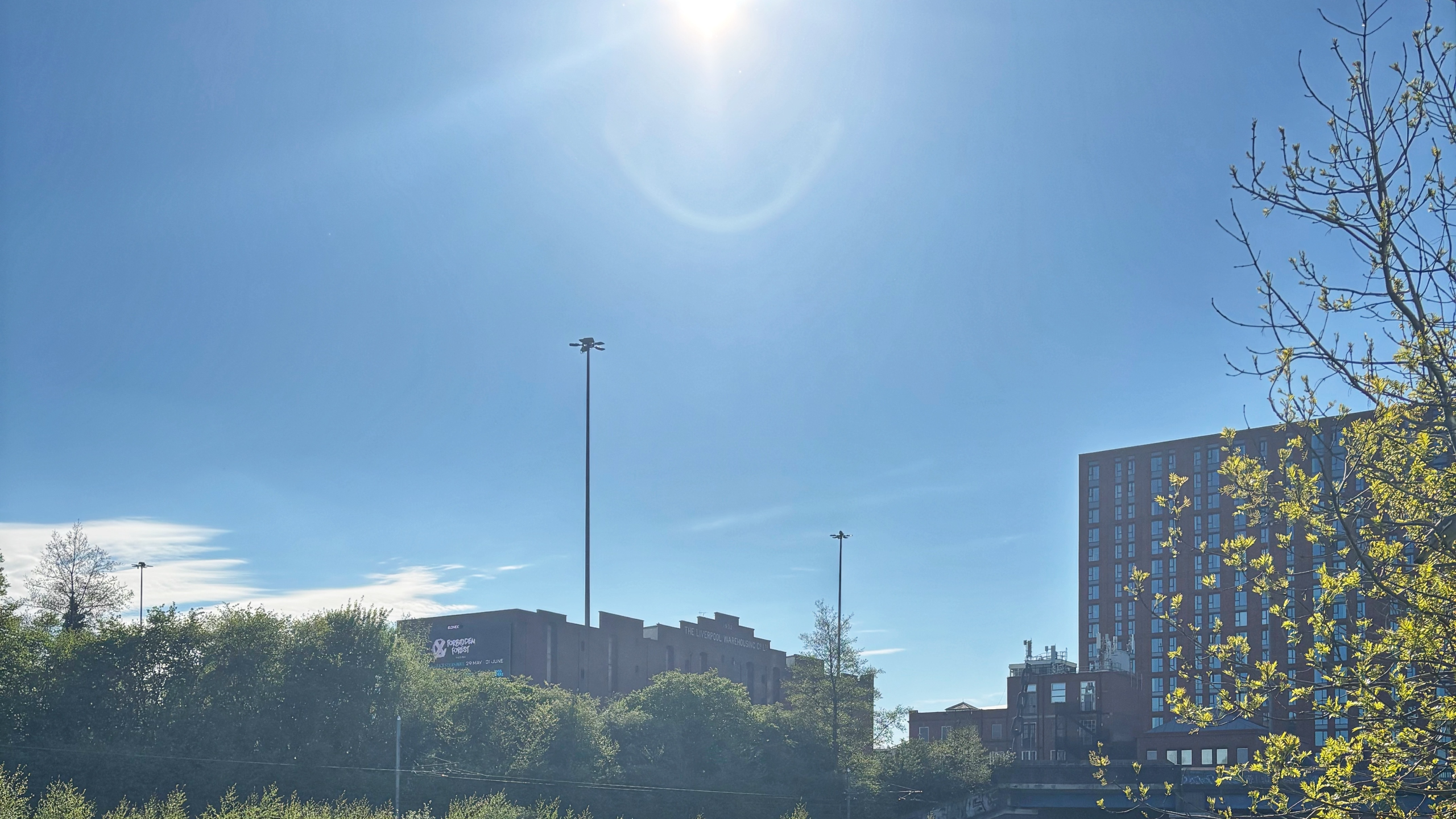
Brace yourselves: ANOTHER heatwave is set to hit the UK – the fourth in 2026 so far – and, understandably, Greater Manchester residents are already preparing for the latest blast of hot weather and wondering when it gets here.
Yes, in case you missed the news, more high temperatures are set to spread across Great Britain and Ireland this month and heading into August.
The increase will gradually build throughout this week, with Wednesday tipped to be the hottest day according to various meteorological sources.
Fortunately for us here in the North West, parts of the Midlands and the usual suspects down south are set to hit the highest numbers, but the thermometers are still on course to reach around the mid-20s over the coming days.
Temperatures are set to rise this week across some areas, bringing a return to hotter conditions 🥵
The heat looks to be fairly short-lived, however, with temperatures expected to fall again towards the end of the week 🌡️ pic.twitter.com/IKsunEdwhU
Estimates of 26°C have been predicted for this coming Tuesday, with the levels floating in and around 24/25 on the following Wednesday.
The heat is then due to drop off slowly, with top scores of no higher than 21°C on the cards for Thursday and Friday. Although the weekend forecast is less certain at present, one thing that has been announced is reduced rainfall.
Aside from a few more trickles today (Mon, 27 July), the showers or lack thereof cease rather soon, with some of the driest parts of the country already having various effects; for instance, parched parts of Wales have even revealed lost archaeological sites last Friday (24/7/2026).
It would be remiss if we didn’t mention the obvious moorland fires across our region, which were sadly exacerbated by hot weather earlier this month.
Following on from the hottest June on record, the Dovestone and Tinwhistle areas of Oldham and parts of Derbyshire saw hundreds of hectares turn into a deeply dangerous blaze for several days.
As per the latest statistics, it’s said that the equivalent of 1,250 football pitches were scorched following the alarming wildfire, which also raised concerns for wildlife and surrounding air quality.
Former US President Barack Obama is coming to Manchester for a special ‘Evening With’ event
Danny Jones
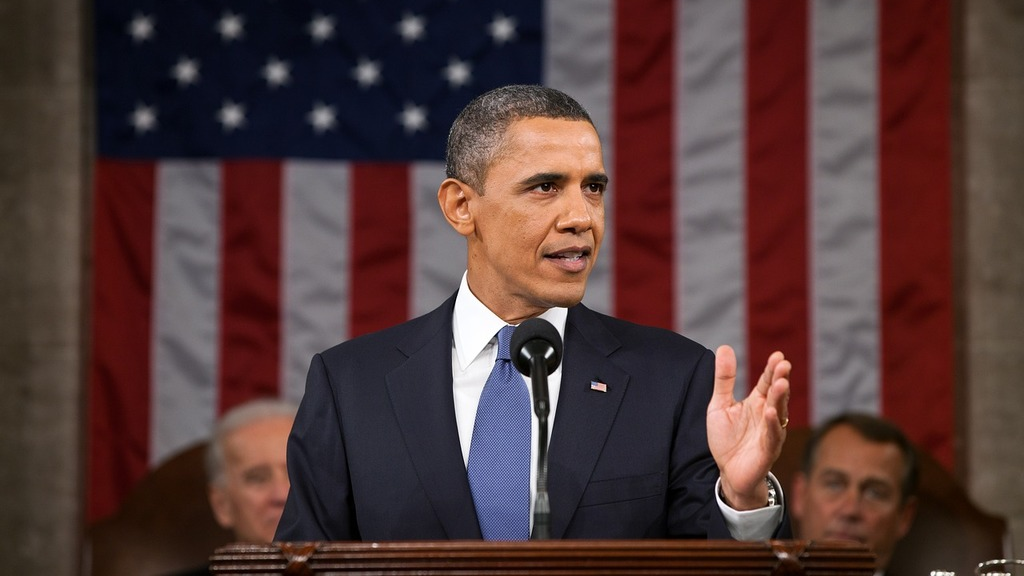
No, not a prank: the former President of the United States, Barack Obama, is coming to Manchester on his upcoming UK tour.
Confirming just three domestic dates across Great Britain and Ireland, the 44th President turned successful global speaker has delivered talks all over the world, and now he’ll be coming to the Co-op Live arena.
We always knew the industry-leading events space was going to lead to some big names, but no one was expecting this one.
Set to deliver his first-ever ‘An Evening With’ here in Greater Manchester, Barack Obama will be coming to the Co-op later this year.
Officially announcing the live show in line with a key American date, Obama will be making his first-ever visit to our city.
The Co-op Live post reads: “As America marks 250 years since the Declaration of Independence, President Barack Obama joins us in Belfast, Glasgow and Manchester to discuss what comes next – for America, and for all of us.”
More than two and a half centuries on from the start of the nation becoming the United States, the series of intimate interviews comes alongside a significant anniversary for both countries.
Always praised for being a talented orator, the 64-year-old ex-Commander in Chief has found a fruitful second career on the so-called ‘keynote circuit’ following his time as POTUS.
Having served two consecutive terms in the post, it feels undeniably surreal to hear that he will be coming to visit, especially amid the obvious recent development of our very own Mayor of Greater Manchester, Andy Burnham, having now become the 59th British PM.
As for Obama, it’s no surprise that he booked the biggest venue possible for his debut talk in 0161.
Presented by SeatUnique, who specialise in affordable but premium hospitality seats/tickets for live entertainment, it goes without saying that this is an unprecedented moment for the venue, specifically.
Set to arrive on 15 October, tickets go live from 10am at the end of this month, with official Co-op members pre-sale passes available from the same time on Wednesday, 29 July.
You can get ready to grab your tickets right HERE.
Manchester is an international city and its popularity is growing rapidly. Barack Obama, former US President is reportedly coming to Manchester this October. pic.twitter.com/9twbfaIWbI

 The Manc -
11th March 2021
The Manc -
11th March 2021