The Manchester city centre skyline is set to change once again, as a nine-year project to build four “iconic” skyscrapers has been approved by councillors.
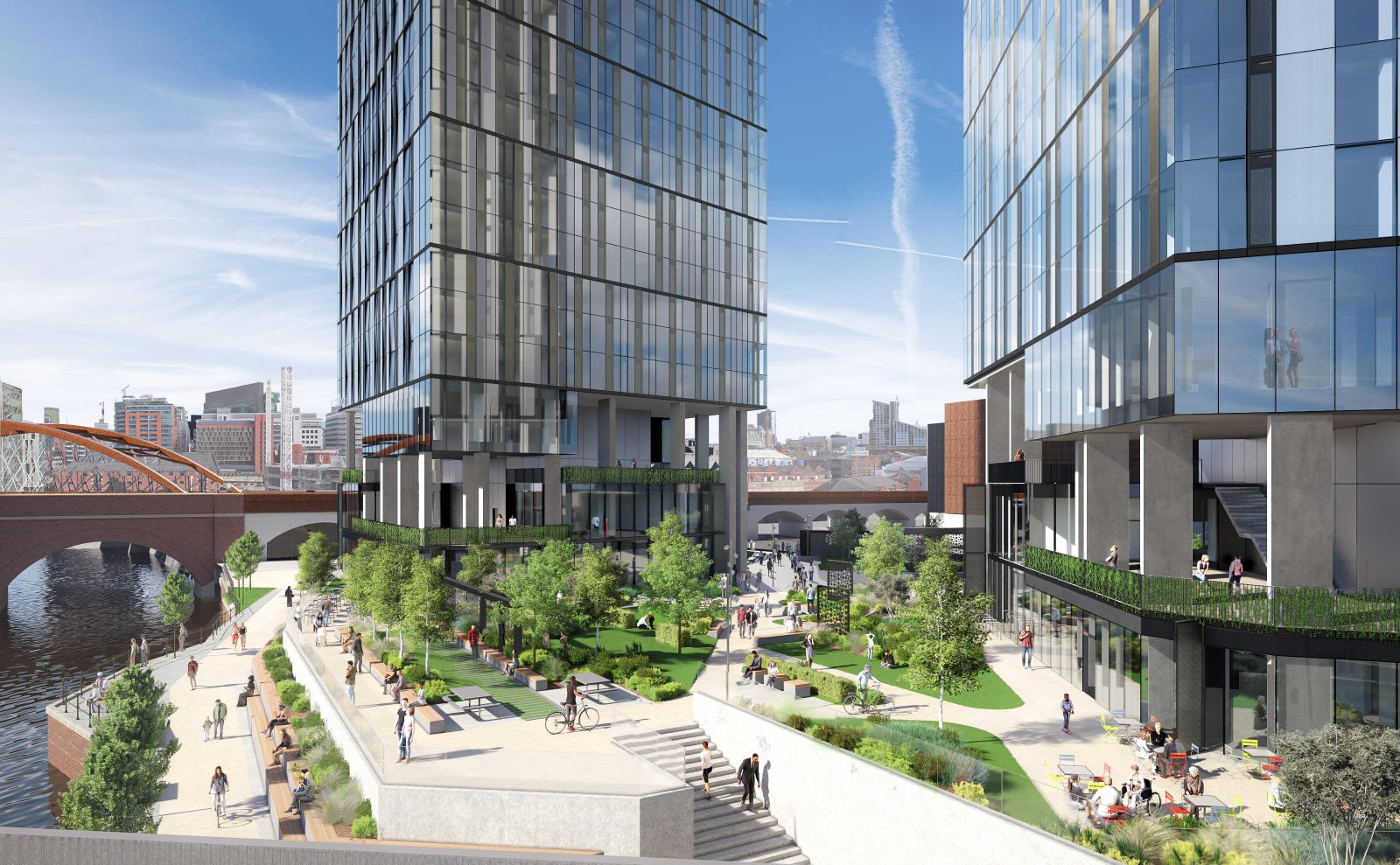
Set to be known as ‘Trinity Islands’, the £751 million plans for the SimpsonHaugh-designed apartment blocks – which were submitted by residential tower specialists, Renaker – are to take shape on two pieces of land on the banks of the River Irwell, and will include a total of 1,950 apartments.
The apartments are to be built on a car park plot between Regent Road, Liverpool Road, and Water Street.
As well as the residential facilites, each of the skyscrapers will feature co-working space, a gym, and lounge areas, and then externally, each building would also have a private residents’ garden that’s accessed directly from the ground floor space.
ADVERTISEMENT
There’ll also be private underground car parks and cycle storage within both the three-storey basements.
(1/3) We are delighted to announce we have been granted full planning permission for our Trinity Islands development! pic.twitter.com/z2q2L3O864
Nearly two-thirds of the site off Trinity Way will become green space open to the public.
ADVERTISEMENT
This approval by Manchester City Council comes after previous plans for five towers – including one which would have been the tallest residential building in Western Europe – failed to materialise, however one of the skyscrapers in these latest plans by Renaker would still be among the tallest towers in the UK outside of London, second in Manchester to the South Tower at Deansgate Square.
Controversially however, none of the new apartments would be deemed “affordable”, as the developer said this would affect the financial viability of the scheme.
An initial contribution of £106,000 towards affordable housing elsewhere in the city has been agreed and a “clawback” clause means the developer could be asked to contribute more cash if the project becomes more profitable.
ADVERTISEMENT
The developer also agreed to contribute £1.5 million towards a new school on Crown Street.
During yesterday’s planning meeting, Manchester City Council’s planning development manager Dave Roscoe told the committee that there were some “very serious challenges” with the site, but that this project was “special”, and admitted that some significant financial public benefits come from the scheme, including a £10 million public space and the funding towards the school.
The nine-year £751 million project has been approved by councillors this week / Credit: Renaker & SimpsonHaugh
Speaking on the green light given to the plans, a spokesperson for Renaker said the company is “delighted” with the decision, adding: “We look forward to delivering these new, iconic buildings, as well as new homes and facilities of the highest quality for residents and the wider community.”
Deansgate councillor Joan Davies, who represents the ward where the site is located, said she was “disappointed” with the amount of affordable housing, but was pleased the “clawback” clause created the possibility for the council to demand more money from the developer later.
ADVERTISEMENT
Manchester City Council Leader Bev Craig added: “It’s important that we look at major schemes like Trinity Islands in the round, alongside our city’s plans and the positive impact that this sort of growth continues to have on our city.
“I am passionate about ensuring that Manchester’s growth benefits everyone.
“Manchester remains a place of prodigious population growth and the city can only meet the demand for new housing through major schemes such as this one, which also brings brownfield land back into use.”
(3/3) All at Renaker are excited to begin working on Trinity Islands, which will sit near the emerging St John’s area and new factory venue for culture and the arts, as well as the Deansgate and Spinningfields districts.
She added: “Trinity Islands is a significant investment in our city, which is testament to the confidence developers continue to have in Manchester, despite the ongoing economic challenges posed by the COVID-19 pandemic.
“This development alone will create 2,000 homes and 4,000 jobs in the construction stage.”
Featured Image – Renaker & SimpsonHaugh
News
Jewish leaders call for cancellation of huge Fontaines D.C. gigs in Heaton Park
Daisy Jackson
Jewish leaders have expressed ‘profound concerns’ regarding the two enormous Fontaines D.C. gigs taking place in Heaton Park next summer.
The Jewish Representative Council of Greater Manchester and Region has called for the shows to cancelled.
They said that ‘the safety of our community must be paramount’.
Irish rockers Fontaines D.C. have been outspoken at their concerts in the past in their support for Palestine, displaying ‘Free Palestine’ messaging on huge screens across the globe.
Now, the JRC has publicly expressed concerns about ‘the potential consequences of inflammatory rhetoric from the band’.
They added: “At a time of heightened antisemitism, the comments and chants associated with the band risks importing tensions from the Middle East into the UK, with Jewish people here becoming the targets.”
Fontaines D.C. are set to play two massive shows at Heaton Park next summer, on 3 and 4 July.
Manchester City Council has stressed that they will be working closely with members of the Jewish Representative Council as event management plans are developed, and added that ‘partners from the Council, emergency services including Greater Manchester Police (GMP), and event organisers, will comprehensively review the plans in place ahead the concerts’.
In a statement, the JRC said: “The JRC has registered our profound concerns with Manchester Council regarding Fontaines D.C.’s forthcoming concert at Heaton Park and has called for it to be cancelled.
“Despite our representations, it appears the concert will be going ahead. We expect and will be working with the council to ensure robust and adequate safeguards are in place to protect the Jewish community.
“We have no objection to Heaton Park hosting concerts.
“Our concerns are not about legitimate political expression but the potential consequences of inflammatory rhetoric from the band.
“At a time of heightened antisemitism, the comments and chants associated with the band risks importing tensions from the Middle East into the UK, with Jewish people here becoming the targets. The safety of our community must be paramount.”
A Manchester council spokesperson said: “We understand the very real concerns that members of our Jewish community have in the wake of the horrific antisemitic terrorist attack at Heaton Park Synagogue last year and a wider rise in antisemitism. Our thoughts remain not just with those who lost their lives and their loved ones but with the whole Jewish community.
“We stand shoulder to shoulder with them in saying there is no place for antisemitism or discrimination of any form in Manchester and continue to work with the police, communities and other partners to provide reassurance and support.
“On the specific concerns expressed by some members of the Jewish community in relation to the two Heaton Park concerts in summer 2027, addressing these concerns will be front and centre in preparations for these events. We have met recently with members of the Jewish Representative Council and will continue to work closely with them as we develop event management plans.
“Partners from the Council, emergency services including Greater Manchester Police (GMP), and event organisers, will comprehensively review the plans in place ahead the concerts. This is standard practice for all major events in the city and is there to ensure events take place safely and successfully.
“In advance of the concerts, as with any other large-scale events, a thorough risk assessment of every aspect of the event will be carried out, focused on ensuring the safety and security of the event, its attendees and the wider community.
“The organisers, City Council and GMP will put in place suitable and proportionate mitigations and assurances to make sure that the concerts are delivered in full compliance with the licensing conditions. Organisers would also be happy to meet with concerned parties to help address any concerns. They are clear that discrimination or intimidation, including antisemitism, have no place at their events.”
Police shut down suspected brothel in Oldham following concerns raised by locals
Emily Sergeant
Police have shut down what they believe to have been a brothel in Oldham during the early hours of this morning.
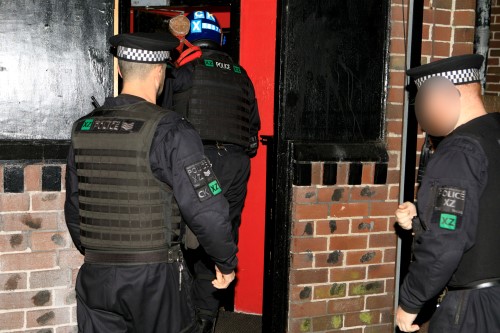
Following concerns raised by the local community and years of gathering intelligence, officers from Greater Manchester Police‘s (GMP) Oldham Neighbourhood Team executed a warrant at a premises on Broadway in Oldham earlier this morning (14 October 2026), as they believed it to be operating as a brothel.
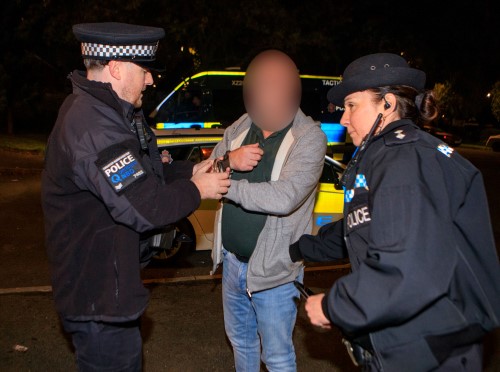
The warrant was executed as a result of the unrelated arrest of a man believed to be connected to the business.
When police seized a mobile phone from the man, examination of the device uncovered evidence which provided them with grounds to suspect the premises was being used for the control of prostitution.
During the operation this morning, a woman in her 40s was found and spoken to by officers. Once safeguarding measures were put in place by GMP, she was subsequently arrested on suspicion of immigration-related offences and possession of Class A drugs.
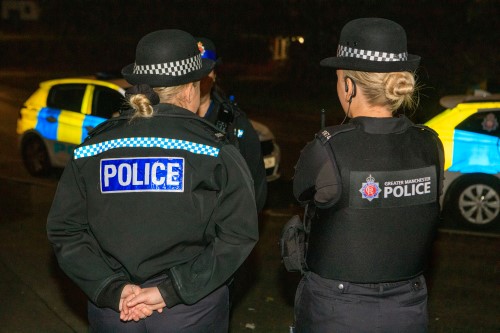
Police have shut down a suspected brothel in Oldham following concerns raised by locals / Credit: GMP
A man – who police believed to be the owner of the premises – was also arrested on suspicion of controlling prostitution for gain.
Officers seized a number of items from the address too, including cash and timesheets, as part of the ongoing investigation.
“The concerns surrounding this premises have been raised by local residents and businesses for a considerable period of time, and today’s action is the result of years of intelligence gathering and partnership working,” explained Police Sergeant Tom Layton.
“By securing a Closure Notice, we have been able to immediately disrupt the activities taking place at the premises and prevent further harm, nuisance and criminality while legal proceedings continue.
“Premises suspected of facilitating criminality can have a significant impact on those living and working nearby, causing nuisance and concern.
“We have listened to the concerns of the community and have taken robust action to address them.”
Neighbourhood Inspector Amie Whitehead added: “Our priority is always to identify and safeguard those who may be vulnerable while pursuing those suspected of criminal offences.
“We will continue to work tirelessly to target anyone who seeks to exploit others and to ensure Oldham remains a safe place for residents, businesses and visitors alike.”

 Emily Sergeant -
18th February 2022
Emily Sergeant -
18th February 2022