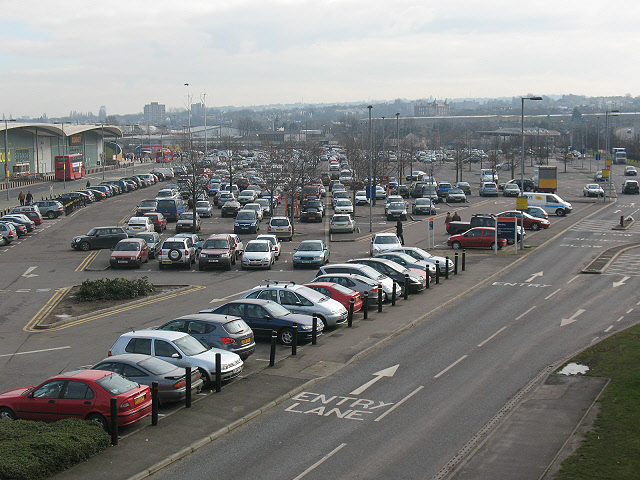
The government has announced that the majority of fines issued by private operators will be cut by up to 50% as part of a new crackdown on “cowboy” firms.
Under a new parking code of practice, which is being introduced by the Department for Levelling Up, Housing and Communities, the maximum fine allowed to be issued by private car parking firms will be reduced from £100 to £50 for most cases in England and Wales, excluding London.
According to the new rules, private car parks will also have to display prices more clearly, use a fairer appeal system, and give drivers a 10-minute grace period for lateness.
The maximum charge will be reduced to £50 in most cases, or £70 for more serious breaches.
When appealing fines, parking terms and conditions will also have to be clearly displayed in a bid to end firms hiding behind “non-specific, pseudo-legal and aggressive language”, although innocent mistakes, such as mistyping a registration number into a ticket machine, will be excused however.
ADVERTISEMENT
A single parking appeals service would also be created to handle complaints.
Private firms who breach the new code could end up having their access to Driver and Vehicle Licensing Agency (DVLA) data cut off, which means they could be banned from collecting fines in the future, yet this is expected to only kick-in from the end of 2023.
ADVERTISEMENT
Speaking on the new government crackdown, Neil O’Brien – Minister for Levelling Up – said: “Private firms issue roughly 22,000 parking tickets every day, often adopting a system of misleading and confusing signage, aggressive debt collection and unreasonable fees designed to extort money from motorists.
“The new Code Of Practice will set out a clear vision with the interests of safe motorists at its heart, while cracking down on the worst offenders who put other people in danger and hinder our emergency services from carrying out their duties.”
/ Credit: Wikimedia Commons
Vehicle insurance and breakdown companies the AA and RAC have welcomed the new code.
ADVERTISEMENT
Edmund King – President of the AA – said: “These much-needed upgrades to private parking rules will give better protection to drivers [as] for too long, those caught by private parking firms simply pay the charge to get rid of it [but] thankfully these days are numbered.
“Drivers should feel confident that having a single code of practice and a new appeals charter will give them confidence to appeal and be properly heard.
“We are also pleased that honest mistakes, like mistyping the car registration into the machine, will now be automatically cancelled.”
“The RAC has campaigned for years to end the sharp practices in the private parking sector,” added Nicholas Lyes – Head of Roads Policy at the RAC.
“So we welcome the new national code that will usher in higher standards and will introduce a lower cap on penalty charge notices, an independent appeals system, and an end to rip-off debt collection fees.
ADVERTISEMENT
“This will undoubtedly make drivers’ experience of using private car parks fairer while at the same time force rogue operators to clean up their acts once and for all.”
Police appeal launched as woman dies after being hit by lorry in Bury
Daisy Jackson
A woman has tragically died after being hit by a lorry in Bury yesterday afternoon.
At around 3.45pm on Tuesday 6 October, emergency services were called to a road traffic collision in Radcliffe.
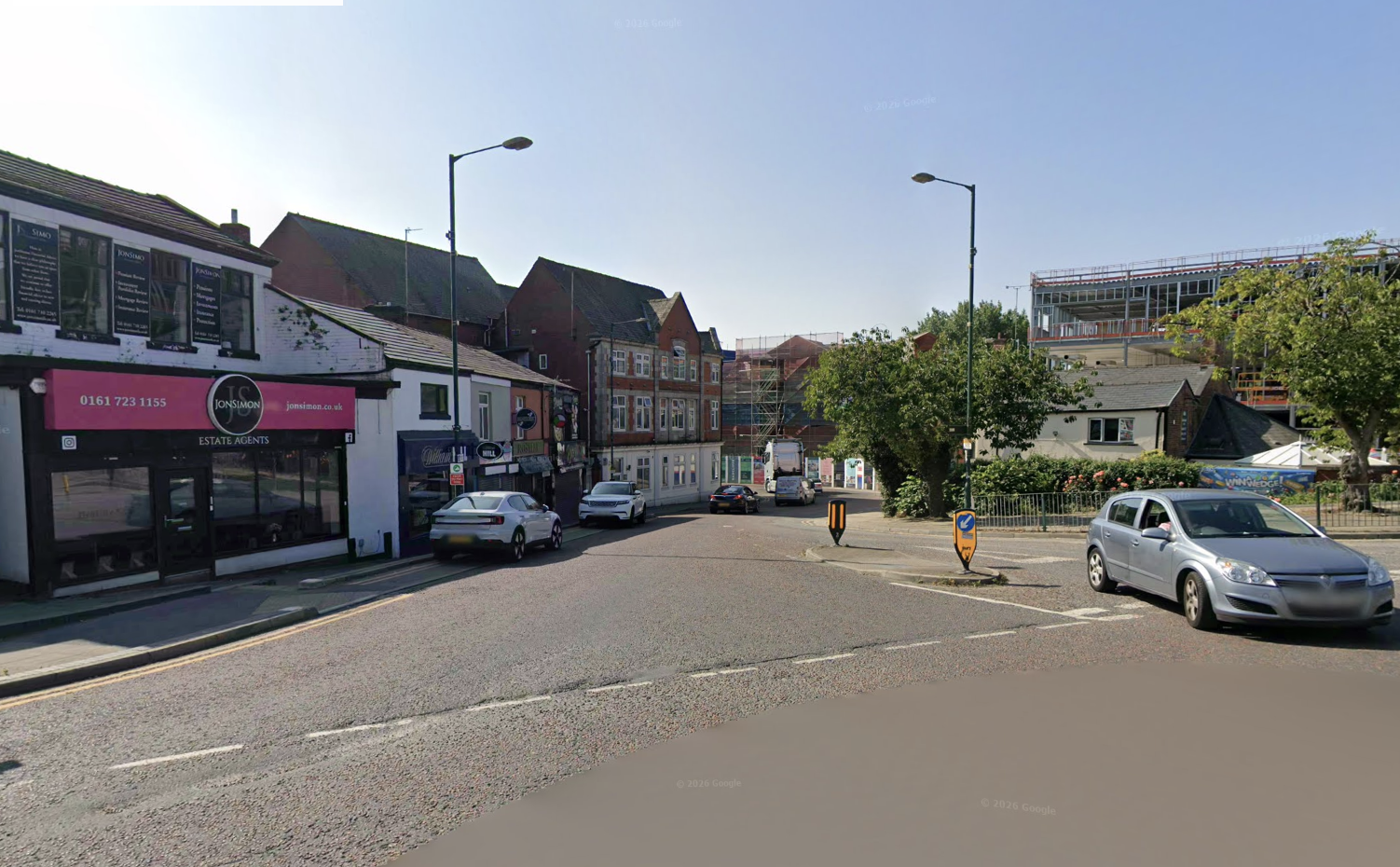
The collision was between a pedestrian and a lorry on Church Street West.
Tragically, the pedestrian – a woman in her 50s – passed away at the scene despite the efforts of emergency services.
A large cordon was in place yesterday and road has remained closed this morning.
Officers from GMP’s Serious Collision Investigation Unit are now appealing for information.
They said: “At around 3.45pm yesterday (Tuesday 6 October 2026) we were called to reports of a road traffic collision between a pedestrian and a lorry on Church Street West, Radcliffe.
“Emergency services attended but sadly the pedestrian, a woman in her 50s, passed away at the scene.
“No arrests have been made and enquiries are ongoing.
“Anyone with information including CCTV, Ring doorbell or dashcam footage is asked to contact police on 101 quoting log 2299 of 06.10.26. Reports can also be made via our website of the LiveChat function at www.gmp.police.uk.
“Alternatively you can contact Crimestoppers anonymously on 0800 555 111.”
New measures announced to tackle ‘rogue’ landlords across Greater Manchester
Emily Sergeant
A cohort of trained enforcement officers are set to hit the streets in all 10 boroughs to help improve the lives of the region’s renters.
Forming part of Greater Manchester‘s commitment to the highest-quality housing standards alongside the Good Landlord Charter, the newly trained enforcement officers will be tasked with protecting tenants, joining Council teams in checking rental properties, bringing enforcement action against bad landlords, and cracking down on illegal practices.
The introduction of the new enforcement officers comes after what has been ‘years of sustained pressure’ on local budgets.
Greater Manchester Combined Authority (GMCA) says it is working with the 10 councils across the region to strengthen local teams, rebuild in-house skills and expertise, and ensure that powers can be applied with consistency in all boroughs.
As mentioned, this all forms part of the Good Landlord Charter – which is GMCA’s ‘bold approach’ to drive up standards for renters across the region.
Landlords of more than half of rented properties in Greater Manchester have now signed up as supporters of the Charter, and as supporters, they have committed to going above and beyond legal minimums to improve the renting experience for hundreds of thousands of people.
“A safe place to call home is the cornerstone of a happy, healthy life,” explained Mayor Bev Craig. “But for years, people have felt trapped in poor-quality housing, and cash-strapped councils were unable to step in to help. I’m putting an end to that.
“We know there are plenty of good landlords in Greater Manchester, and many of them have already signed up to our Good Landlord Charter, but too many are just not good enough.
“That’s why we’re deploying a new generation of expert housing officers onto the streets of our towns and cities.”
Mayor Bev Craig declared that she ‘won’t stand by and let rogue landlords take advantage of people’.
She continued: “By empowering renters, working with responsible landlords, and using our powers to crack down on the bad ones, I will make sure everyone in Greater Manchester has the foundation for a good life.”

 Emily Sergeant -
7th February 2022
Emily Sergeant -
7th February 2022