Sports fans will not return to stadiums in October, Michael Gove confirms
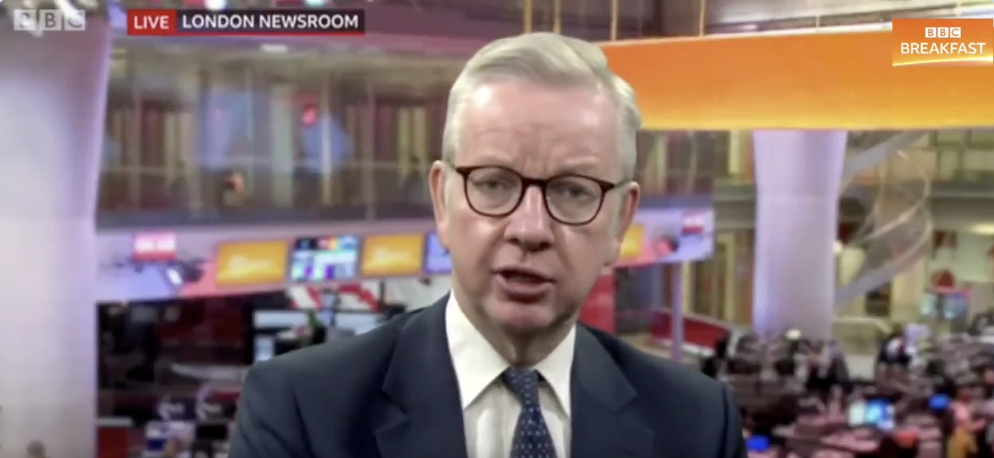
Appearing on BBC Breakfast, the Minister for the Cabinet Officer responded to questions about the government's live sports spectators scheme - which originally planned for supporters to be gradually reintroduced to grounds in greater numbers across Britain from next month.
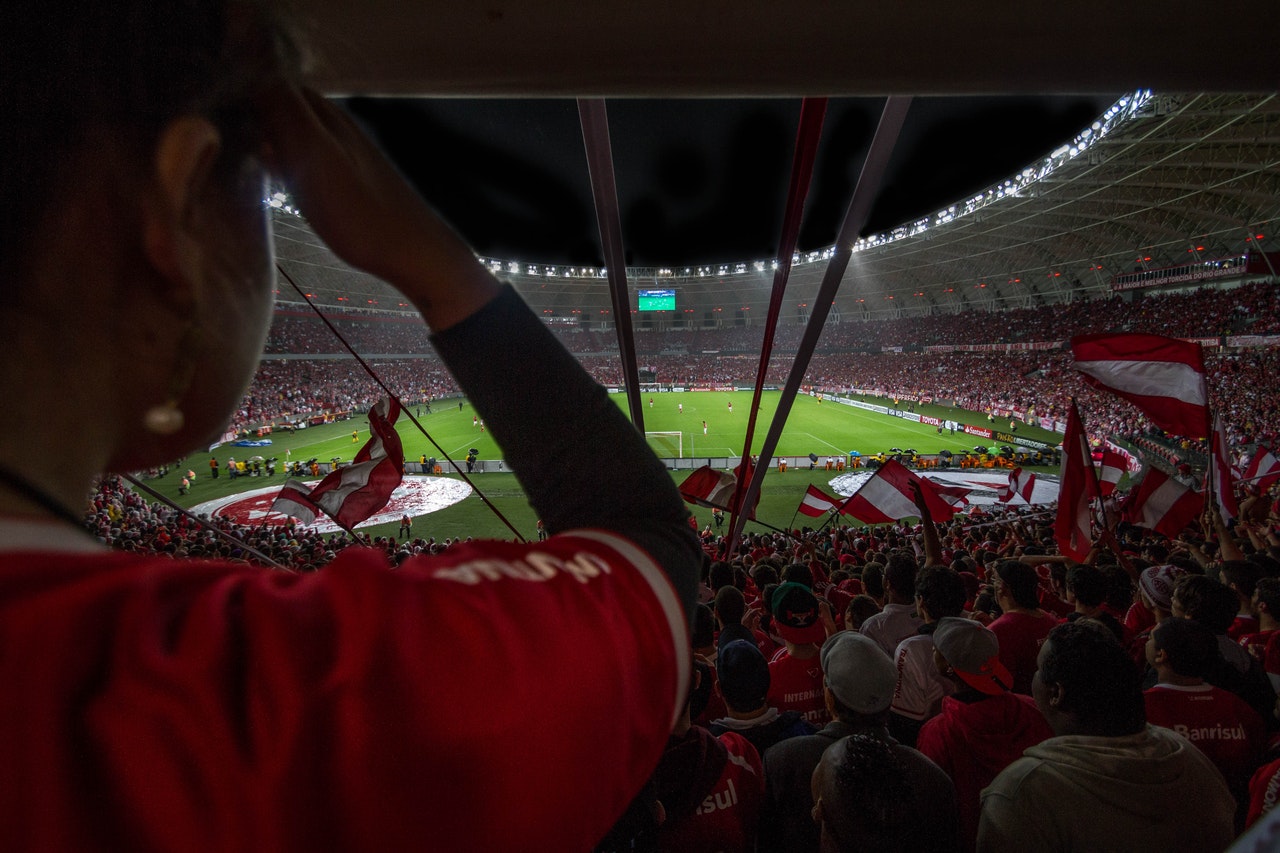
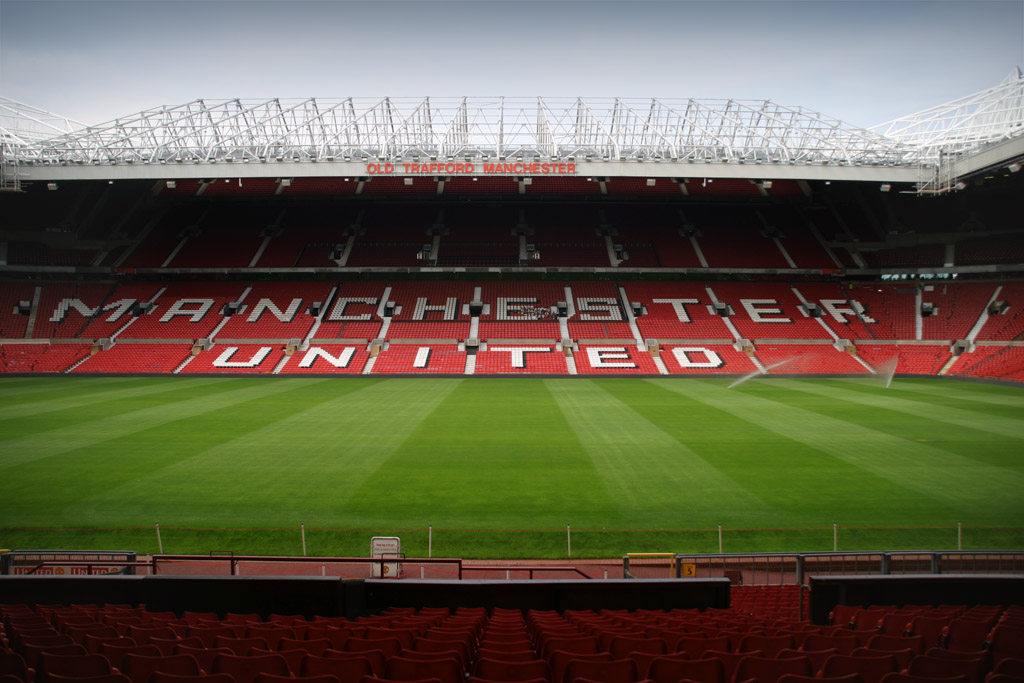
Sports fans will not return to stadiums on October 1 as originally planned, Michael Gove has revealed this morning.
Appearing on BBC Breakfast, the Minister for the Cabinet Officer responded to questions about the government’s live sports spectators scheme – which originally planned for supporters to be gradually reintroduced to grounds in greater numbers across Britain from next month.
However, according to Gove, the plan has now been placed “on pause.”
“It was the case that we were looking at a staged programme of more people returning; it wasn’t going to be the case that we were going to have stadiums thronged with fans,” Gove reiterated during the liver interview.
“We are looking for the moment at how we can pause that programme.”
ADVERTISEMENT
Several fixtures across team sports in England, including football and rugby, had previously been earmarked as occasions where small numbers of fans could attend.
1,000 Blackpool supporters visited Bloomfield Road for The Seasiders’ League One fixture with Swindon Town on Saturday; with the hosts emerging 2-0 winners.
ADVERTISEMENT
The idea was to slowly increase capacity moving ahead, but this is now being halted indefinitely.
Britain is suffering the start of a second coronavirus wave, and it appears unlikely that supporters will return to seats in big numbers before Christmas.
However, Gove admitted that the government still have plans to get larger crowds back inside sporting arenas in the future.
ADVERTISEMENT
“What we do want to do – as and when circumstances allow – is get more people back,” said Gove.
“The virus is less likely to spread outdoors than indoors.
“But again, it’s in the nature of major sporting events that there’s a lot of mingling.
“People look back now at the beginning of the pandemic and look at some of the major sporting events and ask: ‘Why were they allowed to go ahead?’.
“One of the things we must do now, whatever the wisdom of decisions made then, is to look at sporting events with caution.”
Gove also admitted that sport is set for a “challenging time”.
The UK recently moved to Level 4 on the alert system – meaning the virus “is in general circulation; transmission is high or rising exponentially”.
Pubs and restaurants nationwide are set to be hit with curfews later this week, whilst tighter restrictions have been placed on over 11 million people across the country.
News
Daughter pays heartbreaking tribute to dad at centre of Salford murder investigation
Daisy Jackson
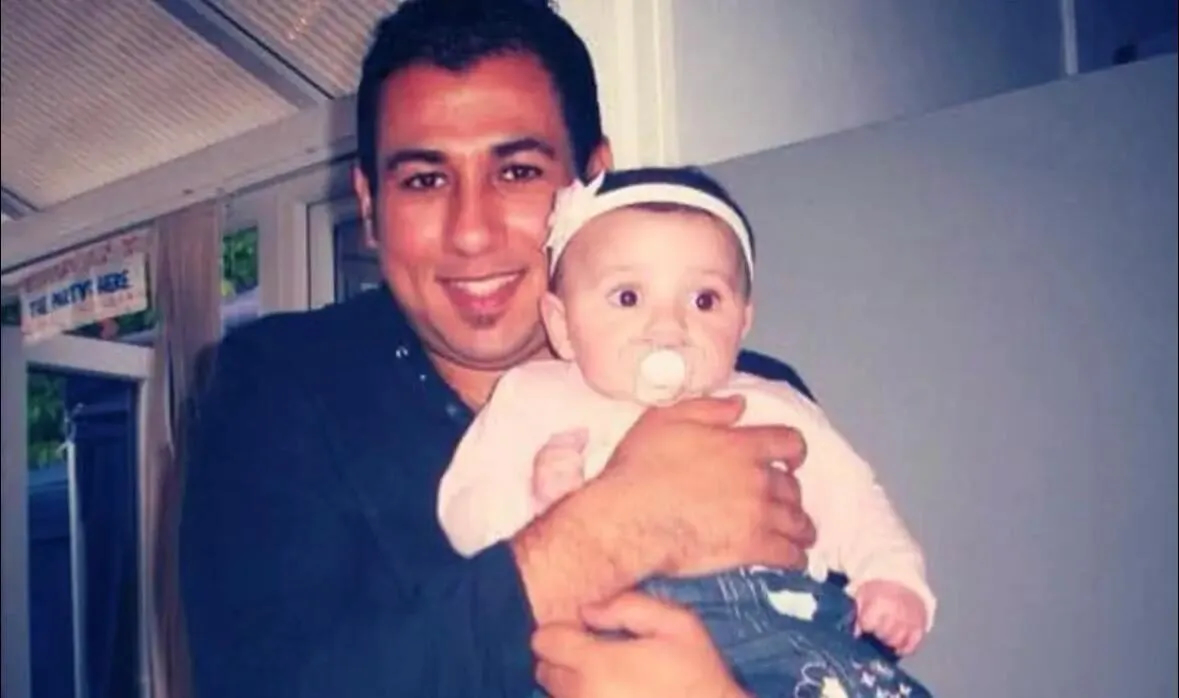
The daughter of a man who died in Salford last week has paid a heartbreaking tribute to her ‘beloved dad’, who is now at the centre of a murder investigation.
44-year-old Mohamed Omar was found at an address after officers were called to Great Clowes Street at round 7.50pm on Tuesday 6 October.
He was unresponsive at the time officers arrived, and despite the efforts of emergency services and medical professionals, died a short while later.
Five men, aged between 24 and 35-years-old, were arrested on suspicion of murder and have since been bailed while enquiries continue.
Now, Mohamed’s daughter has paid a heartbreaking tribute to her father, describing him as someone who could ‘light up a room’.
She said: “To my beloved Dad. You were loved so much, not just by me, but by everyone you crossed paths with.
“You worked so hard throughout your life, always giving so much of yourself to the people around you. You had an energy that could light up a room, and no matter what, you could always make someone laugh.
“No one deserves to have their life taken. You were taken from us far too soon, and it hurts knowing there was still so much more for us both to experience together. You have left a mark on us all, and it still feels surreal knowing you are gone. I wish we had more time together.
“I hope you are in a better place, resting peacefully with Nanna and Grandad. I hope you know how much I love you and that I always will. You will live in my heart forever. Until we meet again, Dad. From your daughter, Layla.”
Also paying tribute is one of Mohamed’s friends, who said: “I still can’t believe you’ve been taken from us. I never imagined I would have to face a world without you in it. You weren’t just my best friend; you were family, someone who held a special place in my heart that nobody could ever replace.
“My heart is broken knowing that you’re no longer here with us. There are so many things I wish I could say to you, so many memories I wish we could make, and so many moments I wish I could have back.
“You didn’t deserve what happened to you. I will carry your memory with me for the rest of my life, and no matter how much time passes, you will never be forgotten.
“Rest peacefully, my best friend. Until we meet again, you will forever have a place in my heart. I love you always, and I will miss you more than words could ever explain. From your brother Lee Yassein.”
Anyone with information regarding this incident is urged to contact police. Reports can be made via 101, the LiveChat function on our website , or through the independent charity Crimestoppers on 0800 555 111.
Police issue urgent appeal after three-vehicle collision on M62 leaves woman ‘seriously injured’
Emily Sergeant
Police have issued an urgent appeal to the public following a collision involving three vehicles on the M62 over the weekend.
Greater Manchester Police (GMP) explained that, at approximately 10:10pm this past Saturday (10 October), officers received reports of a collision involving three vehicles on the westbound carriageway between Junctions 20 and 21 of the M62 motorway.
A large emergency services response attended the scene – including colleagues from the North West Ambulance Service (NWAS) and Greater Manchester Fire and Rescue Service (GMFRS), as well as GMP.
When they arrived on the scene, they found that a woman in her has 60s sustained ‘serious injuries’, and at this time, she remains in hospital for treatment.
Initial police enquiries have indicated that a Mercedes van was involved in a collision with a Volvo, which subsequently collided with a Vauxhall Insignia.
A 20-year-old man has been arrested on suspicion of causing serious injury by dangerous driving, and remains in custody for questioning.
While enquires are ongoing, officers from GMP’s Serious Collision Investigation Unit are appealing for witnesses, or anyone with information, to come forward, and say they are particularly keen to hear from anyone who witnessed the collision or who has dashcam footage from the area around the time of the incident.
Can you help? Anyone with information that could assist the investigation is asked to contact police via 101 or through the Live Chat service at gmp.police.uk, quoting incident number 3374 of 10/10/26.
Information can also be provided directly to the Serious Collision Investigation Unit on 0161 856 4741, or alternatively, you can contact Crimestoppers, anonymously, on 0800 555 111.
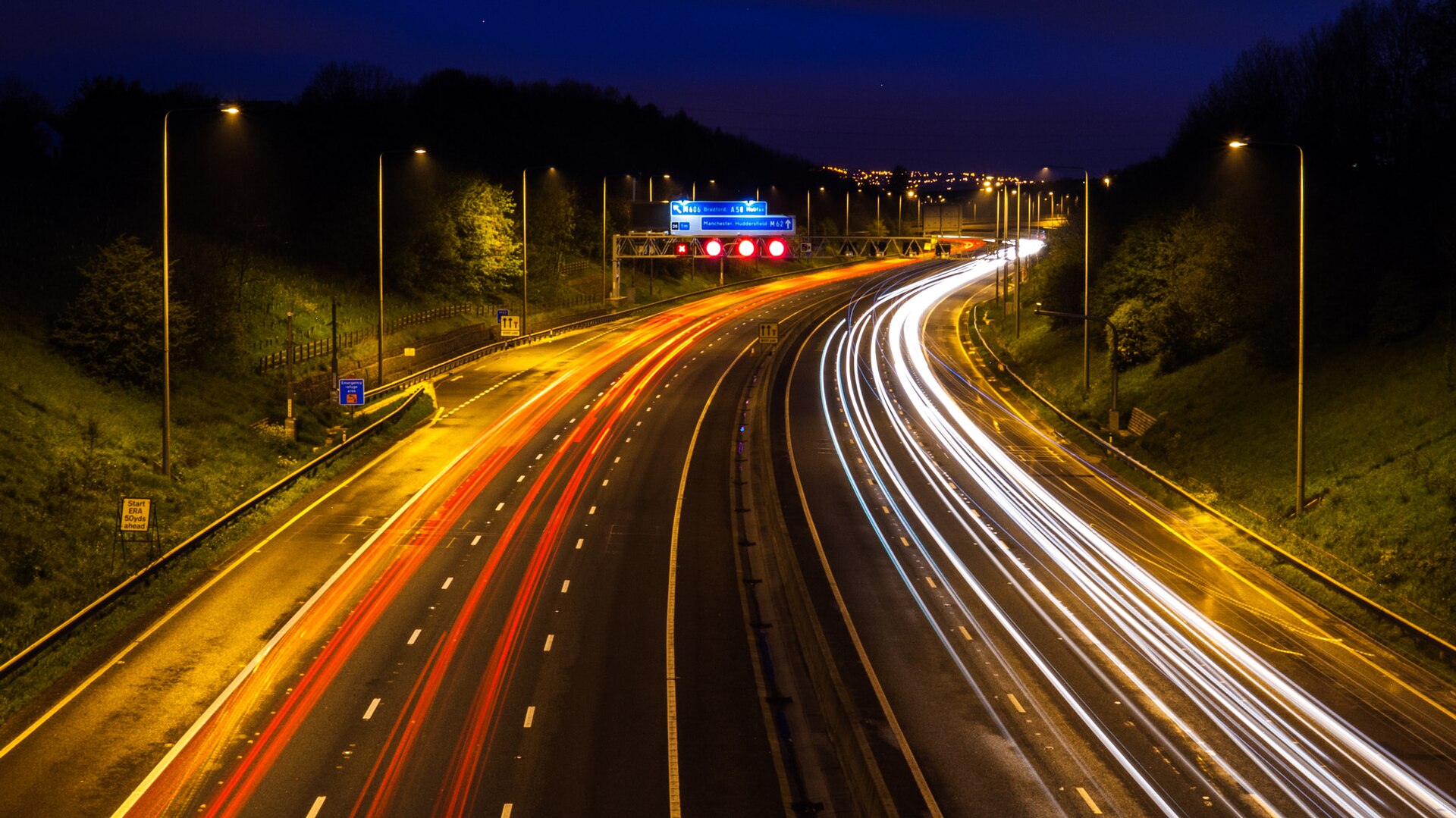
Featured Image – Simon Brace (via Wikimedia Commons)

 The Manc -
22nd September 2020
The Manc -
22nd September 2020