News
The exceptions to breaking lockdown rules in Greater Manchester under new legislation
Official legislation came into force today, but there are a number of exceptions to breaking restrictions.
 The Manc -
5th August 2020
The Manc -
5th August 2020 
The UK government’s official legislation to legally enforce the new lockdown restrictions across Greater Manchester and other parts of Northern England comes into force today.
The legislation, which was published yesterday, applies to residents in England only and comes over five days after Health Secretary Matt Hancock made the announcement on the evening of Thursday 30th July that people in certain areas of Northern England – crucially including all 10 boroughs of Greater Manchester – would no long be permitted to congregate privately with others outside their household or support bubble.
This is due to a rise in coronavirus (COVID-19) cases across these regions.
According to the new government guidance and legislation, those living in Greater Manchester “should follow these rules when meeting people who you do not live with”.
You should not:
“Meet people you do not live with inside a private home or garden, except where you have formed a support bubble (or for other limited exemptions to be specified in law).
Visit someone else’s home or garden even if they live outside of the affected areas.
Socialise with people you do not live with in other indoor public venues – such as pubs, restaurants, cafes, shops, places of worship, community centres, leisure and entertainment venues, or visitor attractions. You may attend these venues with people you live with (or are in a support bubble with), but should avoid interaction with others. If you run such a business, you should take steps to ensure people do not interact with people they do not live with, in line with COVID-19 secure guidance.”
GOV.UK
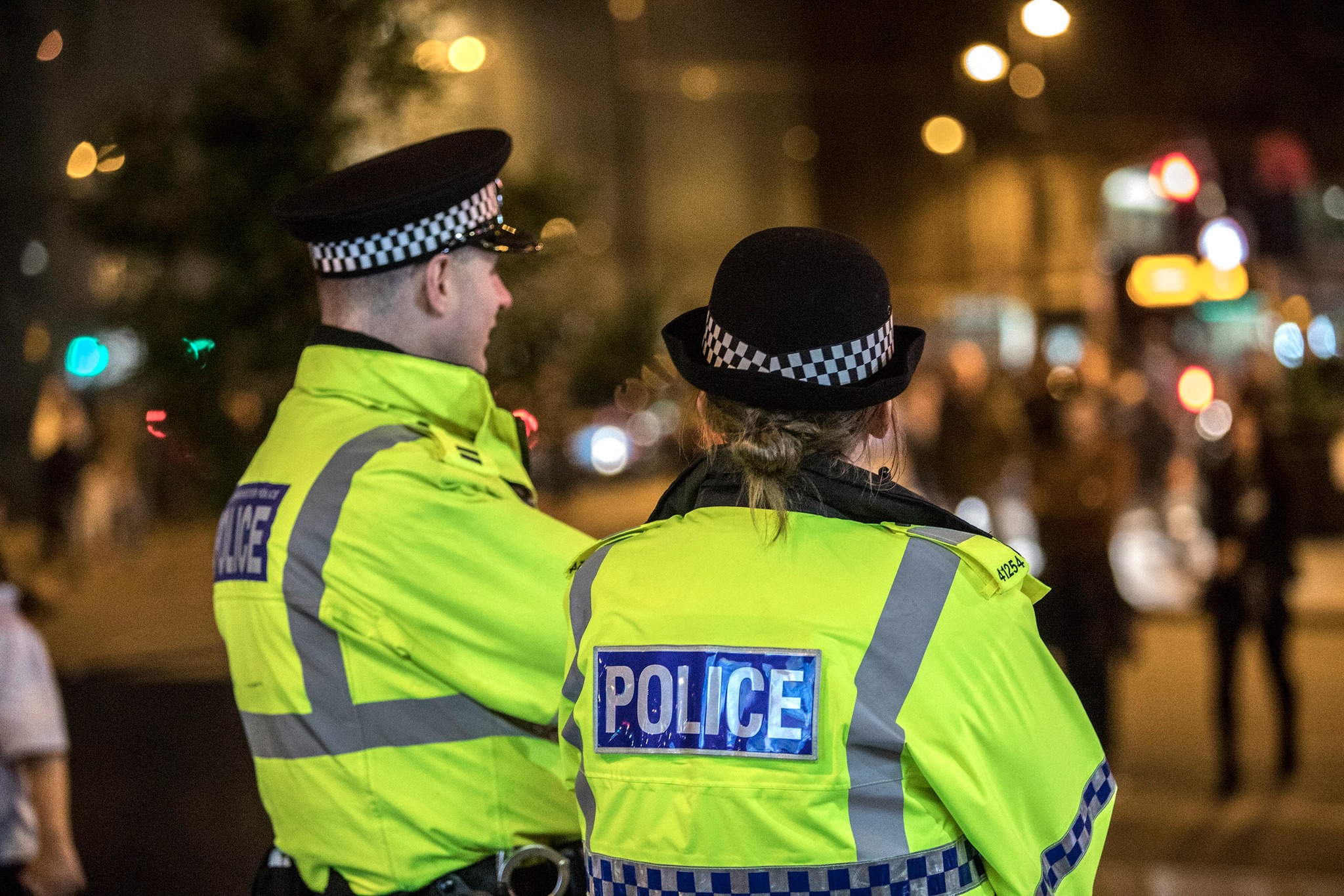
The new legislation gives police the power to take action against those that break these rules, including asking people to disperse and issuing fixed penalty notices.
These fixed penalty notices will start at £100 (halving to £50 if paid in the first 14 days) and will double for subsequent offences, meaning that fines can even rise to a total of £3,200 in the the case of the sixth and subsequent fixed penalty notices.
There are a number of exceptions to breaking the rules as detailed in the legislation though.
Whilst rules ban gatherings of two or more people from multiple households in private dwellings – including gardens, yards, passages, stairs and outhouses – there are exceptions for certain circumstances.
These include:
- If someone is giving birth and the person is at attending at the person who is giving birth’s request.
- If a person is visiting a person they reasonably believe is dying and the concerned person is a member of the dying person’s household, or they are close family member or a friend of the dying person.
- A person is fulfilling a legal obligation.
- If the gathering is for work or education purposes or voluntary or charitable purposes.
- For the purposes of childcare provided by a person registered under Part 3 of the Childcare Act 2006.
- To provide care or assistance to a vulnerable person including personal care.
- To facilitate a house move.
- To provide emergency assistance.
- To enable one or more persons in the gathering to avoid injury or illness, or to escape a risk of harm.
- To continue existing arrangements for access to, and contact between, parents and children where the children do not live in the same household as their parents, or one of their parents.
Organised public gatherings of more than 30 people – both on land and vessels (with the exception of house boats and vessels for public transport) – are now also banned under the new regulations, unless:
- The gathering has been organised by a business, a charitable, benevolent or philanthropic institution, a public body, or a political body, and the person responsible for organising the gathering has carried out a risk assessment.
- The organiser has taken all reasonable measures to limit the risk of transmission of the coronavirus, taking into account the risk assessment.
- The person concerned is an elite sportsperson, the coach of an elite sportsperson, or (in the case of an elite sportsperson who is a child), the parent of an elite sportsperson, and the gathering is necessary for training or competition.
- The gathering is reasonably necessary for works purposes, or provision of voluntary or charitable services.
- It is for education, or training.
- It is for childcare provided by a person registered under Part 3 of the Childcare Act 2006, or as part of supervised activities provided for children.
- It is to provide emergency assistance, or to enable one or more persons in the gathering to avoid injury or illness, or to escape a risk of harm.
- The person concerned is fulfilling a legal obligation.
An authorised person may issue a fixed penalty notice to anyone that the authorised person reasonably believes has committed an offence under these regulations, and is aged 18 or over.
Fines can be handed out by either a police officer, a police community support officer (PCSO), or “a person designated by the Secretary of State for the purposes of this regulation”.
You can read the full legislation document via the legislation.gov.uk website here.
___
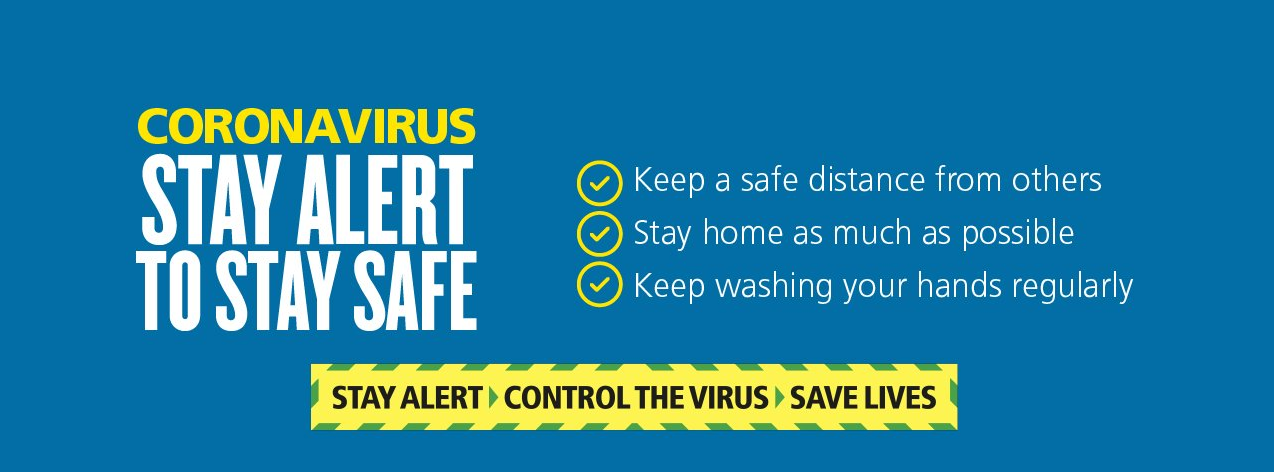
For further information and guidance amid the coronavirus (COVID-19) pandemic, do refer to official sources via gov.uk/coronavirus.
#StaySafeSaveLives