The annual accounts of the British monarchy have just been revealed, showing British taxpayers just how much of their hard-earned money goes on covering the royal’s travel and housing costs.
The royal accounts, which were published on Thursday morning, showed that taxpayer-funded spending had increased by £14.9 million, or 17%, in the last financial year whilst UK GDP fell.
Official royal travel costs came to £4.5 million and utilities to £3.2 million, whilst housekeeping and hospitality costs came to a total of £1.3 million – an increase of 55% in a year.
The monarch’s annual payroll bill amounted to £23.7 million, whilst Prince Charles’s tax bill came to £5.9 million and the cost of official travel for William and Kate’s controversial Caribbean tour added up to £226,383.
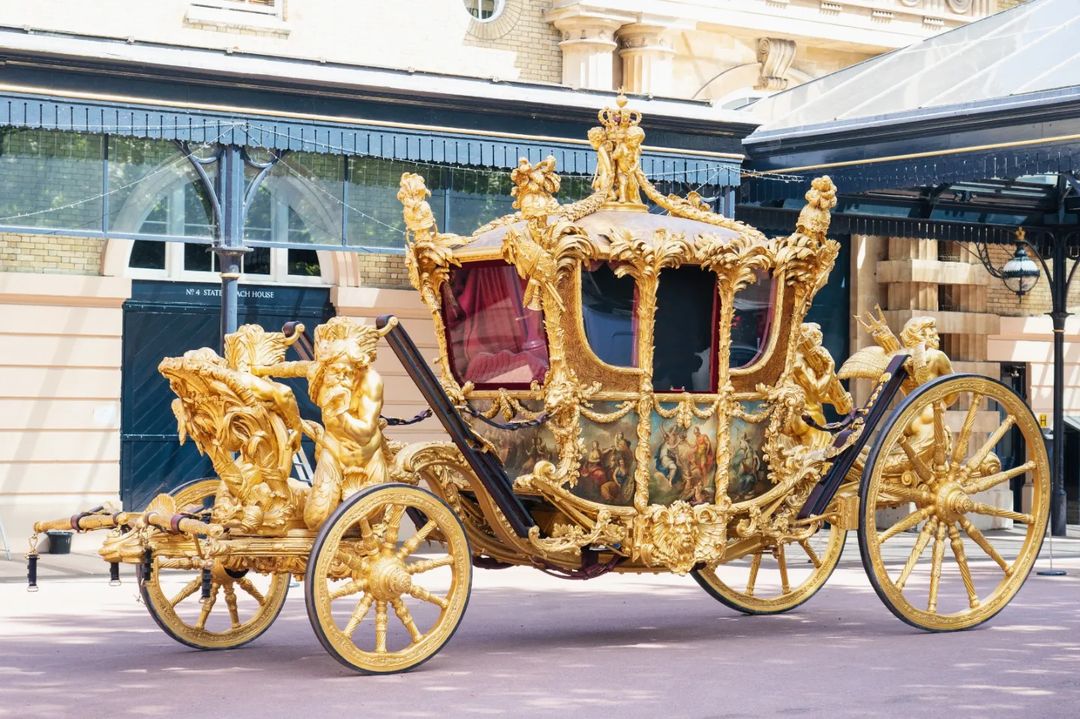
The Gold State Coach was used for Queen Elizabeth II’s coronation in 1953 and on other state occasions including the Golden Jubilee in 2002. / Image: The Royal Family
The accounts also revealed that Prince Charles’s annual income from the Duchy of Cornwall landed estate, which includes approximately 53,300 hectares of land, over 600 residential lettings and more than 700 agricultural tenancies, increased from £20.4 million to £23 million.
ADVERTISEMENT
Graham Smith, chief executive of Campaign group Republic spoke damningly of the figures, drawing attention to the country’s spiralling cost of living emergency which is leaving many to make the choice between heating or eating as a result of very little government support.
He told Wales Online: “As always, while the rest of us face a cost-of-living crisis and continued squeezes on public services, the royals walk off with hundreds of millions of pounds of taxpayers’ money.”
ADVERTISEMENT
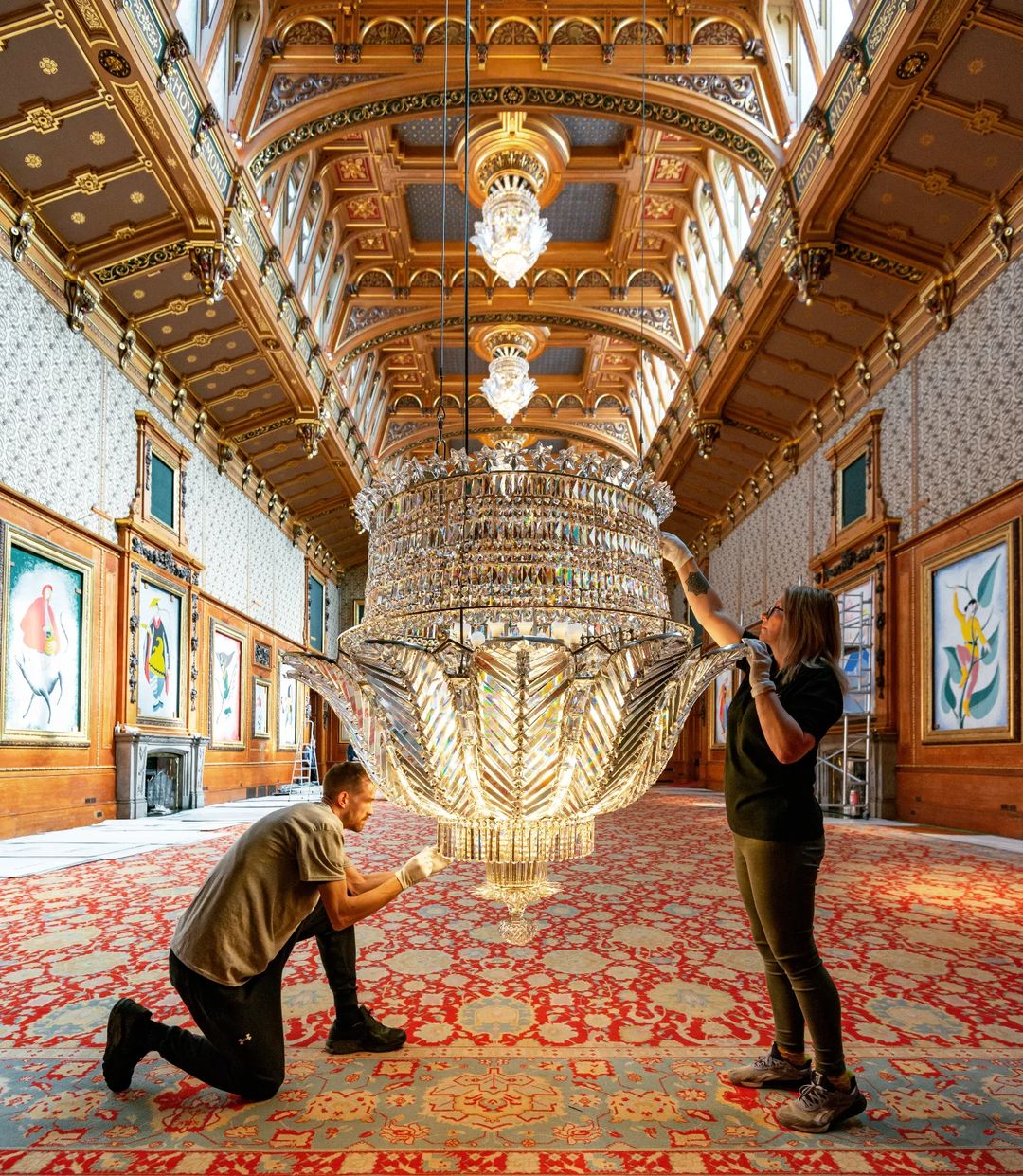
The chandeliers in the Waterloo Chamber at Windsor Castle. / Image: The Royal Family
“We need to put the monarchy on a proper budgetary footing, just like any other public body. We need to slash that budget down to below £10m, and only fund what’s required for the functions of the head of state.”
Meanwhile Sir Michael Stevens, Keeper of the Privy Purse, suggested that Buckingham Palace was also facing some challenges itself due to inflation in the aftermath of the pandemic.
He said: “looking ahead, with the Sovereign Grant likely to be flat in the next couple of years, inflationary pressures on operating costs and our ability to grow supplementary income likely to be constrained in the short term, we will continue to deliver against our plans and manage these impacts through our own efforts and efficiencies”.
ADVERTISEMENT
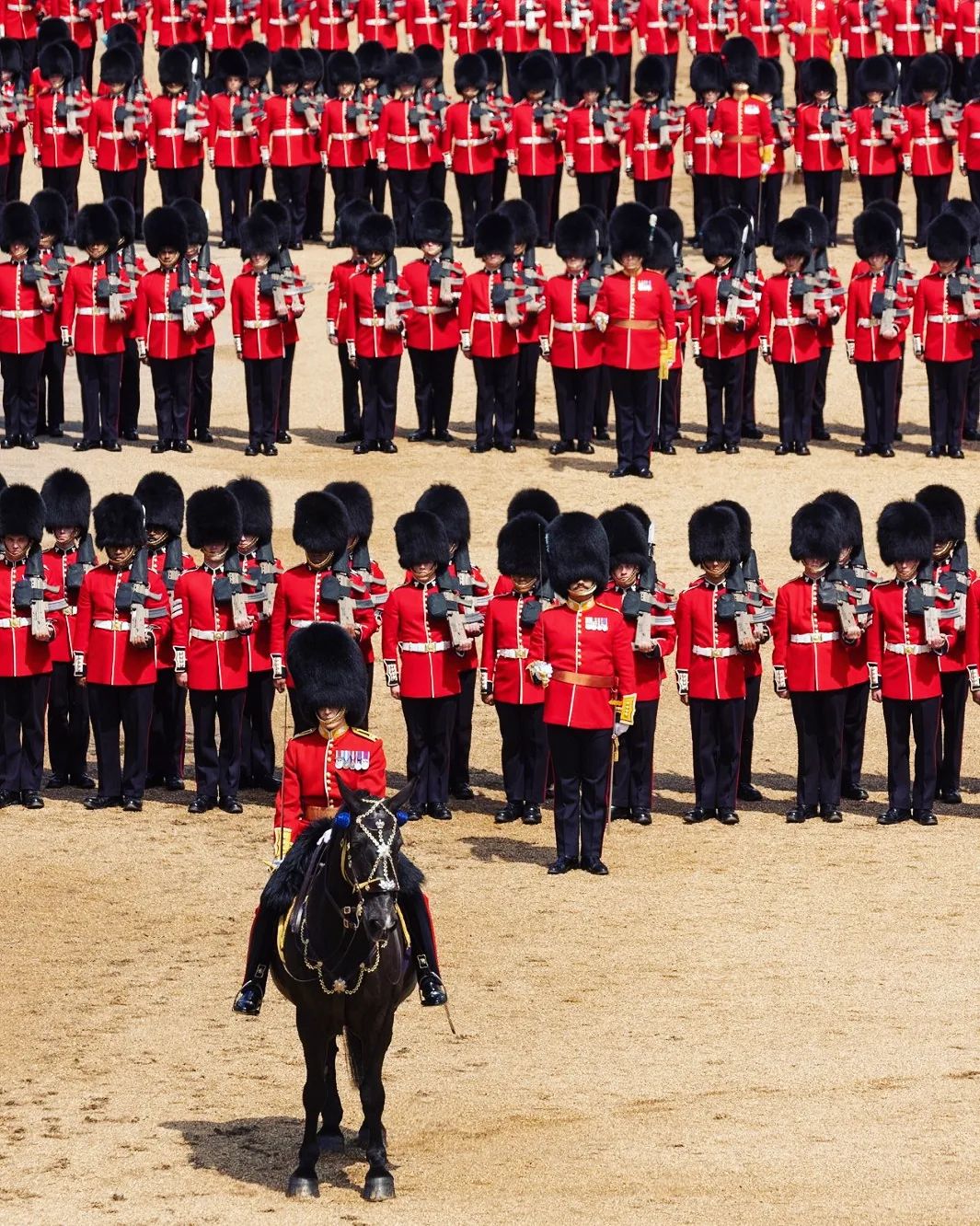
The British Army’s Irish Guards trooped their Colour at the first of several events commemorating Her Majesty The Queen’s Platinum Jubilee. / Image: The Royal Family
Some key figures from the 2020-2021 royal accounts:
£86.3 million – The total taxpayer-funded Sovereign Grant, made up of £51.8 million for the “core” funding and an extra £34.5 million for the reservicing of Buckingham Palace.
9.6% – Proportion of staff from ethnic minority backgrounds working for Buckingham Palace, compared to 8.5% in 2020-21. The target was 10%.
10.6% – Proportion of staff from ethnic minority backgrounds working for Clarence House.
13.6% – Proportion of staff from ethnic minority backgrounds working for Kensington Palace.
ADVERTISEMENT
£102.4 million – Official expenditure by the monarchy – a rise of £14.9 million or 17% from £87.5 million in 2020/2021.
£1.29 – Cost per person in the UK of funding the total Sovereign Grant.
£1.3 million– Cost of housekeeping and hospitality for the royal household – an increase of half a million or 55%.
491– Full-time equivalent staff paid for from the Sovereign Grant, with the wage bill coming to £23.7 million.
£63.9 million – Spending on property maintenance – up £14.4 million or 29% from £49.5 million in 2020-21.
ADVERTISEMENT
201 – Official engagements carried out by the Queen in the last financial year – 88 more than the 113 she undertook in 2020-2021 during the pandemic.
Almost 2,300 – Official engagements by the royals in the UK and overseas, compared to 1,470 last year.
£138,457 – Charles’s travel costs for trip to Barbados to mark country’s transition to a republic
£4.4 million – The Prince of Wales’s bill for the Cambridges’ activities, plus Charles’s other expenditure including his capital expenditure and transfer to reserves. Charles no longer pays for the Sussexes.
£1.2 million – Decrease in this bill over two years since 2019-2020 when Harry and Meghan were full-time working royals.
£23 million – Charles’s annual private income from the Duchy of Cornwall landed estate, up from £20.4 million in 2020-21.
Feature image – The Royal Family
News
Claire’s is closing down stores in the UK and Ireland with more than 1,300 jobs set to be lost
Danny Jones
In another hit to domestic shoppers, Claire’s Accessories is closing down en masse across the UK and Ireland after entering into administration once again.
Falling into an unfortunate financial status for the second time in less than a year, Claire’s will be shutting down all of their standalone stores across Britain, along with their IE branches.
A total of 154 stores will soon disappear, with more than a thousand people set to be put out of work.
Once a mainstay of British high streets up and down the country, the accessory shop known for all things jewellery, piercings and more has ceased trading effective immediately.
Announced at the start of the week and the end of the first full month of Q2, it was confirmed that Claire’s closed their final locations on Monday, 27 April.
With administrators, Kroll, appointed to wrap up business proceedings, an estimated 1,300 English, Irish, Scottish and Welsh workers have now lost their jobs.
Founded way back in 1961 over in the United States, Claire’s has operated across the Atlantic for more than three decades.
However, with various other contemporaries and cheaper online options having appeared over the years, they’ve struggled not just to remain profitable but to compete full stop.
They most recently filed for bankruptcy in the US this past August (2025), with their Belgian, Spanish, and Dutch divisions having already called it quits.
Manchester location(s) have changed a lot over time, but now they’re on the way out (Credit: Arndale)
For many, the outcome isn’t all that surprising, but it will nevertheless be a sad loss for many who have seen multiple generations visit these venues over the years.
Manchester Storm announce return to AO Arena after nearly two and a half decades
Danny Jones
In a huge bit of regional sporting news, Manchester Storm have announced they will be coming home to the AO Arena after nearly two and a half decades away from the iconic venue.
Massive news for Manc ice hockey followers and local sports fans in general.
Revealing the long-awaited return after 24 long years away from the place where Manchester’s native hockey team first began its story, the team, AO figures, and even some fans were part of a special announcement event inside the 20,000-seater stadium this week.
Confirming the news on Monday, 27 April, MCR Storm will be back playing at the AO Arena later this year – just in time for the start of the 2026/27 campaign.
— Manchester Storm | #TakeShelter (@Mcr_Storm) April 27, 2026
As detailed in a full press release from the Greater Manchester club, they are seemingly marking a milestone moment in their next chapter by going back to their roots.
It goes on to read: “Founded back in 1995 as a tenant of the then newly-opened Manchester Arena, the original Manchester Storm quickly became one of British ice hockey’s most iconic teams.
“In their inaugural season, the Storm secured the First Division championship before becoming founding members of the Ice Hockey Superleague in 1996.”
Coming somewhat full circle more than a generation later (Storm having made it to the play-off finals of the modern Elite Ice Hockey League era this April for the first time in their history), they have made one-off returns to the storied space in recent times.
However, many supporters have been waiting for a fully fledged return for some time now; equally, others are understandably sad to pay a bittersweet goodbye to the ‘Storm Shelter’ over in Altrincham, with the building having already pulled licensing for next year.
They have been at the Planet Ice rink for over a decade now, and the company itself have even issued a lengthy response following the departure – namely noting the issue of communication, clarity and fair notice. Nevertheless, for the vast majority, this felt like a long-overdue comeback.
With an ex-player turned head coach and all-round club legend, Cam Critchlow, having also signed on for another campaign behind the bench, it’s been a busy week in and around the organisation.
Representing the Manchester Storm ownership group, former coach Ryan Finnerty and partner Emma said in a joint statement: “This is a major milestone for our partnership group and a vision we’ve worked towards for some time.
Returning Manchester Storm to the AO Arena is a proud moment for everyone involved. It’s about giving our fans a premier stage in the heart of the city and delivering an outstanding live experience.
“Together with our leadership team and Canadian partners, our ambition is clear — not just to compete, but to lead in the Elite Ice Hockey League and beyond. This marks the start of an exciting new era for the club. Manchester Storm is coming home.
“Today marks a hugely exciting and significant moment for both the Manchester Storm and the Elite League”. The EIHL themselves have also celebrated the news, adding that they feel it reflects “the scale and ambition of the league”.
Are you happy to see them setting up shop at the AO Arena once again? Better still, do you remember going there to watch games the first time around? Let us know down in the comments.