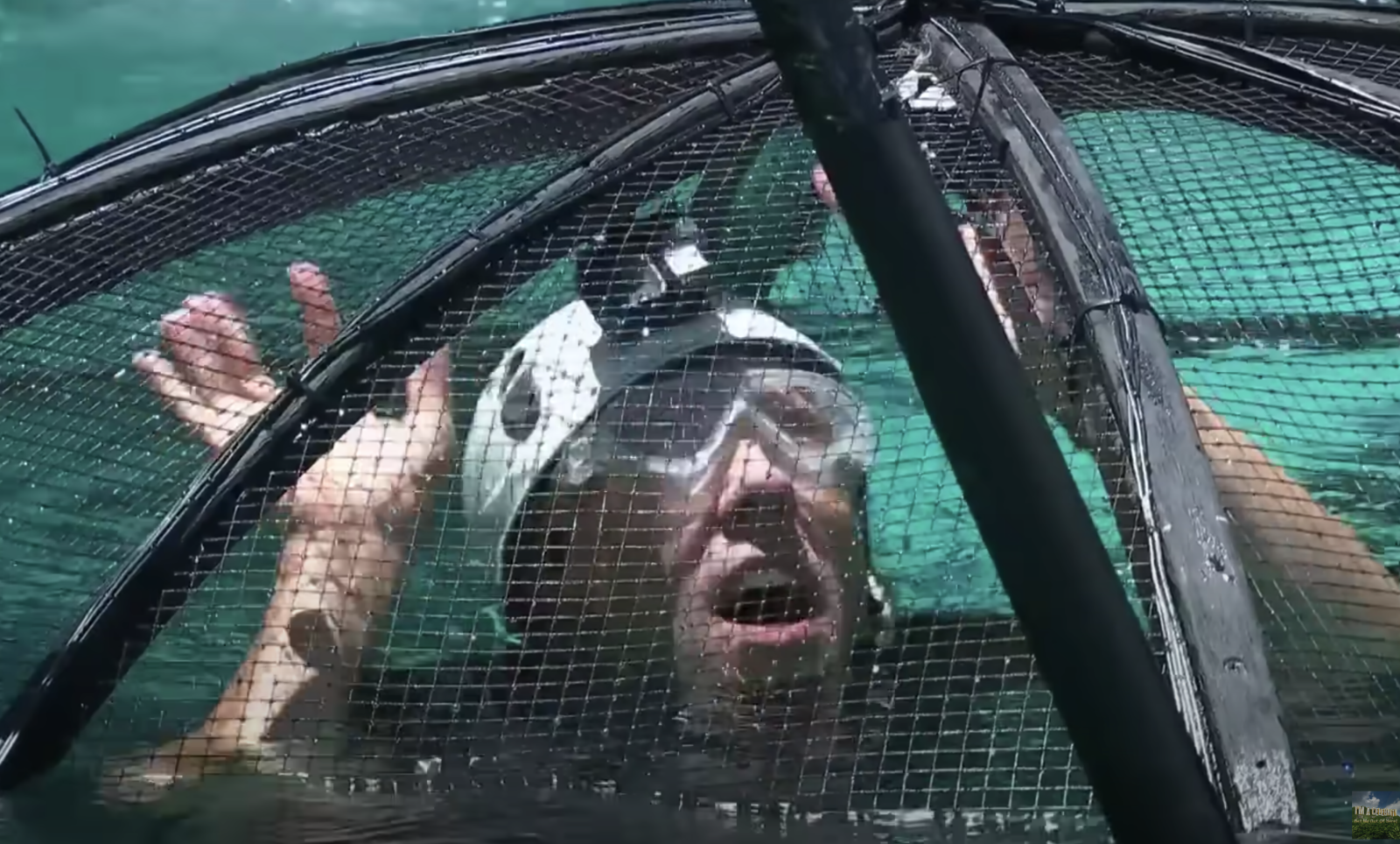
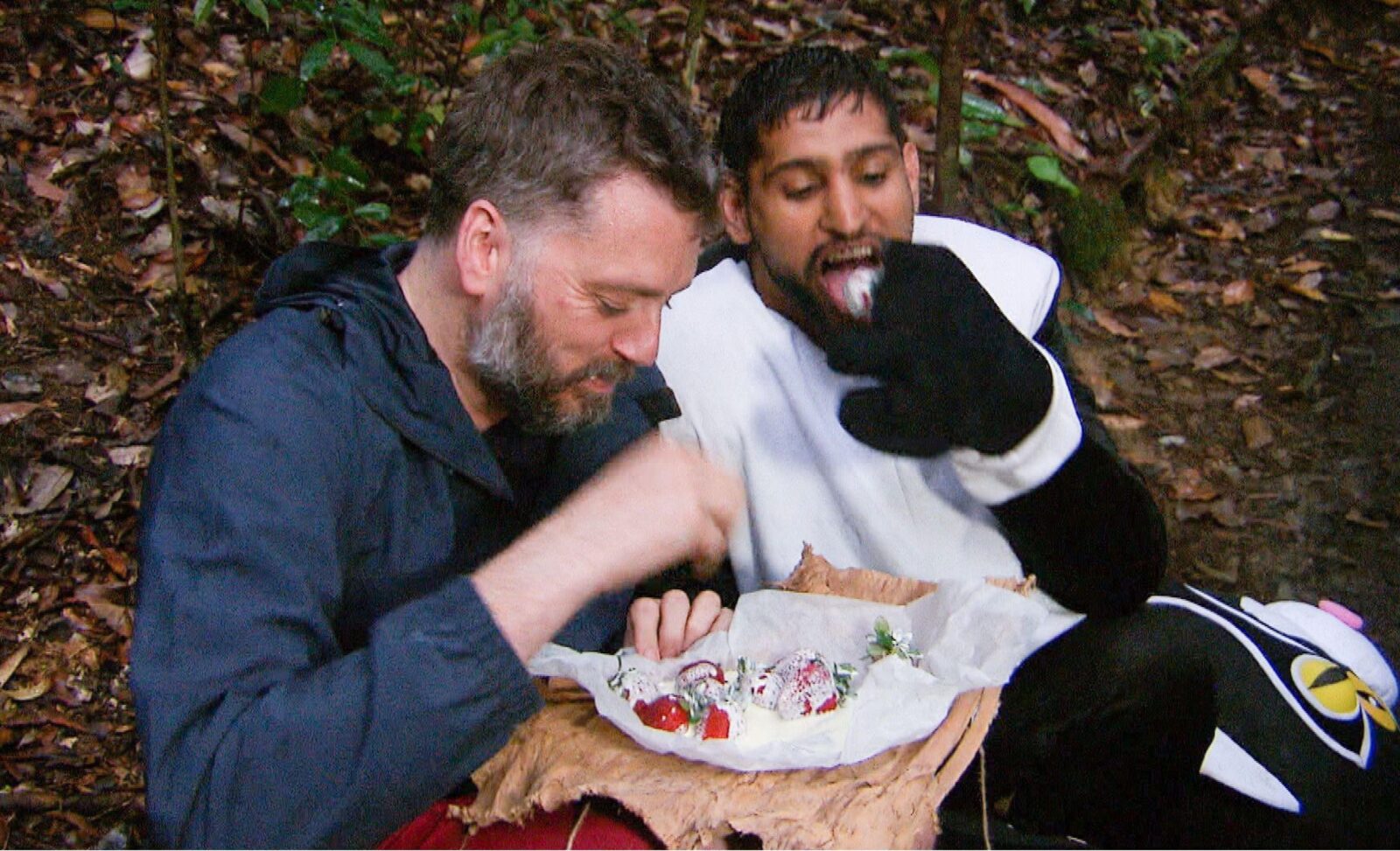
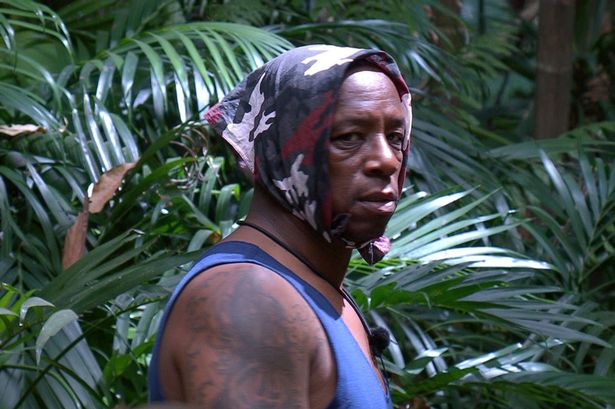
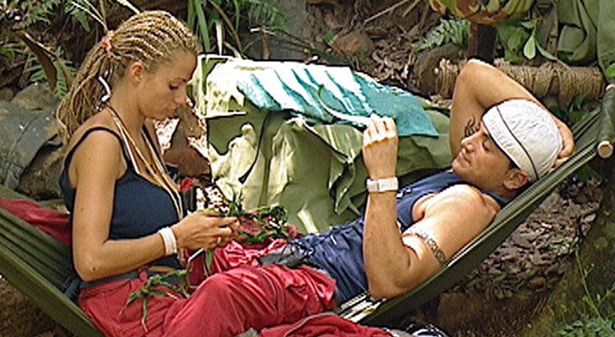
Over the years, I’m a Celebrity… Get Me Out Of Here has pulled in some pretty famous contestants (as well as some… less famous contestants).
This year alone, that includes actual popstar Boy George, actual member of the royal family Mike Tindall, and actual disgraced politician Matt Hancock.
In previous years, there’s been Caitlyn Jenner – part of the multi-billion-dollar Kardashian-Jenner clan – as well as reality TV icon Gemma Collins, Olympic hero Mo Farah, and football legend Harry Redknapp.
That’s not to mention the stars who created some of the ITV show’s most memorable TV moments, like Myleene Klass, Katie Price, Paul Burrell and Gillian McKeith.
You’d expect those names to pull in some pretty hefty fees – but some of the highest-paid contestants in I’m A Celebrity history are probably not who you’re expecting.
ADVERTISEMENT
This is a reported ranking of the highest-paid I’m A Celebrity contestants of all time, compiled by The Tab.
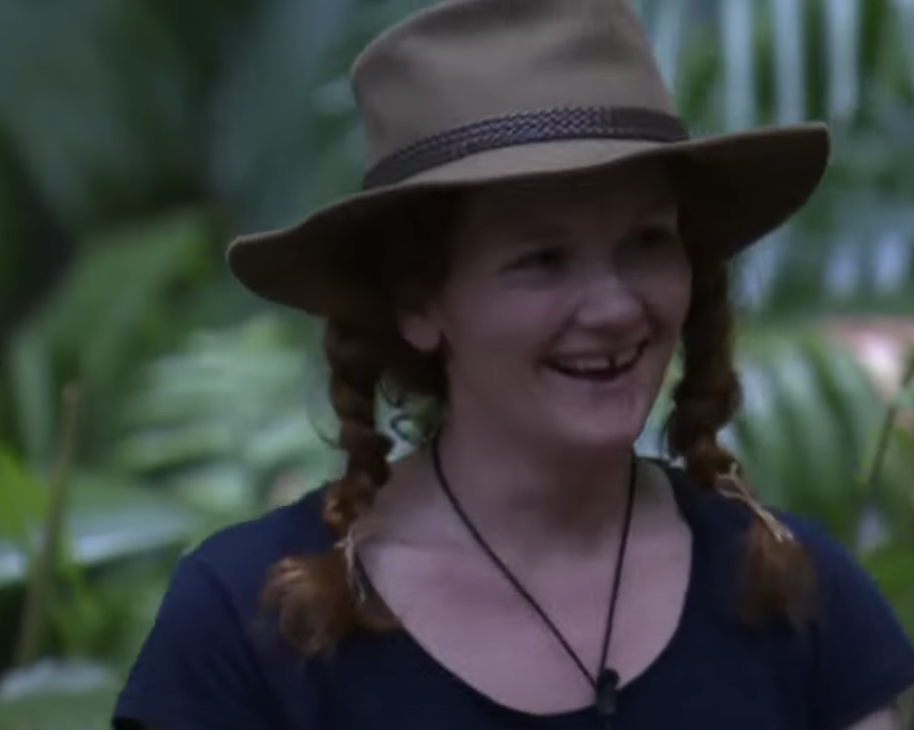
Jennie McAlpine – £250k
N’aww, lovely Jennie McAlpine off Coronation Street has made the list of the highest-paid I’m A Celebrity contestants.
ADVERTISEMENT
She’s the only soap star to make the cut as well.
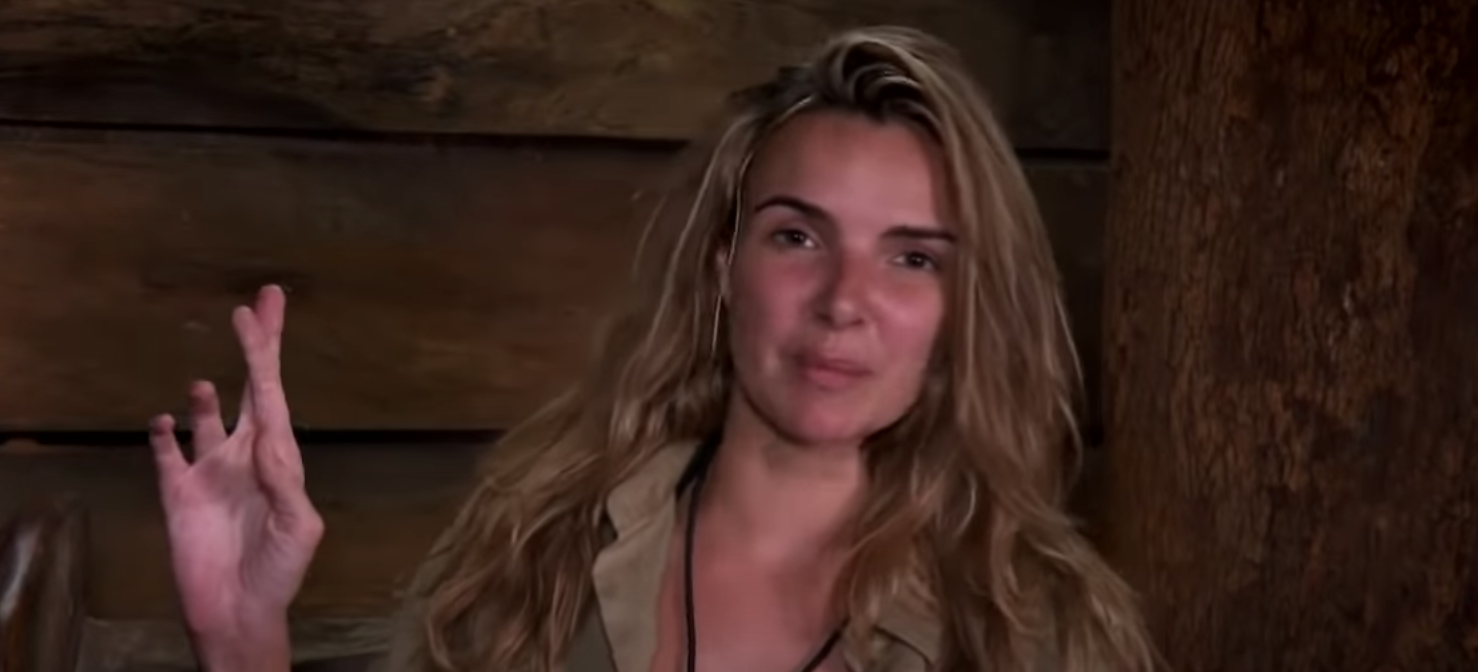
Nadine Coyle – £250k
Ah yes, that lying-about-her-age, going-viral-for-having-a-Derry-accent beauty Nadine Coyle pulled in a hefty fee for her time in the jungle.
The former Girls Aloud star is believed to have made almost a quarter of a million pounds for her stint, which saw her finish in fifth place.
ADVERTISEMENT
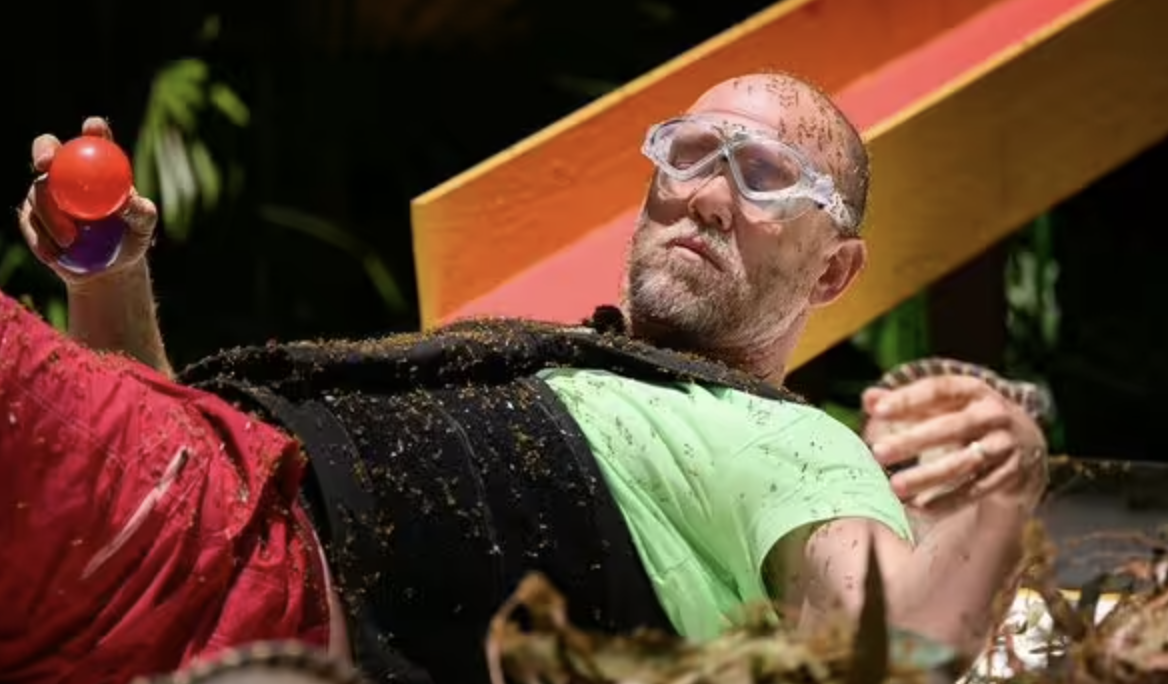
Mike Tindall – £265k
Not only is Mike Tindall British sporting royalty thanks to his rugby background, but he’s also actual royalty, given that he’s married to Zara Phillips.
He’s been a firm fan favourite so far this year and ITV bosses have probably agreed he’s been worth every penny.
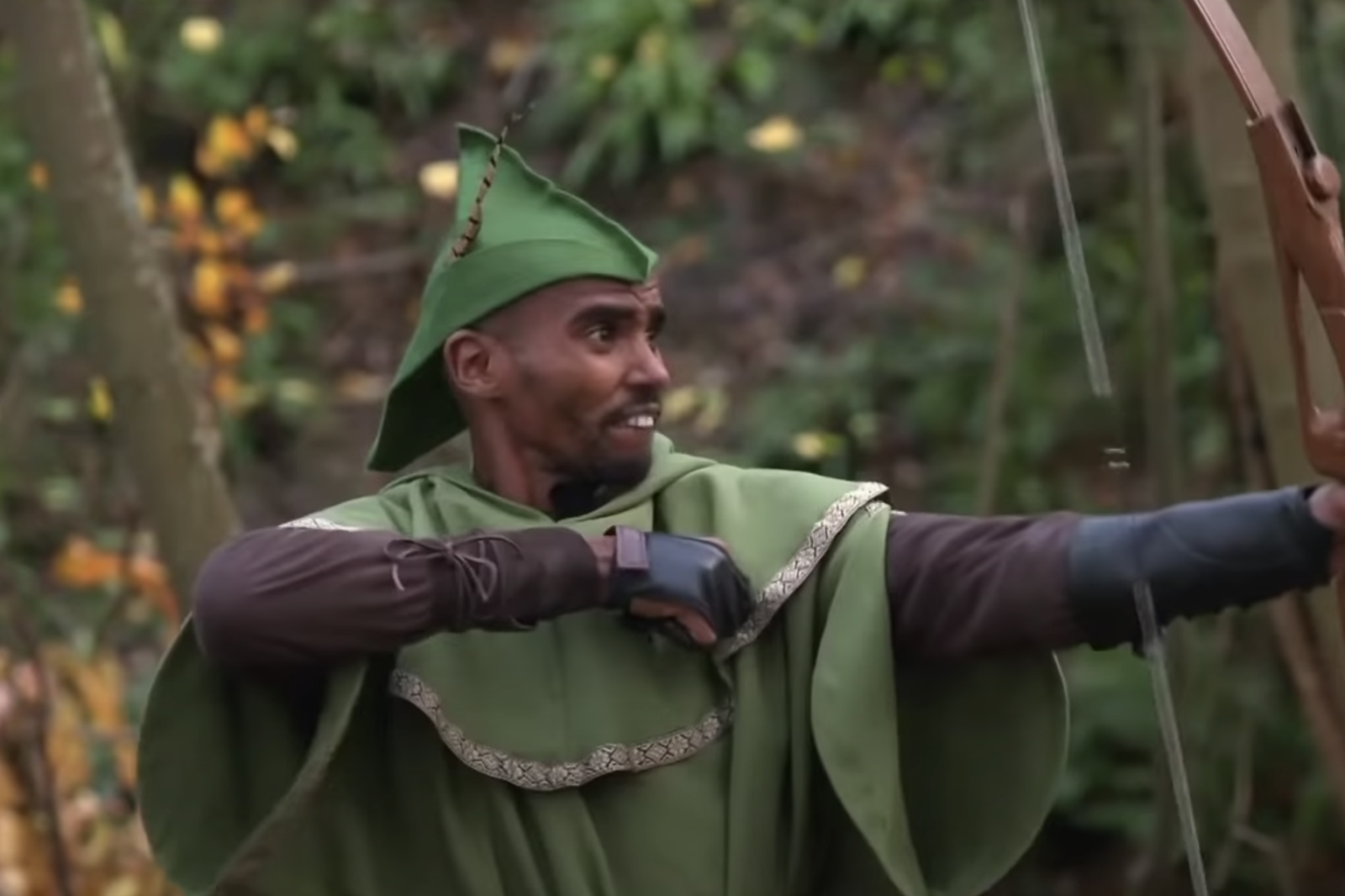
Mo Farah – £300k
Sir Mo Farah was one of I’m A Celebrity’s most endearing contestants of all time, and everyone – both at home and in the series – loved him.
For his time in the Welsh castle (ah, Covid times), it’s reported he was paid £300k.
Matt Hancock – £400k
Eugh, this the contentious one. Matt Hancock, the disgraced MP who was caught breaking his own lockdown restrictions to have an affair with an aide, and who handed out Government contracts to his own contacts, landed in the jungle on this year’s series – and has promptly been voted in to do every single trial.
ADVERTISEMENT
It’s been claimed he’s been paid £400k, which might come in handy given that he’s been suspended from his day job.
This one’s not that surprising, given the huge sums that boxers as successful as Amir Khan can bring in for a single fight.
The Bolton-born Olympian commanded quite a big fee from ITV.
Ian Wright – £400k
There was a bit of tension surrounding Ian Wright’s appearance on I’m A Celebrity, with the star accused of bullying Andrew Maxwell.
ADVERTISEMENT
But overall he was pretty entertaining (even with the mood swings) and he pulled in a cool £400k. Series 19 was expensive.
Katie Price – £450k
Katie Price is so synonymous with I’m A Celebrity that she’s actually been a contestant twice – and her romance with pop star Peter Andre blossomed on the show back in 2003.
Her second visit to the jungle in 2009 it cost ITV £450k.
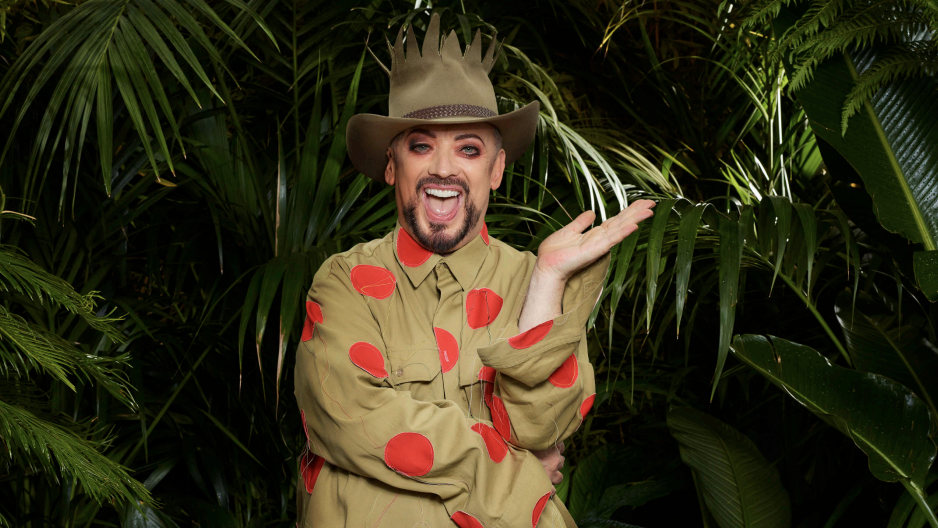
Boy George – £500k
Boy George will head into the I’m A Celeb jungle. Credit: ITV
It’s still pretty wild to see Boy George, arguably one of the most-recognised and famous pop stars of all time, in the Australian jungle eating out of a metal tray.
But here we are, and the Karma Chameleon singer is still living the bug-filled dream as we type.
ADVERTISEMENT
Harry Redknapp – £500k
Harry Redknapp was crowned King of the Jungle back in 2018, and he probably felt like he needed it after how much he missed his food back home (honestly, it was all he talked about).
He beat the much-loved Emily Atack to the crown, who went on to co-present the spin-off series Extra Camp.
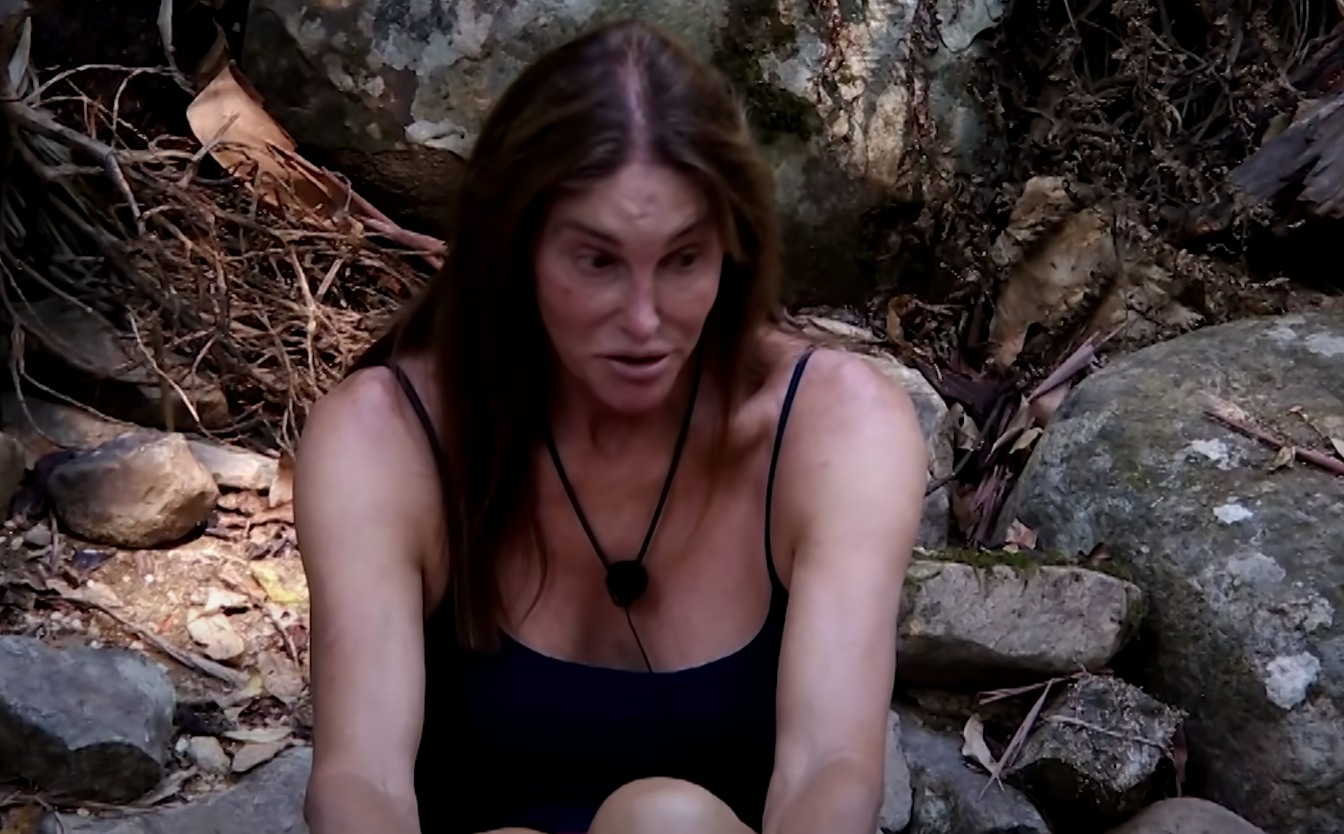
Caitlyn Jenner – £500k
Can you actually believe this happened? Imagine any other member of the Kardashain-Jenner clan rocking up in the khaki shirt and red gilet (okay, except Rob, that wouldn’t be quite so shocking).
But Olympic hero Caitlyn Jenner made quite a splash when she was announced as a campmate, and struck up some unlikely friendships with British reality stars.
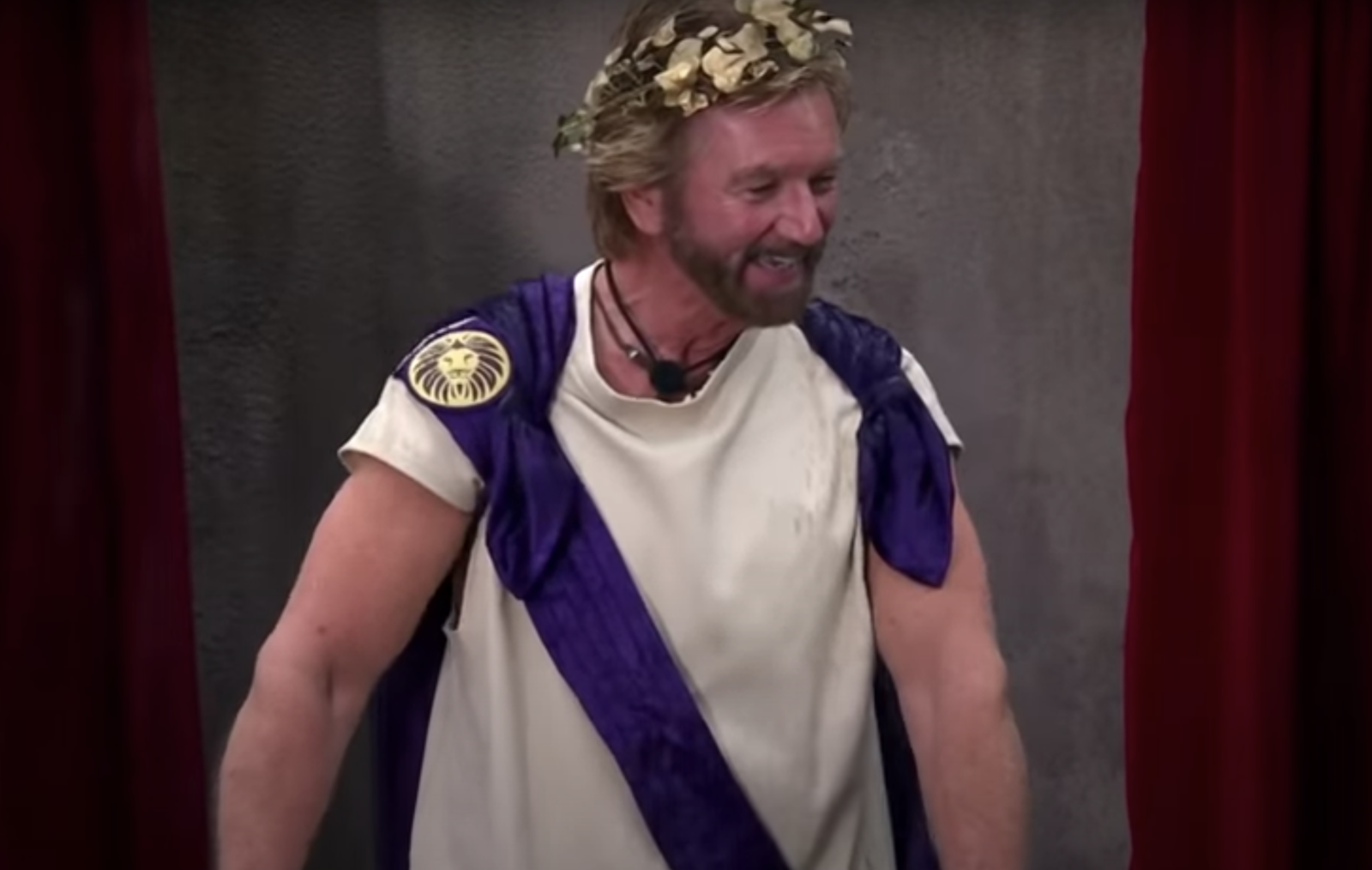
Noel Edmonds – £600k
Noel Edmonds. Noel makes-pretend-phone-calls-to-a-‘banker’, is-mates-with-a-giant-pink-blob Edmonds. That’s who got paid the most money of all time.
ADVERTISEMENT
He was parachuted into the jungle several days late, then got voted out first. He did just nine days for his £600k fee.
Nice work if you can get it.
Featured image: ITV
News
Hundreds of staff at four Greater Manchester hospitals to strike AGAIN next week
Emily Sergeant
Another round of strikes has been called at a handful of major Greater Manchester hospitals.
Amid ongoing disputes following the first set of strikes at the end of last month, it has now been announced that more than 350 Northern Care Alliance Foundation Trust (NCA) employees – including nurses, clinical support workers and housekeepers – who are members of the union UNISON will once again walk out for three days next week.
According to the union, the dispute centres on the NCA’s use of an outside agency called NHS Professionals (NHSP) to manage overtime.
When covering staff shortages, workers are entitled to time-and-a-half pay – however in some cases, staff earn less than they would on a normal shift, and some have even been missing out on more than £80 per shift, the union added.
Operating theatre staff were previously on picket lines in June, and although an option to resolve the row was initially tabled by NCA bosses, this has now fallen through.
Hundreds of staff at four of Greater Manchester’s hospitals are set to strike next week / Credit: Stephen Andrews (via Unsplash)
This means that staff at Salford Royal Hospital, Royal Oldham Hospital, Rochdale Infirmary, and Fairfield Hospital in Bury are walking out next week on Monday 14, Tuesday 15, and Thursday 17 September.
The union’s North West regional organiser, Kevin Dolan, said the trust had given ‘no indication’ that it’s willing to re-enter negotiations, adding that operating theatre services were ‘chronically under-staffed’ and staff were choosing to work extra shifts to cover shortages.
Ahead of the August strikes, the trust declared a critical incident to help it secure extra support and keep urgent surgery running, while also announcing that some procedures would have to be postponed.
Understandably, some disruption is expected at each of the hospitals on strike days.
But Gertie Nic Philib, who is the chief people and strategy officer at the Northern Care Alliance, said that the trust will do ‘everything we can to minimise the impact on patients’ and ‘maintain high standards of care and quality at all times.’
“We also have contingency plans in place for emergency situations,” they concluded.
Featured Image – Pxhere
News
Stockport man jailed for life after kidnapping and sexually assaulting teenage girl
Emily Sergeant
A Stockport man has been sentenced to life in prison after kidnapping and sexually assaulting a teenage girl on her way home from the library.
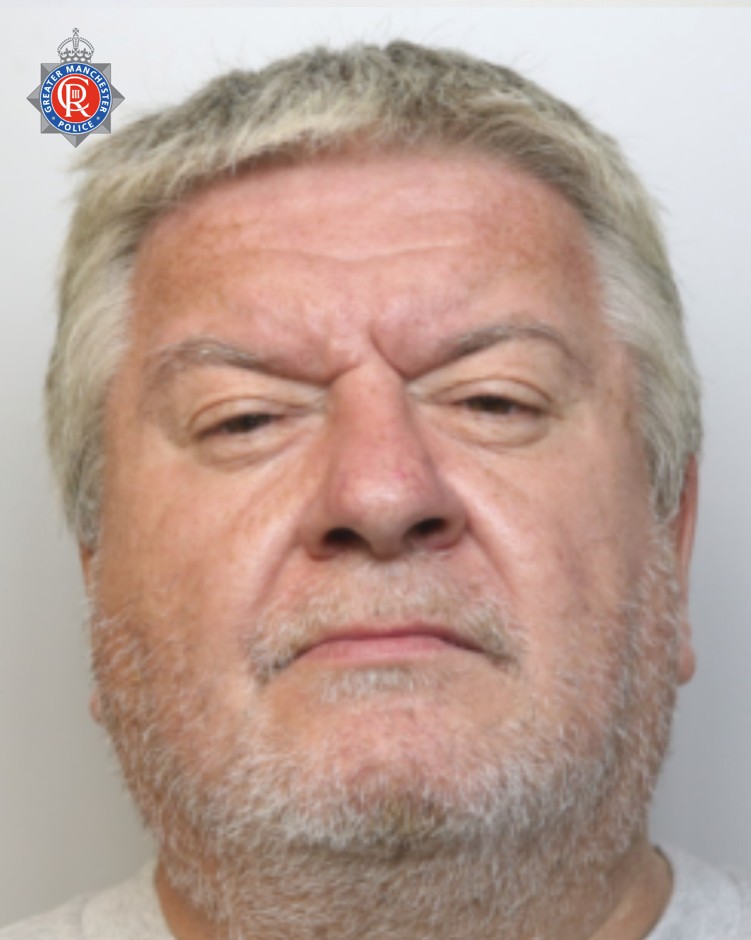
Paul Sharpe has been sentenced to life imprisonment with an eight-year minimum term in prison after being convicted of a number of offences when subjected a teenage girl to what police called a ‘terrifying ordeal’ that lasted several hours back in May 2026.
Greater Manchester Police (GMP) confirmed that the victim had been studying at Sale Library before beginning her journey home with friends at around 5:50pm and contacting her parents at 6:10pm to let them know she was on her way.
Twenty minutes later, she spoke to her boyfriend on the phone and said she was approximately five minutes away from home, but that her phone battery was about to die.
This was the last contact received from the victim that evening.
While walking along Bradgate Road in Altrincham, the victim noticed a grey Ford parked nearby and a man wearing a high-visibility jacket pressing doorbells in the area.
As she walked past, Sharpe approached her from behind, placed her in a headlock and threatened to stab her if she did not get into his vehicle.
Concerned that their daughter had not returned home, the victim’s family contacted police at 9:22pm to report her missing, and officers immediately launched an investigation to locate her.
Over the next several hours, the victim was subjected to and placed in a number of terrifying situations.
Sharpe drove the victim to several locations across Greater Manchester and Cheshire, before police located and arrested him at around 3:40am on 19 May 2026.
Following his arrested, 56-year-old Sharpe was convicted of kidnap, committing an offence with intent to commit a sexual offence, sexual assault, engaging in sexual activity in the presence of a child, threats with a bladed article, and administering a noxious substance with intent to injure, annoy or aggrieve.
“This was a terrifying ordeal for a young girl who was simply making her way home,” explained Detective Inspector Karl Perry, from GMP’s Criminal Investigation Department.
“Sharpe targeted a vulnerable victim, subjected her to hours of fear and intimidation, and went on to sexually assault her.
“The victim has shown immense courage throughout the investigation and court proceedings. Through her bravery and actions, she no doubt made it harder for Sharpe to carry out whatever acts he had planned.”

 Daisy Jackson -
18th November 2022
Daisy Jackson -
18th November 2022