Tier 3 restrictions come into force in Greater Manchester today. Here’s what you can and can’t do.
But with Tier 3 restrictions imminent, Greater Manchester residents are now determining what they can and cannot do once new measures become law at 00.01 BST.
Greater Manchester has officially moved into Tier 3 today – with the toughest measures being imposed on the region at 00.01 BST on October 23.
Mayor of Greater Manchester Andy Burnham and his local leaders have dedicated the past two weeks to fighting the government for an improved financial package for the region – which is being recategorised in the ‘very high’ risk alert level.
Greater Manchester MPs had previously refused to enter Tier 3 without more support, tabling several discussions with the government that all resulted in deadlocks or abandonment.
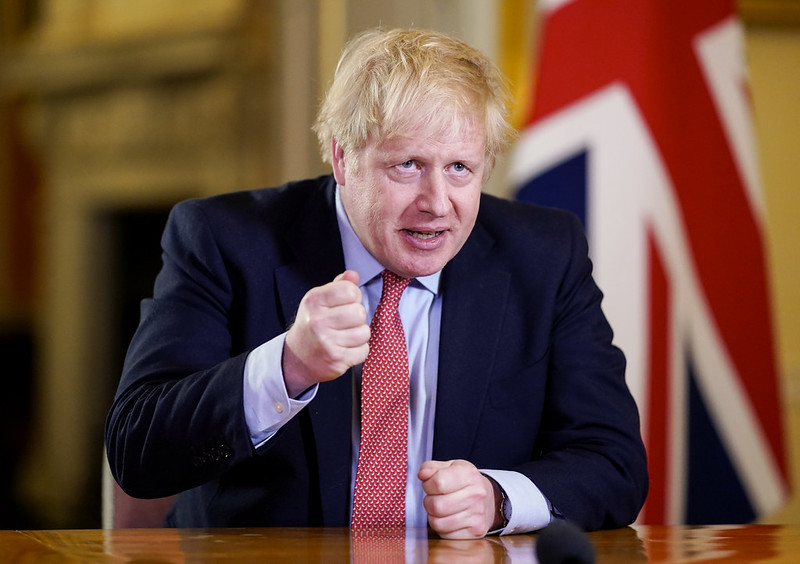
Prime Minister Boris Johnson confirmed that he would be forcing Greater Manchester into Tier 3 without a deal; but on Wednesday told the Commons he’d be giving the region £60m to distribute across all ten boroughs.
Now, with Tier 3 restrictions imminent, Greater Manchester residents are wondering what they can and cannot do once new measures become law at 00.01 BST.
ADVERTISEMENT
Here’s what you need to know.
Which areas are affected?
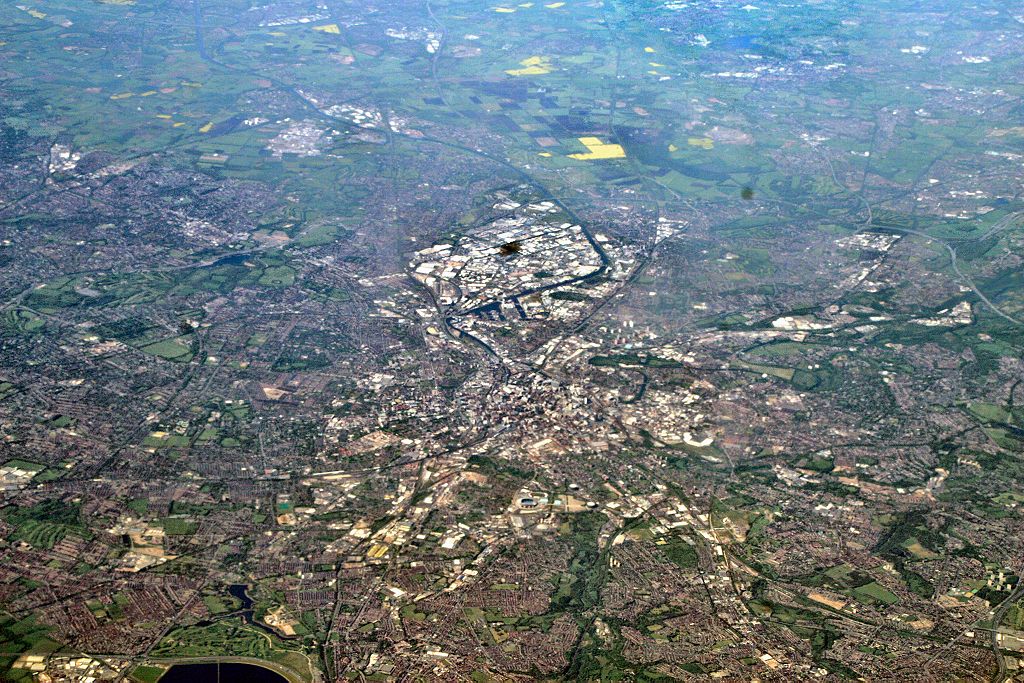
The measures cover every borough in the Greater Manchester area.
ADVERTISEMENT
After midnight tonight, Tier 3 restrictions will apply to:
Several types of businesses must shut under Tier 3 restrictions. These include:
Pubs and bars – according to the government, these venues “can only remain open where they operate as if they were a restaurant” ie serving substantial meals, like a main lunchtime or evening meal. They may only serve alcohol as part of such a meal.
Casinos
Bingo halls
Betting shops
Adult gaming centres
Soft play areas
All hospitality must stop trading at 10pm.
ADVERTISEMENT
Delivery, click and collect and drive-through services are allowed to continue after 10pm in Tier 3.
Hospitality venues in ports, on transport services and in motorway service areas do not need to close at 10pm, but must not serve alcohol after that time.
Currently, gyms, leisure centres, libraries, community centres and places of worship are set to remain open in Greater Manchester.
Can I meet with friends and family outside my household in Tier 3?
In Tier 3, there is a total ban on household mixing – indoors and outdoors in private gardens.
ADVERTISEMENT
There are exemptions for meeting one other adult in your ‘support bubble’.
However, you can continue to meet people you do not live with in groups of six or less in certain outdoor public spaces like parks, beaches, countryside, forests, public gardens, allotments, outdoor sports courts and facilities, and playgrounds.
The government has warned that meeting in larger groups carries the risk of big penalties – including £200 for a first offence, doubling for further offences up to a maximum of £6,400.
Anyone found involved in organising an illegal gathering of over 30 people can be fined £10,000.
The government has confirmed that weddings and civil partnership ceremonies can take place in COVID-secure settings or outdoors provided guests are restricted to 15 people.
Receptions are banned.
People living outside of Greater Manchester can travel into the area to attend a wedding, but they must not meet with another household in a private home or garden or stay overnight.
The government is strongly advising against travelling in and out of Greater Manchester whilst the region is under Tier 3 restrictions.
The official advice is for people to avoid the region where possible. If anyone needs to visit Greater Manchester, they should “reduce the number of journeys [they] make.”
Entering the region is still allowed for work/education purposes.
ADVERTISEMENT
Commuters are also being urged to walk or cycle if possible to reduce congestion on public transport.
Visitors are also being told not to meet people indoors or stay overnight in Greater Manchester.
Residents can travel to hotels and other guest accommodation within the region, but only with people in their households.
You can read the full list of Tier 3 restrictions for Greater Manchester on the government website.
News
Jewish leaders call for cancellation of huge Fontaines D.C. gigs in Heaton Park
Daisy Jackson
Jewish leaders have expressed ‘profound concerns’ regarding the two enormous Fontaines D.C. gigs taking place in Heaton Park next summer.
The Jewish Representative Council of Greater Manchester and Region has called for the shows to cancelled.
They said that ‘the safety of our community must be paramount’.
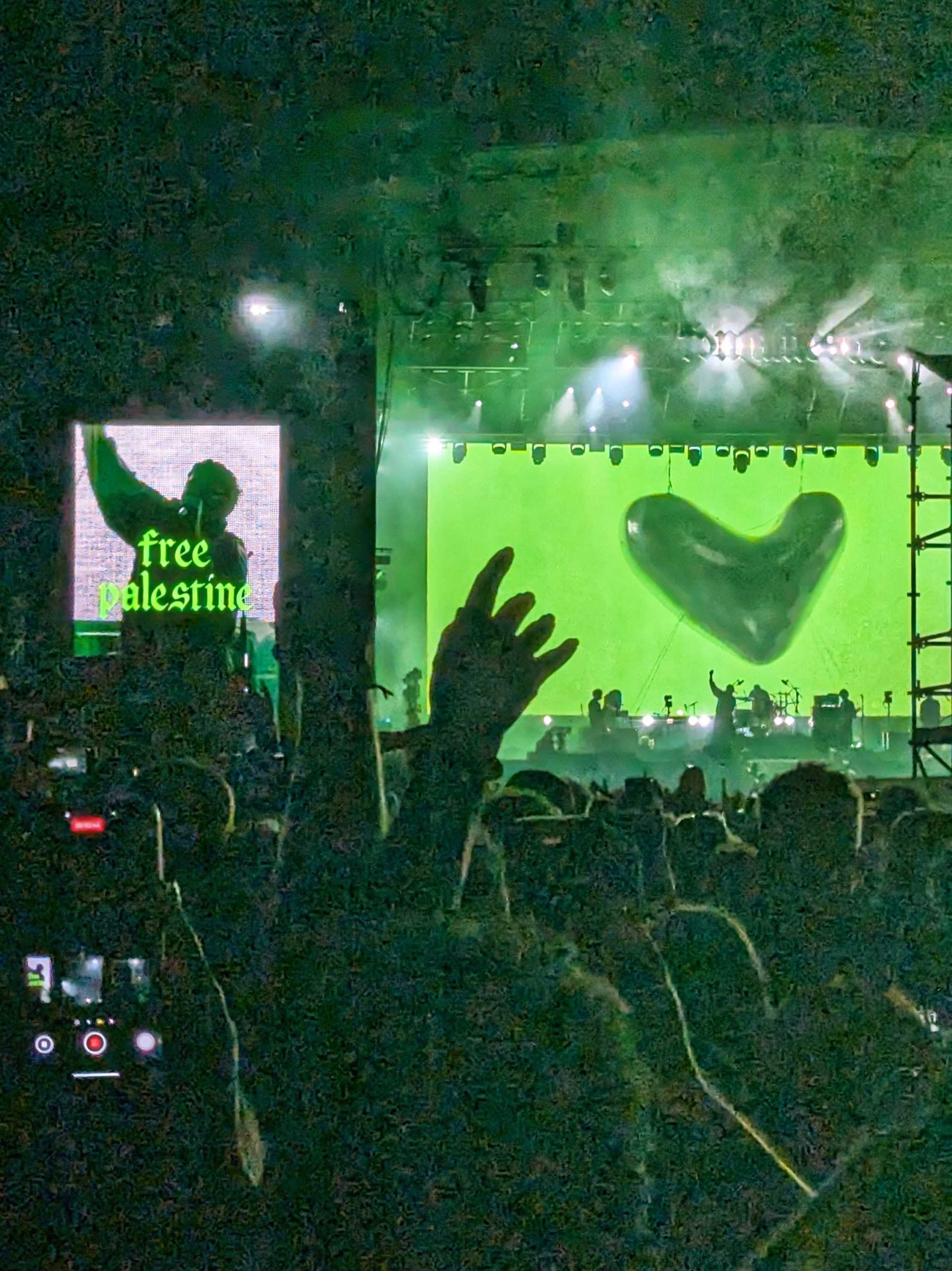
Irish rockers Fontaines D.C. have been outspoken at their concerts in the past in their support for Palestine, displaying ‘Free Palestine’ messaging on huge screens across the globe.
Now, the JRC has publicly expressed concerns about ‘the potential consequences of inflammatory rhetoric from the band’.
They added: “At a time of heightened antisemitism, the comments and chants associated with the band risks importing tensions from the Middle East into the UK, with Jewish people here becoming the targets.”
Fontaines D.C. are set to play two massive shows at Heaton Park next summer, on 3 and 4 July.
Manchester City Council has stressed that they will be working closely with members of the Jewish Representative Council as event management plans are developed, and added that ‘partners from the Council, emergency services including Greater Manchester Police (GMP), and event organisers, will comprehensively review the plans in place ahead the concerts’.
In a statement, the JRC said: “The JRC has registered our profound concerns with Manchester Council regarding Fontaines D.C.’s forthcoming concert at Heaton Park and has called for it to be cancelled.
“Despite our representations, it appears the concert will be going ahead. We expect and will be working with the council to ensure robust and adequate safeguards are in place to protect the Jewish community.
“We have no objection to Heaton Park hosting concerts.
“Our concerns are not about legitimate political expression but the potential consequences of inflammatory rhetoric from the band.
“At a time of heightened antisemitism, the comments and chants associated with the band risks importing tensions from the Middle East into the UK, with Jewish people here becoming the targets. The safety of our community must be paramount.”
A Manchester council spokesperson said: “We understand the very real concerns that members of our Jewish community have in the wake of the horrific antisemitic terrorist attack at Heaton Park Synagogue last year and a wider rise in antisemitism. Our thoughts remain not just with those who lost their lives and their loved ones but with the whole Jewish community.
“We stand shoulder to shoulder with them in saying there is no place for antisemitism or discrimination of any form in Manchester and continue to work with the police, communities and other partners to provide reassurance and support.
“On the specific concerns expressed by some members of the Jewish community in relation to the two Heaton Park concerts in summer 2027, addressing these concerns will be front and centre in preparations for these events. We have met recently with members of the Jewish Representative Council and will continue to work closely with them as we develop event management plans.
“Partners from the Council, emergency services including Greater Manchester Police (GMP), and event organisers, will comprehensively review the plans in place ahead the concerts. This is standard practice for all major events in the city and is there to ensure events take place safely and successfully.
“In advance of the concerts, as with any other large-scale events, a thorough risk assessment of every aspect of the event will be carried out, focused on ensuring the safety and security of the event, its attendees and the wider community.
“The organisers, City Council and GMP will put in place suitable and proportionate mitigations and assurances to make sure that the concerts are delivered in full compliance with the licensing conditions. Organisers would also be happy to meet with concerned parties to help address any concerns. They are clear that discrimination or intimidation, including antisemitism, have no place at their events.”
Police shut down suspected brothel in Oldham following concerns raised by locals
Emily Sergeant
Police have shut down what they believe to have been a brothel in Oldham during the early hours of this morning.
Following concerns raised by the local community and years of gathering intelligence, officers from Greater Manchester Police‘s (GMP) Oldham Neighbourhood Team executed a warrant at a premises on Broadway in Oldham earlier this morning (14 October 2026), as they believed it to be operating as a brothel.
The warrant was executed as a result of the unrelated arrest of a man believed to be connected to the business.
When police seized a mobile phone from the man, examination of the device uncovered evidence which provided them with grounds to suspect the premises was being used for the control of prostitution.
During the operation this morning, a woman in her 40s was found and spoken to by officers. Once safeguarding measures were put in place by GMP, she was subsequently arrested on suspicion of immigration-related offences and possession of Class A drugs.
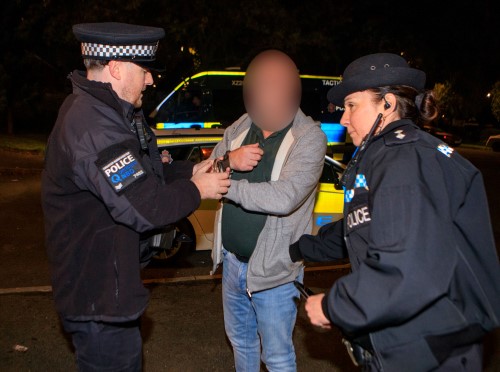
Police have shut down a suspected brothel in Oldham following concerns raised by locals / Credit: GMP
A man – who police believed to be the owner of the premises – was also arrested on suspicion of controlling prostitution for gain.
Officers seized a number of items from the address too, including cash and timesheets, as part of the ongoing investigation.
“The concerns surrounding this premises have been raised by local residents and businesses for a considerable period of time, and today’s action is the result of years of intelligence gathering and partnership working,” explained Police Sergeant Tom Layton.
“By securing a Closure Notice, we have been able to immediately disrupt the activities taking place at the premises and prevent further harm, nuisance and criminality while legal proceedings continue.
“Premises suspected of facilitating criminality can have a significant impact on those living and working nearby, causing nuisance and concern.
“We have listened to the concerns of the community and have taken robust action to address them.”
Neighbourhood Inspector Amie Whitehead added: “Our priority is always to identify and safeguard those who may be vulnerable while pursuing those suspected of criminal offences.
“We will continue to work tirelessly to target anyone who seeks to exploit others and to ensure Oldham remains a safe place for residents, businesses and visitors alike.”

 The Manc -
22nd October 2020
The Manc -
22nd October 2020