The Lake District Mountain Rescue Association has spoken out to issue an urgent warning to the public after two walkers from Manchester were rescued from Scafell Pike during a blizzard earlier this week.
The two fell walkers from Manchester, who were described as being “unprepared”, had to be rescued after getting lost on England’s highest mountain during a blizzard conditions and were eventually brought to safety in the early hours of Tuesday morning.
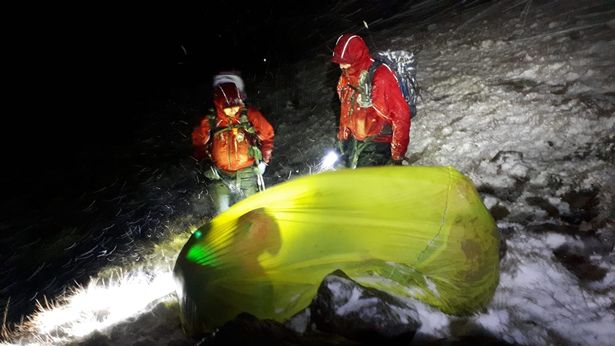
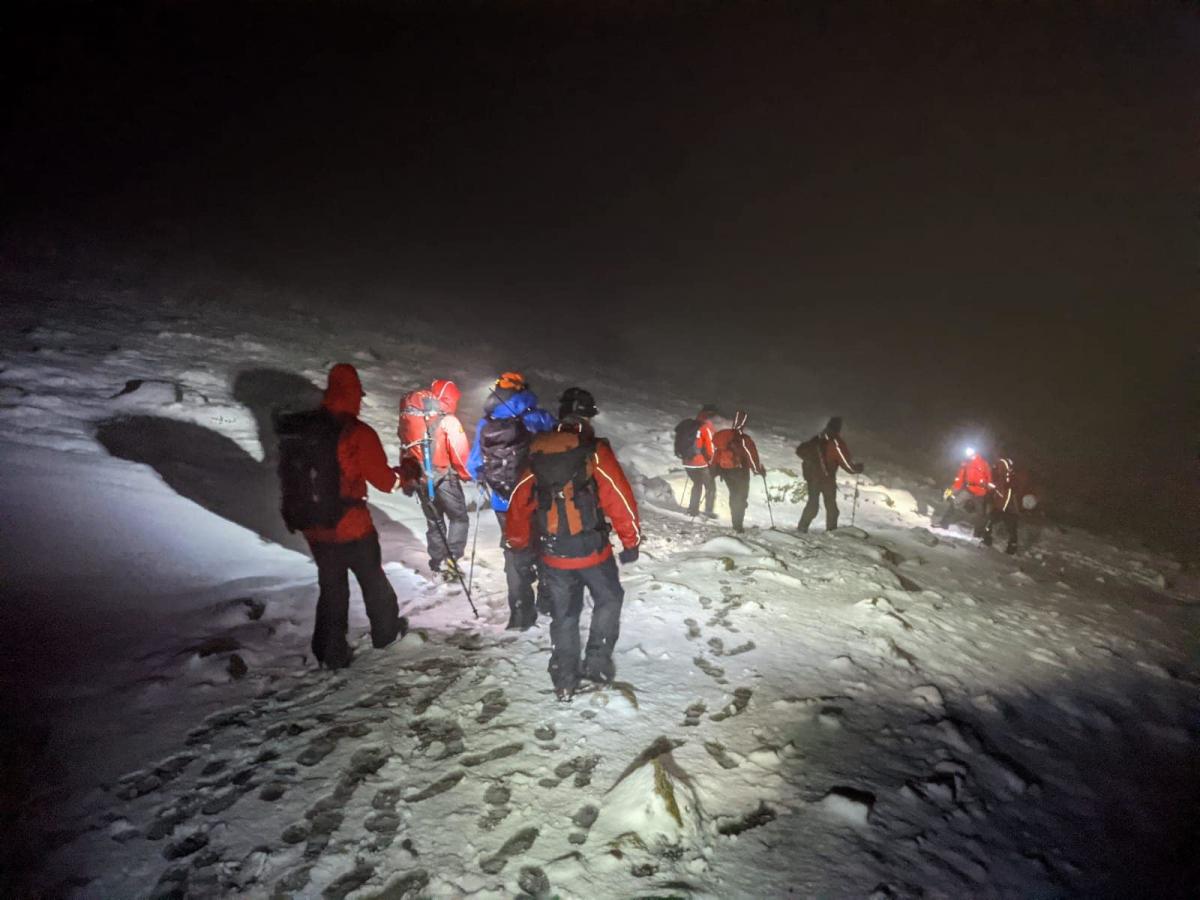
Mountain rescuers spent eight hours looking for the men on the Lake District fell, and warned that if they hadn’t been found, it’s likely they would have died.
Richard Warren – Chair of the Lake District Search and Mountain Rescue Association – was part of the rescue team, and explained to the MEN that: “The two lads from Manchester hadn’t done the preparation [as] they hadn’t got the right clothing, they had no waterproofs.
“It was blizzard conditions. They had no compass, no torches [and] they weren’t even sure where they had parked their car.
ADVERTISEMENT
“They were very grateful that we found them, but it was very lucky that we did [because] we had great difficulty contacting them on their mobile phone and if we hadn’t found them, they would have had to spend the night on the hill in sub-zero blizzard conditions and then it would have been a very serious, life-threatening situation.
“But we did what we always do and got them warm, put some waterproof clothing on them and took them back to the road where they got a taxi back to their car in Keswick.”
ADVERTISEMENT
Mountain rescuers spent eight hours looking for the men on the Lake District fell / Credit: Lake District Mountain Rescue Association
With cases such as this happening in significant numbers, the Lake District Mountain Rescue Association has urged day trippers to properly plan their walks after what was described as an “absolutely chaotic” Christmas period.
Richard Warren said his teams were called out a record 680 times in 2021, and the start of 2022 had been “just as busy”.
Mr Warren said there had been two callouts on Christmas Day in the Lake District, and there had been a “very sad end to the year” when a man died after a medical episode on Skiddaw on New Year’s Eve.
ADVERTISEMENT
In the first four days days of 2022, there were another 19 call-outs.
Mr Warren said lockdown has meant many inexperienced walkers are coming to The Lakes for the first time and heading to the fells without proper gear or knowledge, so rescue teams are now pleading with people to check weather forecasts and whether they have the right gear before they take to the mountains.
Rescue teams were called out a record 680 times in 2021, and the start of 2022 had been “just as busy” / Credit: Wasdale Mountain Rescue Team
“We are trying to get the message out about the importance of preparation,” Mr Warren said.
“A lot of rescues are avoidable because people get lost with no map, compass or torch [so] we really we want people to start thinking about what they are doing, when they are doing it and to check the weather.”
All Lake District rescue teams are manned by volunteers and rely on donations from the public.
ADVERTISEMENT
Mr Warren told the BBC that he was “extremely proud” of the all the volunteers at the 12 rescue teams in Cumbria, and also praised all those who make donations to keep the teams running – with about £750,000 a year needed across all the Cumbria teams.
“We do it unpaid,” he said.
“Mountain rescuers don’t want to be paid. They do it because they love the mountains and love helping people.”
Manchester Town Hall is FINALLY taking wedding and events bookings for the first time since 2018
Emily Sergeant
A new era is on the horizon, as Manchester Town Hall has announced that it’ll be finally taking bookings for weddings and events once again.
That’s right… for the first time since it closed its doors to the public for what is the UK’s biggest restoration project to date back in 2018, one of Manchester’s most iconic landmarks is soon set to welcome its first weddings and events in a decade – with bookings for the city’s most romantic address now open once again.
Manchester Town Hall has stood at the centre of civic life in the city since 1877, and for generations, couples have exchanged their vows within its walls.
Now, as it enters the home stretch of its restoration, the Grade I-listed building is gearing up to kickstart weddings and corporate events from January 2028.
Set reopen to the public next year, first up will be a series of celebratory reopening events – which are yet to be announced – before a phased approach will then allow the building and teams to be fully prepared to host commercial events again from 2028.
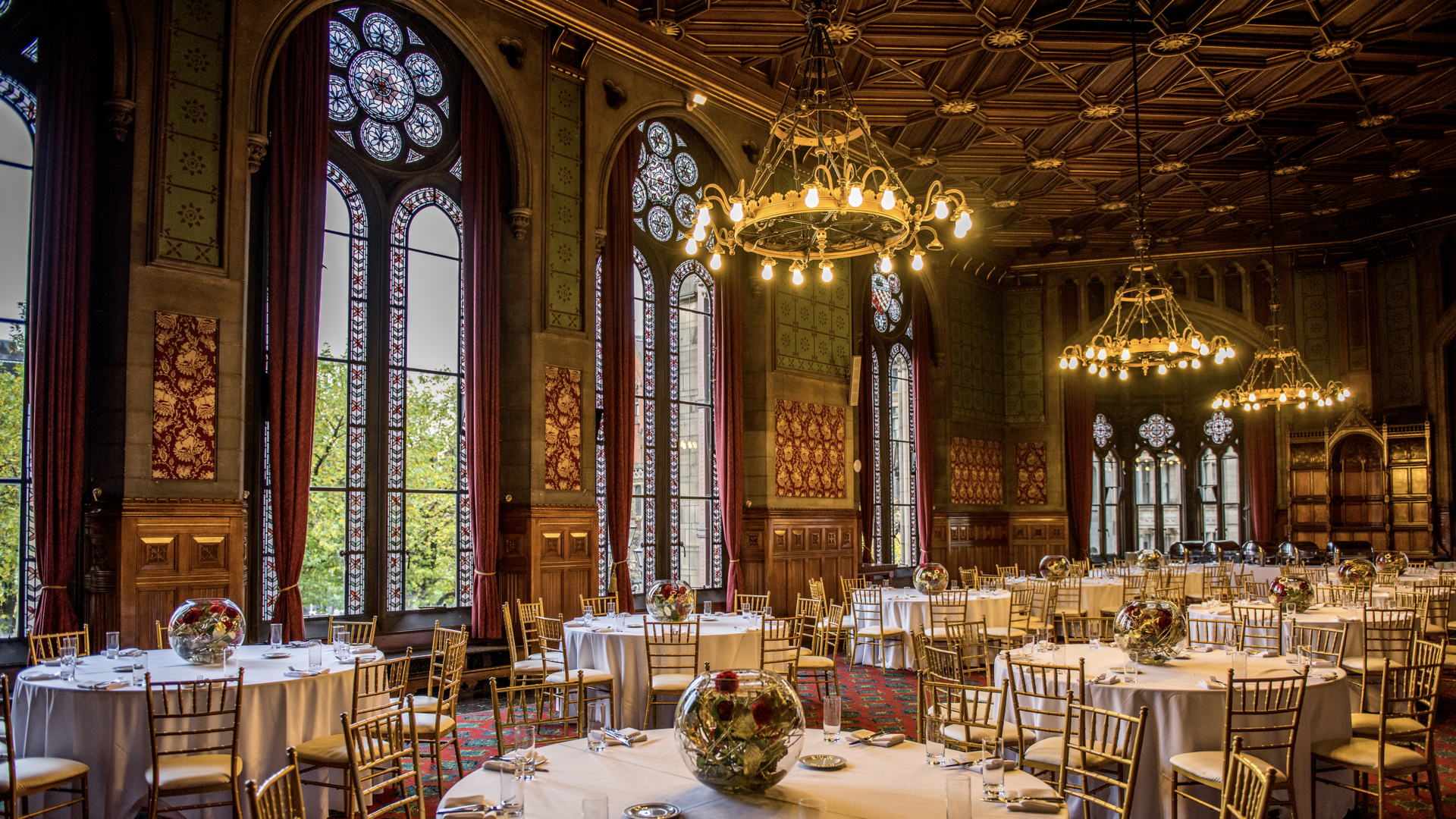
Manchester Town Hall has announced that it’s finally taking wedding and events bookings for the first time since 2018 / Credit: Supplied
From its grand architecture and soaring stained glass windows, to sweeping staircases that offer the perfect ‘just married’ photo opportunities, this one-of-a-kind venue gives couples the opportunity to combine the romance and grandeur of a historic setting with the energy of a city centre celebration.
Inside the restored building, you’ll find The Great Hall, which is a magnificent setting with striking architectural character, as well as The Conference Hall, The Banqueting Hall, and The Reception Room, all of which offer equally characterful spaces that are perfect for private dinners, ceremonies, or corporate events.
The Lord Mayor’s Parlour is one of many settings overlooking the newly reopened Albert Square, while various elegant reception areas provide the perfect location for drinks and arrival moments.
“Our Town Hall is a real Victorian masterpiece and we’re looking forward to sharing it with the public once again,” explained Cllr Garry Bridges, who is Leader of Manchester City Council, as bookings finally open up this week.
“It’s a special building which belongs to the people and it’s great that they will be able to celebrate important landmarks in their lives, such as marriage, in its spectacular setting.
“The Town Hall is full of history. Here’s to many more stories being written within its walls.”
Want to be one of the first people who gets married or hosts an event at Manchester Town Hall once it reopens in 2028? You can enquire about booking here.
Featured Image – Supplied
News
Bolton personal trainer charged with sexual offences relating to multiple women
Emily Sergeant
A personal trainer from Bolton has been charged with sexual offences relating to multiple women.
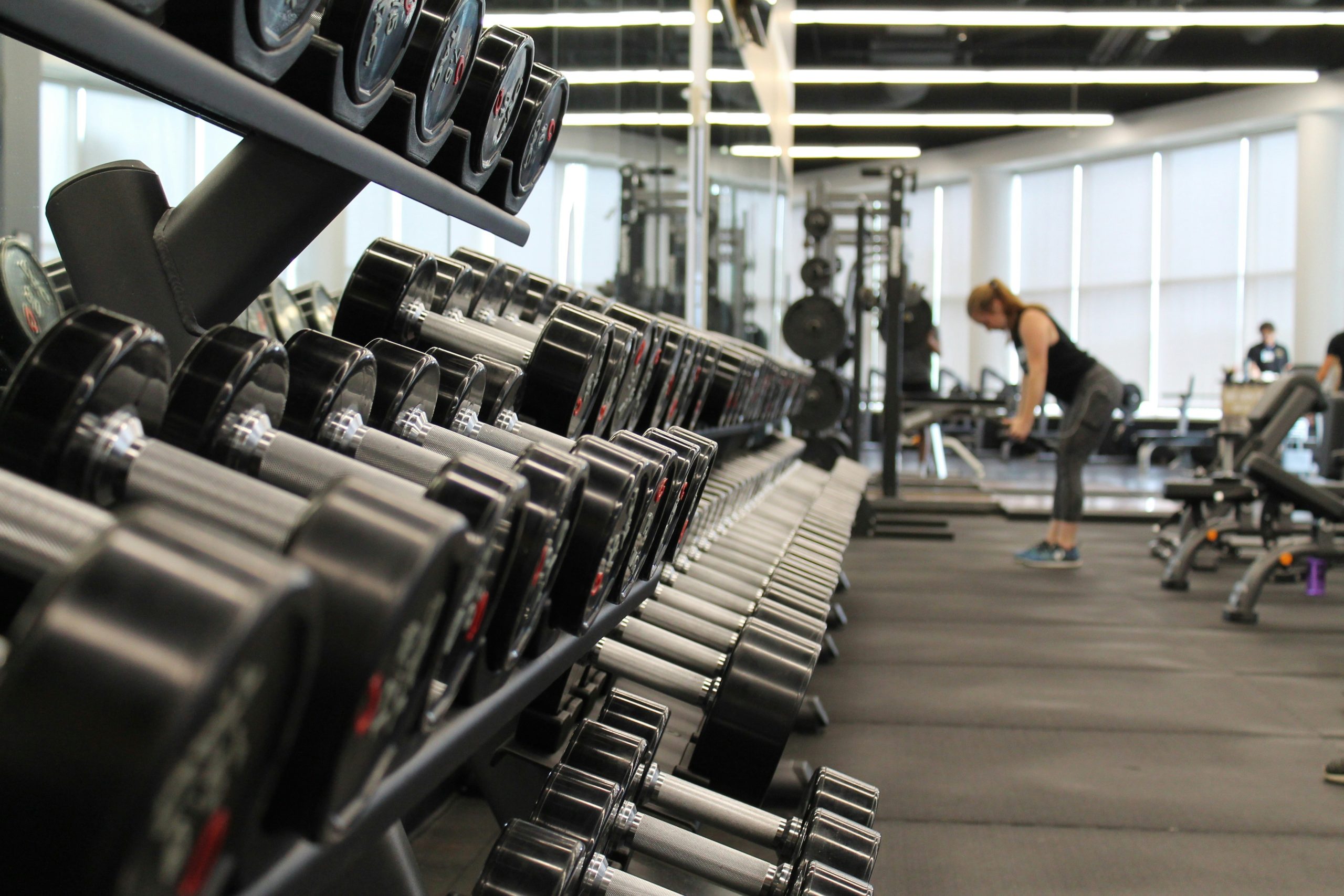
Following an extensive investigation into alleged crimes in the Bolton area, Greater Manchester Police (GMP) has confirmed that Payam Postchi, of Greenway Close in Bury, has been charged with one count of sexual assault by penetration, and two counts of sexual assault by touching.
The charges relate to three women, according to GMP.
Detective Chief Inspector Mike Sharples, from GMP’s Bolton district, explained: “Following an initial investigation by officers, we have secured three charges in relation to alleged sex offences committed at a business in the Bolton area.
“We understand that the nature of this kind of investigation may cause anxiety, but I want to stress that all appropriate work is being completed, with the women involved being supported throughout the process.”
Postchi, who is a British national of Iranian origin, appeared at Manchester and Salford Magistrates court yesterday (30 September 2026).
Detectives are now urging the public to ‘avoid speculation’ during active criminal proceedings, but are still appealing for any relevant information.
DCI Sharples concluded: “If anyone thinks they have any information or otherwise has concerns in relation to the case, I would urge them to come forward.
“Additionally, I would remind people that criminal proceedings are now active and to avoid speculation which could impact the ongoing work.”

 Emily Sergeant -
6th January 2022
Emily Sergeant -
6th January 2022