The national lockdown officially ends on December 2 – but it won’t be the grand reopening we’d all hoped for.
The government has confirmed the country will return to its tier structure – whereby each region will be assigned its own risk category depending on case rates and infection levels.
We’ve experienced a taste of the tier system before – prior to the second lockdown in November – when the country was divided into three categories: ‘Medium Alert’ (Tier 1), ‘High Alert’ (Tier 2), and ‘Very High Alert’ (Tier 3).
The premise is the same this time around, only the rules have become somewhat tougher.
99% of the country is being bundled into the strictest two categories – Tier 2 and Tier 3 – when the system is reinstated later this week.
ADVERTISEMENT
Greater Manchester is – at least for the time being – heading into Tier 3; which means continued social curbs and certain businesses staying shut.
So, what exactly are the rules for Tier 3 this time around? Here’s what you need to know.
ADVERTISEMENT
Will shops and businesses reopen in Tier 3 after lockdown?
In most circumstances, people in Tier 3 areas cannot meet anyone who is not in their household/bubble.
ADVERTISEMENT
The government states: “You must not meet socially indoors or in most outdoor places with anybody you do not live with, or who is not in your support bubble, this includes in any private garden or at most outdoor venues.”
The ‘Rule of Six’ applies in certain outdoor public spaces such as parks, beaches, countryside and public gardens.
Weddings can go ahead with 15 people in attendance.
Receptions are not allowed.
30 people can attend funeral ceremonies; 15 people can attend linked commemorative events.
What are the rules on sport in Tier 3?
Pixabay
Elite sport events can take place in Tier 3 – but no fans will be allowed to enter stadiums.
ADVERTISEMENT
Organised outdoor sport is allowed – but only outdoors.
The government has also stated that “higher-risk contact activity should not take place.”
Can I travel from Tier 3 to other areas?
You should not travel outside of a Tier 3 area if possible.
The government is urging people to avoid any movement between high tiers unless it is ‘necessary’ – such as travelling for work, education, youth services, to receive medical treatment, or for caring responsibilities.
Passing through Tier 3 areas as part of a longer journey is ok.
More information on local COVID restrictions and the tier system is available on the government website.
News
Pussycat Dolls at Co-op Live – tickets, times and more for UK tour
Thomas Melia
American girl group Pussycat Dolls have reunited for a UK tour, stopping off at Co-op Live in Manchester with their powerhouse pop anthems.
Releasing their first LP in 2005, this pop girl group have a variety of radio hits to their name like ‘Don’t Cha’, ‘When I Grow Up’ and ‘Buttons’.
Over the years, the Pussycat Dolls lineup has gone through significant changes with this latest reunion comprised of Nicole Scherzinger, Kimberley Wyatt and Ashley Roberts.
The trio even released some brand-new material to coincide with the announcement of their UK and EU tour titled ‘Club Song’.
Now the girls are about to put their Doll Domination to the test as they bring their PCD Forever Tour in arenas across the nation.
Gig guide – Pussycat Dolls at Co-op Live, Manchester
Doors for Pussycat Dolls at Co-op Live open from 6pm with a start time listed of 7pm with Lil’ Kim and rising girl group Deja Vu kicking things off.
Co-op Live has a strict curfew of 11pm, meaning you can get home and loosen your ‘Buttons’, hopefully before the clock strikes twelve.
How to get to Co-op Live
Tram
For those of you heading to Co-op Live, you’ll be glad to know it’s right next door to a rather famous big blue stadium and its integrated Metrolink stop.
Head along the light blue or orange lines directly to the Etihad Campus or Ashton-under-Lyne, and you can get off the tram literally spitting distance from the arena. You can find the full map HERE.
Trams run frequently on the Ashton-Eccles line to the Etihad stop, with services leaving every six minutes from the city centre and until 1am on Fridays and Saturdays.
Bus
You can find the full list of bus routes HERE, with the one in closest proximity to the venue being the 53 bus, which runs from Cheetham Hill through to Higher Crumpsall, Old Trafford and Pendleton, leaving just a two-minute walk to Co-op Live.
Getting there by car and parking
If you’re driving, there is limited parking available at the venue, but this must be pre-booked ahead of time, and there are designated drop-off areas.
The postcode is M11 3DU, and you can follow the signs towards the wider Etihad Campus as you get closer; directions to the adjacent drop-off points will also be signposted.
Keep in mind that congestion on the roads close to the stadium is expected to gather around two hours prior to any event, so if you are travelling on the road, these are the suggested times they provide on event day, though estimates will obviously vary:
Alan Turing Way (both directions): plan an additional 20 minutes into any journey by road.
Hyde Road (eastbound): expect an additional 15 minutes to be added to your journey.
Mancunian Way (westbound): plan for an extra 10 minutes of travel time.
There are also three park-and-ride facilities near Co-op Live, but be advised that the Velopark and Holt Town stops will be closed post-event to help safely manage crowds:
Ashton West (Ashton line) – 184 spaces and 11 disabled spaces
Ladywell (Ashton-Eccles line) – 332 spaces and 22 disabled spaces
Walk/cycle
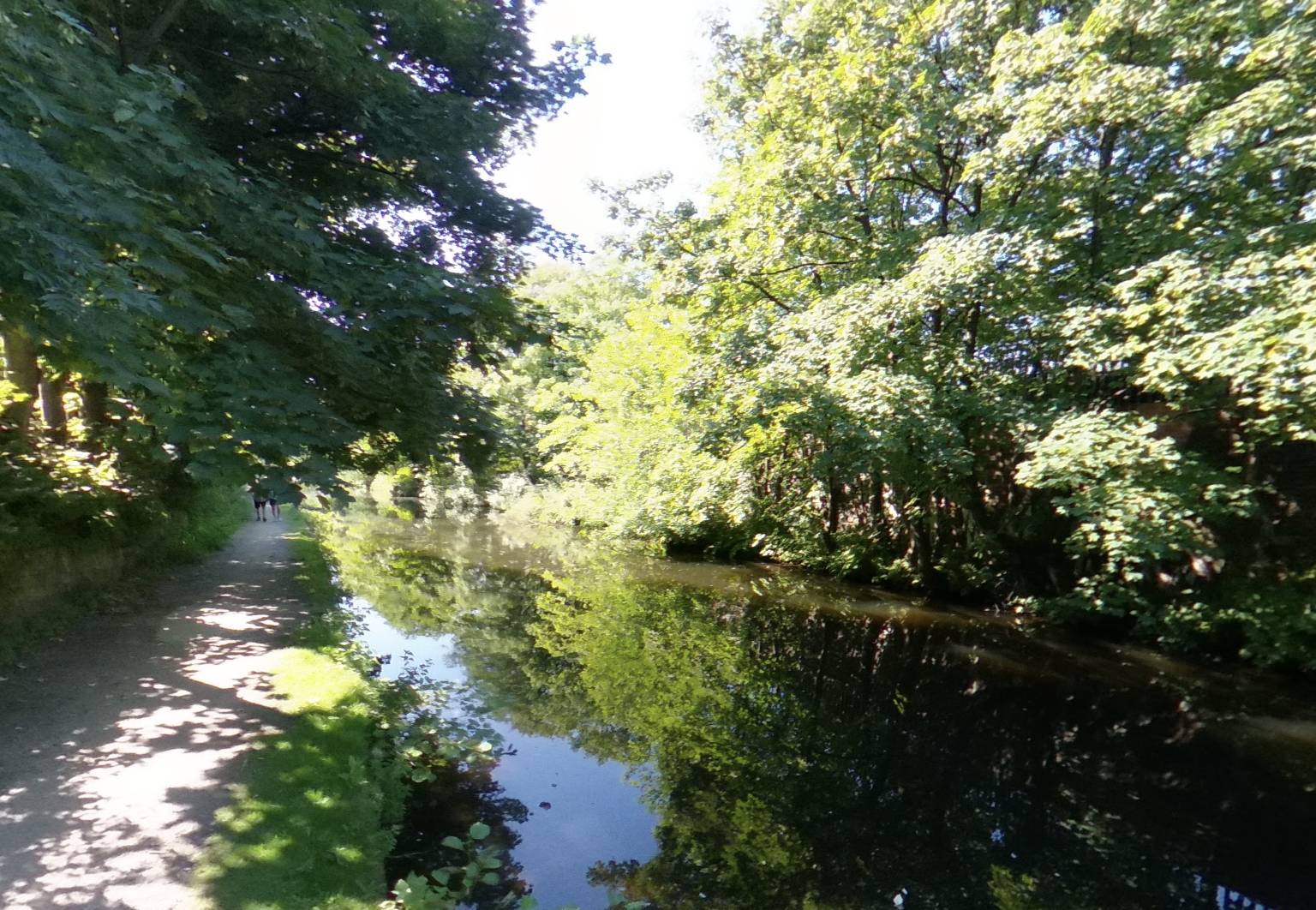
Lastly, Co-op Live is only a half-hour stroll from Manchester Piccadilly, and you could even walk along the canal all the way to the front door if you fancy taking the scenic route.
Greater Manchester now also offers the option to hire bikes on the Beryl app, with riders able to locate, unlock, get to their destination and then safely lock up the bike all through an easy-to-use app. There are hire points just near the south-west corner of the Etihad Stadium on Ashton New Road.
For more information on all travel options, you can check out the enhanced journey planner.
RSPCA appeals after French bulldog found dead in Oldham canal
Daisy Jackson
The RSPCA has launched an appeal for information after finding a French Bulldog dead in a canal in Oldham.
The dog was discovered by a dog walker earlier this week, floating in the middle of a canal in Chadderton.
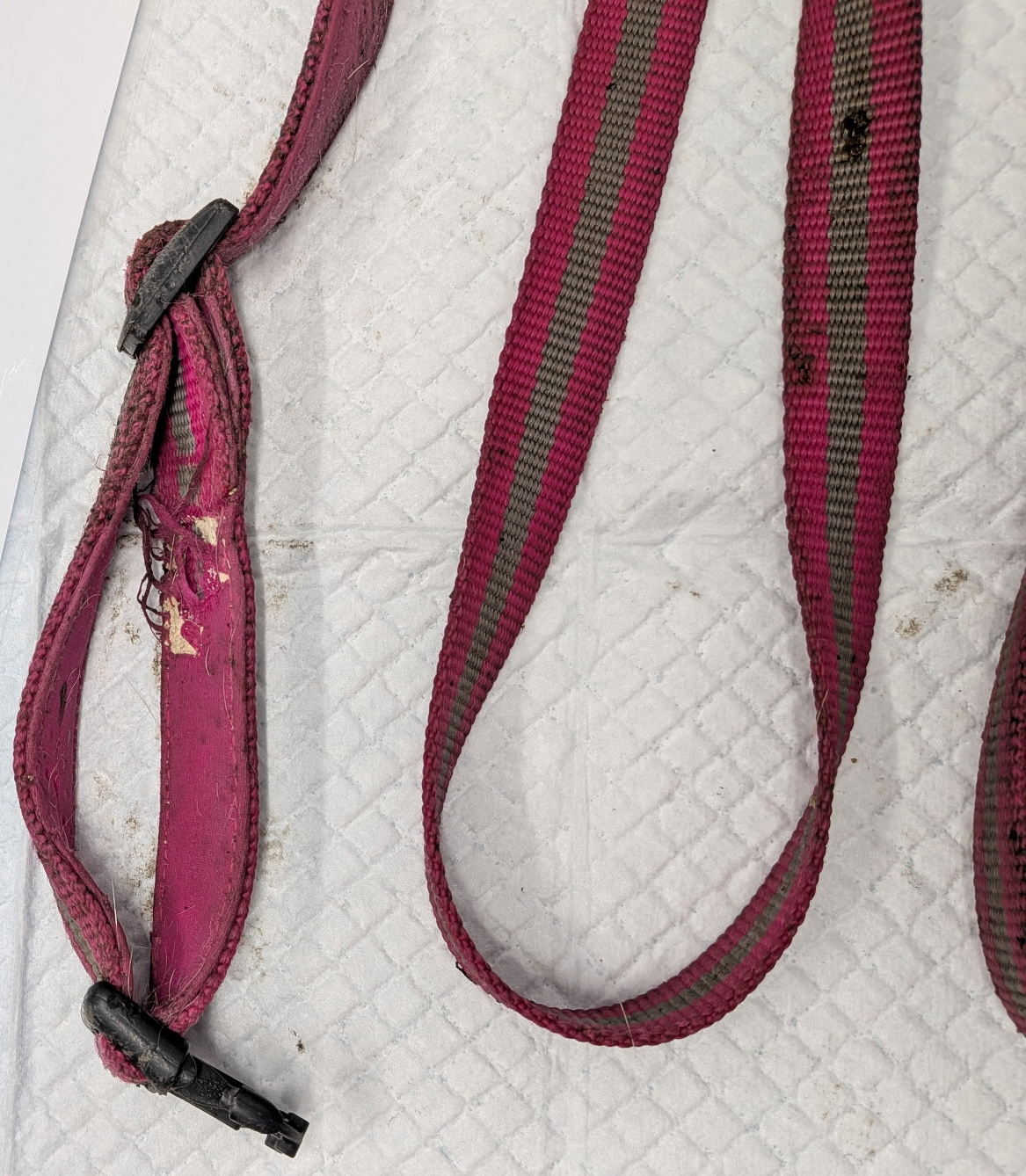
The French Bulldog was wearing a pink-red lead and matching collar, which were wrapped around his head and front leg.
He did not have a microchip, but the charity is hoping his lead might help him to be identified.
The dog was found at around 12.20pm on Monday 5 October on a section of the canal near Middleton Road.
The harness and lead the French bulldog was found wearing in the canal. Credit: RSPCA
RSPCA Animal Rescue Officer Beth Fazackerley said: “This was an incredibly upsetting incident for the member of the public who made this distressing discovery, and it is heartbreaking that this poor dog was found in such circumstances.
“We are keen to establish what happened, and would urge anyone who was in the area around Middleton Road at midday, on October 5, and may have information about what happened, to get in touch.”
Anyone with information is urged to contact the RSPCA appeals line on 0300 123 8018, quoting incident number 01919098.

 The Manc -
30th November 2020
The Manc -
30th November 2020