A Manchester-based homelessness charity is teaming up with two local powerhouse developers to deliver a brand new initiative.
Supported by Peel L&P and CAPITAL&CENTRIC, Embassy is planning to create a new community to help the city’s homeless and vulnerable get back on their feet, and it’s set to be the first of its kind in the UK.
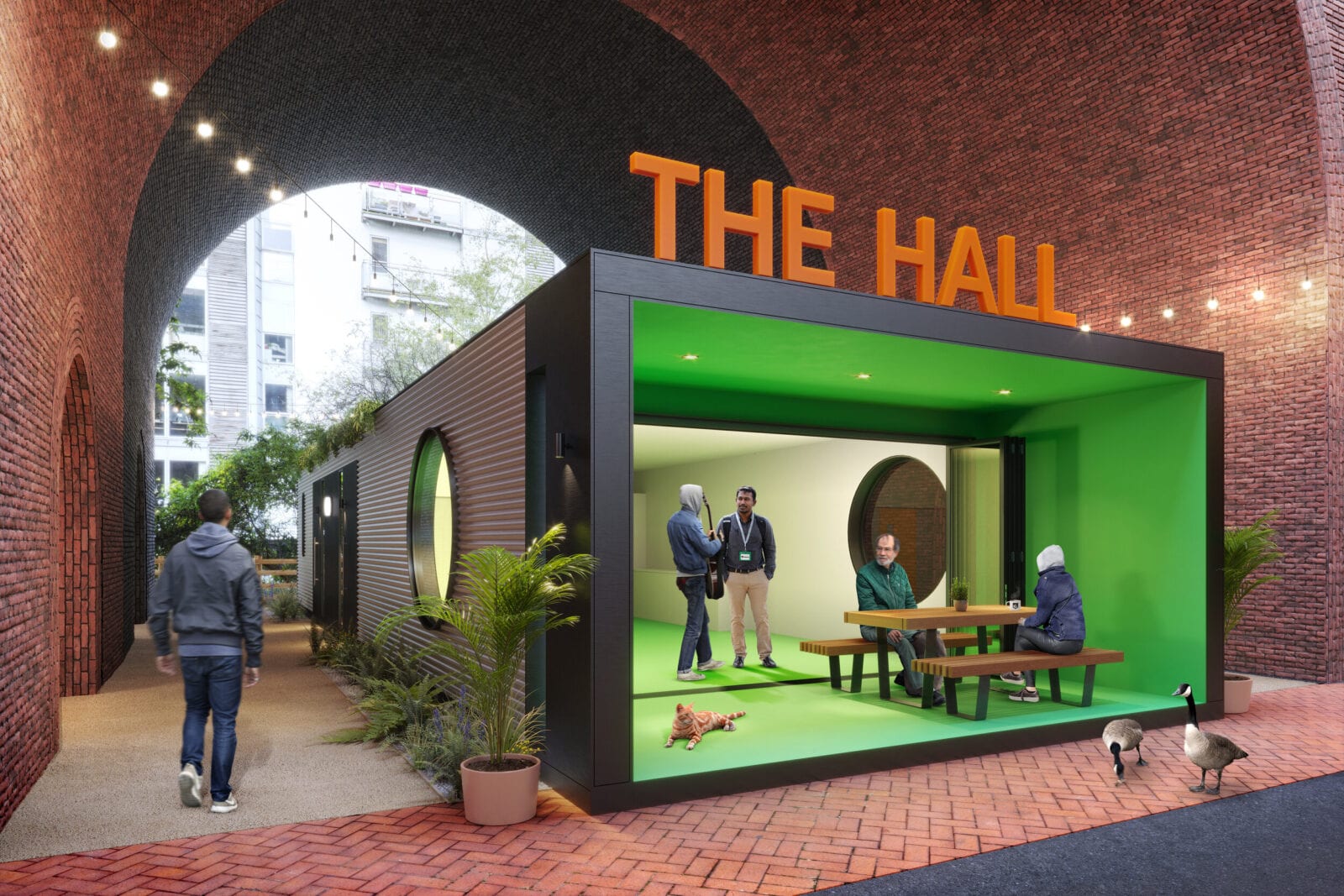
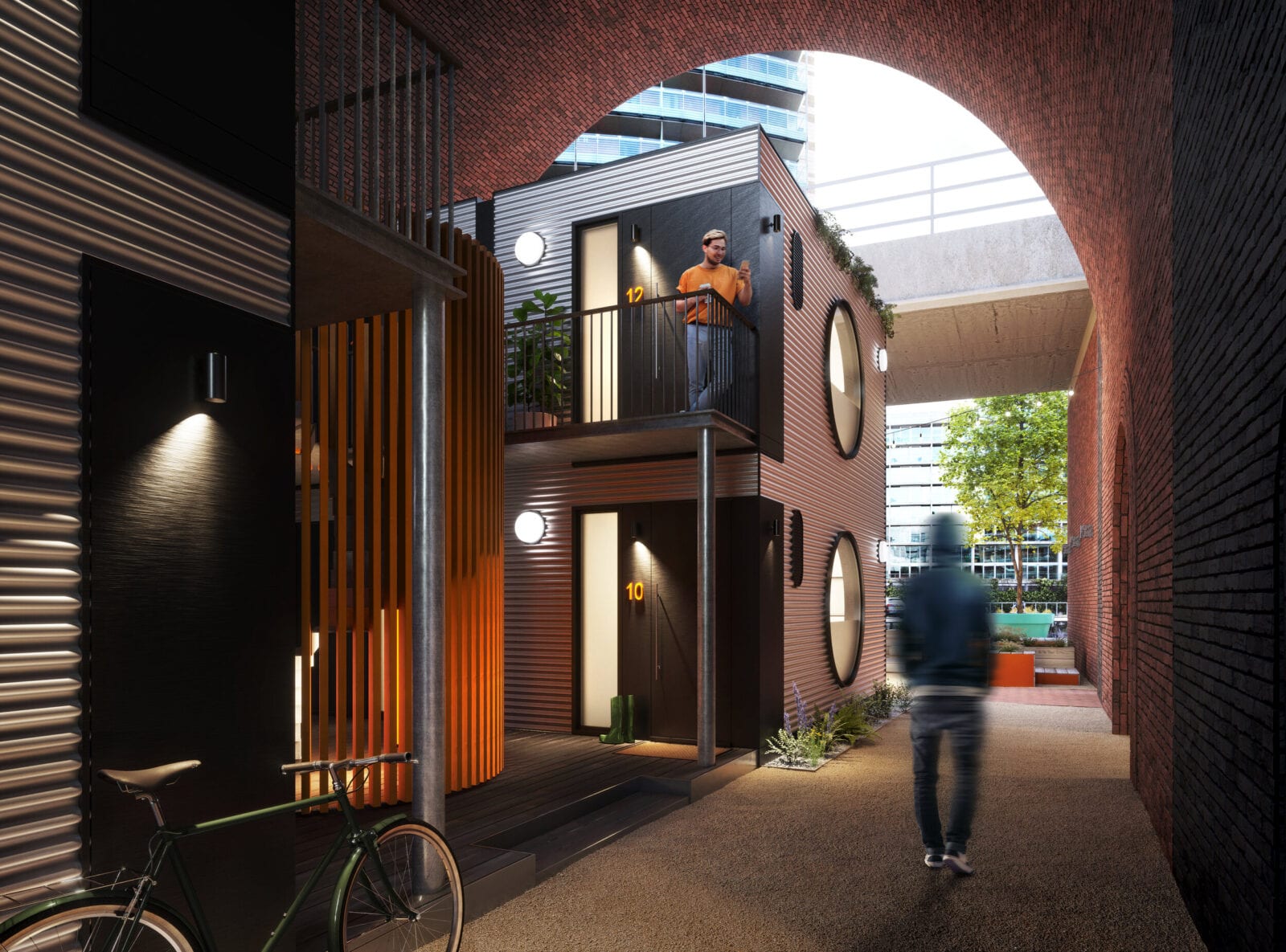
The Embassy Village will provide up to 40 new, permanent modular homes that are made from repurposed shipping containers, and it will be located on a self-contained, currently-derelict site, owned by Peel L&P that’s just below the railway arches between the Bridgewater Canal and River Irwell in the heart of Manchester city centre.
It will provide safe and secure homes for people who are homeless, or are at risk of being homeless, with in-house start-to-end support, and routes into work.
The plan is to house the vulnerable people surrounded by the support and training they need to leave the cycle of homelessness, and alongside those high-quality homes, the Embassy Village will also include a Village Hall – which will become a community hub and training and mentoring facility for residents – as well as communal outdoor space with plenty of greenery, a multi use sports area, space to grow vegetables, and external eating and socialising areas.
ADVERTISEMENT
A consultation on the planning application has been launched today.
Embassy / Peel L&P / CAPITAL&CENTRIC
Plans for Embassy Village are being launched amid the closure of dormitory style shelters due to lockdown and social distancing measures, with growing concerns across frontline charities that there will be an increased need for homelessness support and temporary accommodation services as a result of the pandemic.
ADVERTISEMENT
Government coronavirus (COVID-19) support measures – such as a ban on evictions, and funding to house rough sleepers in hotels – are also due to end in the Spring.
This is heightening fears across the city’s charity sector it could drive a spike in homelessness.
At Embassy village, the charity’s team of re-settlement workers and volunteers will provide wrap-around support of at least six hours per week, per resident, to equip them with a range of life skills, including shopping and budgeting, cooking, and how to manage a home, as well as a course designed to help residents unpack past traumas and grow in confidence.
ADVERTISEMENT
The self-contained site will be managed 24/7 by Embassy’s experienced team.
Embassy’s training and mentoring programme is also being designed to boost residents’ work readiness through job application, interview support and wider training.
The charity plans to build on its successful track record of helping residents to resettle into secure long-term accommodation and find routes back into work, by collaborating with local employers.
A total of 12 companies have already signed up to offer employment.
Embassy / Peel L&P / CAPITAL&CENTRIC
Speaking on the announcement of the project, Sid Williams – Founder of Embassy – said: “This pandemic has only gone to further strain the resources of the poorest in our society and we sadly expect to see homelessness increase.
ADVERTISEMENT
“Our approach is to provide rented housing and formally end homelessness from day one.
“We aim to get people into full time work and private rental sector housing, rather than council housing and benefits.
“We interview everyone we assist and what we look for is a willingness to make progress, learn and, where possible, to work [so] Embassy Village will provide residents with their own front door, and teach them the life skills they need to become independent and start contributing to society again”.
James Whittaker – Executive Director at Peel L&P – added: “It’s been a real joy and a privilege to bring together the business community to help create our vision to deliver a special project to reduce Manchester’s homelessness by transforming our land beneath some railway arches in the city into much needed housing for the homeless.
“We’re delighted to partner with Embassy, a charity who will make a huge difference in helping vulnerable adults to obtain better lives through their restoration programme by getting them into housing, employment and independent living”.
ADVERTISEMENT
Tim Heatley – co-founder of CAPITAL&CENTRIC and Chair of the Greater Manchester Mayor’s Charity – said: “We’ve worked with Embassy for the last few years, helping them to get the original bus off the ground, but we’ve always had the vision to create something more permanent that gives people their own front door.
“Making sure it’s really high quality, with communal areas like the village hall and sports area, has been super important as we want the future residents to be proud of their community.”
Sir Richard Leese – Leader of Manchester City Council – added: “Meeting the growing demand for emergency accommodation to support people vulnerable to homelessness is a major challenge, particularly at this time of year when the number of people asking for support and sleeping rough is at its height.
“Developing a Housing First opportunity in the city is welcome and I hope this type of community has the potential to provide life-changing help for people facing homelessness in Manchester.”
___
If you would like to take part in the consultation, you can head on over to the Embassy Village website and complete the online questionnaire.
Property
Free Manchester home-buying event returns after attracting more than 750 aspiring buyers last year
Daisy Jackson
The Manchester Home Show will return this year, offering free advice and support for people looking to buy their first home.
The event brings together everything from housing providers to mortgage experts, and last year attracted more than 750 aspiring buyers.
You’ll be able to chat to experts, receive free financial and legal advice, and learn all about schemes like Shared Ownership, helping you to take that step closer to the property ladder in the North West.
There will also be the chance to learn more about some of the region’s most exciting new affordable homes developments, including L&Q at Victoria Riverside near the city centre.
This year, the Manchester Home Show will take place at Mercure Manchester Piccadilly Hotel, between 10.30am and 4pm on Saturday 19 September.
It will bring together advice, affordable homeownership guidance, and access to housing providers under one roof, and builds on the success of the long-running London Home Show (which has welcomed more than 87,000 prospective buyers since 2013).
This year’s industry sponsors are housing associations L&Q and Plumlife Homes, alongside 18 other expert exhibitors including Gecko Homes, Latimer by Clarion Housing Group, Snugg Homes, Your Housing Group, Together Homes and Onward Living.
Attendees will also benefit from access to legal and financial advice with the opportunity to meet mortgage brokers from Metro Finance, Smiths Financial, Just Mortgages and TMP The Mortgage People, along with solicitors from Shared Direction Conveyancing, Owen Paulo Legal Ltd, Alexander JLO Solicitors, and Talbots Law.
The Manchester Home Show is back. Credit: Supplied
Guests can sign up for jargon-free talks throughout the day, covering everything from top tips for first time buyers to the legal steps involved with buying a Shared Ownership property.
Nick Lieb, Chief Operations Officer at Share to Buy, comments: “We’re thrilled to bring the Manchester Home Show back to the North West and continue supporting aspiring homeowners on their journey.
“With many buyers unsure about where to start or what options are available, our aim is to make the home-buying process more accessible by bringing trusted experts, leading housing providers, and practical advice together in one place.
“Whether visitors are first time buyers, renters looking to save, or simply just exploring their options, the Manchester Home Show will provide the guidance they need to move forward with confidence.”
Attendees of the Manchester Home Show can even register their interest in some major affordable property schemes, from the Shared Ownership apartments near Manchester Victoria from L&Q Victoria Riverside, to apartments and townhouses in Salford from Plumlife Homes, and apartments in a restored pub (The Stamford Arms) in Little Bollington from Gecko Homes.
Tickets for the Manchester Home Show are free, but visitors must register in advance to attend, which you can do HERE.
You can also follow @sharetobuy_live on Instagram for further updates, top tips, videos and more.
‘Own a landmark, create a legacy’ – Historic chimney goes on sale for £300k in Bolton
Emily Sergeant
How would you like to live in a big chimney?
I know that might sound like an odd question, and in some respects, it is… but we’re being 100% genuine, as over in Bolton there is currently a historic local landmark on the market with planning permission to make it into your new home, and it’ll only set you back £300,000.
‘Only’ is a bit of a stretch, but when you consider the magnitude of this property, it’s surprising that you’re able to get your hands on it for such a reasonable price.
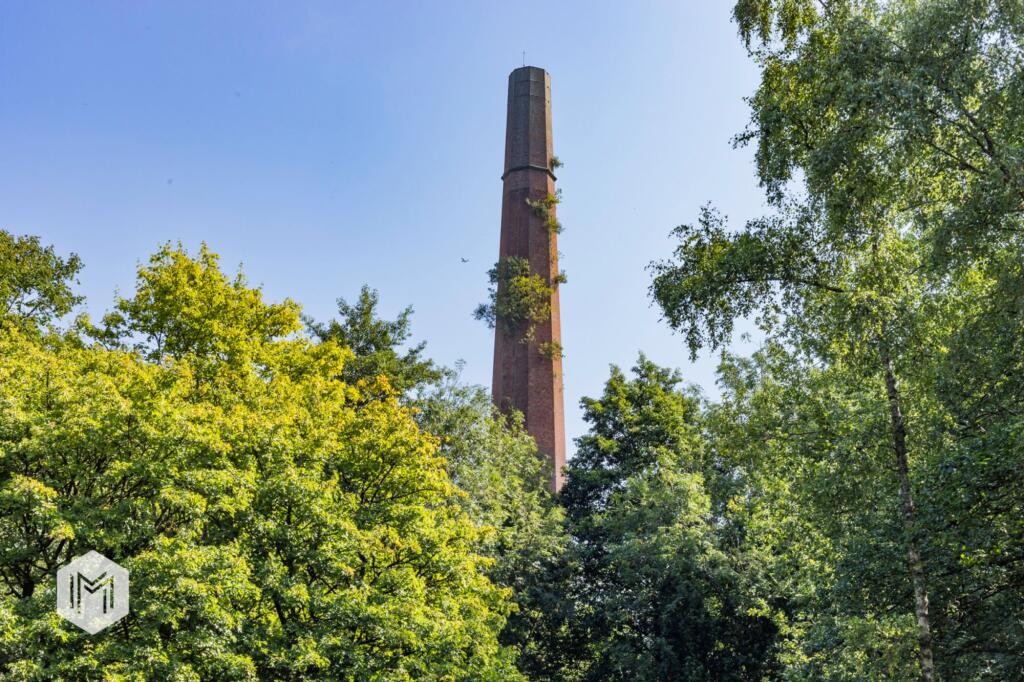
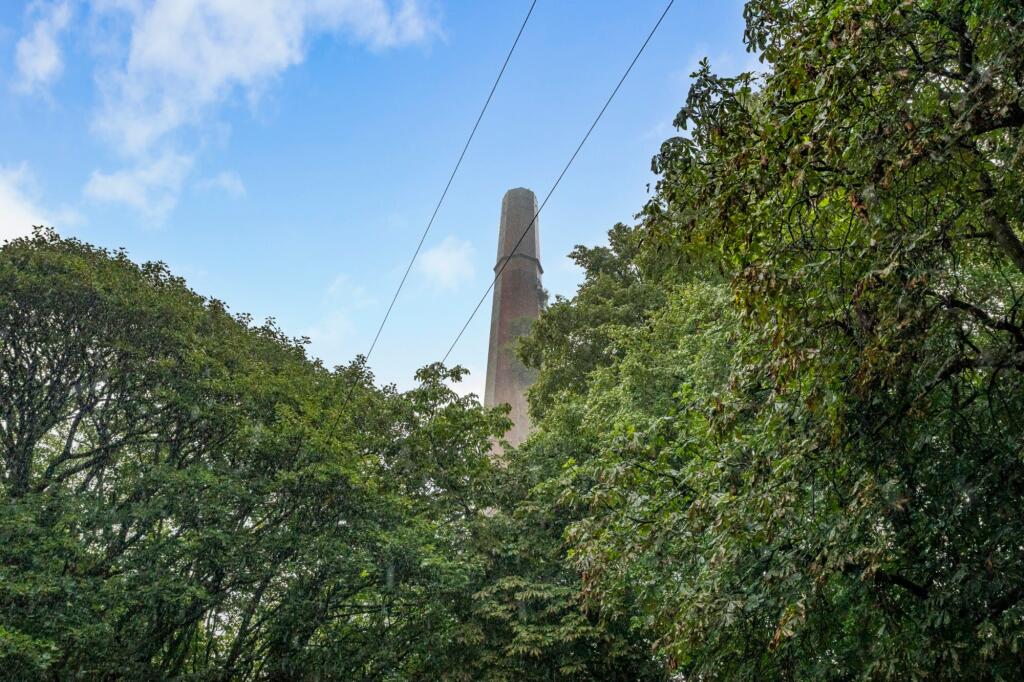
This is Barrow Bridge Chimney.
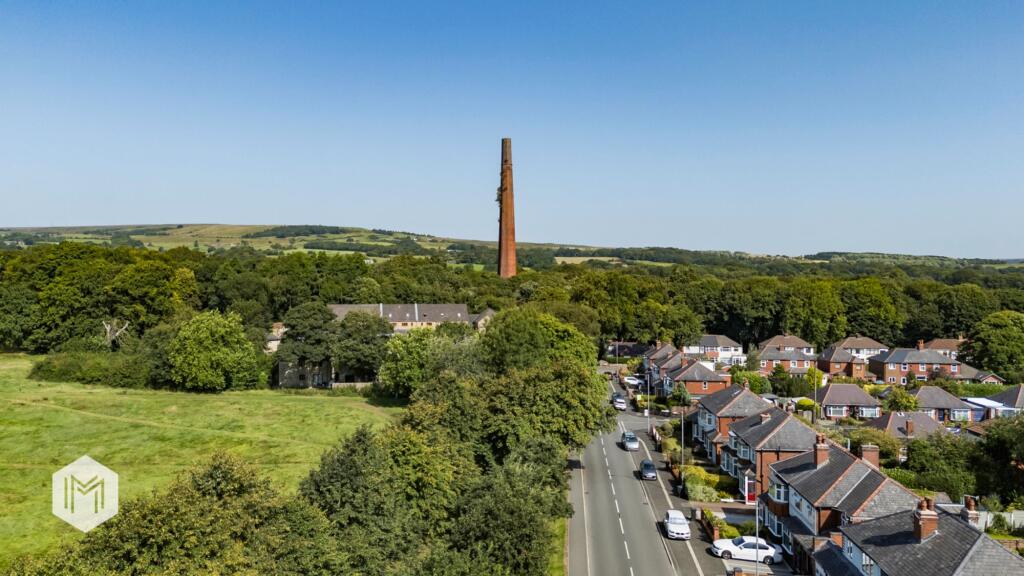
Rising above the tranquil stone cottages and wooded valley of the stunning model village that is Barrow Bridge, this striking Victorian chimney stands as a lone sentinel of Bolton’s proud industrial past – and now, with full planning permission secured, estate agents say it offers an ‘extraordinary opportunity’ to reimagine history as a truly one-of-a-kind home.
A historic chimney has gone on sale for £300k in Bolton / Credit: Miller Metcalfe
Originally built in the early 19th century as part of the ‘ambitious’ Dean Mills complex, the chimney once crowned a thriving cotton-spinning hub founded by Thomas Bazley, who was one of the Industrial Revolution’s great innovators.
Long after the mills fell silent though, the chimney endured and remained a local landmark in Smithills visible for miles, and today this relic of the steam age is ready for its next chapter.
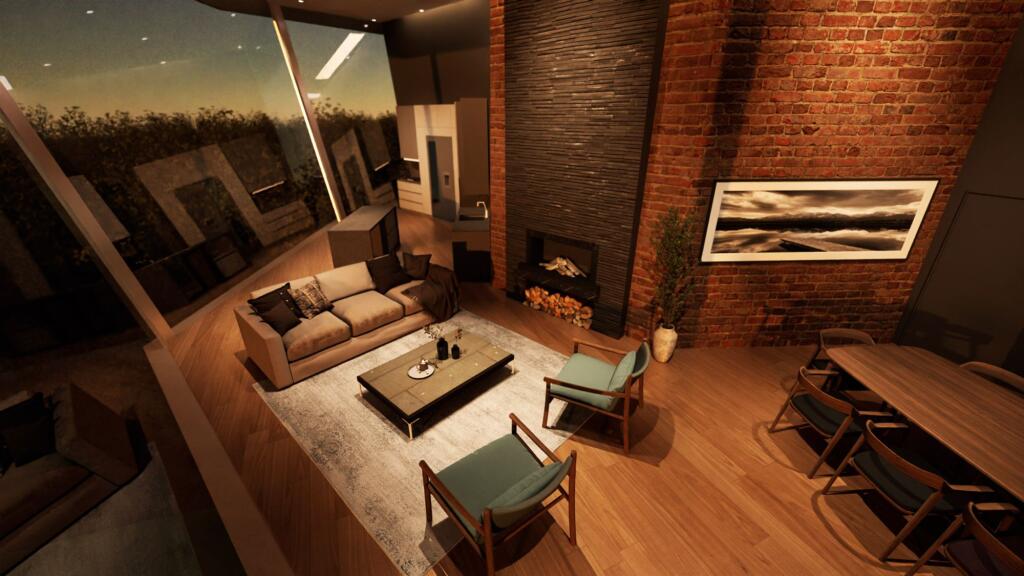
Approved plans for the chimney are described as being a ‘bold’ residential conversion that will honour its industrial heritage, while still creating a dramatic modern dwelling like no other in the town.
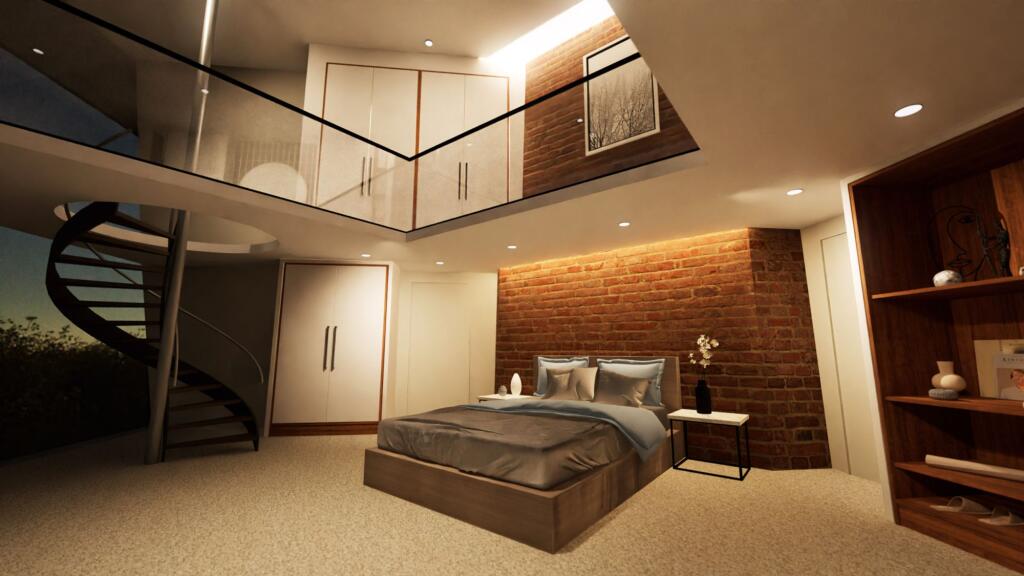
The planning permission is in place for a two-storey residence of approximately 3,939 sq ft, with a striking contemporary design blended seamlessly with practical living.
The planning permission is in place for a ‘striking’ two-storey residence / Credit: Miller Metcalfe
The approved plans include three spacious bedrooms (two with en-suites), a family bathroom, a downstairs cloakroom, and a study that can easily adapted to a four-bedroom, four-bathroom layout to suit modern family life.
What makes this an even more attractive prospect for future buyers is that the chimney is well-connected to both amenities and nature – with both independent businesses, good local schools, and convenient transport links on the doorstep, as well as parks and tree-lined walks.
“This is your chance to own more than bricks and mortar,” estate agents Miller Metcalfe said.
“It’s a chance to live inside a landmark, to shape its story for future generations, and to call a piece of Bolton’s proud industrial heritage your own. Enquire now to discover how you can transform this iconic chimney into a legacy home that will stand for generations to come.”
Fancy it then? Take a look at the property on Rightmove here.

 Emily Sergeant -
3rd February 2021
Emily Sergeant -
3rd February 2021