Manchester has been at the height of stylefor decades.And the city’s young generation has often been leading the way.
Manchester Metropolitan University’s annual fashion show has functioned as the perfect platform for Manc students to rep the leading trends since the 1950s – as well as pioneering some iconic styles of their own.
The city’s fashion scene has evolved considerably over the past 60 years – and with the help of MMU’s runway archives, we’re taking a trip down memory lane to explore how style has moved with the times.
1950s
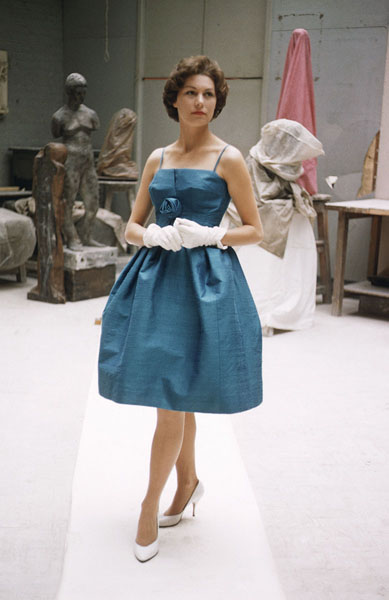
1959
The elegant, lady-like dress pictured above was a key style for women throughout the country in the late 50s – and Mancunians were equally eager to embrace it.
It features a trendy nipped-in waist and full skirt paired with matching feminine accessories to create a truly glamorous garment.
ADVERTISEMENT
We only wish that it was still acceptable to get dolled up in this kind of glamour these days!
1960s
From the eye-catching floral print to the unique cape detail, this flowery dress (above) would still feel at home in the likes of Retro Rehab despite being 60-years-old.
ADVERTISEMENT
The full-length maxi skirt only came back into fashion around the late 60s as the ‘hippie’ movement emerged, but it’s no surprise that Mancunians were ahead of the curve with this style.
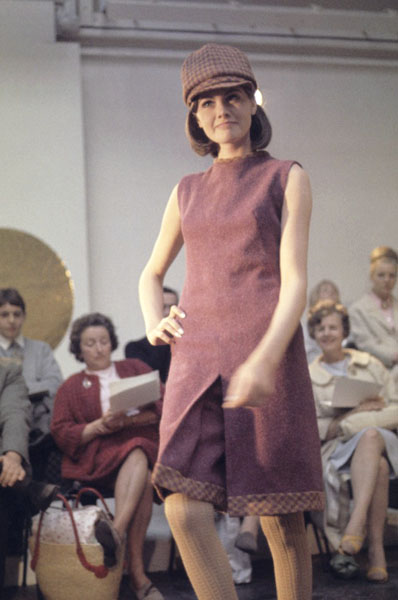
1965
This outfit above serves as a reminder of the popularity of a-line dresses and skirt suits in the 50s and 60s, as well as the importance of matching accessories.
Rather than the typical pinafore or mini skirt of the decade, this dress transitions into a well-concealed trouser suited for the city’s dedicated working women. Because practicality shouldn’t hinder fashion, right?
ADVERTISEMENT
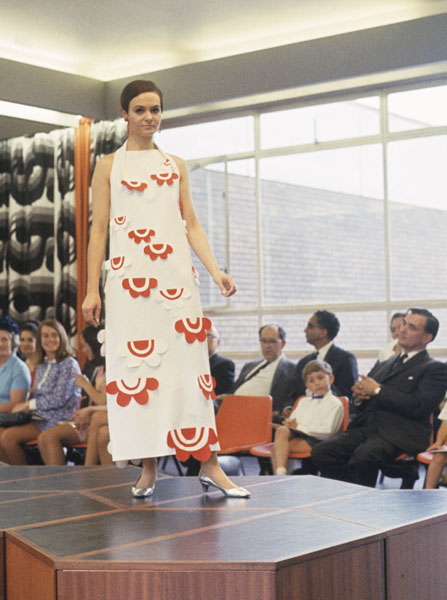
1966
MMU students also returned to the maxi style in 1966 ready for the emergence of this trend nationwide, although in the image above it is adorned with a very 60s flower-power mod print.
This is an eye-catching take on the current trend, and is another retro dress that we could definitely see Mancunians rocking today from a brand like Grey Milk.
1970s
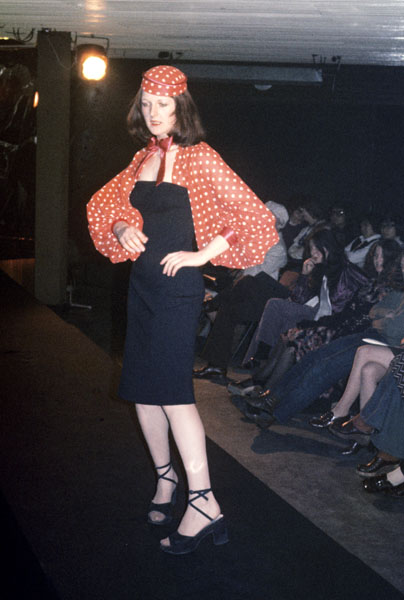
1972
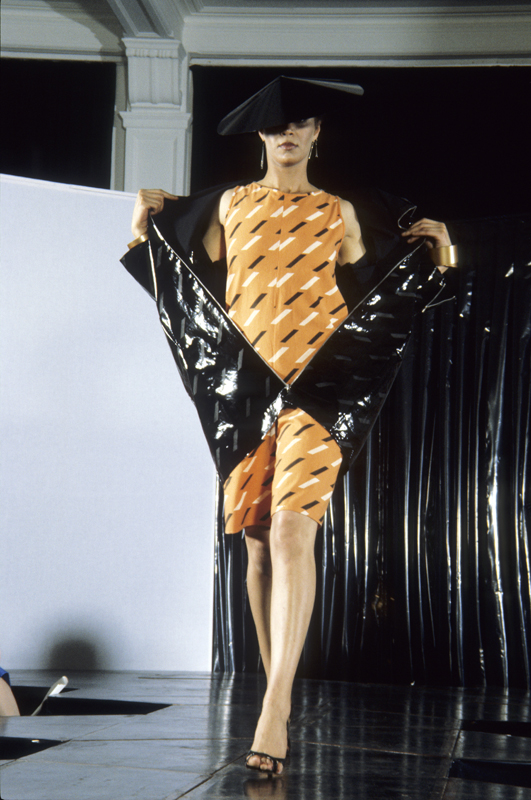
The 70s saw bold colours and patterns take centre stage when it came to fashion, so obviously Mancunians were quick to follow suit.
This flashy polka dot outfit (above) from 1972 perfectly fits the disco and nightclub scene that dominated this era, as well as the figure-hugging fit making an appearance before it became a mainstream style.
1976
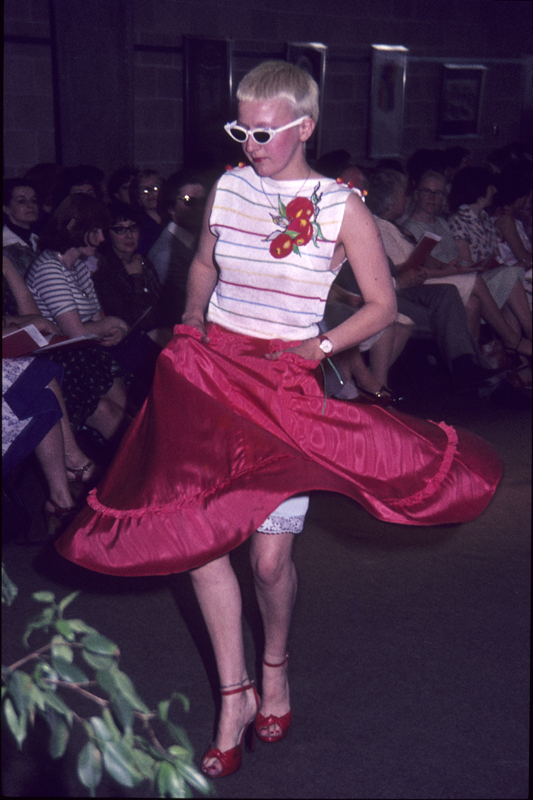
This striped top pictured above from 1976 is another example of the glitz and glamour ready for the dancefloor in the 70s, complete with a flouncy skirt.
ADVERTISEMENT
This was also an era of working handmade methods like crochet and embroidery into high-end garments – with the fabulous fruit print top being no different.
1980s
1980
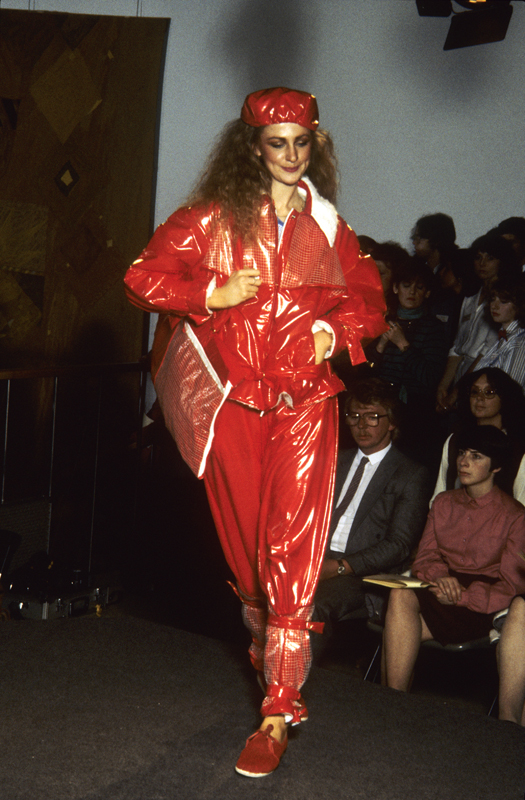
The 80s was a decade defined by its power dressing – but the Manchester students pictured here substituted blazers and shoulder padding for a loud print and vinyl jacket that meant business.
While the rest of the country started the decade in preppy outfits inspired by the likes of Ralph Lauren and the typical American boarding school look, Mancunians apparently weren’t afraid to try something different.
1982
The dominant trend of the 80s was ‘bigger is better’, with brightly-coloured and coordinated looks screaming for attention.
Although PVC really came in style for young people in the 90s, Manchester was one step ahead of this look and not afraid to boast it!
ADVERTISEMENT
1984
While MMU’s students were eager to stray from the typical styles at this time, they also provided some iconic looks that couldn’t better summarise the 80s.
From the big hair to the influences from the 80s sportswear and fitness craze, it’s clear that Manchester had cracked the style of this decade.
1989
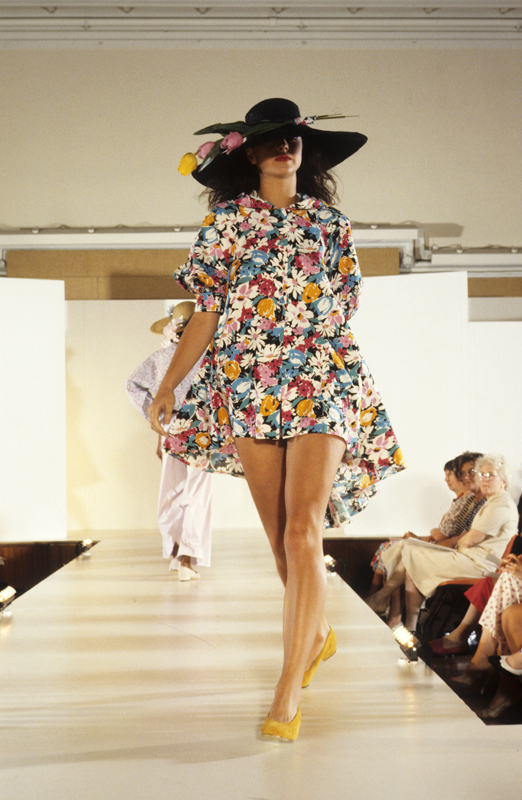
The popularity of bright florals in the late 80s is on show in 1989 – although the quirky addition of fresh flowers on the floppy hat is an artistic touch from Manchester’s students.
1990s
1990
The 90s generally saw a shift away from the larger-than-life styles that were popular in the 80s to more casual streetwear, but it’s clear that some Mancunians weren’t ready to ditch the bright colours just yet.
The sportswear influences of the 80s are also continued with these biker shorts and leggings, although we’re not quite sure that Manchester’s rainy weather would approve.
ADVERTISEMENT
1993
The rise of grunge fashion was also well underway in the 90s, with musical movements helping to put this trend on the map.
MMU students can be seen here pairing dainty mini skirts with chunky leather boots and stud details to provide a fresh new take on the style that was sweeping the country at the time.
2000s
2007
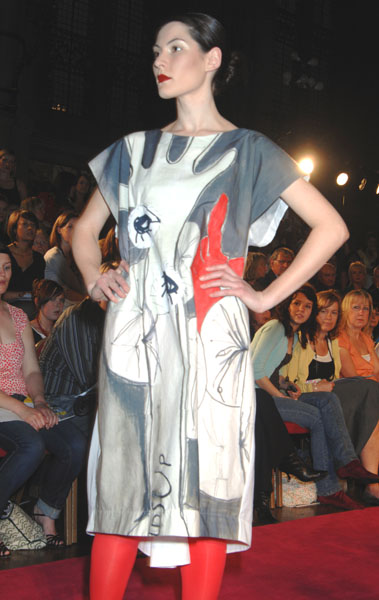
While the noughties provided a variety of iconic new styles, leggings under dresses was a trend that we all remember (and miss the warmth that it gave us) – as seen above with this bold red pair.
Tunic dresses were another firm favourite of the decade that Manchester students were quick to get on board with.
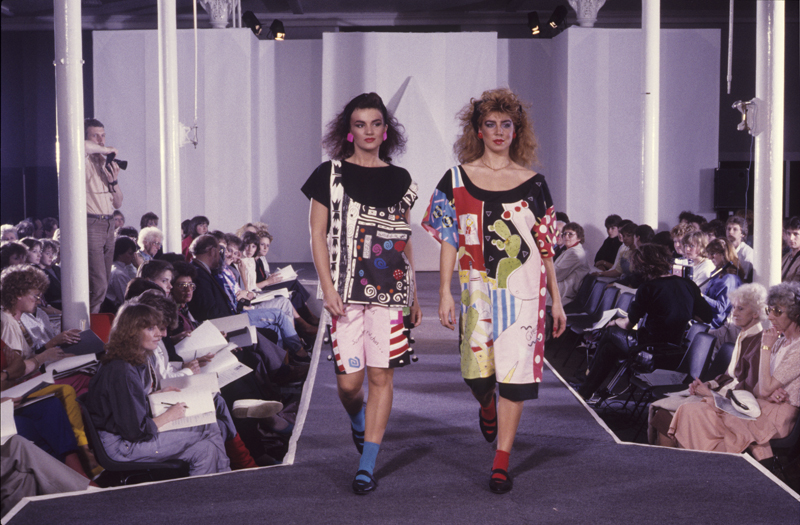
2007
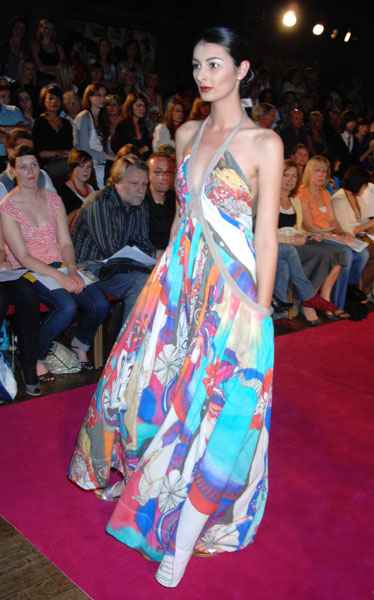
This patchwork halter neck maxi dress from 2007 proves that Manchester students were still up-to-date with the top trends, even if our rainy weather couldn’t quite allow summer dresses like this to be worn outside the house.
Football fans rage over the cost of the new England kits for 2026 World Cup
Danny Jones
It’s that time again: lots of Three Lions fans have been left furious over the cost of new England kits, and having seen the latest price, we’re not surprised.
No, seriously, the world of football fashion is getting seriously out of control…
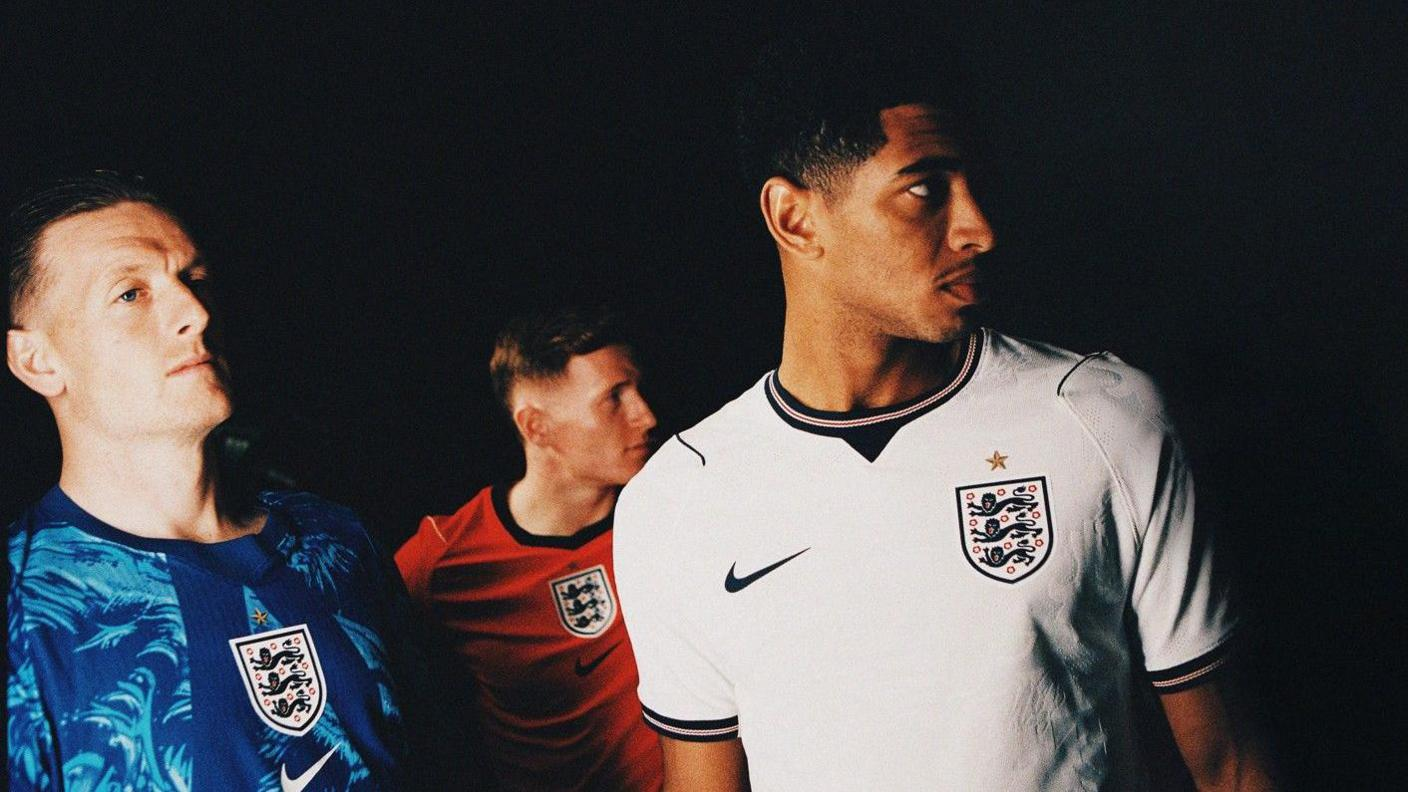
With the squads for this month’s national team camp having just dropped, March has also seen the release of the new England home and away shirts – both of which are pretty nice, if you ask us.
In case you haven’t seen it already, here’s an extended look at the reveal video, which debuted the new white and red strips ahead of the 2026 World Cup over in the USA:
You can find the full England kit range and all the prices right HERE.
All that being said, something we don’t like the look of is the price tag, and we’re far from the only ones – a good chunk of social media is up in arms about it.
While one person said, “Baffling anyone paying those prices”, and another quipped, “Then treat yourself to a World Cup ticket for three grand” – match prices having also been raised as a concern – the general consensus seems to be ‘game’s gone’, to use a seemingly timeless phrase.
Another sarcastically wrote, “I have no idea why the counterfeit shirt economy is booming when you can get an original [at] such a good price.”
For example, it didn’t take long for someone to share their most recent and more affordable overseas order along with the caption: “Surely no one is genuinely paying £90 for that when you can get it just as good on DHGate for £10.”
While fake footy shirts are a growing obstacle for manufacturers and suppliers all over the world, for an increasing amount of the general public, it’s now becoming genuinely the only viable way they can justify spending money on the latest kits.
Its a nice kit. But I def do not have £155 lying about.
For context, the above post is an example of the authentic player version worn in matches, which features Nike’s breathable AERO-Fit fabric.
However, even just the standard adult replica version is currently retailing at nearly £90; juniors ‘Stadium’ shirts are priced at £64.99, a full kids ‘Mini’ kit is nearly £50, and even a pair of shorts will set you back either £44.99 or £32.99, depending on whether you’re a kid of grown-up.
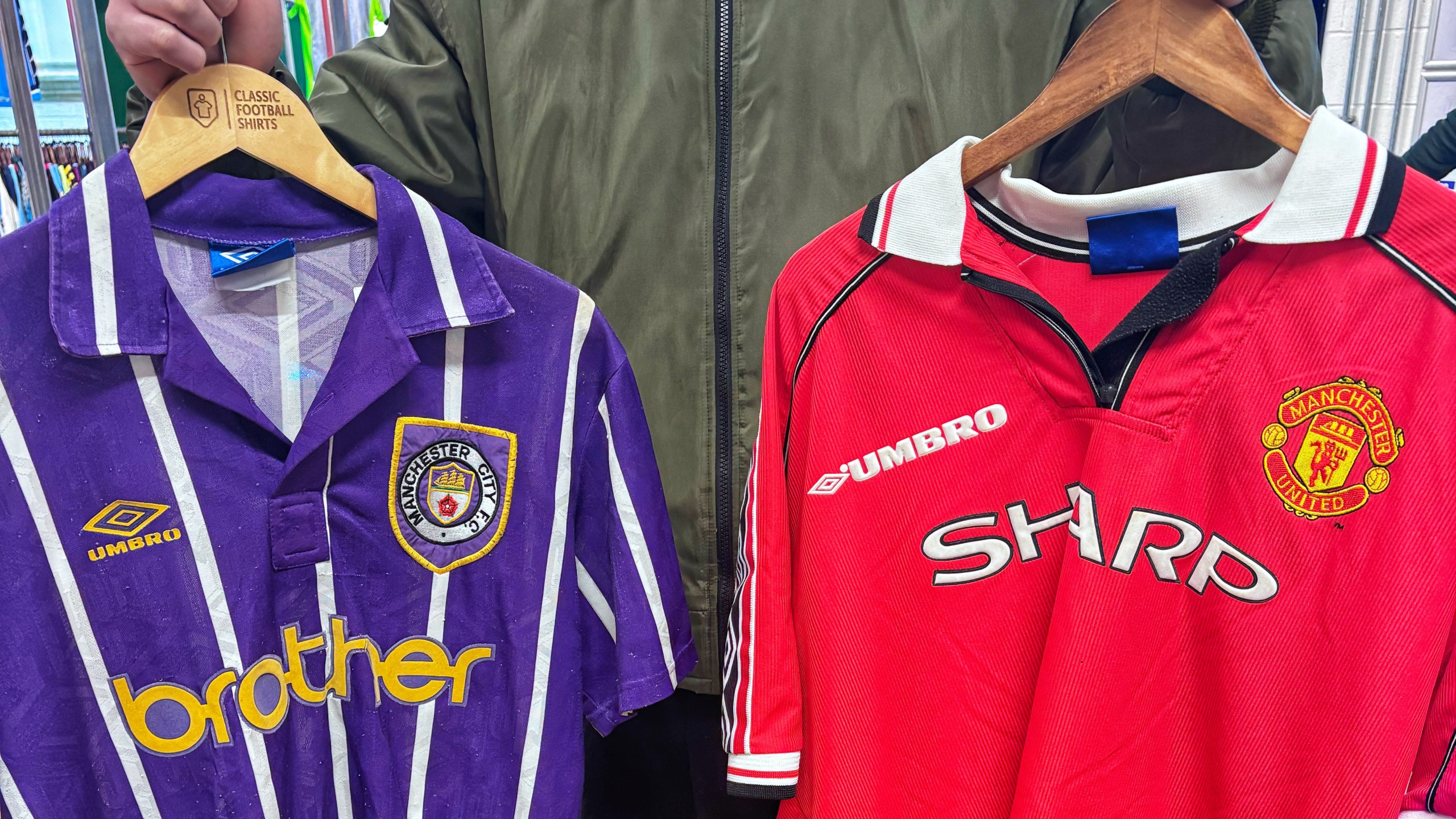
When you take into account the countless parents hoping to put a smile on their little one’s face by getting their favourite player’s name on the back of the new England jersey in time for the World Cup, it’s no wonder the Classic Football Shirts and hand-me-down vintage kits culture is so strong.
Featured Images — England/The FA/Sky One (screenshot)
Style
The Premier League and EFL should follow La Liga’s lead and bring Retro Matchdays to the UK
Danny Jones
Following the news that La Liga is set to debut a new ‘Retro Matchday’ round, we can’t help but ask the question: why didn’t the Premier League and EFL think of this first?
Well, technically, neither did the Spaniards, but you take our point.
Anyone who follows the NFL, NBA, MLB, NHL, or even the Elite Ice Hockey League (EIHL) equivalent here in the UK and mainland Europe, will know that the concept is nothing new – but by and large, it seems to be for the beautiful game.
In case you missed it, in an effort to further capitalise on the increasing trend of vintage and classic football kit fashion/the wider nostalgia culture that only seems to be growing every year, Spain’s top two tiers will soon host their inaugural Retro Matchday gameweek next month, and we want a piece of it.
Set to be hosted from Friday, 10 April, over the usual weekend of football in their premier and second division, and running until the final lot of fixtures on Monday, 13 April (no, thankfully not an April Fool’s), supporters will get to see players step out onto the pitch in some of the country’s most iconic kits.
Depending on who you ask, some would argue that Spain has some of the nicest footy shirts all time, whether that be the national side or clubs themselves.
To be honest, we definitely have a soft spot for a proper European throwback – we’re thinking Borussia Dortmund’s 1995/96 home kit, the Napoli kits of the 80s, that amazing Toyota-sponsored Fila Fiorentina kit at the turn of the millennium – and even some of the best 2000s ones now look so old-school.
In fact, we actually had a taster of these kinds of special matches in the past, including here in 0161 for the likes of the Manchester Derby.
Reminds me of the Manchester derby in 2008 where they played in retro kits due to it coinciding with the 50th anniversary of the Munich disaster. Looked absolutely brilliant. pic.twitter.com/TLRjKHThbG
When you also take into account that, besides collectors already creating a whole new craze in filling their cupboards with classic kits, the likes of Nike, Adidas and more now regularly turning to old designs like the ‘Futura’, Total 90′ and various ‘adi Originals’ revivals of late, it’s more the rage than ever.
Birmingham’s recent ‘penguin’ remake, Port Vale’s traditional 150th anniversary one, based on their 1953-54 season jersey, not to mention countless other lifestyle fashion collections inspired by historic releases, you can’t move for the stuff – so why not get them wearing it on the grass?
As mentioned, the likes of local ice hockey outfit Manchester Storm have been taking a leaf out of the NHL’s book for ages now, with the annual ‘Retro Nights’ proving to be some of the most popular dates on the calendar, even selling off original shirts in the stadium itself before, during and after the match.
We genuinely can’t think of a single football lover following a team at any level in the English football pyramid that wouldn’t LOVE this. In fact, plenty of them already go to the ground wearing their dad’s second-hand away strip, which has turned out to be a modern cult favourite among the next generation.
These are the kinds of ideas we can see fans actually getting behind; you can find out more HERE. Would you like to see a retro Premier League and/or EFL match day featuring your favourite kits from down the years?

 Daisy Bradbury -
16th April 2021
Daisy Bradbury -
16th April 2021