Shocking ethnic minority health inequalities revealed by study
Huge health inequalities in ethnic minorities, compared with white British people, have been revealed following England’s largest ever study of over-55s.
Huge health inequalities in ethnic minorities, compared with white British people, have been revealed following England’s largest ever study of over-55s.
The study, carried out by the University of Manchester, revealed an increased likelihood of people from some ethnic minority groups, particularly Asian groups, reporting poor experiences at their GP.
The authors of the study suggest this may indicate an unfairness within NHS services, which would worsen health inequalities in some ethnic minority groups.
Dr Ruth Watkinson, lead author from the University of Manchester, told The Manc: “We’re interested in health inequalities, particularly thinking about what kinds of health inequalities might be really relevant to the population here in Manchester.
ADVERTISEMENT
“Compared to the whole of the UK there are more people [in Manchester] living in socially deprived neighbourhoods and a larger proportion of people from ethnic minority groups.”
People from almost all of the ethnic groups surveyed were considerably more likely to report insufficient help from their local services in managing their health conditions.
ADVERTISEMENT
The lead author suggests there is much more attention brought to these disparities at the moment due to the disproportionate impact of COVID on ethnic minority groups.
Dr Watkinson added: “People try to explain these things away and say ‘well it’s genetic predisposition’ or ‘it’s behavioural differences’ but there’s no way that genetics links people of all those different ethnic minority groups.
“Terms like ‘BAME’ often mask the idea that these are very different groups of people, the only thing that links them is that they are racially ‘minoritised’ in this country because of systemic racism.”
ADVERTISEMENT
Findings revealed the average health of 60 year olds from Gypsy or Irish traveller, Bangladeshi, Pakistani and Arab groups was similar to that of a typical 80 year old.
Other key findings included that older people from ethnic minority groups were more likely to report suffering from common long-term health conditions such as diabetes, or even having two or more conditions.
Additionally, older Bangladeshi women were around three times more likely to report poor experiences in comparison to older white British women.
Dr Watkinson stated: “The NHS as an institution is failing people from some ethnic groups. Policy action is needed to transform healthcare and wider support services to make sure they meet the needs of all individuals in England’s multi-ethnic population fairly.
“A lot of long-term chronic health conditions shouldn’t need to impact your quality of life but they often do if you’re not getting the healthcare that you need.
ADVERTISEMENT
“Unfortunately our research is coming at a time when the government is stepping away from focusing on inequalities due to ethnicity. But I would hope ideally that the government would start to make ethinic equality absolutely fundamental across all parts of the public sector.
“If we made these problems so much more visible then we could identify targets and enforce change.”
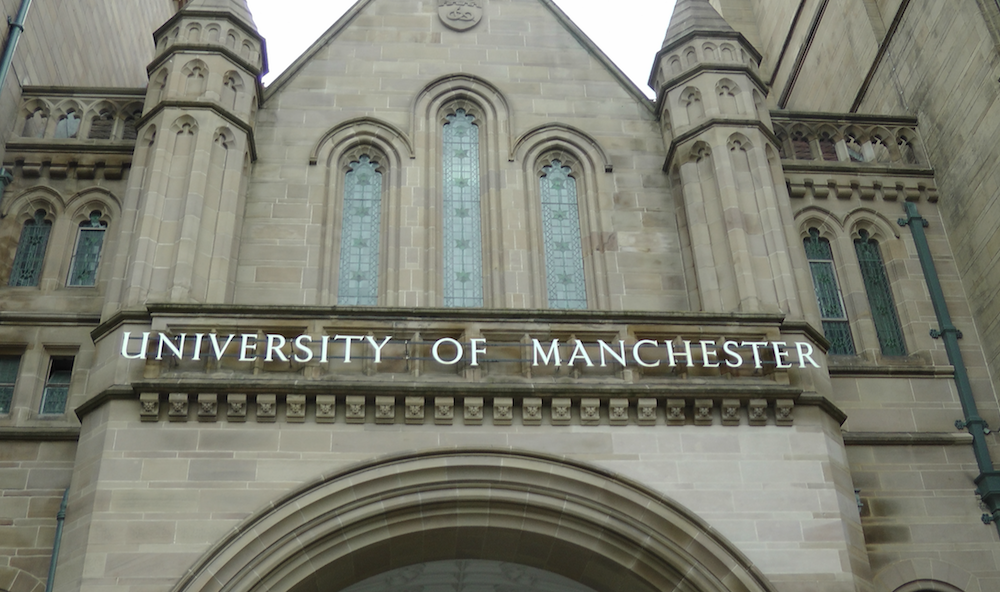
The study was carried out by the University of Manchester / Image: Wikimedia Commons
Dr Watkinson also said that policy makers “need to address the structural racism” that makes it harder for people within ethnic minority groups to access socioeconomic opportunities.
Co-author Dr Alex Turner, said: “Researchers haven’t been able to research the health outcomes of people over 55 in ethnic minority groups, because they aren’t included in sufficient numbers in most datasets.
“And much official data doesn’t distinguish between groups, which can mask inequalities.
ADVERTISEMENT
“But this study allowed us to analyse results for all 18 of the UK census ethnic groups separately, allowing us to see differences between them.”
It is clear that more data is needed to better understand what drives these health inequalities; and researchers suggest collecting info with more inclusion of people from ethnic minority groups is required.
*The study which was published in Lancet Public Health, used the England-wide GP Patient Surveys to analyse responses from nearly 1.4 million 55+ adults between 2015 and 2017. The sample included over 150,000 people who self-identified as belonging to an ethnic minority group.
Trending
Massive student night returns to Trafford Centre next month with up to 50% off on big brands
Emily Sergeant
Students can get themselves up to 50% off on food, activities, and loads of big-name brands at the Trafford Centre next month.
With thousands of new and returning students starting to arrive for the new academic year at Greater Manchester‘s universities, one of the region’s biggest student nights will be making a long-awaited comeback for one night only next month – and there’ll be loads of exclusive offers and free entertainment to make the most of across the evening.
Taking over the Trafford Centre in early October, the popular one-off student night is happening in partnership with Student Beans, and gives cash-strapped students the chance to shop a variety of incredible discounts all under one roof.
Just some of the big brands offering big discounts include 25% off at Levi’s and Boux Avenue, 20% off at Gymshark, Hollister and Abercrombie & Fitch, and 15% off at KIKO, Rituals, and Sephora.
It’s not just retail brands you’ll be able to save some pennies on either, as many of the Trafford Centre’s restaurants and cafes will also be offering discounts and freebies on the night too.
Alongside the offers, students can expect plenty of live entertainment and in-store experiences throughout the evening, including a DJ set and drinks at Calvin Klein, in-store fitness challenges and at Gymshark, an exclusive piercing event at Lovisa, and a Beauty Hub takeover at Sephora.
There’ll also be ‘spin-to-win’ opportunities at places like schuh, River Island, and YO! Sushi.
Massive student night returns to Trafford Centre next month with up to 50% off on big brands / Credit: Supplied
“Student Night is one of the highlights of our autumn calendar, and we’re excited to welcome students for an evening of brilliant offers and feel-good experiences,” explained Simon Layton, who is the Centre Director at the Trafford Centre.
“Whether they are updating their wardrobe, stocking up on beauty favourites, grabbing a bite to eat or enjoying the atmosphere with friends, there is plenty to discover across the centre.
“With simple transport links from Manchester city centre and across the region, Trafford Centre is the perfect place for a student night out.”
The Trafford Centre’s Student Night is happening on Thursday 1 October from 6-10pm, and students can now reserve themselves a spot by registering online HERE.
Featured Image – Supplied
Trending
Manchester has been named one of the most ‘stressful’ places to drive in the UK
Emily Sergeant
The UK’s most challenging driving locations have been revealed, according to new data… and isn’t good news for Manchester.
No matter whether you’re a new driver or have years of experience behind the wheel, some roads can test even the most confident of motorists.
From congestion and poor road conditions, to limited parking and higher incident rates, it’s fair to say that some areas make driving more stressful.
But which parts of the UK are the hardest to drive in?
Well, in a bid to answer that question, MoneySuperMarket has analysed a whole host of data – such as road infrastructure, road safety, road conditions, vehicle crime concerns, and insurance-related trends – for 58 UK cities, boroughs, and local authorities to create a drivability score and discover the locations that drivers find most stressful.
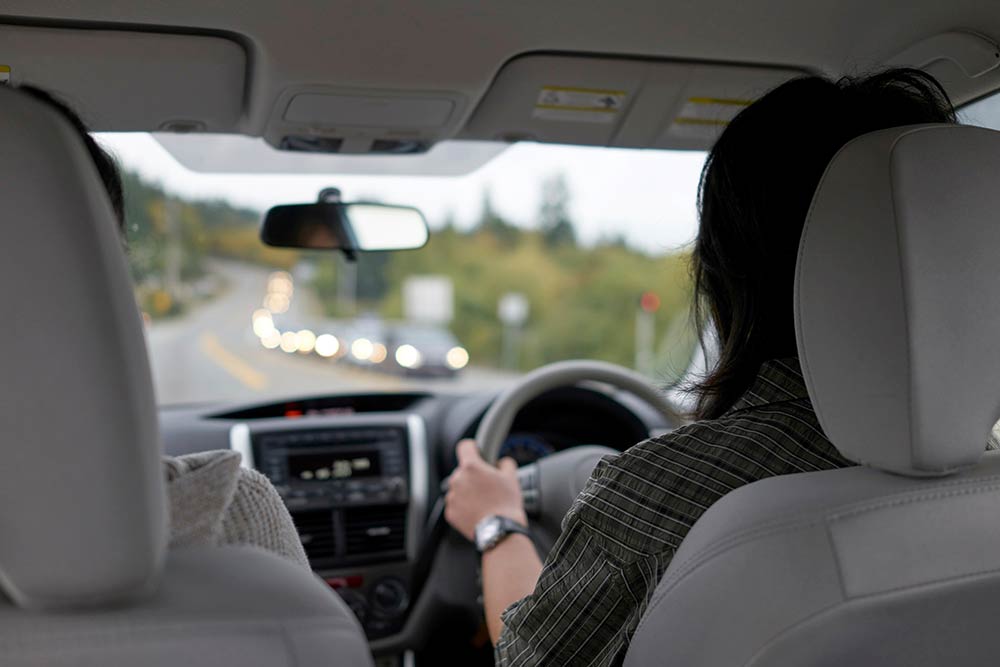
Manchester has been named one of the most ‘stressful’ places to drive in the UK / Credit: Manchester City Council | pxfuel
Manchester, unfortunately, claimed third place on the list of top 10 most challenging locations for drivers – with an overall drivability score of 25 out of 100.
Other northern cities and towns like Leeds, Preston, Blackpool, Bradford, Wakefield, and Oldham have founded themselves in the top 10 too, meaning the North West is sadly the most-represented area.
Top 10 Most Challenging Locations For Drivers
Croydon
Derby
Manchester
Leeds
Preston
Birmingham
Blackpool
Bradford
Wakefield
Oldham
The findings also reflect some of the concerns drivers experience on the road, with more than a third of motorists (34%) saying they have avoided driving because they were travelling in an unfamiliar area, while almost a third (32%) have chosen not to drive due to heavy traffic or congestion.
Dealing with impatient or aggressive drivers was the most commonly cited source of stress, with almost two-thirds of motorists (65%) saying they find situations such as tailgating and beeping stressful.
“Driving is part of everyday life for millions of people, but our research shows just how much stress and uncertainty it can bring,” commented Alicia Hempsted, who is a Car Insurance Expert at MoneySuperMarket.
“Particularly in areas where there are more incidents recorded, car-related thefts are more common, or where there is heavier traffic or less familiar roads.”

 The Manc -
15th February 2021
The Manc -
15th February 2021