Travel & Tourism
Manchester has been ranked one of the ‘most influential cities’ in Europe
Well, duh...
 Danny Jones -
18th December 2025
Danny Jones -
18th December 2025 
As per a development that we’d consider so obvious it’s barely worth writing about (even though we are), Manchester has been ranked one of the most influential cities in Europe.
In other news, water is still very much wet.
While there’s plenty of it here in Greater Manchester, given our standard rainy forecasts, when it comes to anything besides the weather, we deliver in spades.
Let’s be honest: we know it, you do too, and apparently so do plenty of other folks – and there’s some concrete statistics to back it up.


You’ll find all manner of surveys, polls and studies diving into how Manchester ranks across various categories, but knowing we boast nods such as ‘the original industrial city’, the place that helped split the atom and the place that the first modern computer was born, we know all about our global impact.
With that in mind, when we saw that Sixt had recently named us as one of the most influential cities in all of Europe, we couldn’t ignore the well-deserved pat on the back.
That’s right, although you might not associate the car rental company with this sort of stuff, as part of their new exclusive ‘Sixt Ride’ offering (think a posh taxi service), they looked into which cities have the most luxuries, tourist attractions and other cultural bonuses to their name.
Per their recent research, Manchester city centre didn’t just break into the top 100 but found itself among the 30 most influential cities in Europe.
You can see the full rankings table down below.
| # | City | Country | *Fortune 500 Companies | Fashion weeks | Film Festivals | International Airports | 5-Star Hotels | High End/Luxury Shopping areas | Michelin Restaurants |
|---|---|---|---|---|---|---|---|---|---|
| 1 | Paris | France | 10 | 6 | 77 | 2 | 122 | 11 | 134 |
| 2 | London | United Kingdom | 12 | 3 | 241 | 3 | 182 | 5 | 81 |
| 3 | Milan | Italy | 1 | 4 | 52 | 3 | 29 | 5 | 22 |
| 4 | Rome | Italy | 2 | 0 | 97 | 2 | 65 | 4 | 21 |
| 5 | Stockholm | Sweden | 0 | 3 | 14 | 2 | 12 | 2 | 13 |
| 6 | Madrid | Spain | 5 | 0 | 38 | 1 | 42 | 2 | 29 |
| 7 | Zurich | Switzerland | 6 | 0 | 10 | 1 | 12 | 4 | 18 |
| 8 | Munich | Germany | 5 | 0 | 10 | 1 | 16 | 4 | 17 |
| 9 | Berlin | Germany | 1 | 1 | 76 | 1 | 40 | 2 | 21 |
| 10 | Hamburg | Germany | 1 | 0 | 16 | 2 | 17 | 3 | 16 |
| 11 | Amsterdam | Netherlands | 4 | 0 | 24 | 1 | 29 | 1 | 30 |
| 12 | Copenhagen | Denmark | 1 | 2 | 12 | 1 | 12 | 2 | 20 |
| 13 | Barcelona | Spain | 0 | 0 | 45 | 1 | 47 | 1 | 31 |
| 14 | Lisbon | Portugal | 1 | 0 | 38 | 1 | 49 | 1 | 20 |
| 15 | Athens | Greece | 0 | 0 | 41 | 1 | 52 | 2 | 12 |
| 16 | Vienna | Austria | 1 | 0 | 24 | 1 | 24 | 3 | 14 |
| 17 | Bucharest | Romania | 0 | 0 | 22 | 2 | 12 | 2 | 0 |
| 18 | Warsaw | Poland | 0 | 0 | 22 | 2 | 17 | 1 | 3 |
| 19 | Glasgow | United Kingdom | 0 | 0 | 17 | 2 | 4 | 2 | 2 |
| 20 | Lyon | France | 0 | 0 | 9 | 2 | 7 | 0 | 16 |
| 21 | Prague | Czechia | 0 | 0 | 16 | 1 | 60 | 1 | 2 |
| 22 | Brussels | Belgium | 0 | 0 | 18 | 1 | 14 | 1 | 29 |
| 23 | Oslo | Norway | 0 | 1 | 8 | 1 | 6 | 1 | 11 |
| 24 | Manchester | United Kingdom | 0 | 0 | 20 | 1 | 7 | 3 | 2 |
| 25 | Budapest | Hungary | 0 | 0 | 16 | 1 | 24 | 1 | 7 |
| 26 | Dublin | Ireland | 2 | 0 | 16 | 1 | 11 | 0 | 6 |
| 27 | Naples | Italy | 0 | 0 | 34 | 1 | 5 | 0 | 22 |
| 28 | Porto | Portugal | 0 | 0 | 8 | 1 | 28 | 0 | 10 |
| 29 | Turin | Italy | 1 | 0 | 21 | 1 | 4 | 0 | 10 |
| 30 | Sofia | Bulgaria | 0 | 0 | 22 | 1 | 14 | 1 | 0 |
| 31 | Helsinki | Finland | 0 | 0 | 5 | 1 | 10 | 1 | 5 |
| 32 | Belgrade | Serbia | 0 | 0 | 32 | 1 | 9 | 0 | 1 |
| 33 | Marseille | France | 0 | 0 | 5 | 1 | 4 | 0 | 12 |
| 34 | Birmingham | United Kingdom | 0 | 0 | 12 | 1 | 4 | 0 | 6 |
| 35 | Minsk | Belarus | 0 | 0 | 11 | 1 | 0 | 0 | 0 |
Read it and weep; we Mancs landed 24th on the leaderboard, just behind Norway’s capital, Oslo, and ever so slightly ahead of Budapest in Hungary.
That’s according to this study by Sixt, anyway.
As you can see, to identify the ‘most influential European cities’, they broke down how the 35 most populous cities on the continent and here UK (barring Russia and Ukraine) and what noteworthy cultural touchstones they possess.
For instance, did you hear that our very own Warehouse Project recently found itself breaking into the top half of the best nightclubs on the entire planet?
Going on to analyse everything from the number of Fortune 500 companies headquartered in the city, their connections to film, fashion, fine-dining and more, they found that Paris, London and Milan were the most influential (no surprises there), but we’re glad to be keeping such good company.
After all, in the last couple of years alone, Manchester city centre has welcomed the Metiers D’art fashion show, opened one of the biggest indoor entertainment venues in all of Europe, and still takes eternal credit for giving the world Oasis and, therefore, the Live ’25 reunion. Again, you’re welcome.
What do you make of Sixt’s study, and do you agree with their findings on the whole?
It goes without saying that we’d probably put ourselves higher on the list if anything, but then again, maybe we’re getting too used to being told how brilliant it is to live in this region.
Read more:
- Step inside a fashion show with Vogue’s immersive ‘Inventing the Runway’ in Manchester
- Lavish Spanish restaurant backed by Pep Guardiola and Michelin chef announces shock closure
- One in 10 Brits get fired or disciplined after their work’s Xmas party, new survey finds
For all the latest news, events and goings on in Greater Manchester, subscribe to The Manc newsletter HERE.
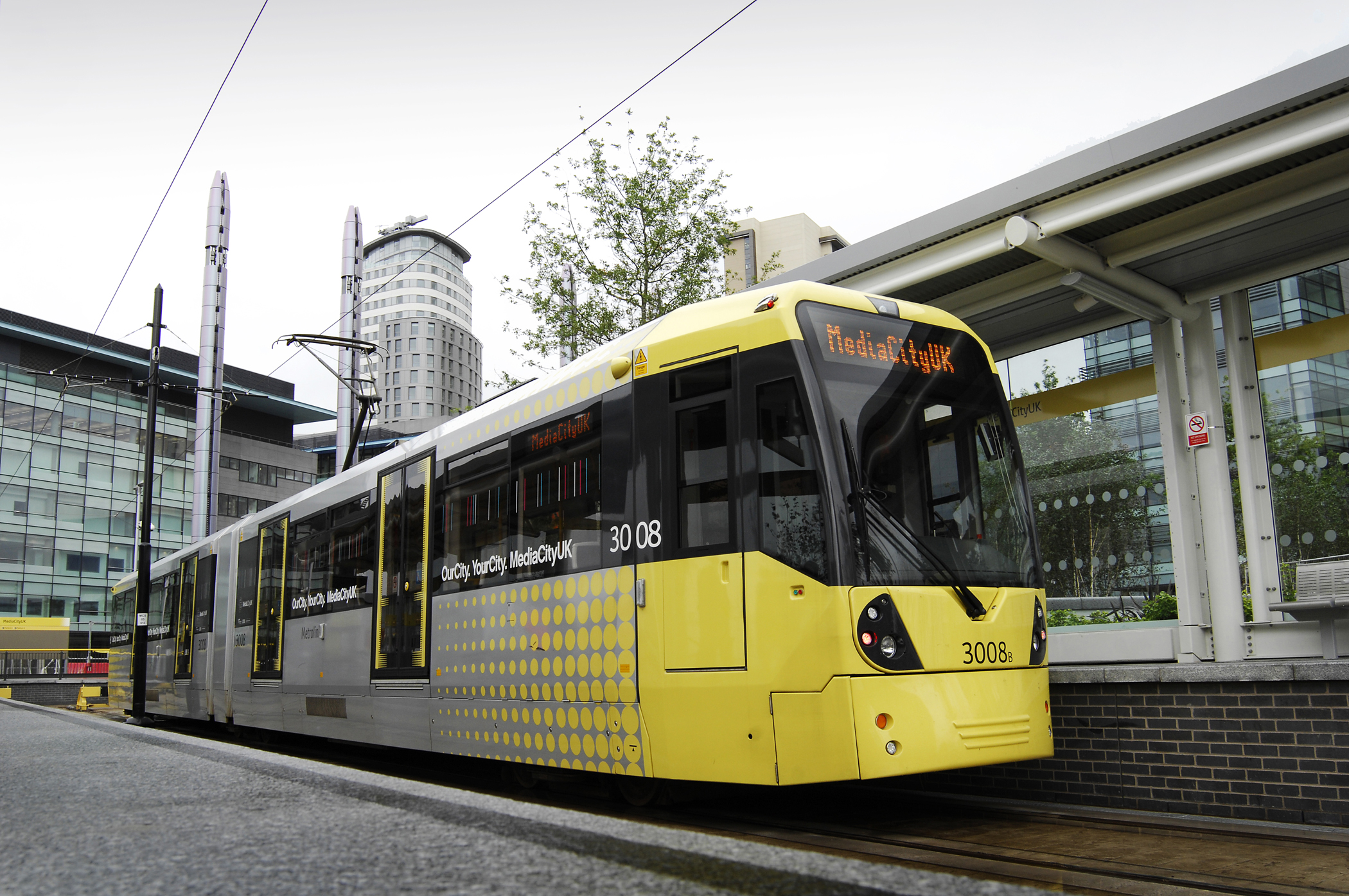
Featured Images — Anthony Parkes (via Geograph)/The Manc Group