This company is offering fully-funded online courses to people from Manchester
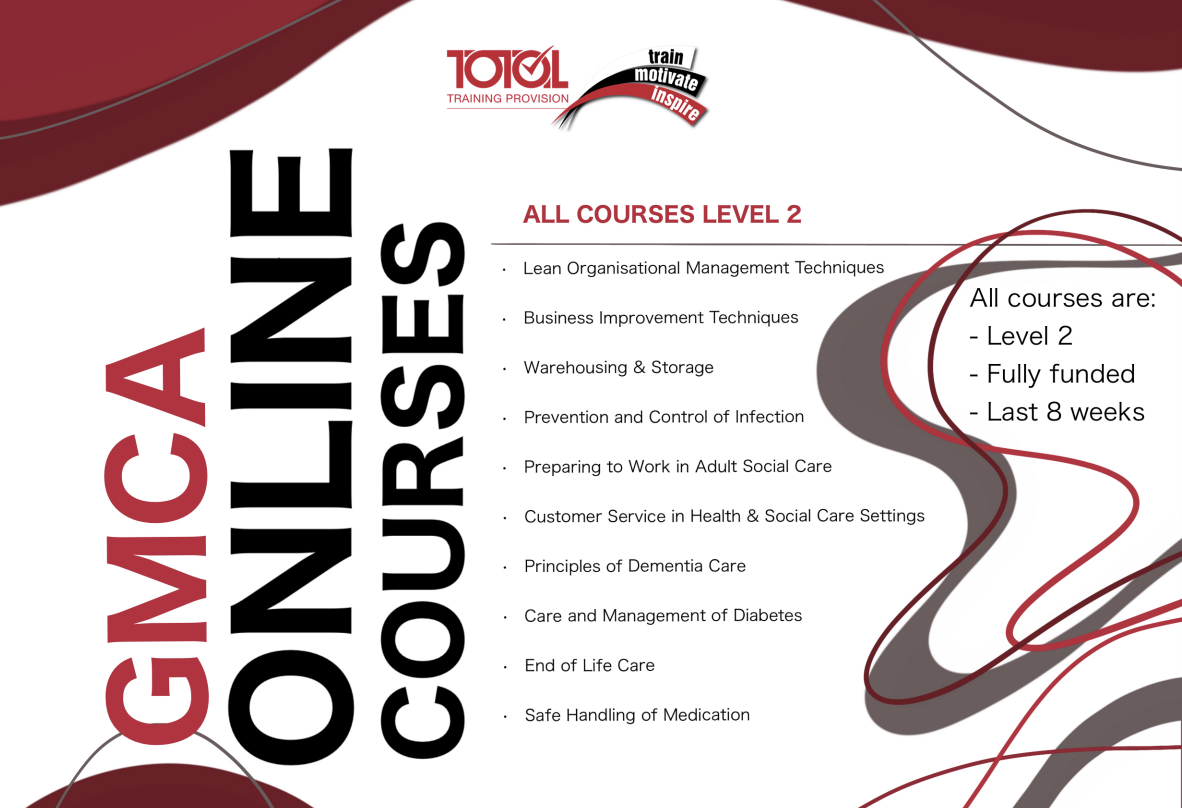
From social care, to infection control, to business improvement techniques, TTP is offering the kinds of qualifications that can help people get back on their feet following the pandemic.
For all its downsides, lockdown has at least given everyone a lot more time to think.
As the country closed down around us, we’ve been left alone for three months to reflect on our careers so far – and what we might like to do in the future.
If you’re feeling deflated at having to return to work after weeks of furlough, or the only thing you miss about your recently lost job is the money – that’s a big red warning flag.
It’s time to take your career in a brand new direction.
And Total Training Provision (TTP) is helping people do exactly that – in the comfort of their own homes.
ADVERTISEMENT
This training provider specialises in helping people acquire vital skills and carve out exciting new employment opportunities – and now those in Greater Manchester can access the online courses without paying a penny.
TTP currently have funding available to offer fully-funded Level 2 qualifications to anyone age 19 or over – and there’s a huge range to choose from.
ADVERTISEMENT
From social care, to infection control, to business improvement techniques, TTP is providing the kinds of qualifications that can help people get back on their feet following the pandemic and start climbing the right kind of career ladder.
Anyone can access the courses (irrespective of employment status) – which present a terrific opportunity to upskill or gain knowledge in a new sector.
There’s all kinds of information available on their website, including more details on courses, employment support and apprenticeships.
You can also contact Emily at TTP directly you are interested on 07841 422865 or by email [email protected].
Trending
Home Bargains has announced a special two-day closure of all UK stores
Emily Sergeant
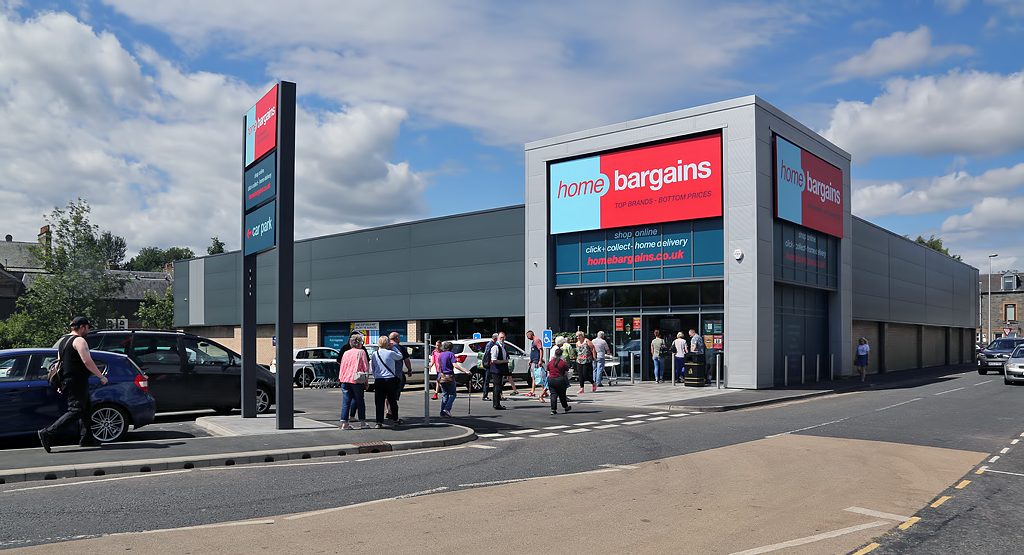
Home Bargains has, once again, announced it’ll be closing all its UK stores on both Boxing Day and New Year’s Day this year.
And it’s to make sure staff get a ‘well deserved break’.
After what has been yet another busy year for the retail industry, many workers have been left feeling like they could do with a little extra time off, which is why Home Bargains is following on with what has become a now-annual tradition by shutting up shop on two bank holidays.
All of our stores will be closing for Boxing Day & New Years Day.
Announcing the move in a post on social media, the discount retailer confirmed: “All of our stores will be closing for Boxing Day and New Years Day. We would like to thank all our colleagues for how hard you have worked this past year, and want you to relax and enjoy the Christmas break with your loved ones.”
Of course, this isn’t the first time the retailer has kept its doors shut on bank holidays.
Many shoppers will recall it has made the same decision to give hardworking staff a break every year since 2019.
Explaining a little more about the decision taken to close all its stores, Home Bargains said: “As a family-run business, we know the importance of being together at Christmas with those we care about most, now more than ever.
“This is our way of saying thank you to our colleagues for their continued hard work and dedication.”
Featured Image – Geograph
Trending
Two Greggs in Manchester will be serving their breakfast menu in the evening next week
Emily Sergeant
Who says breakfast has to end at 11am?
In news that’s set to be music to the ears of breakfast lovers in Manchester, Greggs is giving them exactly what they want.
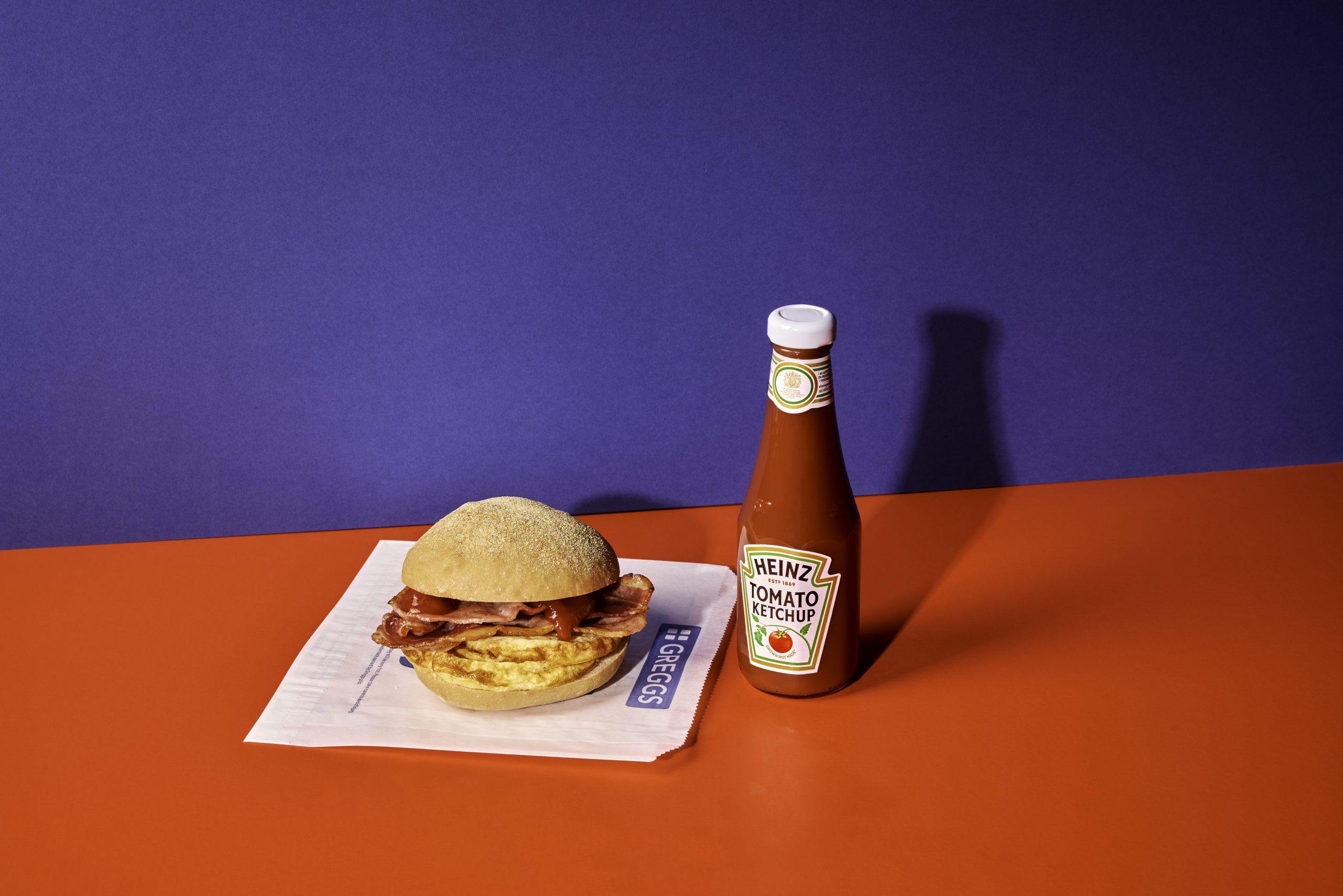
We all know that brunch is a ‘thing’ by now, so now it’s time for brinner to make a name for itself instead, as Greggs has teamed up with Heinz to bring its much-loved breakfast menu back for tea time, kicking off from 4pm onwards.
The move comes as a new survey has found that the majority of Mancs (69%) admit to enjoying eating breakfast food in the evening, saying it’s ‘convenient and comforting’ – even ranking breakfast as a ‘more important’ meal than tea, as well (38% vs 36%).
Two Greggs in Manchester will be serving their breakfast menu in the evening next week / Credit: Greggs (Supplied)
Greggs says it has ‘lost count’ of the amount of customers that have tried to order breakfast items after the usual cut-off time, especially in Greater Manchester.
But luckily for those breakfast-loving Mancs, they can finally get their favourite breakfast and sauce pairing long after the morning rush is over next… but only at two Greggs branches, and only for a very limited time.
On Wednesday 14 and Thursday 15 October, the Heinz x Greggs Brinner collab will be available at Greggs St Mary’s Gate and Greggs Oxford Road, from 4-7pm only.
“We’ve lost count of the number of customers who have tried their luck ordering breakfast after 11am, so when Heinz came to us with the idea of making Brinner a reality, it felt like the perfect excuse to give the people what they want,” explained Zoe Harris, who is the Customer Director at Greggs.
“And let’s be honest, a Greggs Bacon Roll just wouldn’t be the same without a squeeze of Heinz Tomato Ketchup.”

 The Manc -
24th June 2020
The Manc -
24th June 2020