A Manchester apartment block at the centre of the recent cladding scandal has now been considered so high risk that it doesn’t even qualify for fire insurance.
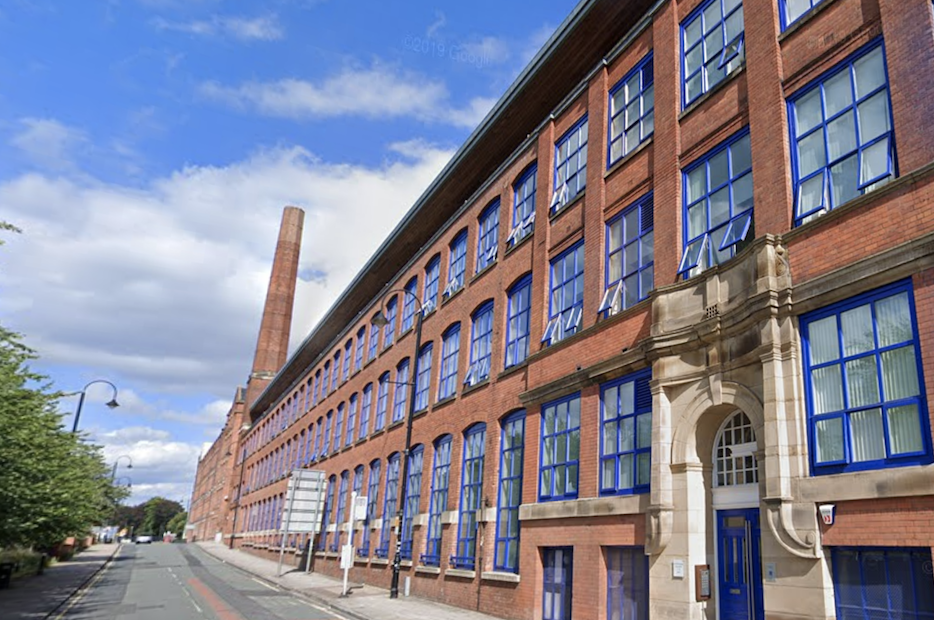
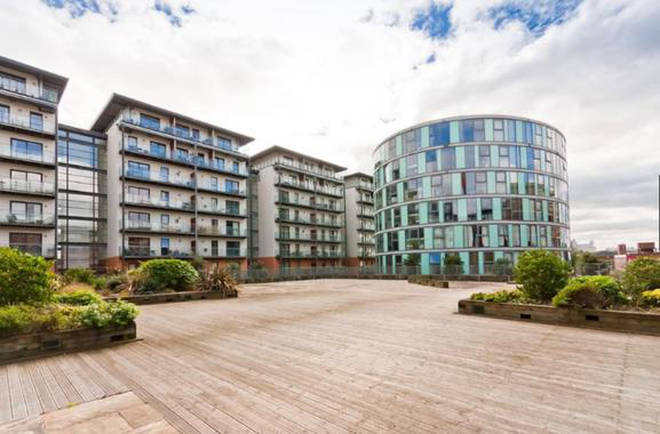
An inspection at the Albion Works building in New Islington last year revealed a wide range of fire issues – with leaseholders claiming they were unknowingly sold unsafe homes.
The previous insurance policy for blocks D and E was due for renewal two weeks ago (September 1), but according to management company RMG, previous insurers are unwilling to provide cover any longer.
Freeholder Artisan H2 has so far failed to secure new fire insurance – meaning leaseholders are at risk of losing everything if a blaze breaks out.
In the meantime, RMG is urging residents to be vigilant when cooking and to avoid leaving naked flames unattended.
Sarah, a first-time buyer at Albion Works, said: “It is terrifying that we not only have to live with the risk from combustible cladding but now we discover there is no insurance for the very thing our building has been found to be at a high risk from. I’d have more consumer rights if I’d bought a toaster.”
Artisan H2 has said it is making ongoing efforts to acquire cover, but after a fortnight of being left uninsured, residents are still waiting to hear more information.
ADVERTISEMENT
Leaseholders in Albion Works have already been billed £400,000 for fire wardens, £70,000 for fire alarm improvements, and £10,000 in consultancy fees.
Anyone who fails to fork out for the necessary repairs is being threatened with referrals to debt collection agencies.
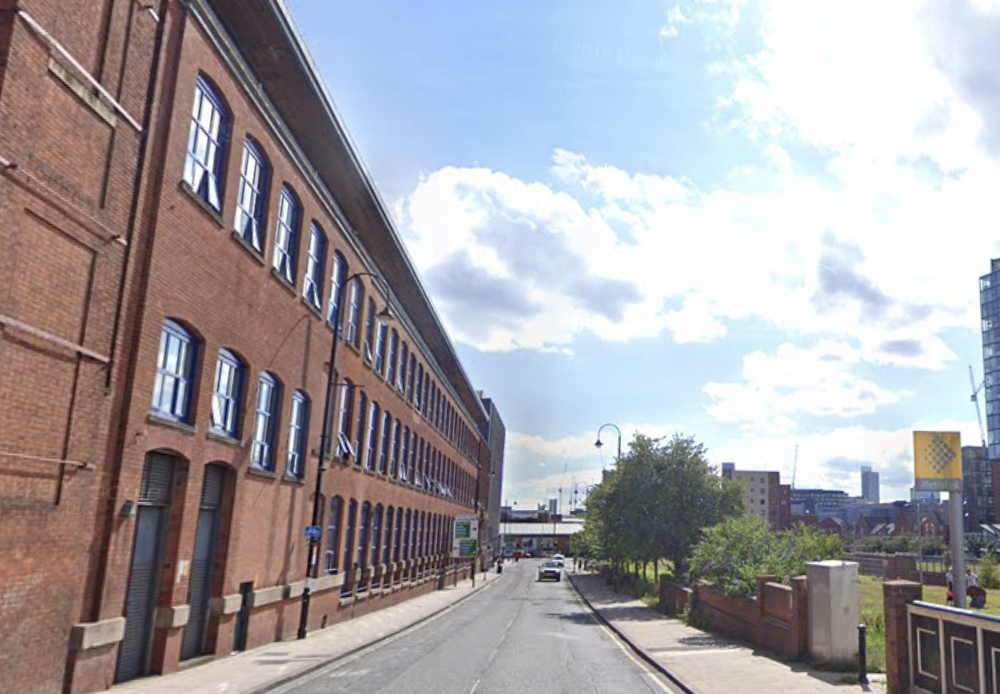
Pollard Street / Google Street View
Sarah says: “I now feel utterly trapped. I’ve had sleepless nights worrying about the safety of my home and I feel physically sick every time I receive an email from my management company as I have no idea how many thousands they will be billing me for now.
ADVERTISEMENT
“I am unable to make any plans for my future and I don’t know if the bills I am still to receive could bankrupt me.“
Another resident, Leanne is equally distraught.
“I was so proud as a single young female I managed to get myself on the housing ladder and was so grateful to have the help of the government’s Help to Buy scheme,” she said.
“Three years later I’m feeling as though the government don’t care that my property could be the next Grenfell, my life is on hold, my mental health is deteriorating, and my financial future is ruined.
“Why is the government allowing this to happen to us?”
ADVERTISEMENT
Albion Works has been registered for the government’s £1.6bn building safety fund.
However, this pot of money is only expected to cover a third of the British buildings requiring urgent repairs.
Decisions on funding allocations will apparently be made on a ‘first come, first served’ basis.
If the buildings do not qualify for the fund, leaseholders will have to foot the bill.
LBC
As buildings await confirmation on financial support, Albion Works residents remain stuck with no fire insurance in apartments worth £0.
ADVERTISEMENT
Responding to LBC, building owners Artisan H2 said they were “working day and night” to resolve the issue.
“We are committed to ensuring that the buildings are fully insured and we continue in daily discussions with a number of brokers in order to obtain full cover as quickly as possible,” said representatives.
“We appreciate the concern that this situation is causing, indeed as leaseholders of properties within the blocks we share the concern of our follow leaseholders. We are working day and night to obtain the best possible cover.
“We will keep all parties updated as soon as there is any movement on the insurance position.”
News
Victim named and murder investigation launched after young woman is killed in Newton Heath stabbing
Emily Sergeant
The victim of a street stabbing in Newton Heath this week has been named for the first time as a murder investigation continues.
It comes after officers from Greater Manchester Police (GMP) responded to reports of a disturbance at around 2am yesterday (Thursday 15 October) on Dorking Avenue, in the Newton Heath area of Manchester, and when they arrived on the scene, they found a woman in her 20s with serious injuries that were ‘consistent with a stabbing’.
Despite best efforts of all emergency services involved, the young woman was sadly pronounced dead at the scene.
As the murder investigation progresses, the woman has now been publicly named and a photo of her has been released for the first time.
She has been named as 26-year-old Alisha Samuels.
At this time, one man, aged 25, has been arrested on suspicion of murder, and a man and woman, aged 61 and 38, have been arrested on suspicion of assisting an offender, and they all remain in custody – with officers continuing their enquiries to establish the full circumstances of this incident.
Alisha’s family have asked for privacy whilst they deal with the devastating loss of their loved one, GMP has stated.
“We are continuing to urge people who may have information in relation to this incident to please come forward to support our investigation and bring justice for Alisha,” the police force said in a public appeal.
Anyone who may have witnessed the incident, or has mobile phone, CCTV, or doorbell footage, is urged to call GMP on 0161 856 5464, or contact them via the Major Incident Public Portal here.
Alternatively, you can contact Crimestoppers on 0800 555 111
Featured Image – GMP (Family Handout)
News
Former supply teacher jailed for multiple upskirting and AI sex offences across Greater Manchester
Emily Sergeant
A former supply teacher has been jailed for multiple upskirting and AI sex offences in schools across Greater Manchester.
Abusali Rahman – a British national of Bangladeshi ethnicity from Salford – appeared in Bolton Crown Court this week for his sentencing after first being charged with, and then pleading guilty to, several offences.
The offences are including, but not limited to, 12 counts of taking an indecent photograph/pseudo-photograph of a child (images obtained by upskirting), three counts of making indecent photograph / pseudo-photograph of a child (making AI-generated images), and one count of attempting to meet girl under 16 following sexual grooming.
The offences are alleged to have taken place between December 2023 and June 2025, according to Greater Manchester Police (GMP).
Twelve girls have been identified in relation to the upskirting offences – aged between 13 and 16 at the time of the alleged offending – at seven high schools in three Greater Manchester boroughs (Bury, Bolton, and Salford).
GMP says it has remained in close contact with the schools, local authorities, and other partners throughout the investigation to ensure all appropriate support is in place for those who need it.
Additionally, the court also heard how Rahman amassed a collection of images of young girls, using AI and other methods to sexualise them.
The images numbered more than 300 in total, ranging from Category A to Category C classifications, and Rahman would post these on social media, often alongside humiliating and disgusting captions.
Rahman was sentenced to six years in prison, and will also be subject to a 20-year Sexual Harm Protection Order.
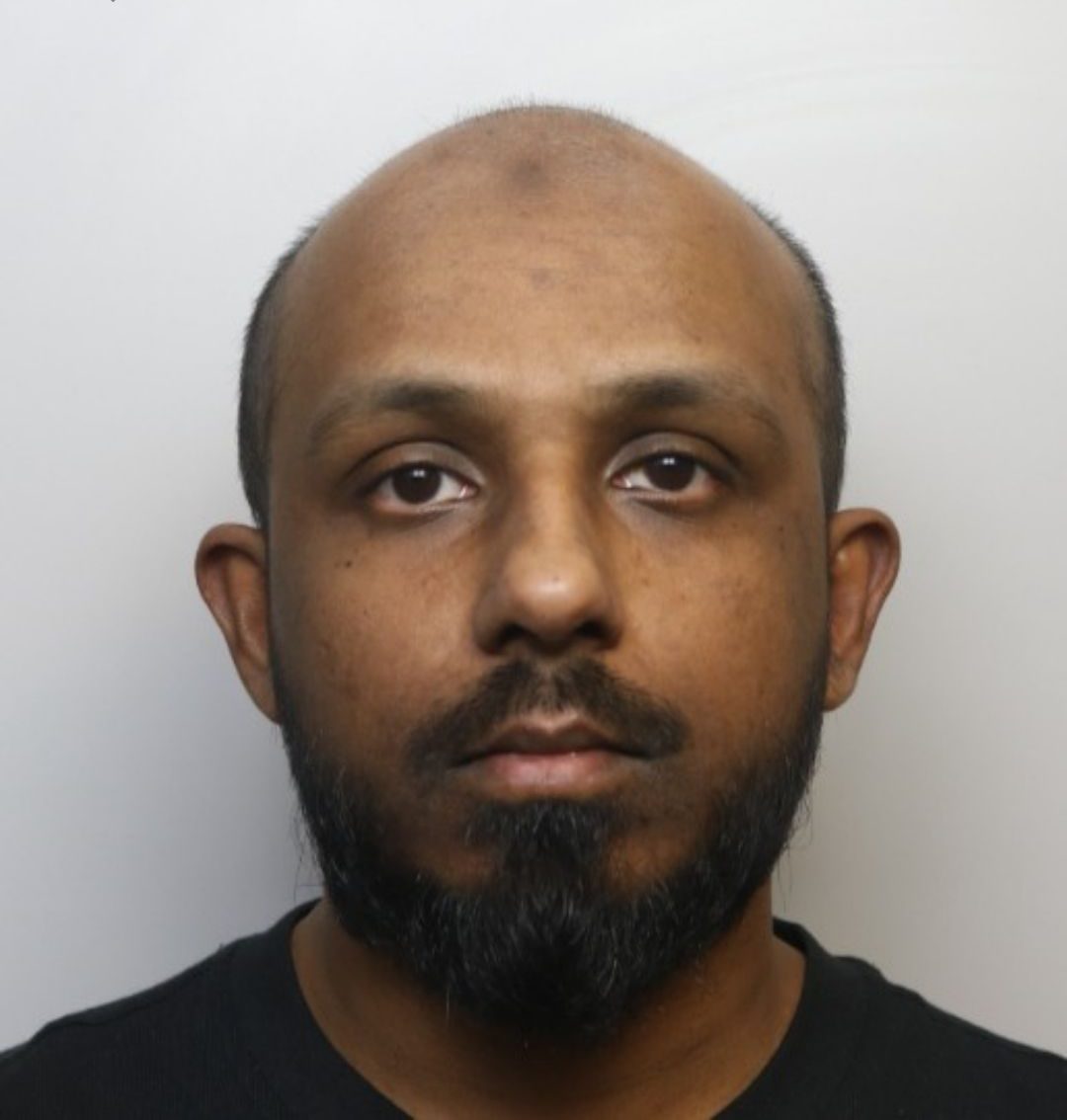
A former supply teacher has been jailed for child sex offences in schools across Greater Manchester / Credit: GMP
Detective Constable Lisa McGaffin, from GMP’s Bolton Child Protection Team, described Rahman’s crimes as ‘absolutely abhorrent’.
“My thoughts throughout this process have always been with the young girls who have been subject to such indignity,” DC McGaffin said following the sentencing this week. “Their welfare and support will always be a priority for us.
“While working as a teacher – someone who young children should trust and be safe with – Rahman repeatedly took secret photos for his own sick gratification, before posting images online which showed his total disregard for the girls’ respect and dignity.

 The Manc -
14th September 2020
The Manc -
14th September 2020