Second coronavirus wave is a “six-month problem” says Professor Chris Whitty
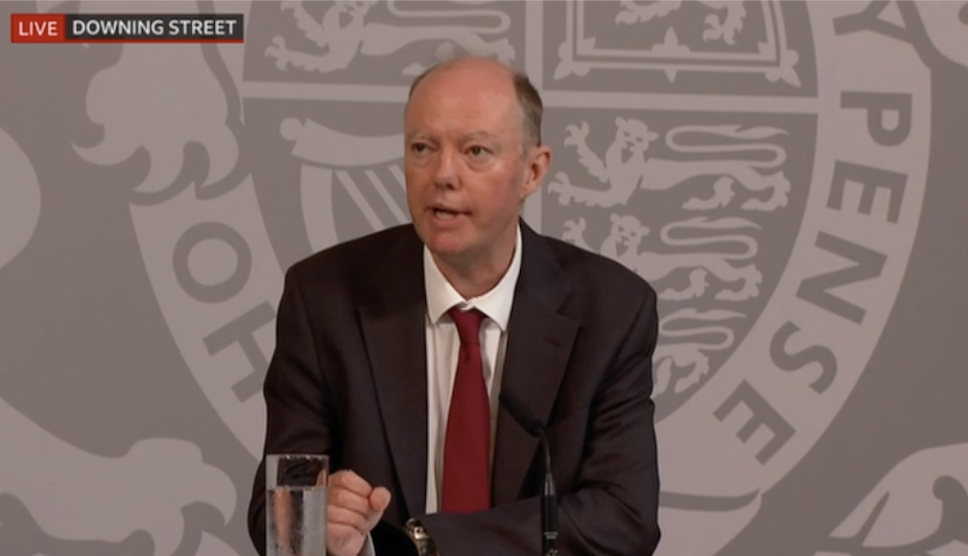
Professor Chris Whitty, England's Chief Medical Officer, and scientific adviser Sir Patrick Vallance, hosted a televised presentation of the recent coronavirus data on Monday morning (21 September).
Professor Chris Whitty has called the second wave of coronavirus in Britain a “six-month problem” – warning that cases could potentially rise to 50,000 per day if trends continue.
“What we’re seeing is a rate of increase across the majority of the country,” he said on Monday.
“As we go through in time, any [region in the UK] which was falling is beginning to rise.
“This is not someone else’s problem; this is all of our problem.
“We have, in a bad sense, turned a corner. The seasons are against us.
ADVERTISEMENT
“We should see this as a six-month problem.”
England’s Chief Medical Officer and the government’s Chief Scientific Adviser Sir Patrick Vallance delivered the message during a televised presentation on Monday morning (21 September) to address the second wave of coronavirus which has appeared across the UK in recent weeks.
ADVERTISEMENT
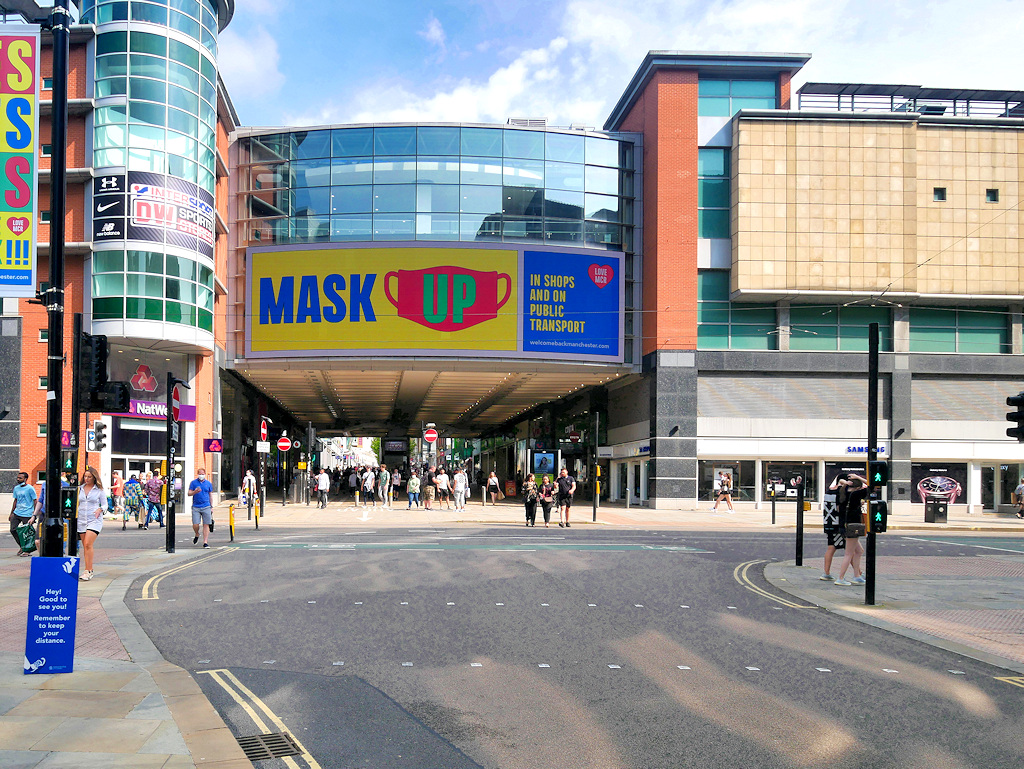
David Dixon / Geograph
Looking at other countries to “learn lessons”, Vallance stated: “We’ve seen increase in cases across Europe. It started with younger people in their twenties and spread gradually to older people as well.
“This has translated to an increase in hospitalisations.
“Sadly, but not unexpectedly, deaths are also increasing.”
ADVERTISEMENT
The number of cases in Britain is now over 3,000 per day on average; the highest levels seen since May.
But Vallance said this could grow very quickly, and that every age group is now beginning to see an increase in cases.
“I’d like to remind you how quickly this can move,” he added.
“We think the epidemic is doubling roughly every seven days. If that continues unabated… by mid-October we would end up with something like 50,000 cases per day.
“The vast majority of the population remain susceptible and therefore you’d expect spread.”
ADVERTISEMENT
Vallance reiterated that whilst this was not a prediction, it should serve as a warning as to what could potentially happen.
Currently, as many as 11 million people in the UK are living under tighter restrictions – which include curbs on socialising and visiting family and friends.
Certain businesses have also had their opening hours reduced, whereas the hospitality sector in Bolton – the town with the highest rate of cases in the country – has been asked to revert to takeaway-only.
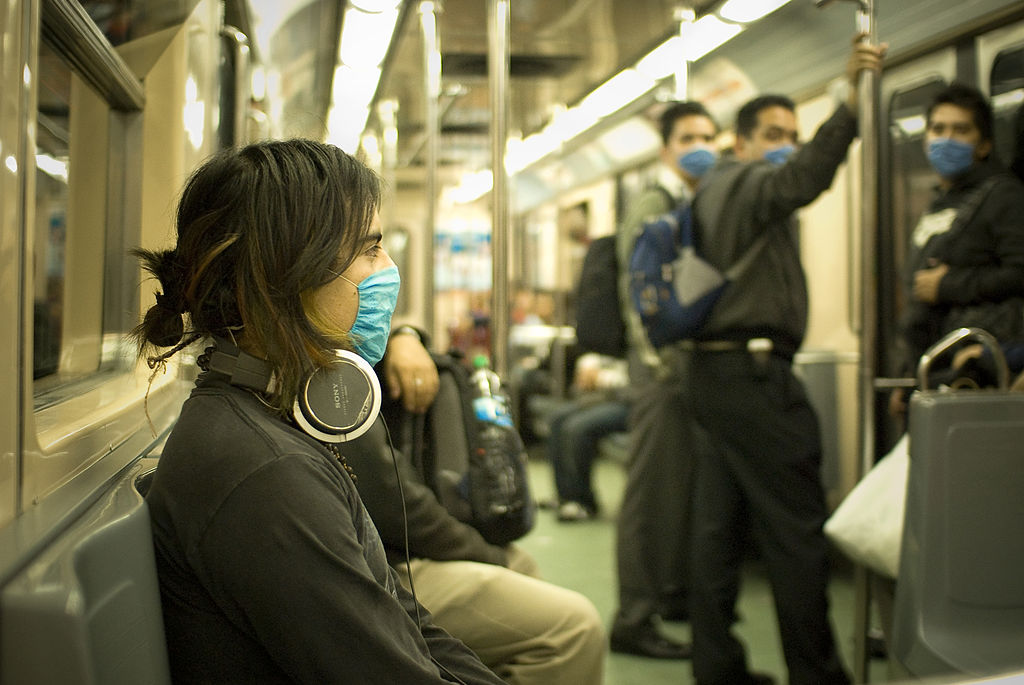
Wikimedia Commons
Prime Minister Boris Johnson had previously stated that he did not want a national lockdown, but admitted measures would likely have to go further than the recently-imposed Rule of Six.
More local restrictions have been introduced since, and from 28 September anyone who has either tested positive or been contacted by Test & Trace must self-isolate or risk a fine of up to £10,000.
ADVERTISEMENT
Transport Secretary Grant Shapps called Monday’s briefing “very stark,” claiming the UK is now at a “tipping point“.
Whitty and Valance were familiar figures in the early part of the pandemic, having flanked the Prime Minister during his daily updates in spring.
Whilst they’ve largely appeared calm and collected, the subject matter of the briefings has meant the pair’s presence on the podium has since come to symbolise the imminent arrival of bad news.
And indeed, the message on Monday was a foreboding one: The UK could be set for a very challenging winter period unless the tide begins to turn soon.
News
NHS urges people to book flu jabs ahead of winter as A&E attendances hit record 2.5 million
Emily Sergeant
The NHS is urging people get their flu jabs booked ahead of the upcoming season.
After A&E attendances hit a record 2.5 million in July, and staff experienced the three busiest months ever recorded between May and July in emergency departments, the NHS wants to do everything it can to ‘ease demand’ ahead of winter flu season arriving.
Flu season usually peaks in December and January, so the health service is starting to administer the vaccinations from autumn onwards to ensure fewer people are hospitalised.
Flu can cause significant issues for children, pregnant women, older adults, and people with some long-term health conditions – with issues including hospitalisation and, in certain cases, severe respiratory failure or even death.
It’s estimated that around 104,000 hospitalisations could have been avoided last year, which is why the NHS is keen to cut that number this winter.
From today, the national booking system is open for those eligible to book their flu vaccine, with appointments starting from 1 September.
Those eligible will be able to get their flu vaccination from a variety of places in their local community, including their GP practices and participating high street pharmacies.
The jab is given in injectable form in the vast majority of cases, while a nasal spray is provided for most children.
“Vaccinations play a vital role in protecting those most at risk from flu and they are also crucial for relieving pressures on our NHS over the winter months,” explained Health Secretary Yvette Cooper.
“Everyone who is eligible for a free vaccination will be notified through their phone or in the post, and the system for booking appointments is now open. Together, we can save lives, support the most vulnerable, and ensure our NHS is there for everyone who needs it this winter.”
The national booking system is now open so that eligible people – including pregnant women and children – can pre-book their flu vaccinations when appointments start on 1 September.
Manchester City Council approves petition calling for Market Street to be less of a ‘sensory overload’
Daisy Jackson
A petition has been launched calling on Manchester City Council to review the management of Market Street, hoping to make it ‘more peaceful’ and less of a ‘sensory overload’.
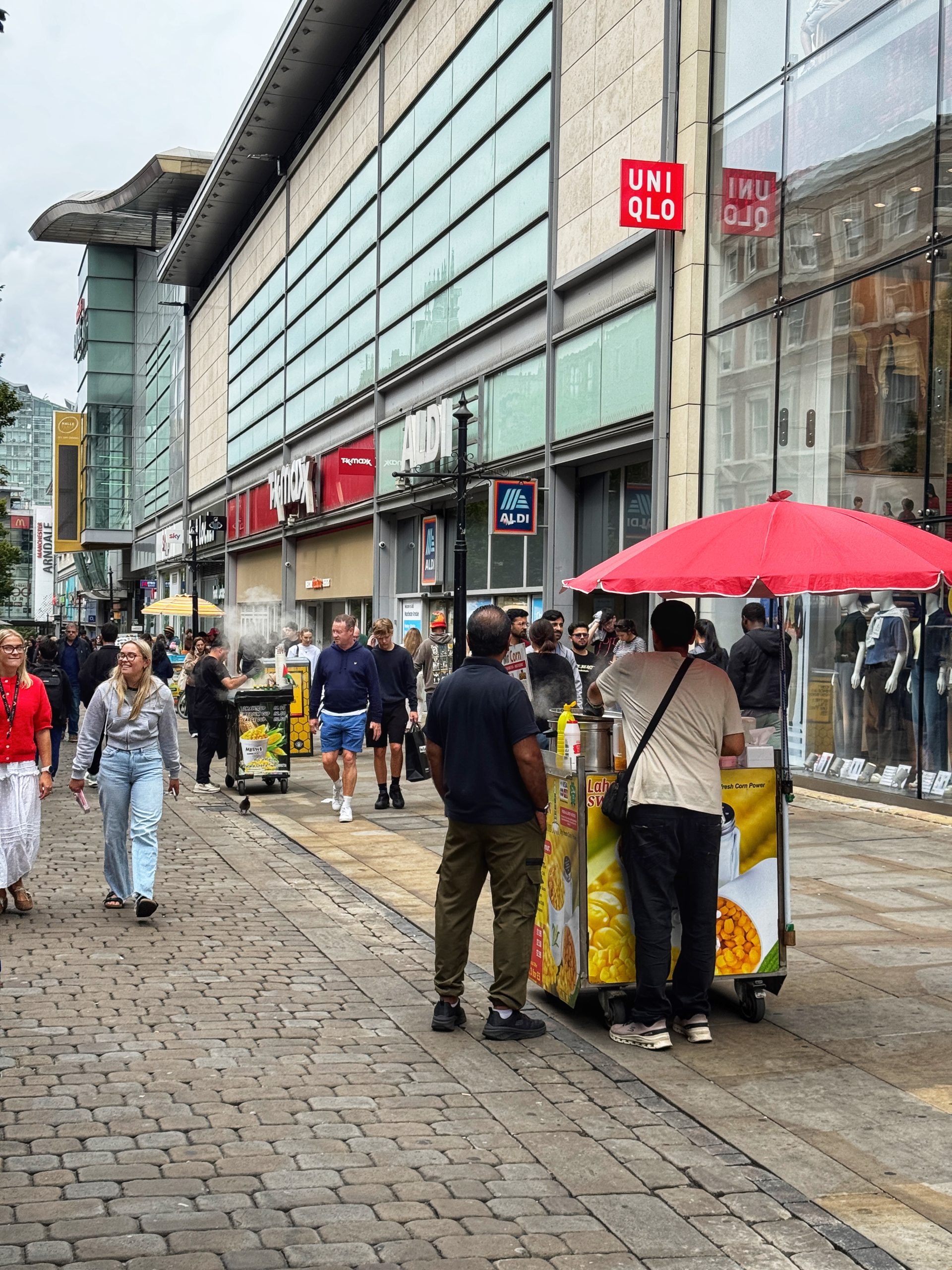
All Mancs know that a walk down Market Street is no easy undertaking – it’s a hugely busy shopping street and pedestrian thoroughfare, often populated by buskers, street performers, charity fundraisers, and roving stalls.
One does not simply ‘pop to the shops’ in Manchester city centre. Instead, we pinball our way along the street which often feels like an urban obstacle course.
And now, an online petition has been launched and approved by Manchester City Council, calling for the street’s management (and that of Piccadilly Gardens) to be reviewed.
The petition calls on the council to assess ‘the cumulative effect of these activities, including excessive noise, sensory overload, obstruction, and difficulty navigating the city centre’.
And while it is ‘not directed at any particular group of people, business, political belief, charity, religion, or organisation’, the petition organisers believe that the large number of organised street solicitation, amplified sound, gazebos and stalls, and organised gatherings, are all significantly impacting pedestrian movement.
“These spaces should remain accessible, comfortable, safe, and easy to navigate for everyone,” the petition states.
A ‘quiet’ Monday lunchtime on Market Street. Credit: The Manc Group
Management measures for both Market Street and Piccadilly Gardens that have been put forward include designated locations for organised activities, permits, reasonable controls on noise levels, a review of street trading locations, and more measures to reduce obstruction in high-footfall areas.
It reads: “The review should also consider whether the concentration of multiple organised activities within the same locations operating during the same time slots is appropriate, and whether a more balanced distribution across the city centre would improve accessibility while continuing to respect the rights to freedom of expression, peaceful assembly, and legitimate trading.
“The aim is not to prevent lawful expression, peaceful assembly, or legitimate trading. Instead, it is to ensure that Manchester’s busiest public spaces remain welcoming, accessible, and functional for everyone by achieving an appropriate balance between the many activities taking place within them, while protecting the rights of all who use these shared public spaces.”
The petition has made its way onto the Manchester Reddit subreddit, where one person described Market Street as an ‘absolute sensory overloaded obstacle course’ and a ‘sweetcorn scented sleep paralysis demon’.
The petition calls for more thought into the organisation of traders, performers, and more on Market Street. Credit: The Manc Group
One person commented: “Literally walked down market street just yesterday and thought about this, very glad something might actually be done. I moved away years ago and it was never good, but yesterday I’d never seen anything like it. Preachers, half a fun fair, sweet stand, rapper, guy dancing in a banana suit and more. It’s absolutely f*cked.”
Someone else posted: “People can practice whatever religion they want, but it’s horrible hearing loud chanting music, combined with two other religions doing the same thing, combined with random preaching, and then the buskers that seems to think if they’re super loud it means that are super good.”
You can see and sign the petition to review Market Street HERE.

 The Manc -
21st September 2020
The Manc -
21st September 2020