Some businesses have finally managed to regain a foothold after being knocked for six by the pandemic. But for bars and restaurants, the challenge has only just begun.
Whilst the general public are awaiting July 4 (the day pubs could reopen) with bated breath, the venues themselves aren’t filled with the same giddy optimism.
Social distancing rules and regulations have rendered ‘normal’ customer serving methods impossible, and for the smaller, independent bars we all know and love, finding a solution is proving panic-inducingly difficult.
That’s why seatd are stepping in to help.
This innovative tech system allows customers to order food and drink to their seats without the need to fill in forms, download an app or pre-order beforehand. All they need to do is scan a code on the table – and choose their serving preferences (bring to the table, collect at the till, or a specified pickup point).
ADVERTISEMENT
It’s easy for customers. It’s easy for venues. And everyone stays safe.
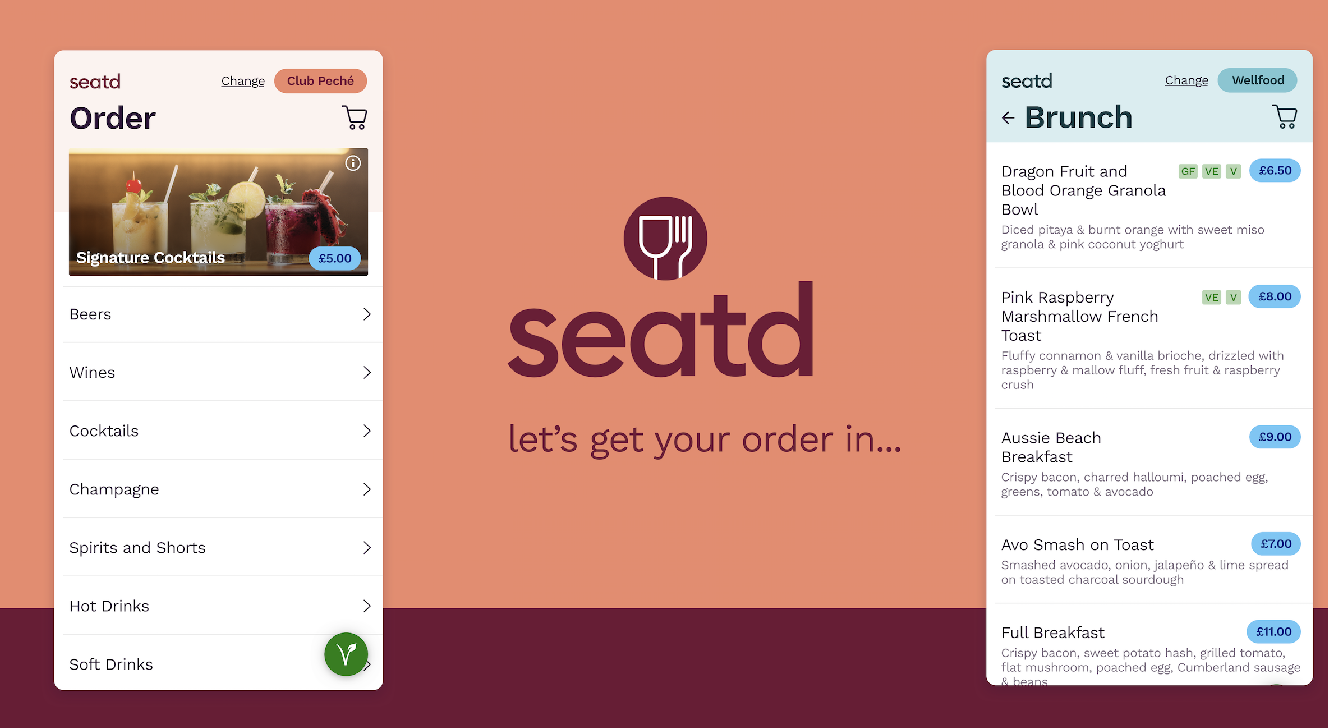
Through user-friendly design and technology, guests are invited to view digital menus on their phones – complete with food/drinks and dietary requirements.
ADVERTISEMENT
The web-app also features a unique back-of-house system, so businesses can track live orders clearly and efficiently – with an admin panel sitting on a tablet or laptop next to existing POS systems.
Every customer will also be given the option to donate to a local charity, at no extra cost to the venue.
Despite the straitjacket being thrown onto the hospitality sector, seatd has found a way to create environments where people still have freedom in how they order and pay.
ADVERTISEMENT
The brainchild of hospitality tech specialists Craig Davies, Matt Gibbs, Stephen Powell and Jack Woodward, the seatd software has been developed over the last three months and is being rolled out to venues ahead of the grand bar/pub/restaurant reopening next month.
Wikimedia Commons
Craig Davies, co-founder of seatd said: “seatd was born out of our love and understanding of the hospitality industry and what would be essential in supporting its recovery when doors reopen.
“With safety of paramount importance to us, we want to work closely with venues to help them get back on their feet, providing them with tech that helps them comply with social distancing measures.
“We’re so proud to have developed seatd. There’s absolutely no setup costs, and it’s really easy to use. Venues can literally be up in running in a matter of minutes.”
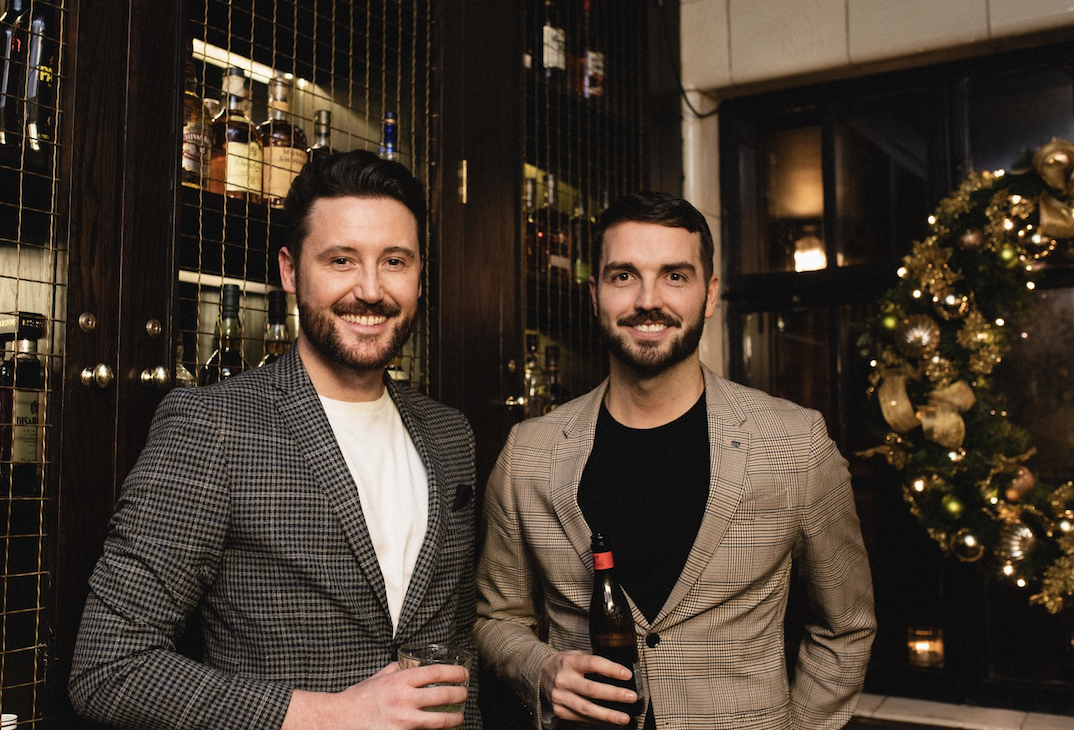
Fellow co-founder Steve Powell added: “While people are searching for a balance between peace of mind and returning to life, seatd hopes to reassure any apprehensions and help the public to enjoy the future of social hospitality and also ensure much-loved venues are able to stay trading safely and successfully.”
ADVERTISEMENT
Alongside seatd, Craig Davies and Stephen Powell are co-founders of the award winning Viper app, which enables customers to pre-book tables and drinks at bars in Manchester including Manahatta, Dirty Martini, Impossible and BLVD.
For more information on seatd, visit their website. Venues can get in touch right now for support with any social distancing measures.
You can also follow them on social media: @beseatd.
News
New images released of Piccadilly Gardens as transformation plans take a big step forward
Daisy Jackson
Plans to transform Piccadilly Gardens to make them more ‘colourful, vibrant and safe’ have taken a big step forward today, with new images released.
Manchester City Council has shared the vision to the public ahead of a planning application being submitted this summer.
The plans to finally give Piccadilly Gardens some love were revealed last autumn, but things are now moving at pace with a delivery team appointed to design and build the new public space.
The new images show the vision for more green space, including lawns, trees, planting, seating, and colourful horticultural displays.
The temperamental fountains will also be removed for good, replaced with a new space called The Pavilion which will host family-friendly events.
The low concrete walls and raised planters at the edge of the gardens will be ripped out, improving the setting of the Queen Victoria statue.
There’ll be a new, larger playground for younger children, created in the same high quality style as the new parks at Mayfield Park and Ancoats Green.
A pre-planning consultation has started today and will run until Wednesday 15 July, with plans to submit the final planning application later this summer.
The new-look play area at Piccadilly GardensPlans for the new Piccadilly Gardens from above
The council has said that these new designs reflect feedback from the public and opinions on what we want to see at the new Piccadilly Gardens.
Council Leader Cllr Bev Craig said: “We’re getting on with sorting out Piccadilly Gardens. We all want to see a space which Mancunians can be proud of – a welcoming and attractive environment which people want to spend time in.
“So as well other initiatives which are delivering more police and more CCTV, we’re bringing forward this scheme to transform the public space. That means investment in more flowers, more greenery, a new welcome pavilion, a new and bigger playground and an altogether more inviting Piccadilly Gardens. A bright new chapter is just around the corner.”
Further planned improvements to the area around Piccadilly Gardens in the coming years will include a multi-million pound investment by Transport for Greater Manchester to create a new, modern transport interchange.
Council calls on Manchester public to help bring hundreds of empty homes back into use
Emily Sergeant
Residents across Manchester are being called on to help bring hundreds of empty homes across the region back into use.
Since the beginning of this year, a major review has been underway around the city’s draft strategy for bringing empty homes back into use to help meet demand for affordable homes across the city, while also improving communities by tackling empty homes that can blight an area… but now, Manchester City Council needs your help.
Following a major public consultation, the Council is now acting on feedback to accelerate plans to bring as many long-term empty homes back into active use as possible.
Although the number of long-term empty homes in Manchester is near a historic low, with the Council having managed to reduce the number by more than half since 2013, there is still more work to be done.
“Every void property is a missed opportunity to provide a family a place to live, reduce homelessness, and lessen the burden on temporary accommodation,” the Council said in a statement.
The Council is calling on the Manchester public to help bring hundreds of empty homes back into use / Credit: Benjamin Elliott (via Unsplash)
So, how can residents help then? What do you need to do if you spot an empty home on a street nearby?
Well, the easiest way to report an empty home is to report the issue online here, or by emailing [email protected]. And then once that’s done, a team of dedicated empty homes officers will take up the case to find out who owns the property and work with the owner on a plan to bring the home back into use.
The vast number of empty homes are privately owned with complex histories, and there are some cases where an owner may have passed away.
While working collaboratively with housing providers, voluntary organisations and public services are also a key element of detecting potentially empty or ‘problematic’ homes to repurpose them.
Officers can also support, where required, if a communication or language poses a barrier to resolving an empty home issue.
Tailored approaches to different communities – where empty homes impact neighbourhoods in different ways – are also being considered, according to the Council.
“To think, if we could bring all empty homes back into use, then we could provide more homes for those on the housing register and take pressure off the whole housing system,” explained Cllr Gavin White, who is Manchester City Council’s executive member for housing and development.
“The potential of making empty homes a thing of the past is huge for Manchester families looking for a place to call home – and a significant part of tackling the housing crisis.”