A house in Didsbury that birthed one of the most famous faces of modern television has gone up for sale in Manchester.
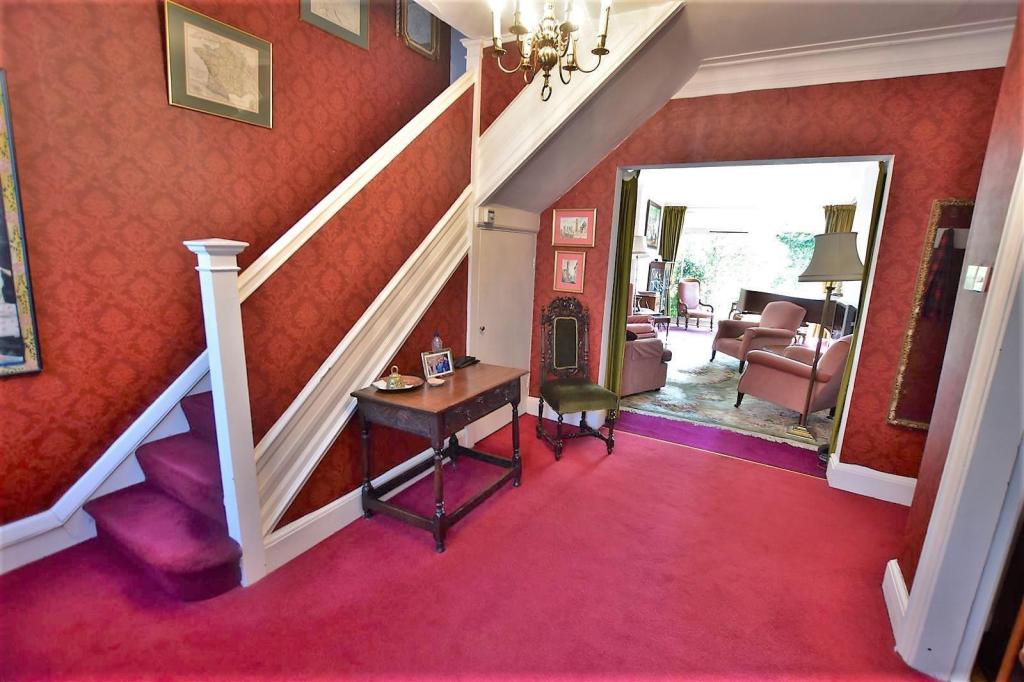
The unassuming semi-detached 5-bedroom house may look ordinary and suburban from the outside, but it has a fascinating place in 20th-century television and modern British art.
Home to the renowned contemporary sculptor Mitzi Cunliffe from 1951 to 1964, this is the place where she created some of her most famous works – as is shown outside on a blue plaque installed in 2018, following petitions by the Modernist Society and the 20th Century Society.
That includes the iconic gold theatrical mask BAFTA statue, which is still given to winners at the TV awards to this day.
This immediately recognisable sculpture was in fact created in the garage of the home after Mitzi converted it into an artists studio for herself.
ADVERTISEMENT
However, the New York-born artist also worked with a range of materials include textiles, ceramics, and jewellery.
She also developed her own technique to mass-produce abstract designs in concrete in relief as architectural decoration, applying it to some pieces that can still be seen around Manchester today.
ADVERTISEMENT
Image: Gascoigne Halman/RightMove
Of her surviving sculptures in the city, only a handful remain – including a stone frieze at the Heaton Park reservoir pumping station and a fiberglass relief at the base of Owens Park Student Tower.
Mitzi initially moved into the house with her husband, history professor Marcus Cunliffe, and lived many happy years there before she died in 1970 aged 88.
The couple also had another house in France.
ADVERTISEMENT
Image: Gascoigne Halman/RightMove
Writing about Mitzi in 2012, Modernist Society founder Maureen Ward paid tribute to her life and work, saying:
“Mitzi might have been born in New York but her soul belongs firmly in the North West of England and her Didsbury garage.”
“If we were the sort to award blue plaques or lobby for a Hollywood-style Wall of Fame scheme in our own city, Mitzi would top the bill.
Image: Gascoigne Halman/RightMove
“She epitomises the spirit of an exuberant, utopian partnership between planners, architects, artists and sculptors dedicated to rejuvenating the public realm after the chaos of the blitz; functional yet accessible, experimental yet egalitarian, international yet rooted in everyday surroundings.
The 1920s 5-bedroom house is now on the market for £675,000 with estate agents Gascoigne Halman, who write:
ADVERTISEMENT
“The property comes with an interesting history having been the residence where famous sculptor Mitzi Cunliffe designed the BAFTA award that is used today.
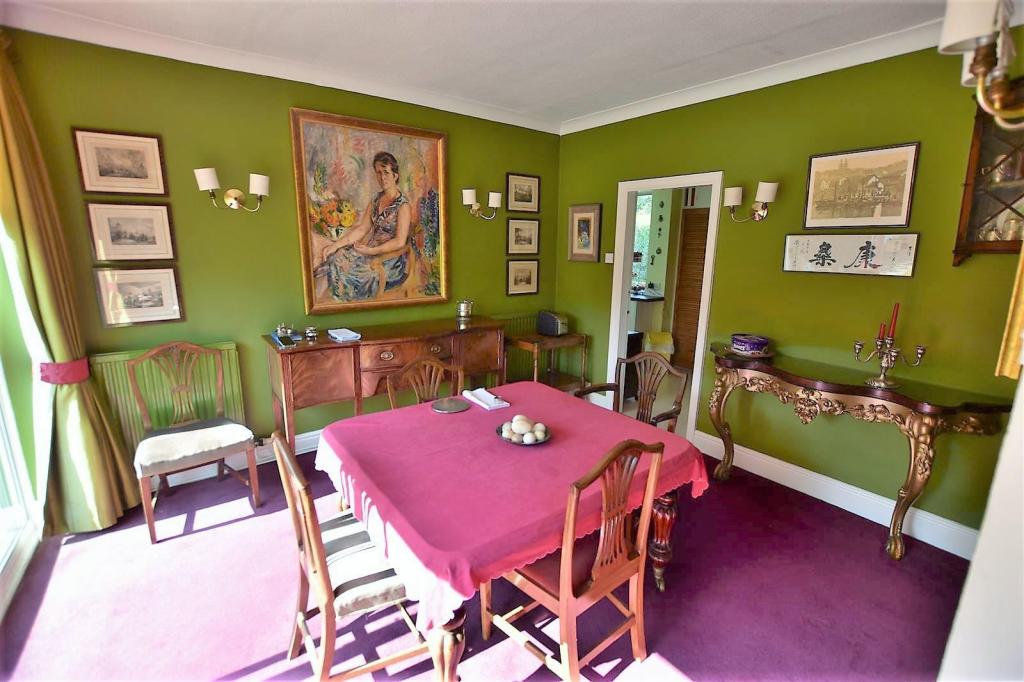
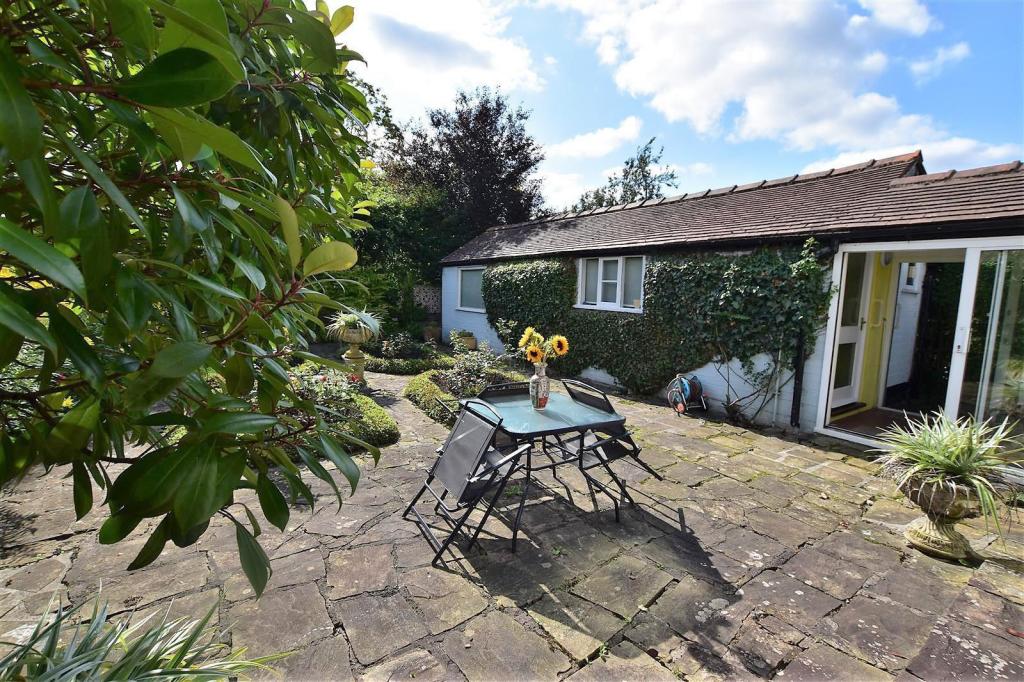
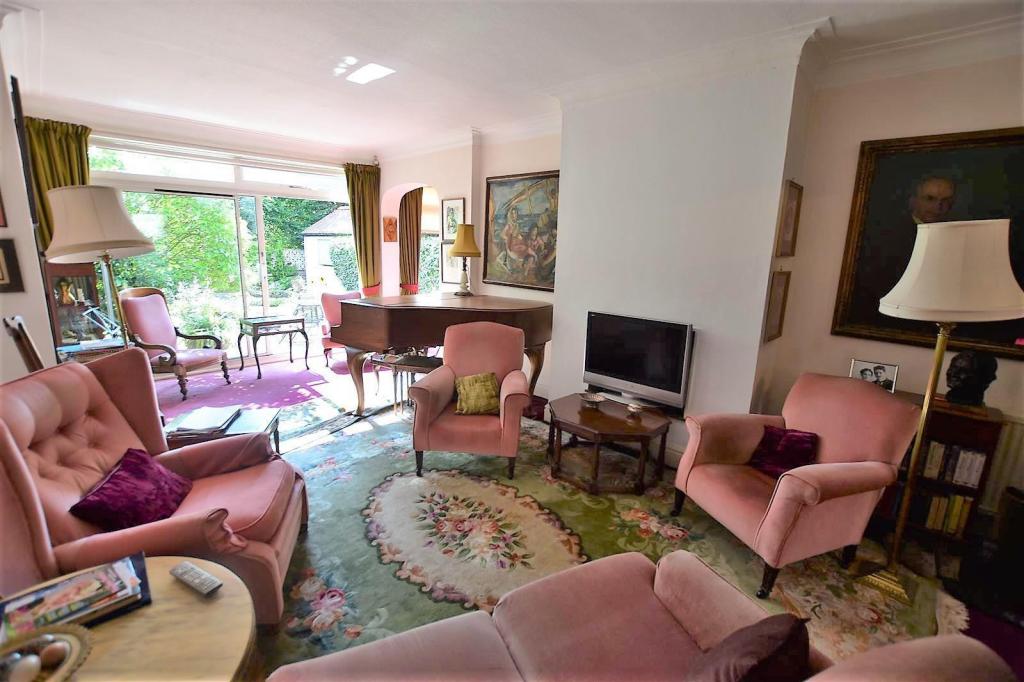
“The property offers a grand entrance hallway, three reception rooms, four bedrooms, two bathrooms and an additional one bedroom annexe to the rear. Whilst in need of some modernisation the property boasts superb potential to enhance further.”
Opening date finally confirmed for new Uniqlo store at the Trafford Centre
Emily Sergeant
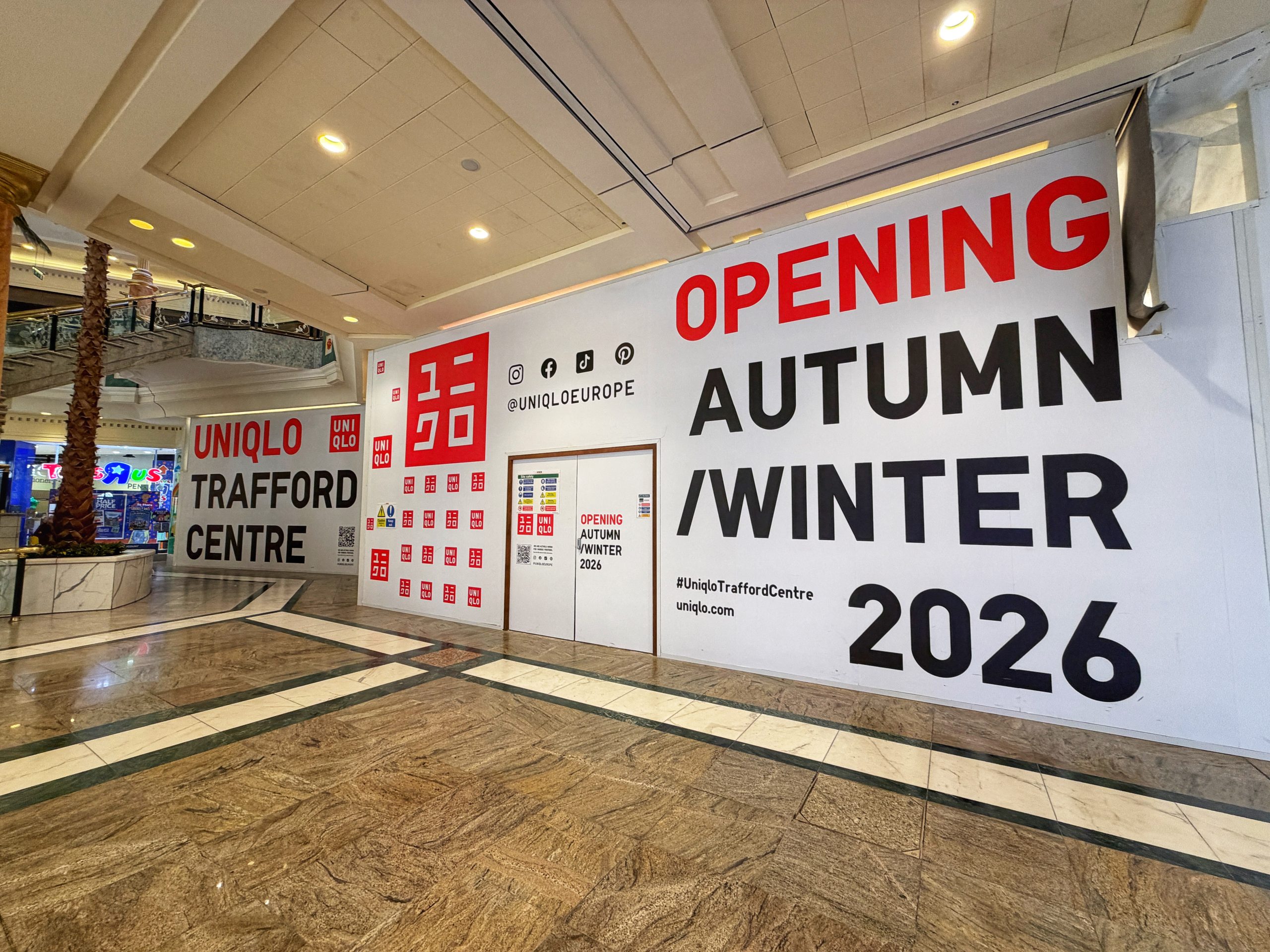
Uniqlo is preparing to open its second store in Greater Manchester, and the official launch date has finally been confirmed.
The popular Japanese high street fashion retailer currently operates 24 stores in the UK, with its first British store having opened its doors all the way back in 2001, and its first European flagship store opening on Oxford Street in London in 2007 – but it was revealed earlier this year in April that Manchester was set to get a second helping.
Uniqlo announced that it would be opening its second Greater Manchester inside the Trafford Centre this autumn, following the huge success of its city centre store opening on Market Street in 2019.
The Trafford Centre store is set to make Manchester the first location outside of London to have two Uniqlo stores.
When news broke that the hoardings had officially gone up inside the shopping centre, elated shoppers raced to the comments to say things like: “No way! I’ve been waiting years for this.”
Uniqlo is preparing to open second its Manchester store inside the Trafford Centre next month / Credit: | The Manc Group
“Uniqlo in Trafford Centre would be a dream come true,” another person said on Instagram, while a third added: “I will never have to step foot on Market Street again,” and plenty others chimed in with comments like ‘finally’ and ‘can’t wait’.
And now, we officially have an opening date to share with you.
Uniqlo will open in the Trafford Centre for the first time on Thursday 15 October, with plenty of events happening across its extended opening weekend.
Traditional Japanese Taiko drumming performances will be happening throughout the day on Thursday 15 and Saturday 17 October, while the first 300 customers to spend over £69.90 in store on the Thursday (15 October) will get a special Uniqlo Manchester goody bag.
Uniqlo’s arrival at the Trafford Centre follows the opening of several other high-profile stores in recent months, like Urban Outfitters, White Company, Stradivarius, and many more.
Featured Image – The Manc Group
News
‘Do not let Britain’s independent businesses disappear on your watch’ – Manchester bakery makes heartbreaking plea to Andy Burnham
Clementine Hall
A beloved Manchester bakery has issued an open letter to Andy Burnham ahead of the Budget begging him for help.
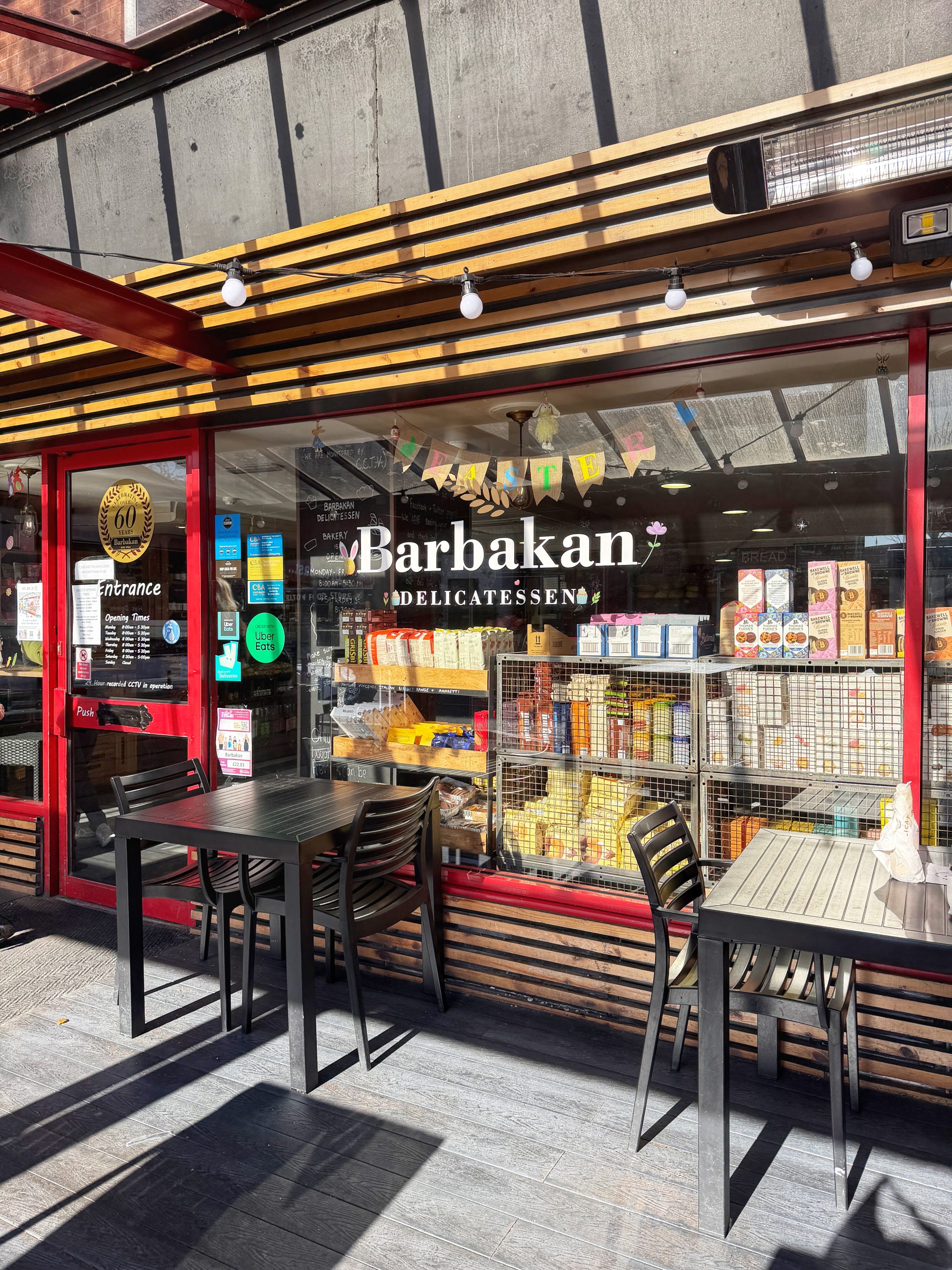
Barbakan Deli in Chorlton is basically an institution at this point.
The legendary bakery and delicatessen has been serving the community for 62 years, famed for its freshly-baked loaves of bread, its handmade sandwiches, and its pastries and cakes inspired by bakes from across Europe.
Posting on Instagram last night on Thursday 18 September, Frankie Dyer the director of Barbakan, issued an open letter addressed to Prime Minister Andy Burnham.
Images: The Manc Group
It read: “Dear Mr Burnham, As an independent business owner in the hospitality sector, I am begging you to please read this.
“Really read it. And seriously consider what businesses like mine are telling you before the upcoming Budget.”
It continued: “In just the last two years, we have self-funded new bakery machinery, new catering kitchens, essential repairs and renovations and opened a second retail site, creating another six local jobs. We have won more than ten national awards for the quality of what we do.
“We have invested. We have grown. We have employed more people. We have worked harder than ever. In short, Prime Minister, we are doing everything you keep asking British businesses to do.
“And our bank balance is finished. That is the reality.”
The letter finished by Dyer inviting Andy Burnham to come visit the bakery and pleading for a ‘fighting chance’ to save the business: “We need action. We need meaningful reductions in the tax burden placed on employers.
“We need Employer National Insurance looked at urgently. We need a business-rates system which allows independent high-street businesses to survive. We need VAT reform for hospitality. We need Corporation Tax to reward businesses which reinvest, employ and grow.
“And we need proper grants and incentives that help established independent businesses invest and expand — not schemes with endless criteria which most ordinary businesses can never access. We need you to do something.
“And we need more than one token gesture in the Budget. A band-aid for a bullet wound. So I am asking you, Prime Minister, to come back to Manchester and see it for yourself. Pop an apron on and stand behind our counter.
Images: The Manc Group
“Come into our bakery in the middle of the night and meet the people making Manchester’s bread while most of the city is asleep. Look at our payroll, our energy bills, our rates, our supplier increases.
“Look at what leaves our bank account every single week simply for the privilege of keeping 50 people employed and our doors open. You said you wanted a government that understood the regions. You now have an opportunity to prove it.
“Independent businesses across this country are not asking for a handout. We are asking for a fighting chance. I sincerely hope your next Budget gives us one”.

 Georgina Pellant -
1st October 2021
Georgina Pellant -
1st October 2021