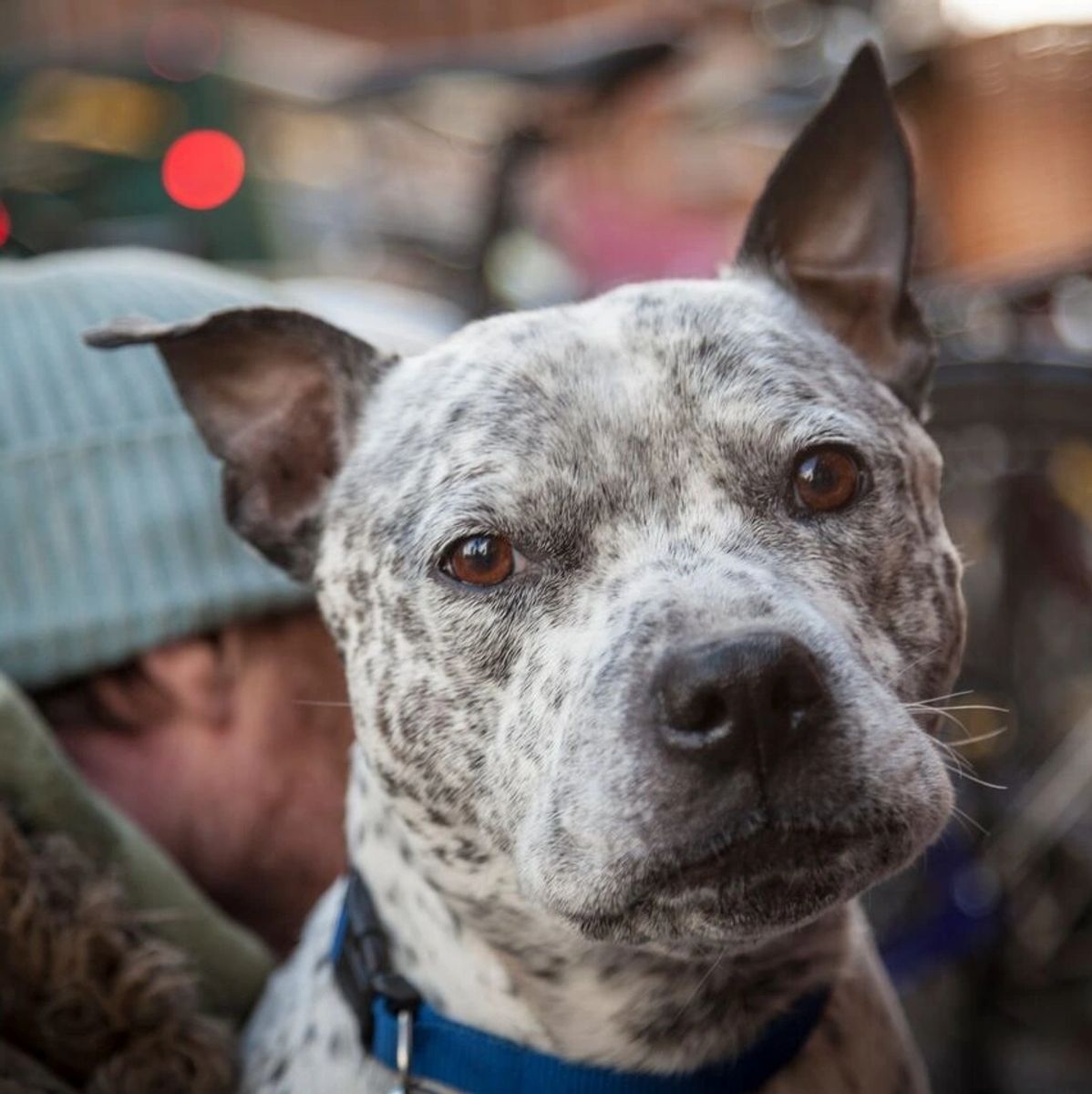
A local charity has said that homeless people in the north of England are ‘being forced’ to choose between keeping their pets and finding warm shelter.
Street Paws has said that ‘enough is enough’ and that more hostels should be pet-friendly, reports The Hoot.
Research shows that less than 10% of hostels currently welcome pets, forcing people to have to choose between sleeping rough or leaving their dogs.
It’s also been reported that less than 7% of pet owners would give up their dog in exchange for housing.
The charity provides veterinary care to homeless dogs in the north of England.
ADVERTISEMENT
Credit: Street Paws
Figures from Crisis released earlier this year estimate that 200,000 experienced ‘core homelessness’ in 2020 – and that 1 in 10 people experiencing homelessness also has a pet.
Street Paws shared the story of a man they helped called Dave* and his pet dog Lola. According to Street Paws, Dave suffers from psychosis and has complex needs.
ADVERTISEMENT
This, alongside previous experiences of being systematically abused and threatened by members of the community, means that he often sees things as a potential threat.
So when he joined a scheme and attempted to settle Lola into a kennel, he became convinced others had access to it and she was being harmed.
Both Dave and Lola struggled with separation anxiety, having developed a very close bond over the years. This, combined with cold weather, fireworks, and an “abundance of sneaky cats” lead to “a few difficulties” – and as a result, Dave spent a number of nights in the kennel and some back on the streets rather than leave Lola on her own.
ADVERTISEMENT
Credit: Unsplash
Ultimately, this lead to a decline in his mental health, sleeping pattern, and personal hygiene. Lola would also often shake and resist when Dave tried to return to the scheme, said Street Paws.
The charity works with hostels to help them become more pet-friendly and says that the main reasons given for not accepting the pets of vulnerable people include a lack of staff knowledge and training; ‘No Pet’ Clauses in hostel lease agreements; and a lack of pet-friendly permanent housing to ‘move on’, leading to longer stays for residents.
Now, in partnership with the south of England’s Dogs on the Streets charity, Street Paws has launched a campaign for more hostels to become ‘Dog Champions’.
The scheme offers hostel staff accredited training and support, plus advice on pet policies, owner agreements, a pet essential welcome pack for residents, full veterinary care, Street Paws patient registration, canine first aid training, and a first aid kit.
ADVERTISEMENT
Street Paws founder Michelle Southern said: “The nights are getting darker and colder, and it is essential that as many people make it to a shelter as possible, and we believe that skilling up hostels and helping them to become pet friendly is a giant stepping stone.”
Featured image: Street Paws
News
Murder investigation launched and five people arrested after man dies in Salford
Emily Sergeant
A murder investigation has been launched after the death of a man in Salford this week.
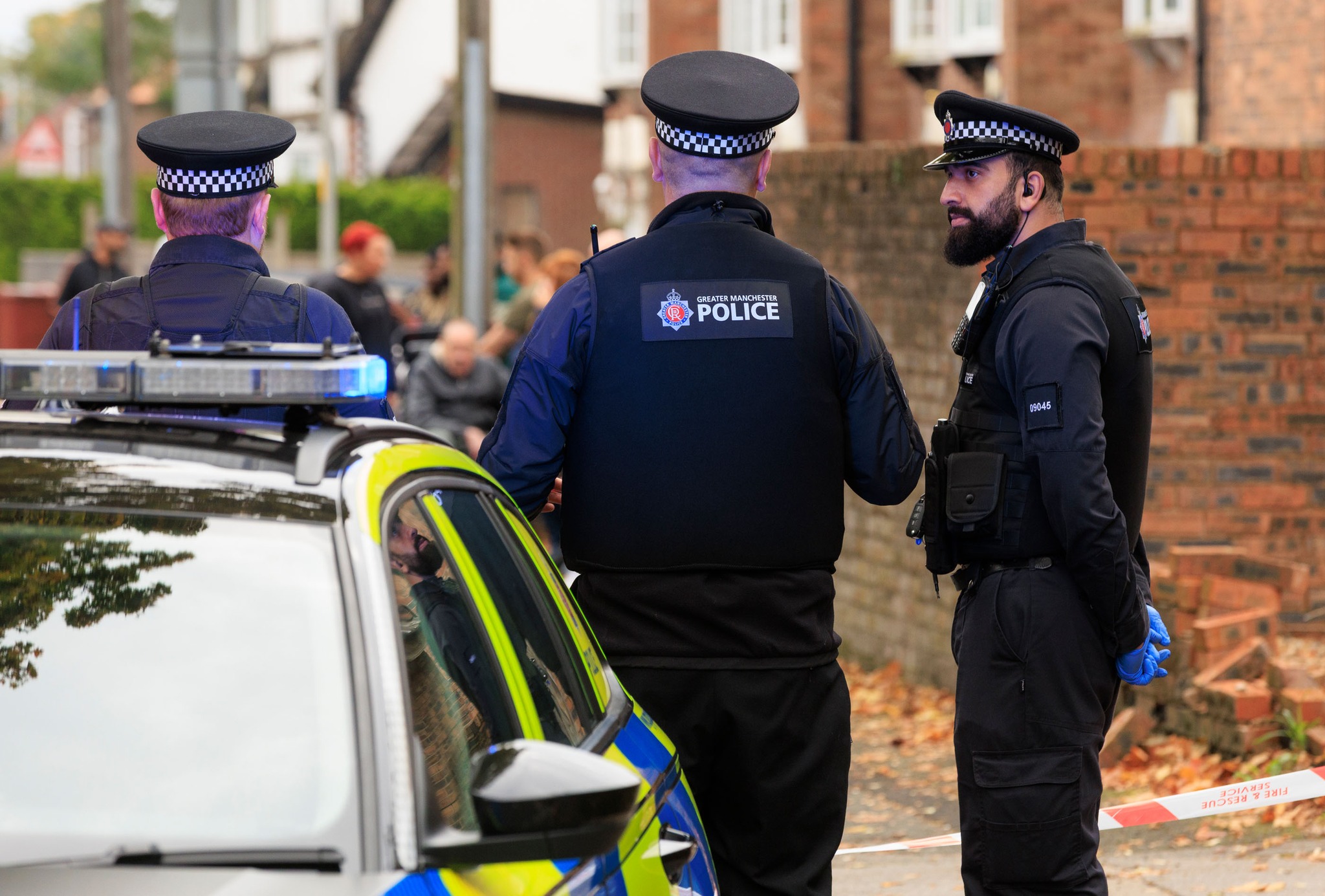
Greater Manchester Police (GMP) explained that officers were called out to an address on Great Clowes Street in Salford at around 7:50pm on Tuesday evening (6 October), and when they arrived on the scene, a man in his 40s was found ‘unresponsive’.
Despite the best efforts of emergency services and all the medical professionals involved, the man sadly died a short time later.
The identity of the man has not been revealed as of yet.
Police have confirmed that five men, all aged between 24 and 35-years-old, have been arrested on suspicion of murder.
A public appeal for information has now been issued as the investigation into the circumstances surrounding this man’s death continues.
Detective Chief Inspector Ian Partington explained: “Our priority is to establish exactly what happened and we are keeping an open mind as we work to build a full picture of the events leading up to his death. A post-mortem is taking place to establish the cause of death, which will be an important part of our investigation.
“We understand that an incident of this nature will understandably cause concern within the local community but at this stage, we are confident that there isn’t any wider threat to the public.
“Officers will remain in the area while enquiries continue, and I would encourage anyone who has information, or who may have witnessed anything that could assist our investigation, to speak to officers or contact us.”
Can you help? Anyone with information should contact police on 101, use the LiveChat function on the GMP website, or contact Crimestoppers, anonymously, on 0800 555 111.
Featured Image – GMP
News
Police appeal launched as woman dies after being hit by lorry in Bury
Daisy Jackson
A woman has tragically died after being hit by a lorry in Bury yesterday afternoon.
At around 3.45pm on Tuesday 6 October, emergency services were called to a road traffic collision in Radcliffe.
The collision was between a pedestrian and a lorry on Church Street West.
Tragically, the pedestrian – a woman in her 50s – passed away at the scene despite the efforts of emergency services.
A large cordon was in place yesterday and road has remained closed this morning.
Officers from GMP’s Serious Collision Investigation Unit are now appealing for information.
They said: “At around 3.45pm yesterday (Tuesday 6 October 2026) we were called to reports of a road traffic collision between a pedestrian and a lorry on Church Street West, Radcliffe.
“Emergency services attended but sadly the pedestrian, a woman in her 50s, passed away at the scene.
“No arrests have been made and enquiries are ongoing.
“Anyone with information including CCTV, Ring doorbell or dashcam footage is asked to contact police on 101 quoting log 2299 of 06.10.26. Reports can also be made via our website of the LiveChat function at www.gmp.police.uk.
“Alternatively you can contact Crimestoppers anonymously on 0800 555 111.”

 Daisy Jackson -
22nd November 2021
Daisy Jackson -
22nd November 2021