Experts and medical professionals have warned that MMR vaccination rates are at the lowest level they have been in a decade.
With the latest data revealing that more than one in 10 school entry-age children in England are now at risk of measles due to not having their MMR jab – which protects against measles, mumps and rubella – the UKHSA and NHS have launched a campaign urging parents and guardians to make sure children have had their MMR vaccinations and other routine jabs before starting school.
Children can receive their first dose of the MMR vaccine on the NHS at the age of one, and the second dose when they are three years and four months old.
According to the most recent figures, between July and September last year, just 88.6% of children in England had received their first MMR dose by the age of two, while just 85.5% had received both doses by the age of five – the lowest in a decade.
The World Health Organisation says that 95% of children need to be vaccinated to prevent the rise of measles.
ADVERTISEMENT
Measles is highly infectious and can cause pneumonia, inflammation of the brain – known as encephalitis – damage to the immune system which leaves children more susceptible to other infections, and in some rare cases, can also cause subacute sclerosing panencephalitis (SSPE), which can lead to destruction of the central nervous system, loss of motor control, epilepsy, and even death.
Research commissioned by the Department of Health and Social Care and the UKHSA found that 48% of parents and guardians of children aged five and under did not know that measles can lead to serious complications.
ADVERTISEMENT
Only 38% of those surveyed knew measles could be fatal.
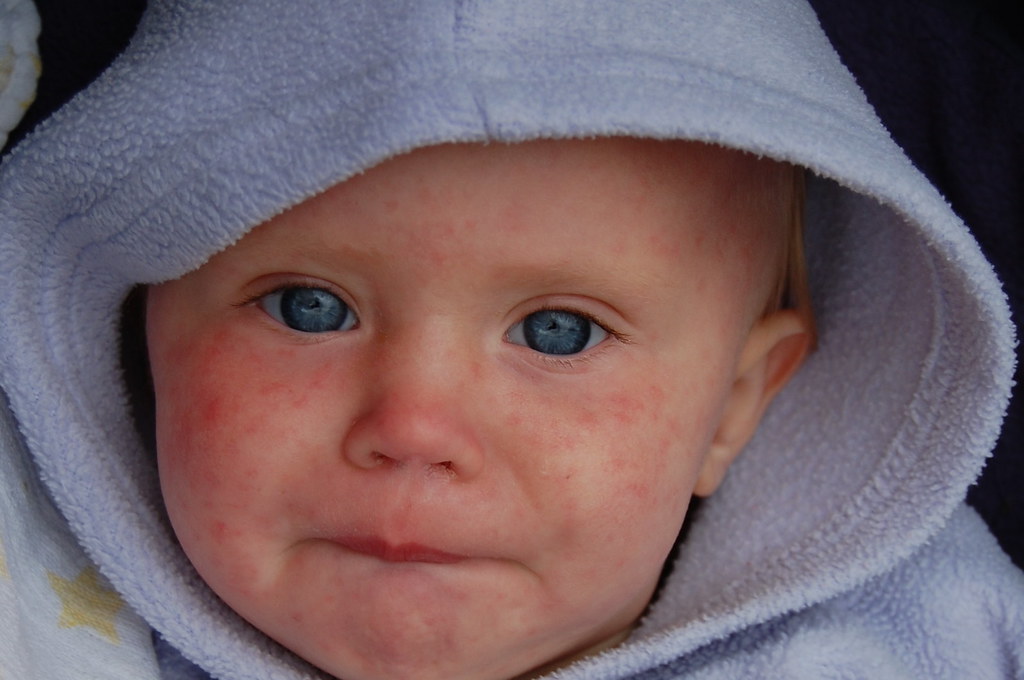
Children can receive their first dose of the MMR vaccine on the NHS at the age of one / Credit: Flickr (Dave Haygarth)
When a high percentage of the population is protected through vaccination, it becomes harder for the measles to pass between people – but since the start of the COVID-19 pandemic, there has been a concerning drop in the number of children receiving these vaccines on time.
Experts say this may be due to some parents having realised doctors were still offering appointments, or did not want to burden the NHS.
ADVERTISEMENT
Dr Vanessa Saliba – Consultant Epidemiologist at the UKHSA – said: “The MMR vaccine offers the best protection from measles, mumps and rubella which is why we’re calling on parents and carers to make sure their children are up to date with their two doses.
“Even a small drop in vaccine coverage can have a big impact on population immunity levels and lead to outbreaks.”
“It is incredibly important that all parents and guardians ensure their child is up to date with their routine vaccinations, including MMR, as these vaccines give children crucial protection against serious and potentially deadly illnesses and stop outbreaks in the community,” added Dr Nikki Kanani – GP and Medical Director for Primary Care at NHS England, said:
“If your child has missed a vaccination, please contact your GP practice to book an appointment as soon as you can to make sure they have maximum protection against disease.”
Oasis Live ’27 – what to expect if you’re successful for ticket registration in Manchester
Emily Sergeant
It’s go time… fans have started receiving ticket codes for Oasis Live ’27, so here is everything we know about the process so far.
In case you need bringing up to speed a little first, it was announced last week, following the unprecedented success of the reunion tour, Oasis Live ’25, last year – including five nostalgia-drenched gigs at Manchester’s Heaton Park – that Oasis would be hitting the road once again in 2027, and this time around, they’re going BIG.
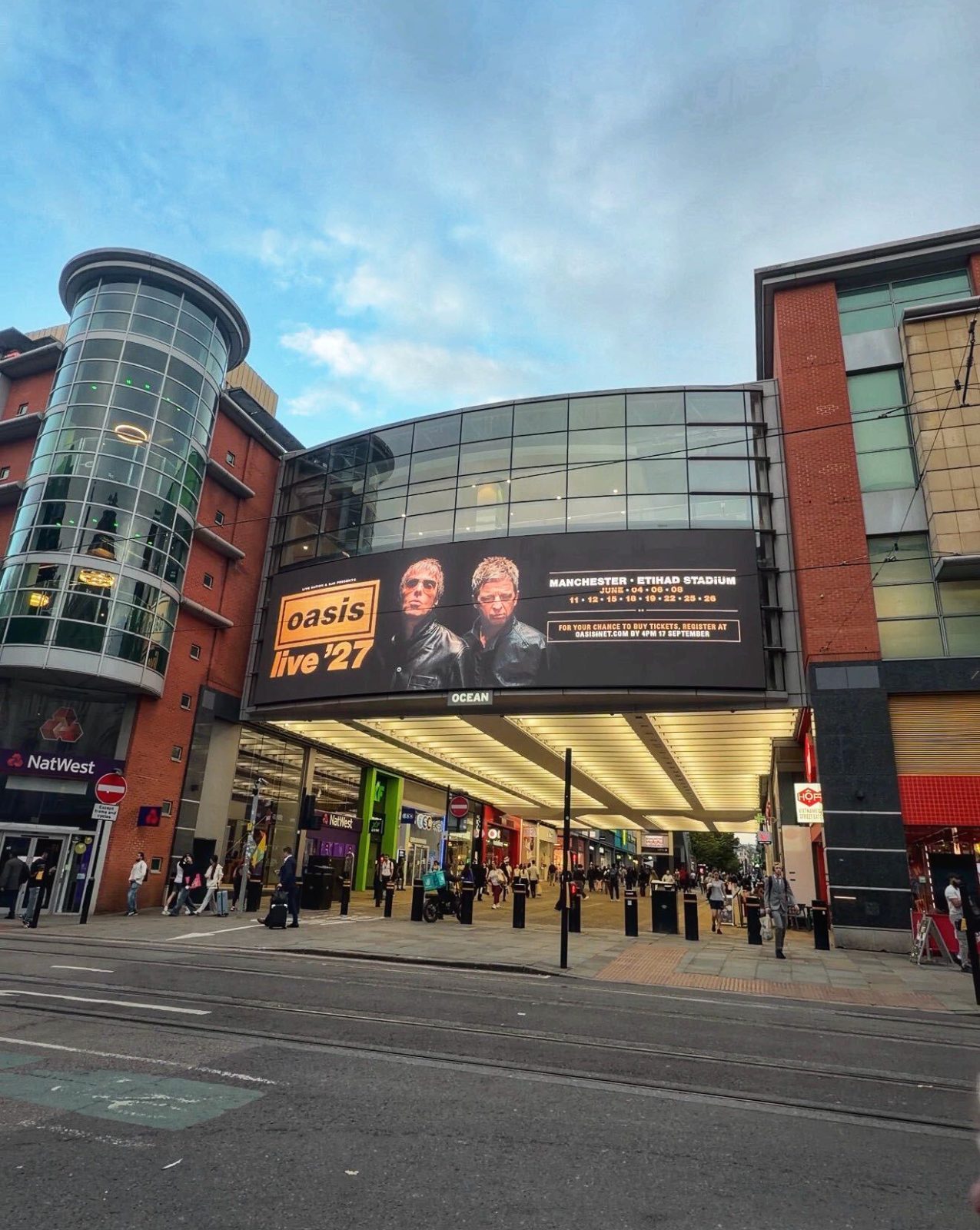
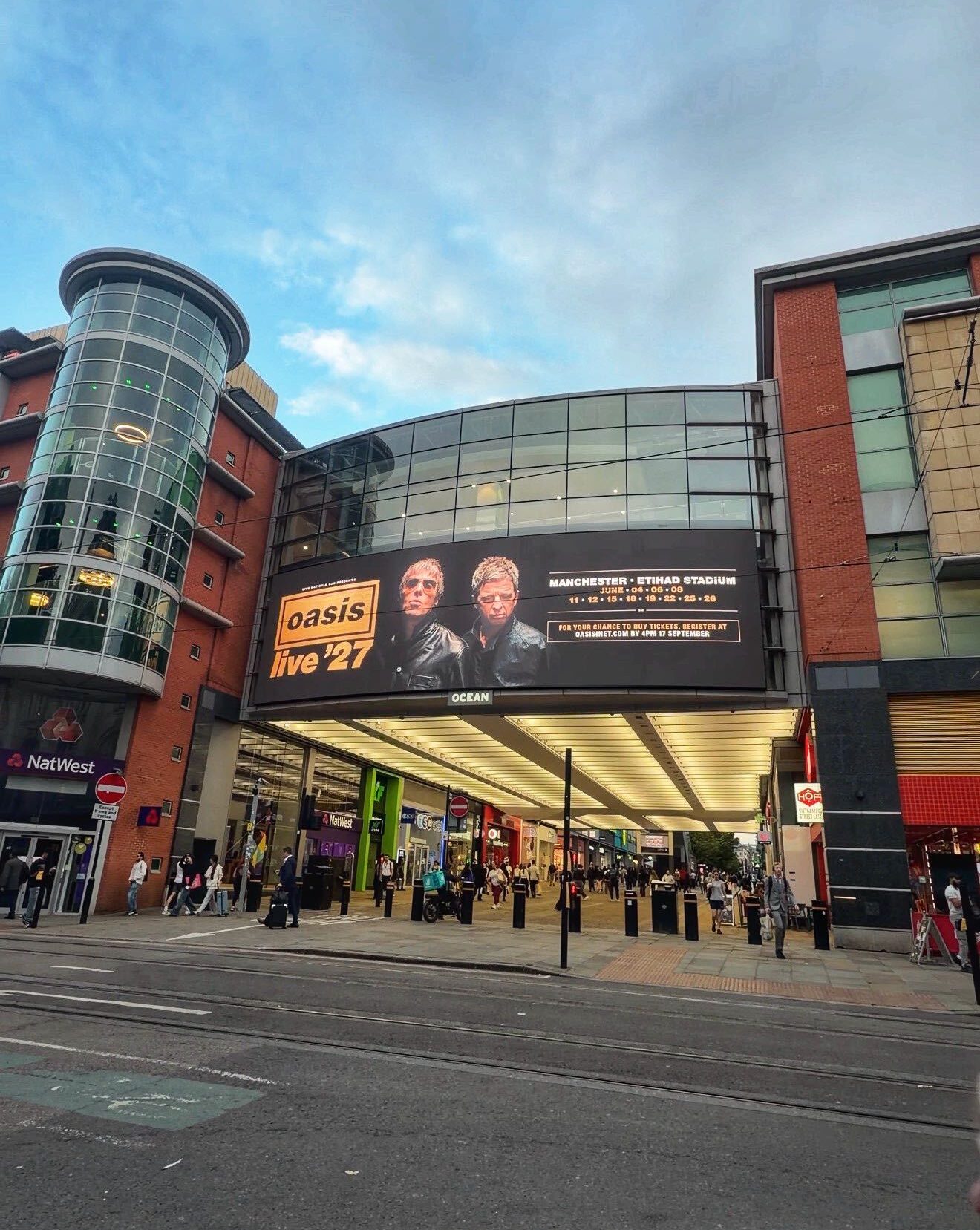
We’re talking 11 nights at the Etihad Stadium and a return to the iconic grounds of Knebworth for six special shows there too, kind of ‘big’.
The iconic Manchester band will also be taking to a range of other world-famous stages across the globe, including five nights at Glasgow’s Celtic Park, and major cities like Barcelona, Amsterdam, Paris, Rome, and Las Vegas.
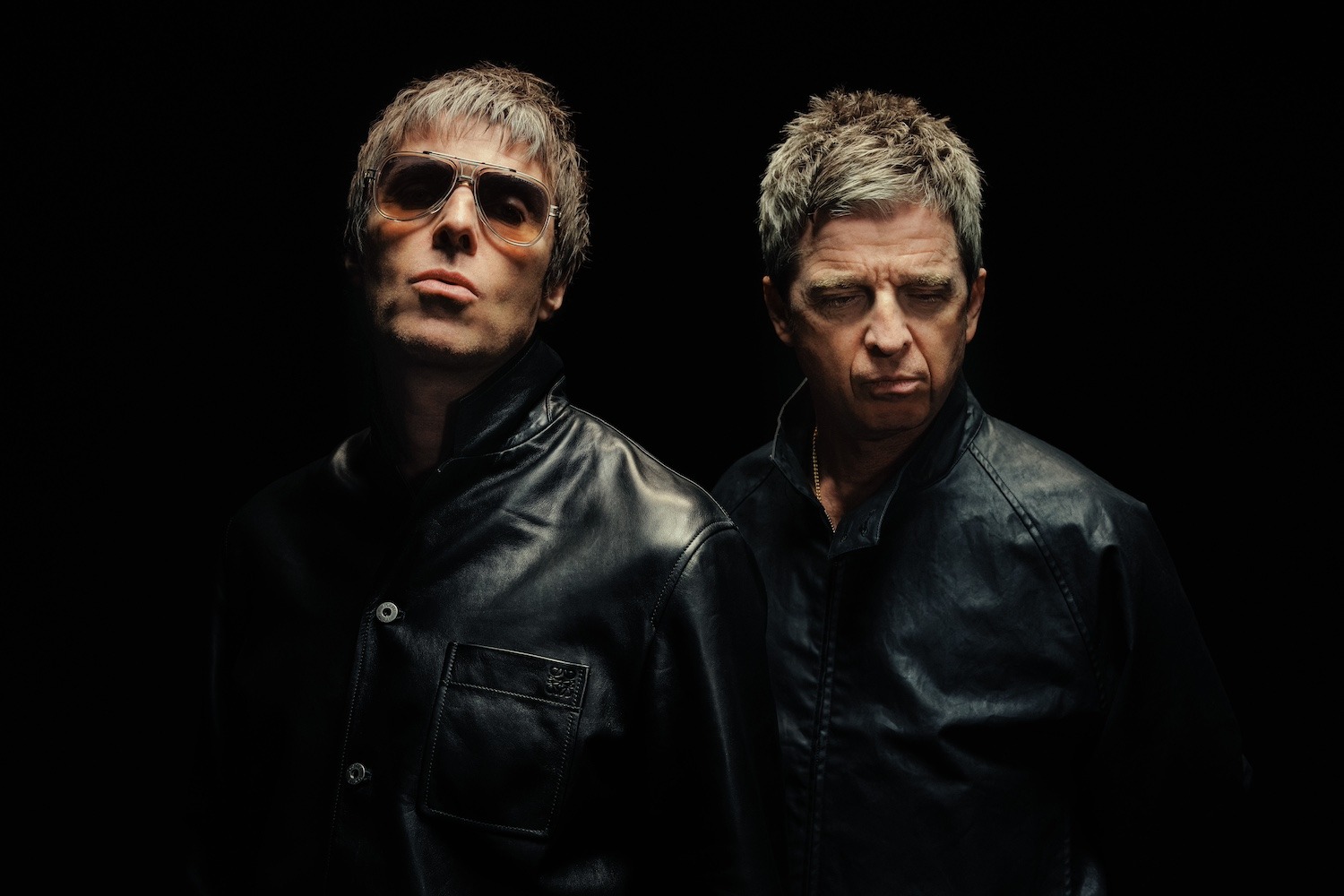
Fans have started receiving ticket codes for Oasis Live ’27 in Manchester / Credit: Joshua Halling (Supplied) | The Manc Group
If you’re reading this, you’ll probably know by now that tickets are being sold through a strict fan registration process this year – with no general onsale and only successful registrants even invited to try and buy them.
Prices will be fixed, however, meaning fans will be able to snap up a ticket for as little as £74.60 for seated tickets, with seats then costing up to £266.60, including fees.
Standing tickets will be priced at either £173.60 or £206.60, and there are also hotel packages, coach packages, and VIP packages available.
And today’s the day that lucky fans have started receiving the codes and information they need to be in with a chance of securing tickets to next year’s hugely anticipated tour.
The all-important email being sent out to fans reads: “You have been selected to receive a unique code to access the onsale for the Oasis Live ’27 dates at [relevant venue]. Codes do not guarantee tickets, which are limited and subject to availability.
“To reduce waiting times, onsales will be staggered across three days – Friday 25, Saturday 26, and Sunday 27 September 2026, with three on sale windows per day. Don’t worry, each ticket sale will have its own portion of tickets for all Manchester dates, across all ticket types and prices
“You have been assigned a unique code for the [specific time] onsale on [specific date].”
The email also clearly informs fans that there is a limit of four tickets per code, and that codes have no cash value either, meaning they are non-transferable, case-sensitive, and can only be used once by the email address they were sent to.
More information and ticket price breakdowns can be found here.
Featured Image – Joshua Halling (Press Picture – Supplied)
News
Oasis warn fans of scams ahead of Live ’27 tour ticket codes being sent out
Emily Sergeant
Oasis have issued an official scam warning to fans ahead of ticket codes being sent out from today.
In case you need bringing up to speed a little, it was announced last week, following the unprecedented success of the reunion tour, Oasis Live ’25, last year – including five nostalgia-drenched gigs at Manchester’s Heaton Park – Oasis would be hitting the road once again in 2027, and this time around, they’re going BIG.
We’re talking 11 nights at the Etihad Stadium and a return to the iconic grounds of Knebworth for six special shows there too, kind of ‘big’.
“As ticket information and unique codes are about to be distributed, please remain vigilant. Scammers may attempt to impersonate Oasis, our mailing list, or our ticketing partners. Anyone promising you a code that does not come directly from Oasis is not genuine.
“Any codes that are offered for sale are fraudulent and will not enable you to buy tickets. Code emails will be sent only between Thursday 24 September and Sunday 27 September.”
So, if you are one of the lucky ones, what do you need to be looking out for? Well, if you have been randomly selected to receive a unique code, as mentioned, your email will come only from [email protected], and will use the name and email address you registered with, as well as contain a ‘unique, personal, and non-transferable’ code.
The codes will come direct you to Ticketmaster, and nowhere else.
Do not respond to any message that asks you to pay for a ticket code, any that request your password or card details, pressures you to make a payment, or directs you to a website other than the official Ticketmaster site.
“Please check your junk/spam folder for genuine emails, but remain vigilant,” the warning continued.
“If you receive a suspicious message, do not click any links or make any payment. Resale tickets will not be available until nearer the events and will only be available at the price originally paid through Ticketmaster and Twickets.

 Emily Sergeant -
1st February 2022
Emily Sergeant -
1st February 2022