Four of the UK’s major supermarket chains have been forced to clarify how motorists pay for their fuel at petrol stations.
After reports this week claimed that Asda was the latest supermarket to bring in the controversial new £99 deposit rule for people using ‘Pay at Pump’ services, which sees it following in the footsteps of Tesco and Sainsbury’s, it’s sparked its fair share of backlash from motorists condemning its introduction, and many confused as to what it actually is.
If you’re unfamiliar with the situation that’s been unfolding since last summer and the changes that have been made, then it basically refers to the deposit amount which is taken when using ‘Pay at Pump’ facilities.
Previously, all ‘Pay at Pump’ transactions were authorised by simply requesting a £1 transaction from your card issuer, before taking payment for the value of the fuel one to three days later, but back in June 2021, new rules imposed by Visa and Mastercard saw that pre-authorisation amount rise up to £99 at some retailers.
This means your bank may create a temporary hold of up to £99 while you fill up.
ADVERTISEMENT
On completing the transaction, the actual amount is deducted immediately from your account, and the pre-authorised amount is immediately cancelled.
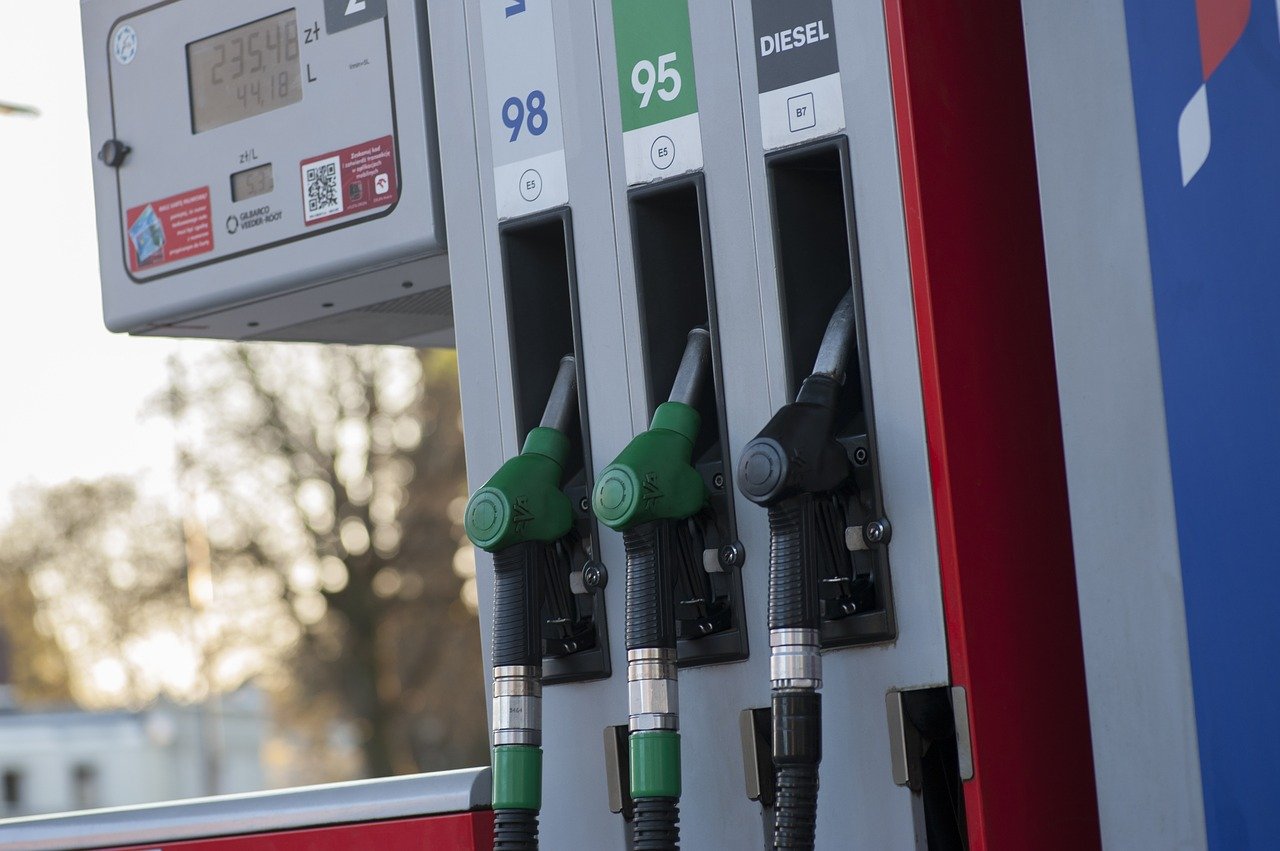
Previously, all ‘Pay at Pump’ transactions were authorised by requesting a £1 transaction from your card issuer / Credit: Pixabay
Mastercard explained in a statement shared to its website last year: “The way you pay for your fuel at an automated fuel pump in the UK is changing.
ADVERTISEMENT
“Your card issuer/bank will temporarily reserve up to £99 of your available balance while you fill up [and] then when you have completed fuelling, you’ll be charged for the correct amount of fuel you have used and the remainder of any reserved funds will be released back to your available balance.”
While some supermarkets immediately rolled out this update to pre-authorisation payments, others have just started to trial the process.
ADVERTISEMENT
Tesco, Sainsbury’s, and Morrisons were the three supermarket chains to announce the changes to the pre-authorisation amounts for ‘Pay at Pump’ facilites last year, with Asda – which was said to have already been forced to suspend a similar scheme three years ago after complaints from motorists – reported to be bringing the change in this year.
But now, each of those retailers have had their say to confirm the latest.
As per widespread reports this week, which have already garnered backlash from motorists confused at the situation and demanding explanation, Asda is currently in the process of changing its pre-authorisation rules to raise the deposit amount, but it has clarified how this will work in a statement.
The supermarket said: “On completing the transaction, the actual amount is deducted immediately from your account and the pre-authorised amount is immediately cancelled.
“The solution makes it easier for you to keep control of your finances when you pay for your petrol at the pump, however, if an issue does arise you should first contact the bank that issued your card.”
Morrisons
Out of the initial three supermarkets to implement the new rule, Morrisons was the last to introduce it, having only officially adopted the hiked pre-authorisation charge back in November 2021.
Explaining more about the process in a statement at the time, Morrisons said: “Under new rules, implemented by Mastercard and Visa, we must now request authorisation from your card issuer for up to £100.
ADVERTISEMENT
“Once you’ve finished filling up, the final transaction amount is sent to your card issuer.
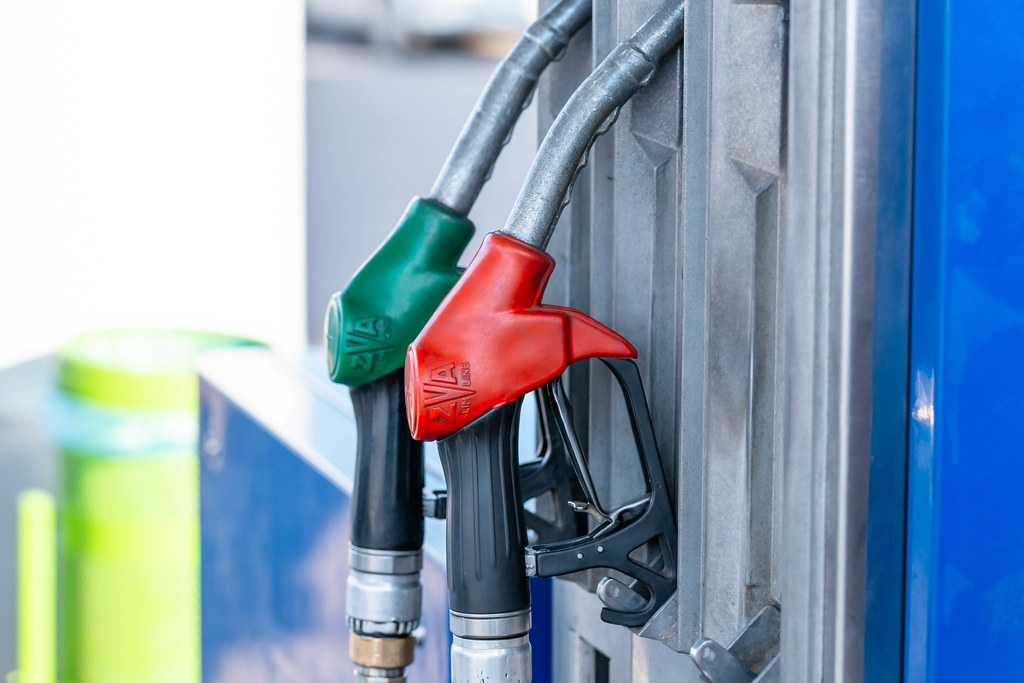
New rules may mean your bank creates a temporary hold of up to £99 while you fill up your vehicle / Credit: Marco Verch (via Flickr)
Tesco
Tesco is currently in the process of trialling the £99 pre-authorisation payment rule.
After announcing the trial back in June 2021, and coming up against a significant amount of consumer backlash, the supermarket explained in a statement: “We are currently trialling this change in selected locations, so you may find this payment change happens at one petrol station but not at another.
“If you have a problem with a payment, please contact your bank that issued the card, as this new payment rule is not under our control.”
ADVERTISEMENT
They added: “There may be a small number of occasions where your card issuer doesn’t update your balance in real-time [but] we’ll only ever charge you for the value of the fuel you’ve purchased.”
Sainsbury’s
It’s been reported that around 60 ‘Pay at Pump’ facilites at Sainsbury’s stores across the UK currently request a pre-authorisation amount of £100, before starting the fuel-filling process, with the supermarket’s website explaining that: “Under new industry requirements mandated by Visa and MasterCard, self-service pumps at Sainsbury’s Petrol Forecourts will request a £100 pre-authorisation amount before starting the fuelling process.
“This is to ensure that customers have sufficient funds to cover the cost of fuel dispensed.
“When the transaction has completed, the Pay at Pump terminal will send a message to your bank with the actual transaction amount which will be charged to the customer; the pre-authorisation amount will be almost immediately released back to the customer’s account.
“The introduction of this change means that the customer will almost immediately see the actual value of fuel dispensed in their bank account.”
Featured Image – iStockphoto
News
Charli XCX announces massive Manchester arena gig as part of long-awaited UK and European tour
Emily Sergeant
Charli XCX has finally given UK fans the news they’ve been waiting for.
After the genre-bending popstar announced back in June a series of US gigs this autumn to support and celebrate the release of her eighth studio albumMusic, Fashion, Film – which was met with critical acclaim following its release in late July – fans in her home country were wondering when she would announce UK dates to accompany these.
The 34-year-old been had hinting at a UK and European leg of the Music, Fashion, Film Tour on social media over the past couple of months, but nothing was set in stone as of yet.
Then last night, Charli took to Twitter to announce that she ‘finally’ had some information coming today (11 September), and then followed it up with a teaser video – sending fans into a frenzy.
And now, it has been announced this morning that Charli XCX will be taking to the Co-op Live stage early next year.
Support on the UK and European leg of the Music, Fashion, Film Tour will come from US popstar Audrey Hobert.
Hobert has been having somewhat of a star-making year herself in 2026 following the release of her own critically acclaimed debut album, Who’s The Clown?, last year – with her streams racking up daily and drawing in massive crowds on the festival circuit this summer.
Charli XCX – Music, Fashion, Film Tour UK & EU Dates 2027
13 February – 3Arena, Dublin
15 February – OVO Hydro, Glasgow
17 February – Co-op Live, Manchester
19 February – The O2, London
22 February – Ziggo Dome, Amsterdam
24 February – Accor Arena, Paris
Upon release back in July, Music, Fashion, Film the album received acclaim from music critics, who praised its lyrical honesty and experimental production, as Charli took a sonic journey away from the undeniable mega hit that was her 2024 album BRAT, and into ‘Rock Music’ territory.
Music, Fashion, Film topped the charts in the UK and Australia, as well as in Belgium, Hungary, and New Zealand, while reaching the top 10 in countless other countries – including the US.
Charli XCX will be bringing the Music, Fashion, Film Tour to Manchester‘s Co-op Live on Wednesday 17 February 2027, and tickets will go on sale next week.
Featured Image – Henry Redcliffe (Publicity Picture)
News
Manchester Christmas Markets 2026 opening date announced – including new spots
Emily Sergeant
Manchester Christmas Markets are merely months away, and the opening date and important details for 2026’s return have been announced.
It’s official… holidays are coming, and the countdown is on.
Just as we do every year, the Greater Manchester public has been eagerly awaiting news of when the city’s iconic Christmas Markets would be making a comeback for the 2026 festive season. And now, Manchester City Council has announced – initially via the MEN – that the famous wooden huts will be lining the city’s streets once again from the first week in November.
Now in their 27th year, Manchester Christmas Markets are known and loved for bring thousands of people into the city centre each year to fill up on the fantastic festive treats and to soak up all the Christmas atmosphere.
This year will see a bigger return of Albert Square, after the headline-grabbing partial return at last year’s event, with the big wheel also set to make a comeback.
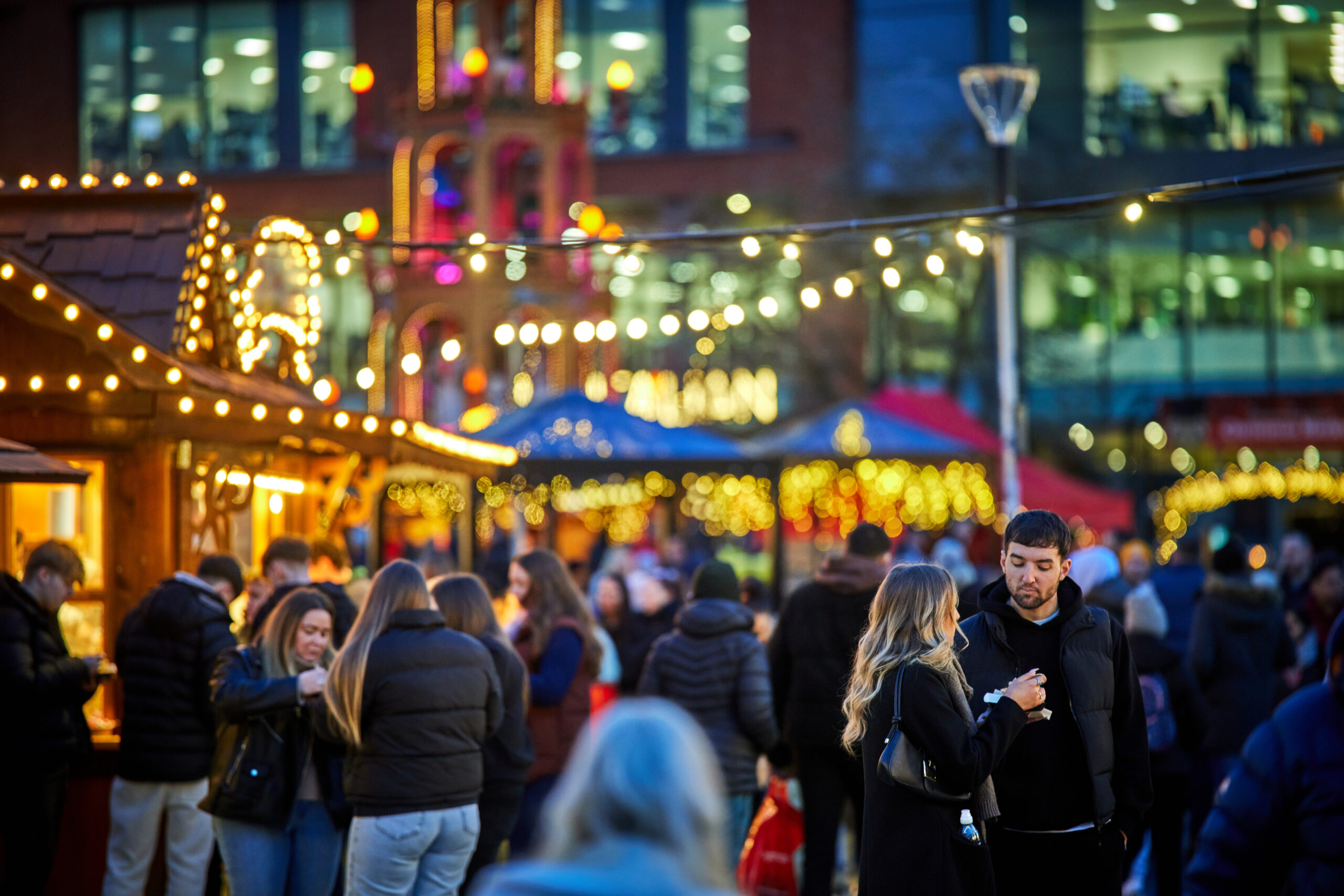
The Manchester Christmas Markets 2026 return date has officially been confirmed / Credit: The Manc Group | Flickr
And there’s also set to be some new locations too for 2026, with Lincoln Square joining in on the action this year.
There will also be big changes to St Ann’s Square this year, according to the Council, with what is being described as a ‘brand new layout’ bringing in a bigger number of market stalls.
There will be a total of 210 stalls spread out across the city centre.
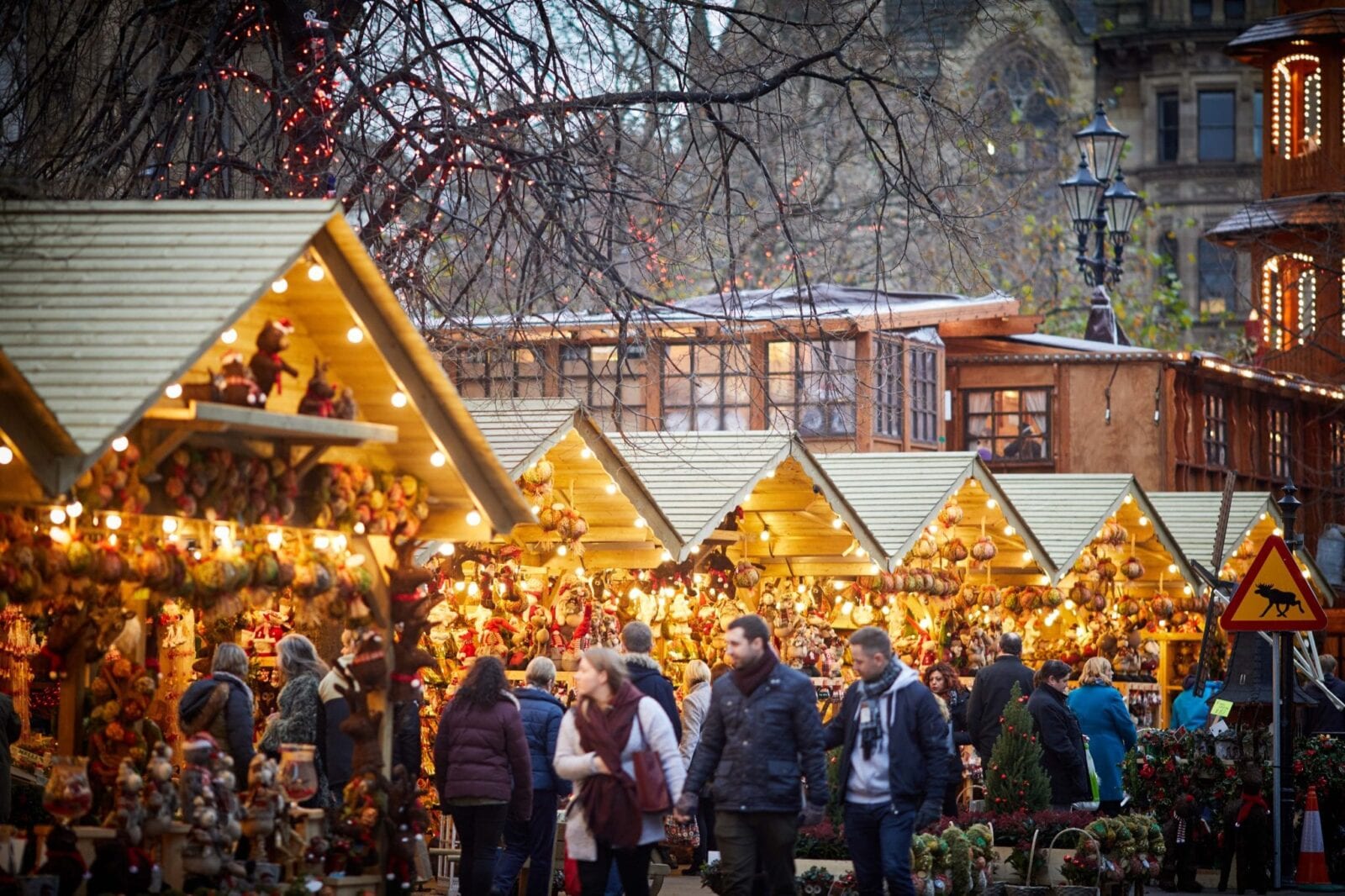
There’s officially eight weeks to go until the iconic wooden huts line the streets / Credit: Manchester City Council
Promising to be plenty on offer for seasonal shoppers of all ages, it has been confirmed that 2026 will see the iconic wooden ski chalet market stalls take over Albert Square, Lincoln Square, King Street, St Ann’s Square, Exchange Street, New Cathedral Street, Exchange Square, Corn Exchange, Cathedral Gardens, and Market Street.
Of course, everyone’s favourite big red legend, Zippy Santa, will also be back this year, although his location has not been set in stone just yet, so stay tuned.
“There’s nowhere that does Christmas quite like Manchester,” commented Councillor Pat Karney, who is the Christmas spokesperson for Manchester City Council.
“The return of Christmas festivities last year to Albert Square was a triumph and we’re looking to build on this success with a fantastic festive offer there again this year that is sure to be a hit with everyone who visits.
“Our legendary Christmas markets draw thousands upon thousands of visitors every year from right around the world and this year’s markets look set to be the very best yet, with a brand-new location in Lincoln Square just around the corner from Albert Square, and a brand-new look and even more stalls in St Ann’s Square.”
He concluded: “Christmas in Manchester will be absolutely magical this year and we can’t wait to welcome everyone and celebrate the festive season with them.”
Manchester Christmas Markets 2026 will officially open across the city on Friday 6 November and close on Tuesday 22 December – with the exception of Albert Square and Cathedral Gardens, which will remain open right through until Sunday 3 January.

 Emily Sergeant -
15th February 2022
Emily Sergeant -
15th February 2022