Rail fares in England and Wales are to rise this week as part of the biggest ticket price hike in nearly a decade.
In what is the biggest rise since 2013, according to the Rail Delivery Group (RDG), and in what is believed to be in line with the Retail Price Index (RPI) measure on inflation for last July, plus one percentage point, the cap on rail fare rises has increased from today, and it means ticket prices could go up by as much as 3.8%.
This means, as an example, that a year-round season ticket between Liverpool and Manchester goes up by £105 to £2,865.
Before the COVID-19 pandemic began, most rail fares – excluding season tickets, which are regulated by the government – were controlled by train operators, but those have since come under state control.
This was after billions of pounds were pumped into the industry to keep services running.
ADVERTISEMENT
Addressing the price hike, a Department for Transport spokesperson told Sky News: “We have protected passengers by delaying these fare rises by two months and, even then, opting for a figure well below current inflation rates, but we must now look to recoup some of the £14 billion which was spent to keep vital services running throughout the pandemic in a way that is fair for all taxpayers.”
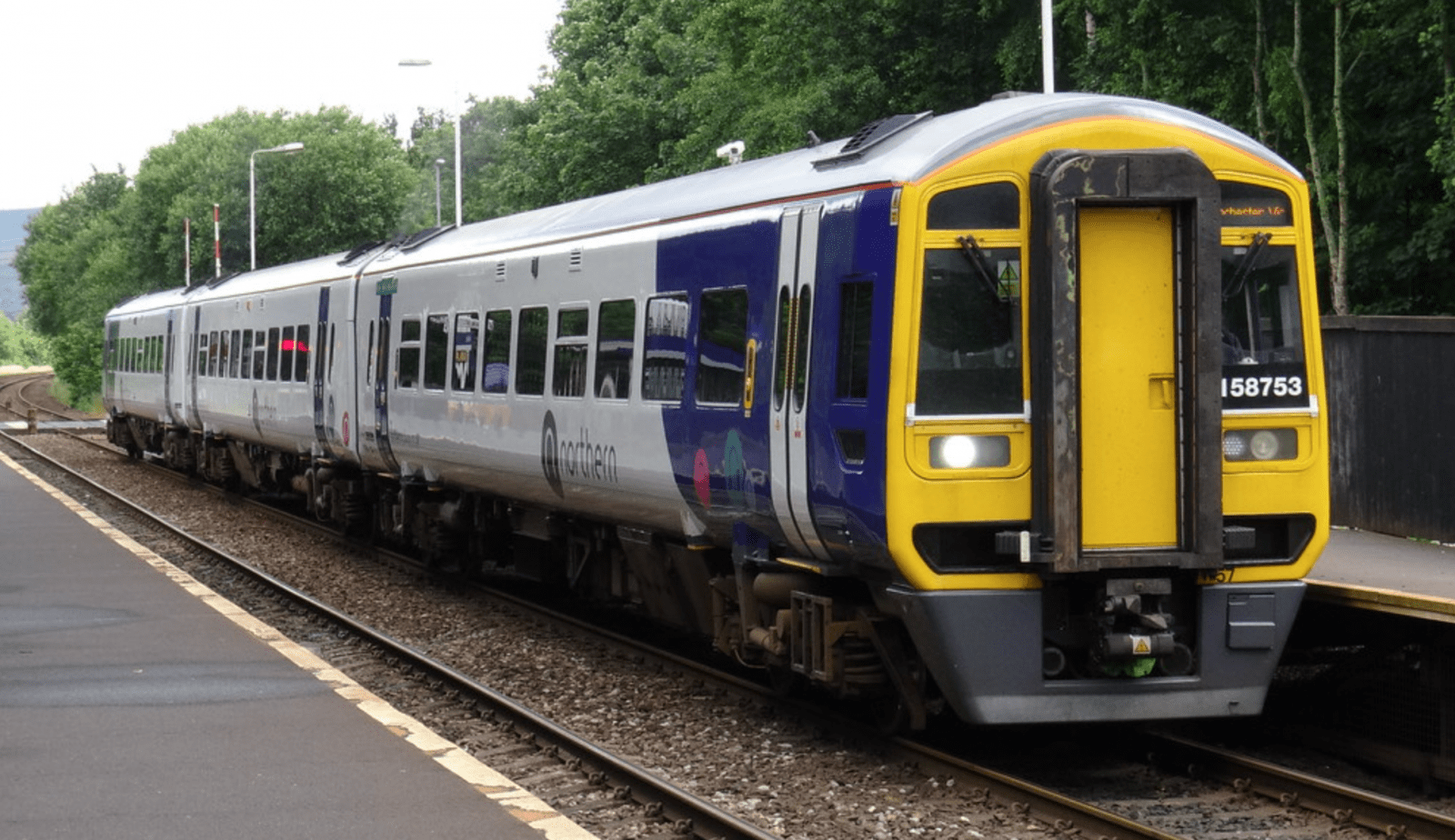
Rail fares are to rise by up to 3.8% in the biggest price hike since 2013 / Credit: Northern Rail
The DfT says that despite price rises, it hopes it will still “be able to encourage people back on to trains” whilst “funding the necessary improvements and unprecedented investment that will benefit all those who use our railways.”
ADVERTISEMENT
This week’s price hike has been criticised as “counterproductive” by campaigners and various transport groups.
Bruce Williamson of the campaign group Railfuture called the rises to fares “eye-watering” and said the government was “stoking the fire of the cost of living crisis”, adding that it was time to stop linking rail fares to the RPI inflation index.
“Inflation this year is likely to hit 8%, so unless the government changes the formula, the average rail traveller will be bankrupted next year,” he said.
ADVERTISEMENT
Paul Tuohy – Chief Executive of Campaign for Better Transport – said: “This fare rise couldn’t come at a worst time and will simply add to the cost-of-living crisis. We need to get people back into workplaces, eating in town centre cafes and shopping on their lunch breaks to help kickstart the economy.”
A year-round season ticket between Liverpool and Manchester will go up by £105 to £2,865 / Credit: Flickr
The government has also received criticism.
Labour’s shadow transport secretary Louise Haigh said: “This brutal Tory fare hike will be a nightmare for millions of passengers”, while Manuel Cortes – the general secretary of the Transport Salaried Staffs’ Association – said that raising rail fairs post-pandemic is “a staggeringly stupid move by this Tory government”.
“It’s almost as though ministers want to force people off our railways and into cars in an effort to speed up our climate crisis,” he added.
Featured Image – Wikimedia Commons
News
Teen arrested after hiding in wheelie bin following attempted burglary in Bolton
Emily Sergeant
A teenage boy has been arrested after police found him hiding in a wheelie bin during the early hours of the morning.
Greater Manchester Police (GMP) explained that, at around 3:50am this past Saturday morning (24 October), officers from the Bolton Neighbourhood Team were called to reports of a ‘disturbance’ on Ullswater Drive, in the Farnworth area of Bolton.
Upon arrival, police discovered that a group of people had attempted to break into a garden shed and steal items.
Following a police chase on foot and searches of surrounding gardens, officers found a 17-year-old boy hiding inside a wheelie bin, and he was subsequently arrested on suspicion of burglary.
A 16-year-old girl was also arrested on suspicion of attempted burglary, and they have both been bailed while the investigation continues.
Enquiries remain ongoing to identify and locate others who police believe to have been involved in the incident.
Sergeant Emily Fogg, from GMP’s Bolton Neighbourhood Team, said the boy ‘clearly did a rubbish job’ of hiding from police.
“Our policing teams are committed to rooting our criminality in our communities and will continue to seek justice for victims of this invasive crime,” Sergeant Fogg concluded.
Anyone with information the can assist the investigation is asked to contact police on 101, quoting the log number 475 of 24/10/26.
Featured Image – Rawpixel
News
National Lottery hunts for Tameside player who’s not claimed £1m winnings
Daisy Jackson
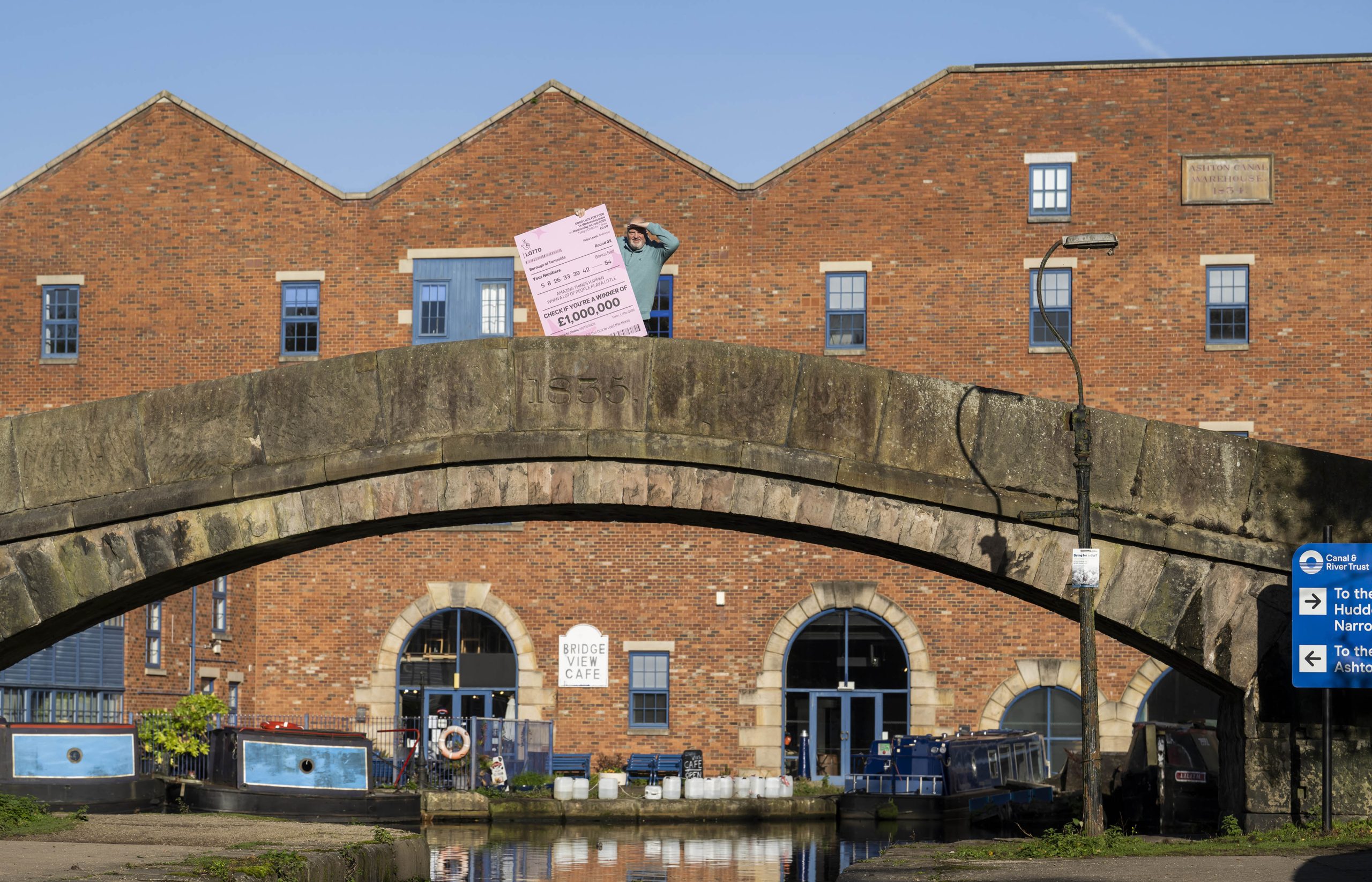
The hunt is on to find a National Lottery player in Tameside who’s won £1m – and not claimed it.
The missing millionaire won the huge prize on a Lotto ticket bought on Wednesday 1 July, somewhere in the Borough of Tameside.
But with just two months to go until the prize expires, the player has still not come forward to claim their winnings.
The winning numbers in were 5, 8, 26, 33, 39, 42 and the Bonus Ball was 54.
Now, the National Lottery is renewing its search for the millionaire, calling for the mystery winner to cash in their prize before it expires at midnight on 28 December.
National Lottery Senior Winners’ Advisor Andy Carter has been out in Tameside ‘hunting’ for the missing millionaire, visiting everywhere from Portland Basin to Hartshead Pike.
Andy said: “I’ve searched high and low across Tameside for our missing millionaire, but I’ve had no luck.
National Lottery hunts for Tameside player who’s not claimed £1m winnings. Credit: Anthony Devlin/Assignments/Press Association
“With just two months left to claim this £1 million prize, now is the time for anyone who bought a Lotto ticket in Tameside for the 1 July draw to have another look.
“The winning ticket could be tucked away somewhere completely ordinary, while its owner has absolutely no idea they are a millionaire.
“We’d love to find the person we’ve been looking for and turn this search into a celebration. So, if you bought a ticket in the area, dig it out, check those numbers and help us find Tameside’s missing millionaire. It could be you.”
With all National Lottery draws, players have 180 days from the day of the draw to claim their prize if they have the winning ticket. Anyone who has any queries or who believes they have the winning ticket for any of the National Lottery draws within the 180-day deadline should call the National Lottery Line on 0333 234 5050 or email [email protected].

 Emily Sergeant -
1st March 2022
Emily Sergeant -
1st March 2022