A striking new addition to Manchester’s dining scene has opened its doors this week amidst the glass towers of Deansgate Square.
With towering eight-foot-high bamboo walls, a gleaming tan marble bar, a giant (fake) bonsai and a trio of squat stone moai stationed squarely at its door, it might be called Kitten but it’s anything but cute.
Majestic, yes, and ever so slightly imposing, the restaurant’s grand interiors set the stage for a promisingly fresh and modern take on Japanese fine dining in Manchester.
All that’s left now is to try the food – and despite initial concerns it could be all fur coat and no knickers, we’re pleased to say that is not the case, not at all.
With a focus on fireside cooking, high-end sushi and sashimi, Kitten’s striking sushi bar takes centre stage in the restaurant – offering a front-row seat to all the sushi-making action to a privilieged few.
ADVERTISEMENT
The restaurant offers a one-of-a-kind chef’s table sushi experience with artfully constructed raw dishes overseen by Head Sushi Chef Daniel Zhou, formerly of Peter Street Kitchen.
We, however, manage to miss said sushi action – sitting away from the bar at a table overlooking a sun-lit Deansgate Square. Still, in fairness, the quality of the plates speak for themselves.
ADVERTISEMENT
Image: The Manc Eats
Image: The Manc Eats
Image: The Manc Eats
Beautiful ceramic dishes lined with snow pea and avocado maki topped with scallops and tabiko hit the table, joined by a house nigiri selection with salmon, tuna, sea bass and Japanese hamachi and squid.
Dusty pink sashimi follows, joined by lightly breaded shell-on prawns and an artfully-constructed dish of seared tuna, Kewpie, chillies and pickles – their freshness and crunch perfectly complementing the rich softness of the fish and Japanese mayo.
As well as specialist sushi, Kitten also boasts a giant Robatayak grill from which we enjoy a whole seabass rubbed in a red miso and sesame seed marinade.
ADVERTISEMENT
Its skin is blackened from the charcoal, giving it a smoky edge and aroma, but beneath that the flesh is soft, tenderly flaking away from the vertebra.
Image: The Manc Eats
Served solo, initially we find ourselves looking for accompanying side plates – but as we delve in, we soon realise it more than stands up on its own.
The cocktail menu is just as impressive. Midori, the luminous green melon liqueur star of many an adolescent mixer, is given a new lease of life in layered Japanese iced teas and Japanese slippers – the latter a mixture of orange Cointreau, lemon juice and melon.
Elsewhere, you’ll find a rich and satisfyingly garnishless take on an espresso martini, yuzu-laced margaritas and French 75’s, and house-infused gin made sharp and prickly with horseradish, then mellowed with cucumber.
Overall the kitchen here is led by Head Chef Josh Gabrielides, formerly of Ivy Asia, supported by a wider kitchen team that boasts experience from Copenhagen-based restaurant chain Sticks and Sushi s well as other top-ranked Pan-Asian restaurants.
Semi-open, it’s set into a fortress-like double-height wall with a second hatch overlooking the restaurant another floor above.
Further dishes from the robata menu include premium steak cuts, with veggie and vegan-friendly options available for those who prefer a plant-based diet.
Elegant and glamorous with a quality menu to boot, on first impressions Kitten looks set to be a triumph – adding another much-needed string to the bow of the city’s East Asian dining scene.
Feature image – The Manc Eats
News
UK Government announces £100 fines for ‘antisocial behaviour’ on public transport
Emily Sergeant
The Government has today announced plans to tackle antisocial behaviour on public transport.
In a bid to crackdown on loud music, littering, vaping, and other threatening behaviour on buses and trains, guidance was issued by the Government today for local authorities to prosecute and even issue fines of up to £100.
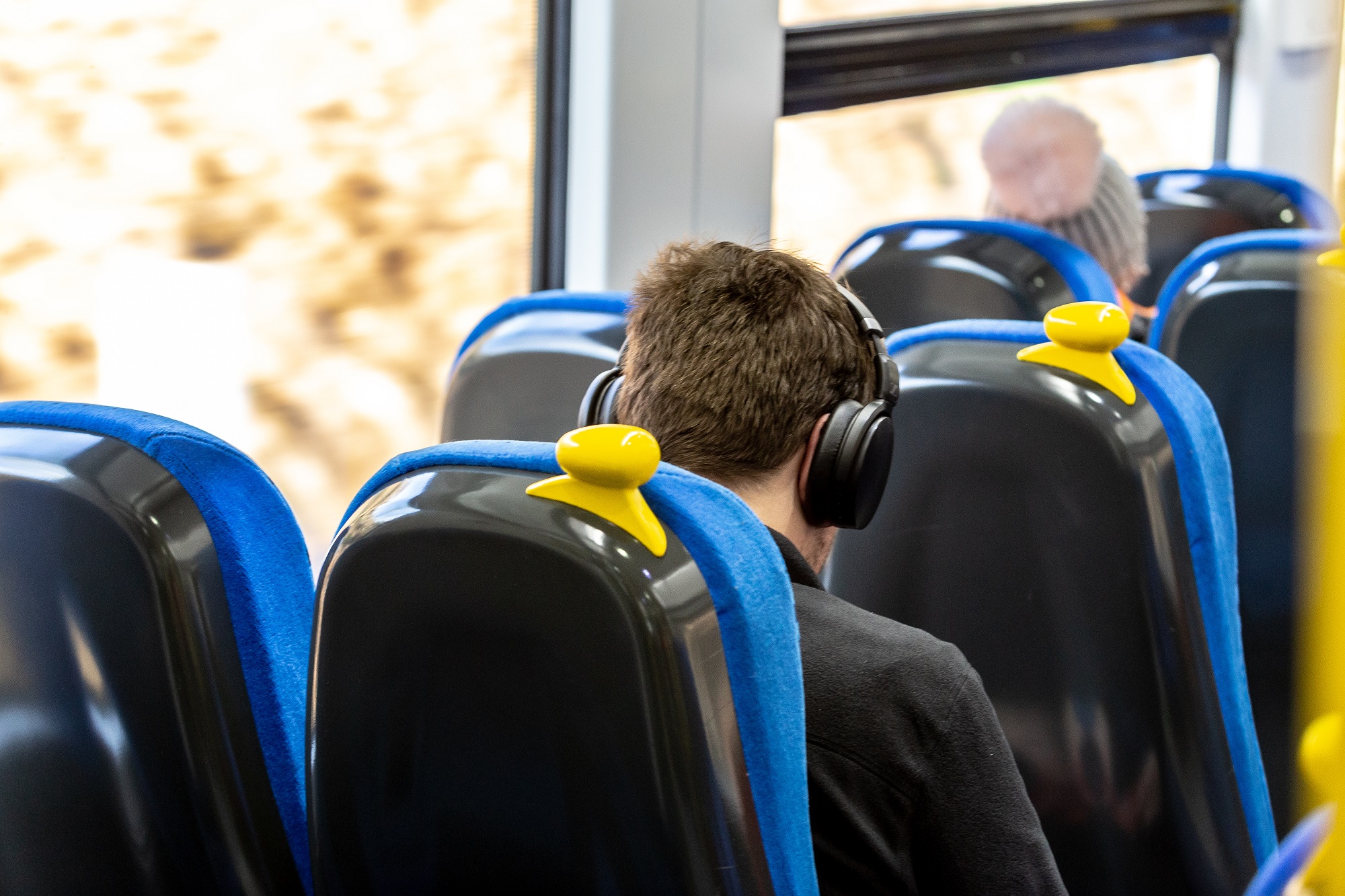
For many, playing audio out loud on public transport – also known as ‘loudcasting’ – has become one of modern life’s most irritating parts of the daily commute, but now, a new national campaign is aiming to encourage rail passengers, in particular, to ‘share the carriage, not the noise’ to improve the journey experience for all.
This will include reminders of the rules in place on the rail network and, if a passenger refuses to stop when asked by authorised rail staff, they can be removed from the train at the next station or face fines up to £1,000.
On buses, however, the powers for authorities were already made possible by the Bus Services Act 2025, meaning all local transport authorities in England are able to set and enforce their own rules.
Authorised officers – including transport safety officers and the police – will be responsible for enforcement, rather than bus drivers themselves, and they will be tasked with a three-step approach to deal with incidents. They will need to:
Engage with the person
Explain the rules and their impact on other passengers
Take enforcement action if they refuse to comply
“We’ve all been on the train when someone starts blasting music or videos from their phone,” commented Prime Minister Andy Burnham.
“It gets on your nerves and can quickly spoil the journey, so we’re launching a nationwide campaign reminding passengers to use headphones on trains. On top of that, we’re giving local leaders new powers to tackle loud music, vaping and littering on buses.
“It’s a simple thing, but one that will make journeys that little bit better for all of us.”
Ben Plowden, Chief Executive at the Campaign for Better Transport, added: “Antisocial behaviour is not just irritating, it can be a real deterrent to people using public transport – especially people with different accessibility requirements.
“If these new powers are properly and visibly enforced, they should help everyone feel safe and comfortable on public transport and enjoy the ride.”
Featured Image – Northern
News
Police provide update after stabbing of 14-year-old boy at Manchester Arndale carpark
Emily Sergeant
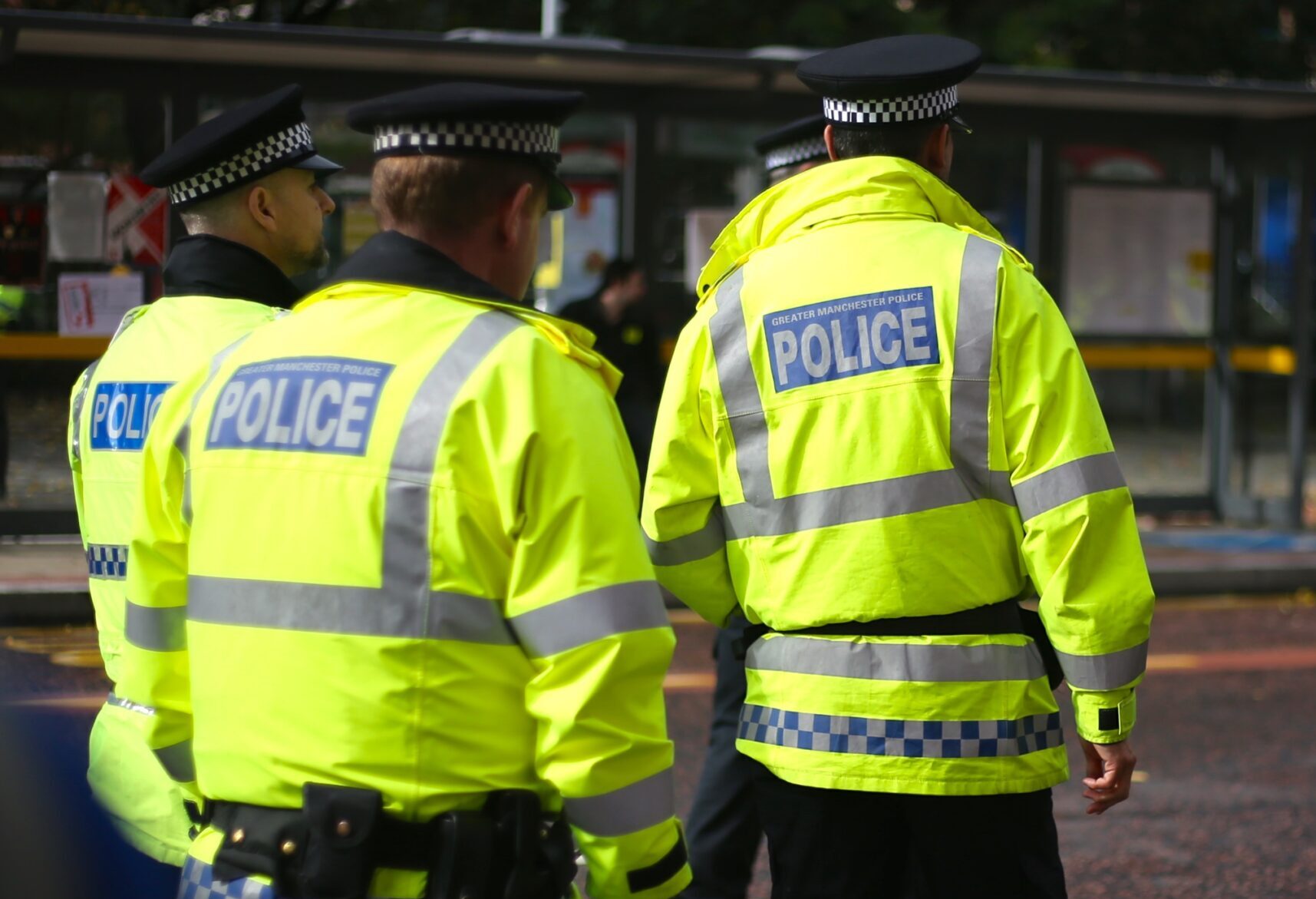
Police have provided an update following the stabbing of a young boy in Manchester city centre over the weekend.
At around 3:15pm this past Saturday afternoon (17 October 2026), officers from Greater Manchester Police (GMP) were called out to reports of a stabbing on the ninth floor of the Arndale carpark in Manchester city centre.
Emergency services attended the scene, and a 14-year-old boy was taken to hospital with injuries consistent with a stab wound.
Thankfully, the victim’s injuries are not believed to be life-threatening or life changing, but an investigation and enquiries are ongoing.
Detective Inspector Sam Jones, of GMP’s City of Manchester District CID, said this will ‘understandably’ cause concern, but has assured the public that police believe this to be an ‘isolated incident.
“Detectives at the scene are working extremely hard to process the scene with Crime Scene Investigators,” explained DI Jones in an update statement issued.
“The car park is expected to be closed for several hours, so we ask for your understanding and patience whilst we gather evidence to bring these offenders to justice.
“Detectives and Officers will be in the area today to speak with local businesses and members of the public to provide reassurance. This is believed to be an isolated incident with no risk to the wider public.
“Greater Manchester Police are committed to diligently investigating all knife crime and bringing offenders to justice, and we are asking for anyone with information about this incident to come forward to assist with our enquiries.”
Anyone with information is asked to contact police on 101, quoting log 2050 of 17/10/2026, or via the LiveChat function. Alternatively, contact Crimestoppers anonymously on 0800 555 111.

 Georgina Pellant -
14th June 2022
Georgina Pellant -
14th June 2022