It’s official – more than 3,000 new homes, and “unparalleled access” to employment, retail, leisure, and recreation is on its way to Salford.
That’s because “world class” plans to regenerate MediaCity and Salford Quays have finally been approved this week.
After first being unveiled back in October of last year, and following what Salford Council says has been an “extensive consultation period” with input from the local Salford and wider Greater Manchester community, the proposals to transform the area into an “iconic waterfront destination” that’ll apparently rival some of the finest in the world have now been given the green light.
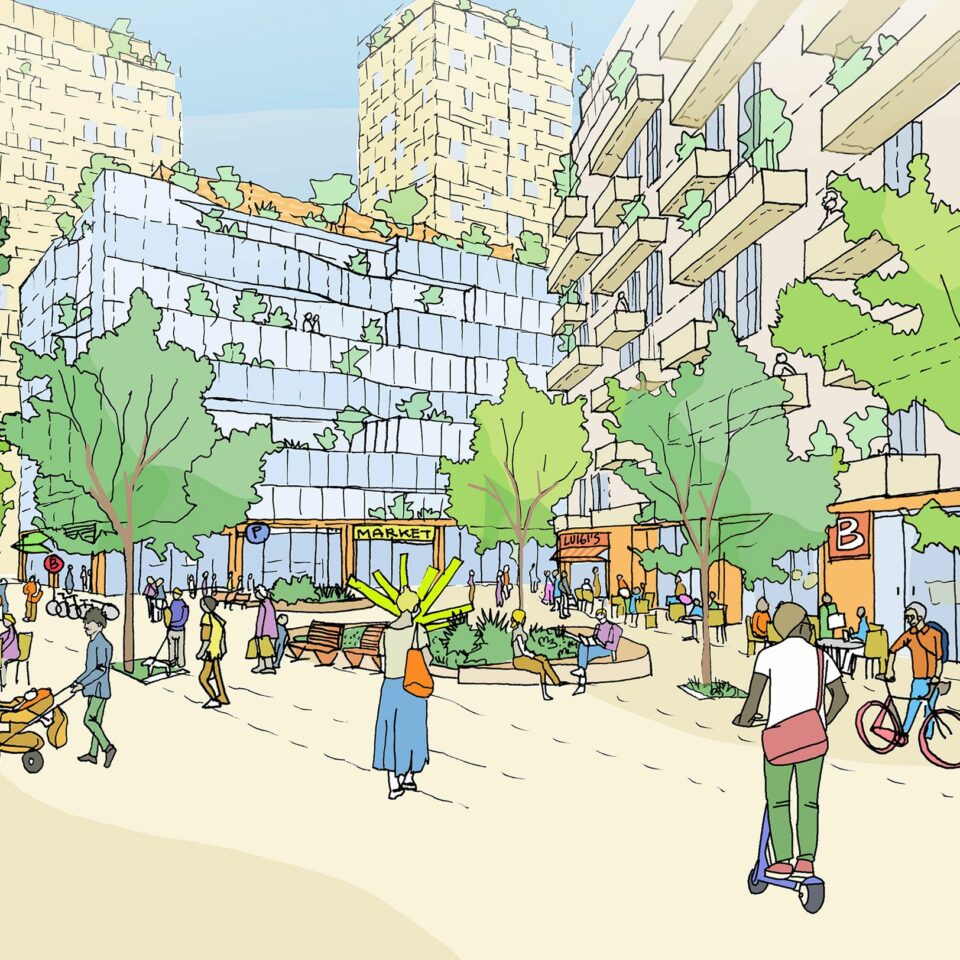
As well as planning approval, a new artist’s impression image has been released by the Council to show the new “aspirational vision” for the waterfront – which will be the focal point of the regeneration, and form one of four zones.
The “ambitious” plans are said to be inspired by other design-led waterfronts neighbourhoods in the Norwegian capital of Oslo, and Australia’s Darling Harbour.
ADVERTISEMENT
New and flexible all-weather glass-fronted structures and pavilions are proposed as part of the waterfront regeneration, as well as a new pedestrian link bridge from MediaCity to The Lowry and Quayside, alongside plans to activate ‘North Bay’ too.
‘World class’ plans to regenerate MediaCity and Salford Quays have been approved / Credit: MediaCity
A new boardwalk and link bridge along the MediaCity waterfront will feature more green space, innovative art installations, and places for people to eat and drink, while the main MediaCity ‘Piazza’ – in which a cluster of 250 creative, tech, and digital companies including ITV, BBC, and dock10 studios are currently housed around – will also be reimagined, with moveable structures that can provide space for a variety of brand activations all year round.
ADVERTISEMENT
The new ‘Living Hub’ will feature sustainable homes, businesses, and so-called ‘convenience retail’, while the ‘Culture and Community Hub’ centred in and around Quayside and The Lowry is aiming to be the cultural, leisure, and retail heart of the destination.
“The reshaped regeneration proposals will support us in delivering a world class destination where people will want to live, work, and learn for many years to come,” commented Stephen Wild, who is the Managing Director of MediaCity, as the plans were officially approved this week.
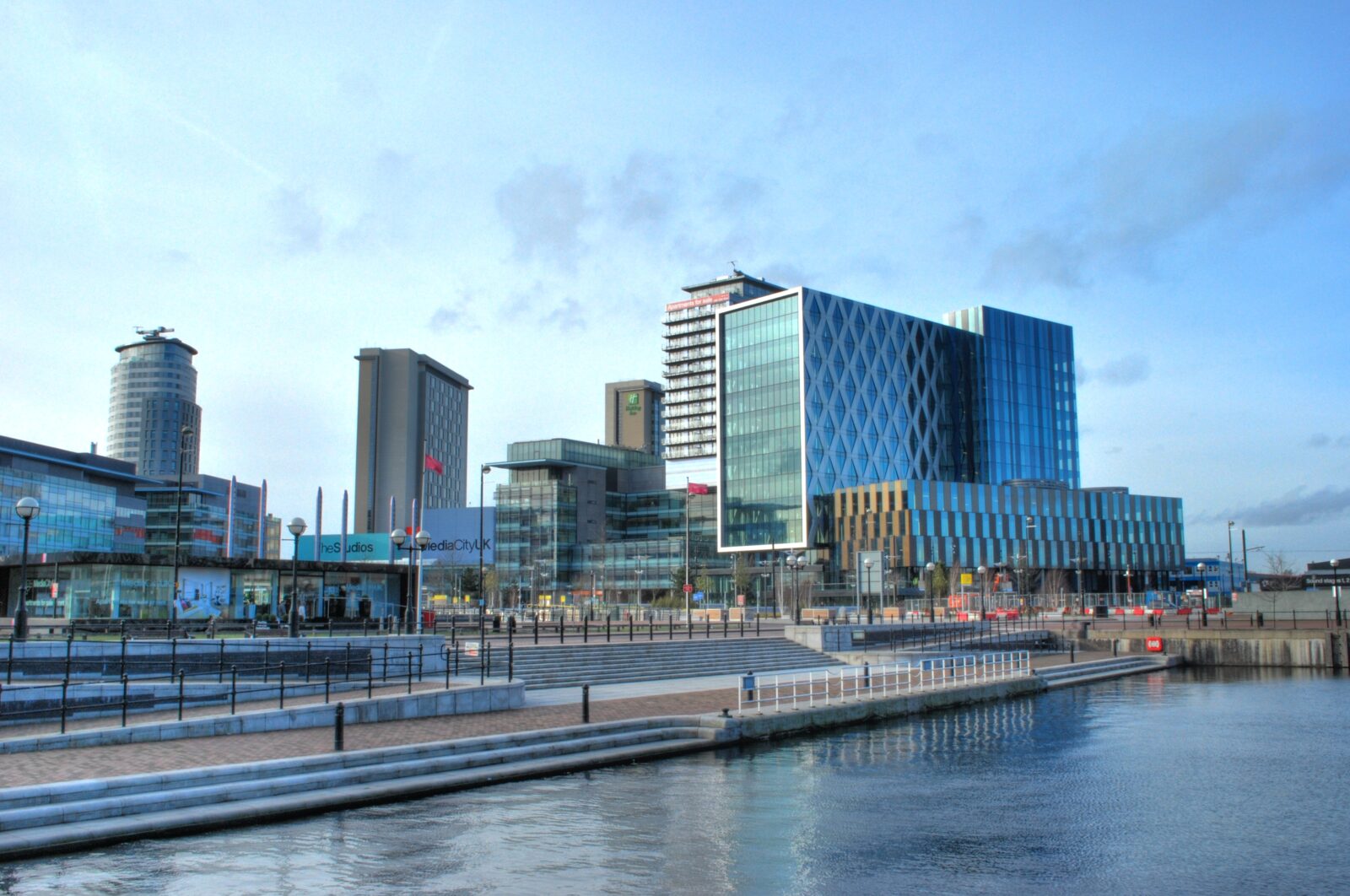
What MediaCity and Salford waterfront currently looks like / Credit: Wikimedia Commons
“As the home of future media, MediaCity’s output is global and its environment needs to reflect its international significance.
ADVERTISEMENT
“While the waterfront is the gateway to MediaCity and the Quays, it’s right that it should compete with some of the finest waterfront destinations in the world, and we’re looking forward to working with our partners to make our vision a reality.”
Salford City Mayor, Paul Dennett, has called the regeneration approval “really positive”, as he believes MediaCity has always been a “striking development that has caught the eye and imagination of so many since its inception”.
“What’s to come will further cement MediaCity’s position as the place to live and work in the northwest and a must-see destination,” he concluded.
Featured Image – MediaCity
News
Uber has officially started trialling driverless taxis in Manchester
Emily Sergeant
It’s official… driverless taxis have hit the streets of Manchester.
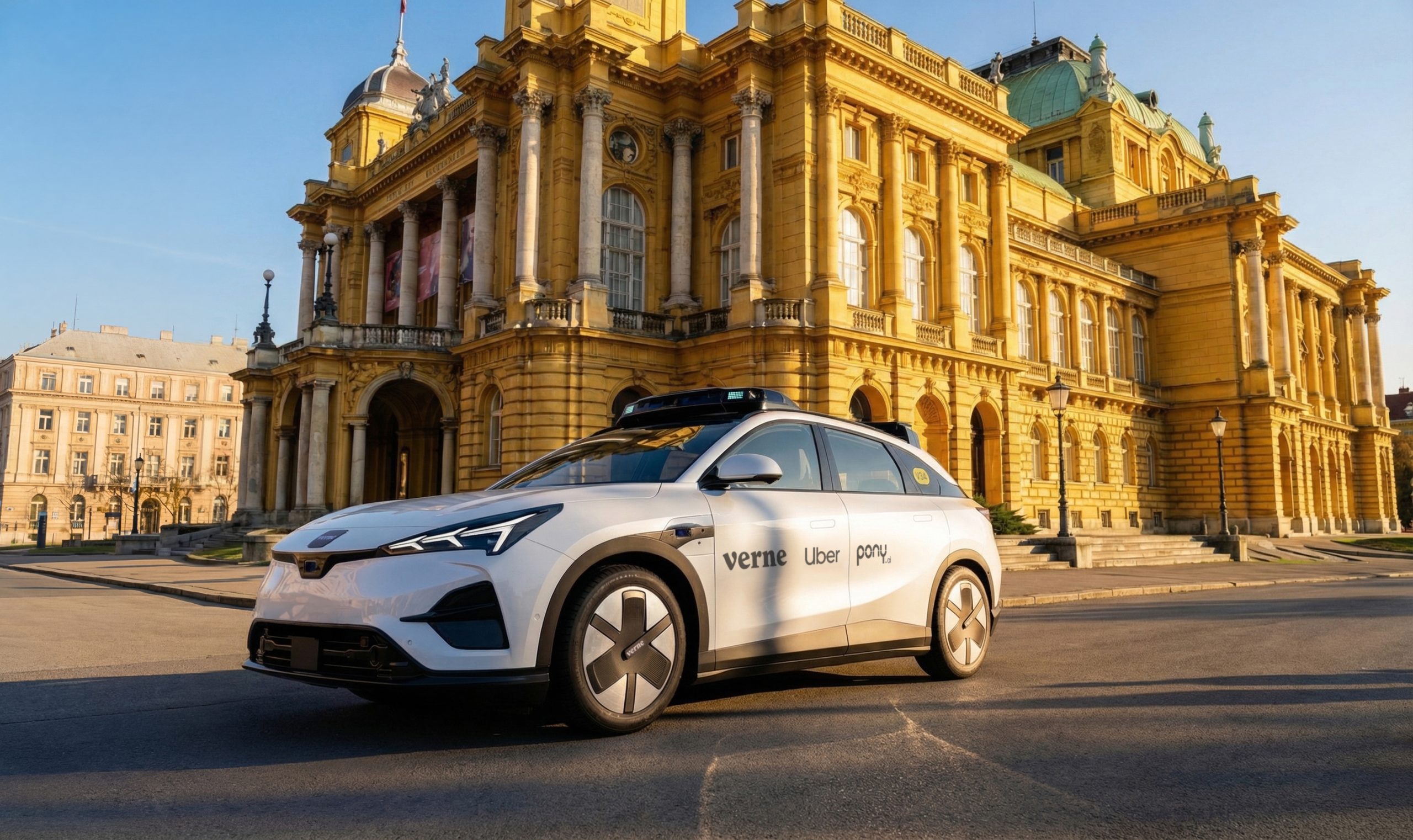
As the leading transportation company looks to bring robotaxis to other major cities around the UK, it has been confirmed that a trial of autonomous vehicles is now underway in Manchester – with the services being operated using the technology of Uber’s partner firms, Pony and Verne.
Uber said it was ‘excited’ to take this first step toward ‘making this technology accessible’ to people across the UK.
The three companies first collaborated on the deployment of a commercial robotaxi service back in March of this year, combining Pony.ai’s autonomous driving system, Uber’s global mobility platform, and Verne’s service ecosystem and operational framework.
At this time, there has been no official application to launch passenger services in Manchester, according to The Guardian.
However, posts on various social media platforms – such as X, LinkedIn, and Instagram – by each of the companies this week have confirmed that trials are underway in the city.
“New technologies play an increasingly important role in the growth of our city region,” TfGM said. “But they need to be introduced responsibly, safely and with real thought about what it means for our residents.
“Safety will always be our top priority, and we will need strong assurances that no vehicles will operate on our roads that pose any risk to residents.”
Manchester, we’re on our way! Today, we’re announcing that we’re partnering with @Verne_robotaxi and @PonyAI_tech to pilot autonomous vehicles in Manchester. Building on our service together in Zagreb, Gen-7 Robotaxis are now testing in Manchester.
We’re excited to take this first step toward making this technology accessible to people across the UK. 🇬🇧
“By bringing together Pony.ai’s proven autonomous driving technology, Verne’s operational and market expertise, and Uber’s global platform, we’re taking an important step toward making autonomous ride-hailing available to more riders in more places.”
Featured Image – Uber Investor
News
Police issue urgent warning following a rise in scam calls across Greater Manchester
Emily Sergeant
The public is being urged to ‘remain vigilant’ following a rise of scam calls across Greater Manchester.
Greater Manchester Police (GMP) says it has been made aware that scammers, who are impersonating police officers, are contacting people trying to convince them to hand over personal and sensitive information linked to their ownership of cryptocurrency.
From the numerous reports that GMP has received, one common method the offenders appear to be using is claiming that a suspect has been arrested and was found to be in possession of the victim’s personal documents – such as their passport, driving licence, or banking details.
On several occasions, fraudsters asked victims about their cryptocurrency accounts – specifically looking for their IDs, recovery phrases, and security codes.
GMP is urging the public to know that the police would never ask you to share this information or move your accounts.
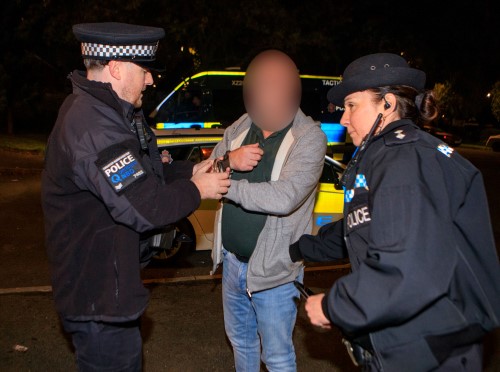
The police have issued an urgent warning following a rise in scam calls across Greater Manchester / Credit: Rawpixel | Nordwood Themes (via Unsplash)
“These calls can appear convincing and are being made through spoofed GMP phone numbers but we are urging the public to remain vigilant, especially when providing sensitive information via phone calls,’ GMP said in a statement this week.
GMP is asking that the public ‘be wary’ of unsolicited calls, emails or messages relating to cryptocurrency investments or accounts, and that they never share passwords, recovery phrases, or security codes with anyone, as well as refusing to transfer any money or cryptocurrency to accounts suggested by a caller.
DS Reed, from GMP’s Cyber Crime Team, said these calls are ‘incredibly sophisticated’, and those responsible are targeting ‘vulnerable communities’
“We take offences of this nature incredibly seriously, and our Cyber Crime Team are working around the clock to understand how these offences have occurred, and how to prevent it from continuing,” DS Reed concluded.
Featured Image – Priscilla Du Preez (via Unsplash)

 Emily Sergeant -
27th March 2024
Emily Sergeant -
27th March 2024