News
Government to launch study into headlight glare that’s so bright it ‘dazzles’ drivers
It follows a petition calling for action with more than 13,000 signatures.
 Emily Sergeant -
9th April 2024
Emily Sergeant -
9th April 2024 The Government is to launch a study into headlight glare after thousands of drivers complain of being “dazzled”.
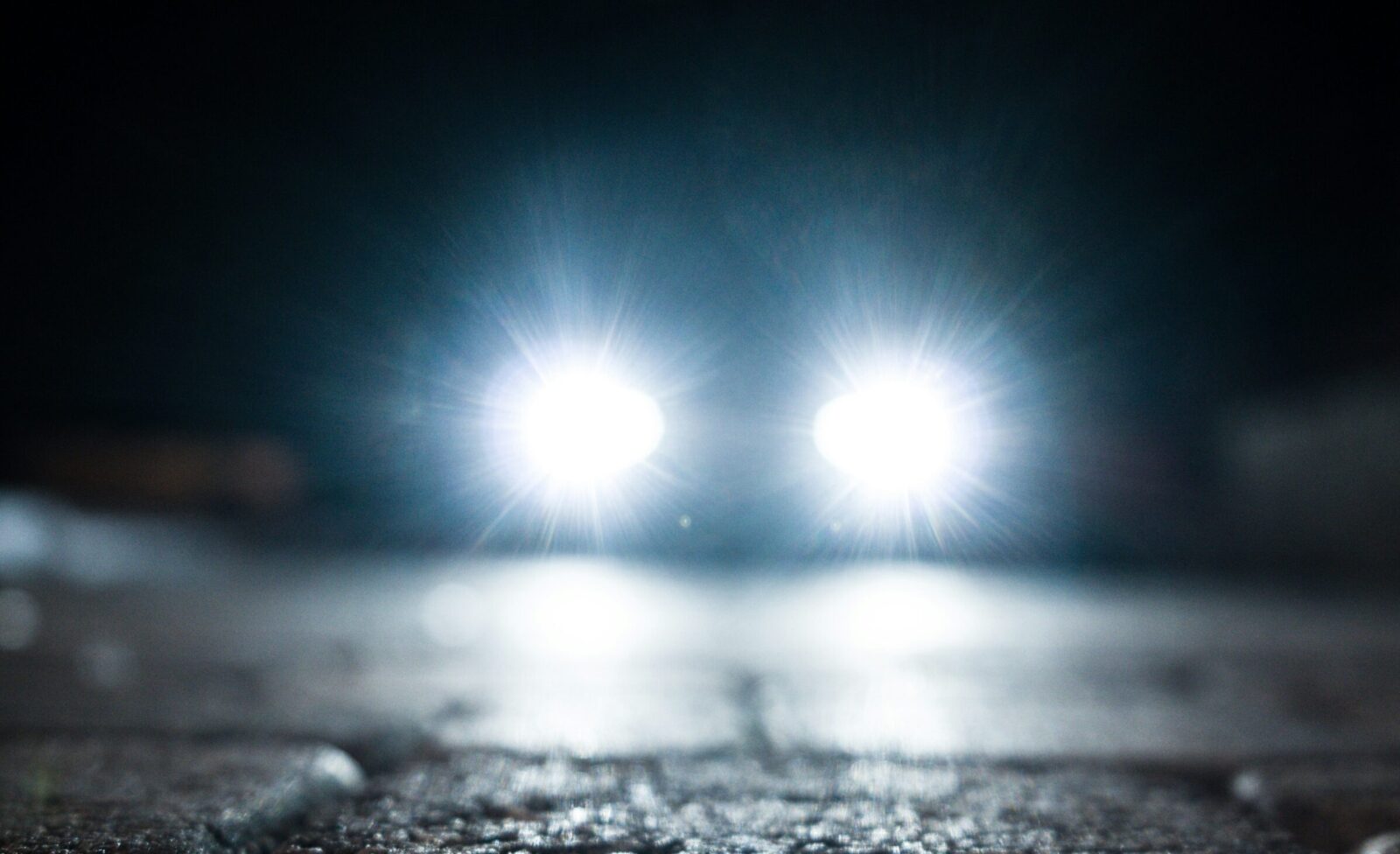
Following on from a petition that amassed over 13,000 signatures, and adding to the urgent calls for action by the RAC, after the motor company‘s survey of 2,000 drivers found that a huge nine in 10 (89%) think at least some headlights on cars on the road today are too bright, the UK Government has confirmed it will commission an independent study into headlight glare.
The RAC has been surveying drivers on dazzling headlights since all the way back in 2018, but these new findings have revealed that 85% of Brits believe it’s more common than ever before.
Of the drivers who complained about the brightness of car headlights, some 91% said they get “dazzled” when driving.
Three quarters (74%) of survey respondents claimed so-called ‘dazzling’ happens regularly.

Responding to the petition – which was set up by a member of the public, following the campaigning on the issue by the RAC – the Department for Transport (DfT) said: “The Government has taken action internationally to address concerns raised about headlamp glare.
But recognising the need for further evidence regarding headlight glare, we intend to commission independent research.”
The Government says the independent research will begin “shortly”, although that’s the extent on timeframes given, so it’s unclear and unconfirmed at this point when the study will start.
The RAC has praised the Government for its intent to take action.
“The fact the Government has listened to drivers’ concerns and heeded our calls to examine the complex issue of headlight glare in more detail marks a real turning point,” commented RAC road safety spokesperson, Rod Dennis.
“The topic has undoubtedly struck a chord with motorists up and down the country, and many people contacting us directly to call for something to be done.”
Mr Dennis said the study provides the Government with a “golden opportunity”.
Read more:
- Drivers warned as more than 100 new ‘ultra’ speed cameras have been installed across Greater Manchester
- Over half of drivers want noise detecting cameras installed across the UK to stop ‘boy racers’
- New law means drivers could soon be fined for parking on the pavement
He continued: “An independent study provides a golden opportunity for the Government and industry to get to the bottom of the problem, and identify the factors involved to map out a way forward.”
Featured Image – Andrea De Santis (via Unsplash)