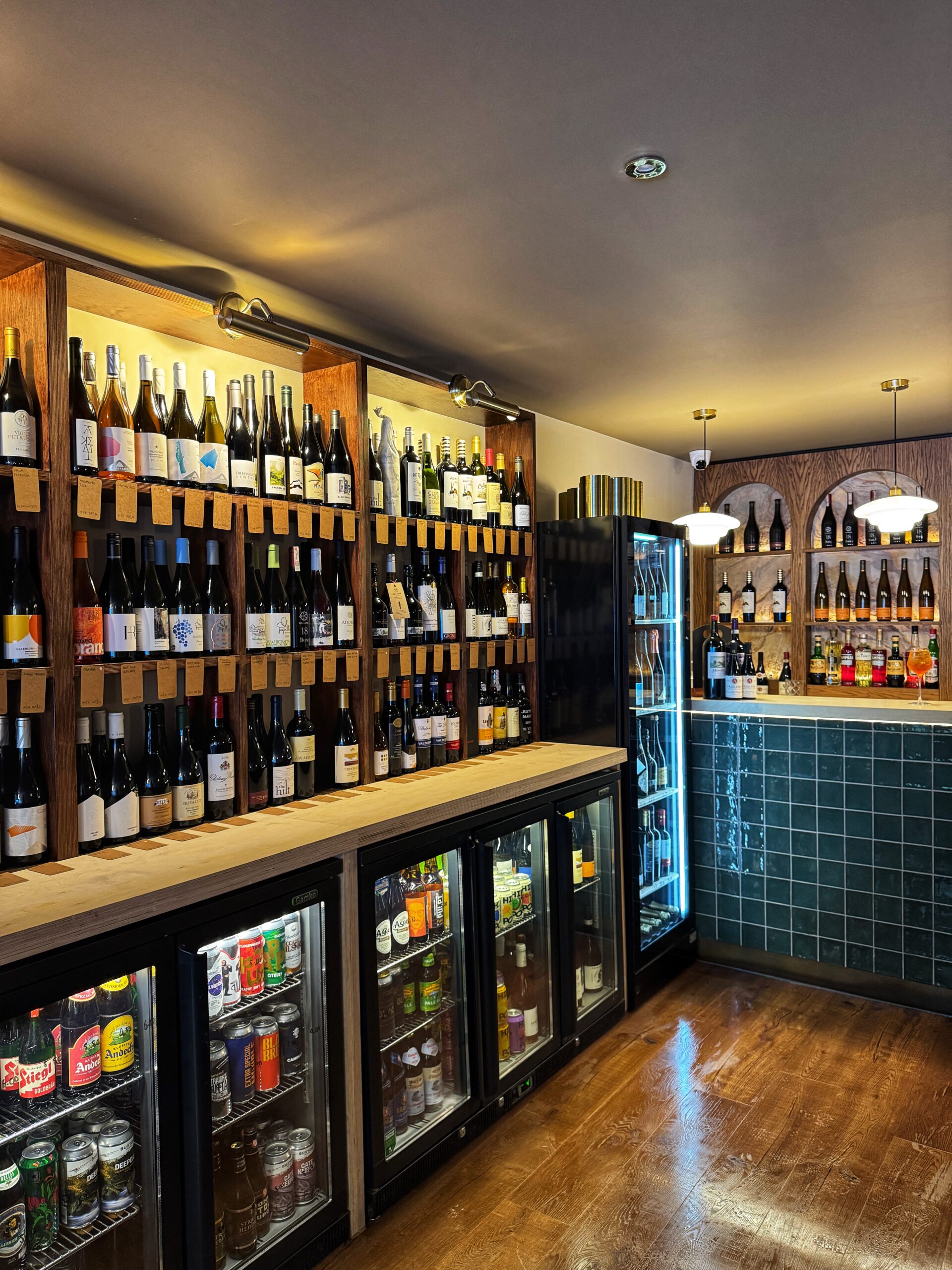
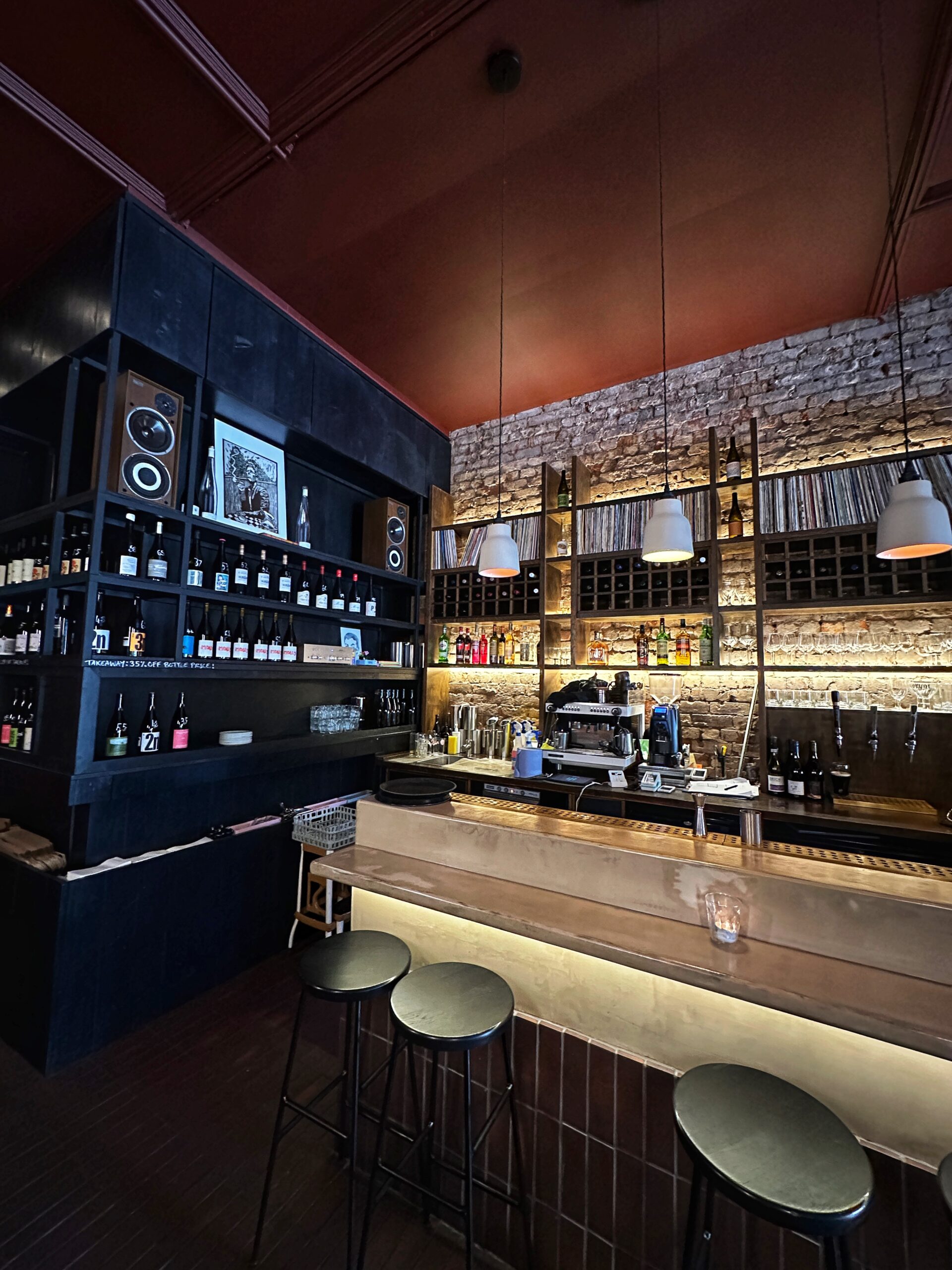
A popular suburb of Greater Manchester seems to be having a bit of a wine bar moment – and for once, we’re not talking about Stockport.
Prestwich has a buzzing little food and drink scene, and just this week has welcomed a brand-new wine bar.
That brings the total number of wine bars in the village to three – and they’re all in just a 200m stretch of the high street.
The latest addition is Cellar Door, headed up by siblings Ben and Sarah and sitting side-by-side with acclaimed neighbourhood restaurant The Pearl.
Cellar Door joins long-standing favourite Whole Bunch Wines (formerly known as Grape to Grain) and the new-ish Chin Chin, which comes from the same team behind Elnecot in Ancoats.
ADVERTISEMENT
And beyond that, The Pearl has a ‘wine window’ where they’ll pass your drink out to you to drink on their pavement bistro tables.
If you much prefer a decent glass of wine instead of a pint, Prestwich is becoming the new hotspot for a bar crawl.
ADVERTISEMENT
Read on for more on each of these brilliant independent businesses.
Cellar Door
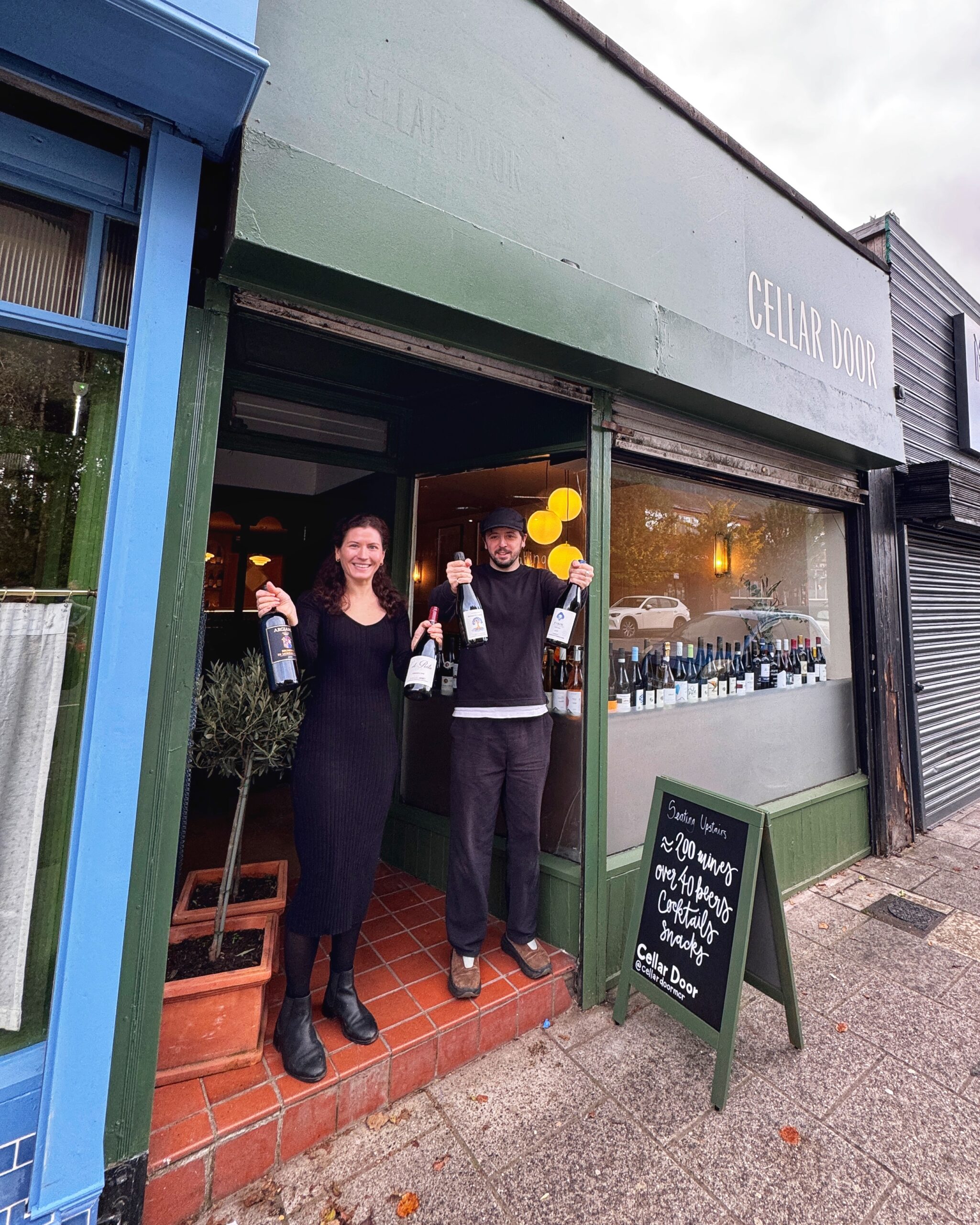
Cellar Door is the newest wine bar to open in Prestwich. Credit: The Manc Group
The newest wine bar on the Prestwich high street is Cellar Door, opened just this month by brother and sister Ben and Sarah.
It’s their first project together and is stocked with more than 200 different wines, plus plenty of beers (including some local names), selected batched cocktails served ice-cold, and a menu of nibbles too.
ADVERTISEMENT
Spanning two floors, there’s a sunny balcony upstairs for sunnier days, but in the meantime, get cosy in a booth with a glass of something from their VAST vino collection.
Whole Bunch Wines (formerly Grape to Grain) wine shop in Prestwich. Credit: The Manc GroupWhole Bunch Wines (formerly Grape to Grain) wine shop in Prestwich. Credit: The Manc Group
An ‘off licence with a difference’, Whole Bunch Wines (which used to be known as Grape to Grain) is Prestwich’s original spot for a wine.
Almost a decade old now, Whole Bunch Wines has a proper enomatic wine machine which means you can have a glass of their chosen bottles each week (without committing to a full bottle – though no judgement if you do want to do that too).
ADVERTISEMENT
They also have a counter stuffed with cheese, meat and fresh bread so you can customise yourself a deli board.
There’s not much better than grabbing a bottle to take away from Whole Bunch, then changing your mind and cracking it open sat on one of the barrel tables outside instead.
Last but definitely not least on this mini wine crawl around Prestwich is Chin Chin.
ADVERTISEMENT
This lovely spot comes from the team behind Elnecot, who initially opened it as Dokes Pizzeria (but then Rudy’s opened up opposite and honestly, who can be arsed) before pivoting it to be a wine bar.
There’s jazz vinyls playing, an enormous selection of rotating wines, a smart interior of tiled tabletops and moody red paint, and – a weekly highlight for locals – Sunday Sessions with roast dinner-inspired sandwiches and £4 pints.
Government sets out multi-million-pound plan to move UK away from animal testing in science
Emily Sergeant
A £22m push to ramp up the UK’s move away from animal testing in science is set to bring together cutting-edge tech and research.
The latest figures show there were 2.54 million animal testing procedures in Great Britain in 2025, which is down 3.8% on 2024, but with a further update due to be released later this year, the Government is now moving to ‘capitalise’ on that momentum with funding to shift the nation onto alternative testing options.
A dedicated national research hub and nine new high-tech projects are planned to develop ‘better ways’ to test medicines on human biology rather than animals.
According to the Government, this means treatments for conditions like cancer and inflammatory bowel disease (IBD) could be developed ‘faster’ and ‘more precisely’ to not only help patients but crucially also move science away from traditional animal testing.
At the heart of the plans is a new Pre-clinical Translational Models Hub – based in Cambridge and backed by £20 million in Government funding, which will work to build and share models of human tissue, grown from NHS patients, to test new treatments.
The new hub will accelerate the development of testing on ‘organoids’ – tiny, simplified versions of a human gut, tumour or brain, using cells donated by patients.
From beating heart cells in a dish to AI that can predict how drugs move through the body, exciting alternatives to animal testing are transforming medical research.
We're investing £22m to help scientists develop the next generation of life-saving treatments. pic.twitter.com/1EWRQvwySa
— Dept. for Business, Innovation, Science and Trade (@biztradegovuk) August 12, 2026
Because these ‘organoids’ retain crucial features of a patient’s own biology, they will help researchers learn how a real person may respond to a drug and provide additional insights that can complement information that is currently obtained from animals.
Scientists will then be able to use these cutting-edge techniques in their own labs to work out which medicines are worth pursuing.
Overall, it’s hoped that the move will slash the time it takes to get ‘potentially life-changing’ treatments to market.
Alongside the funding for the new Hub, nine cutting-edge projects aimed at identifying new methods of animal-free scientific testing – from beating heart cells in a dish, to lab-grown human ear models, and AI that predicts how medicines move through the body – are being funded.
Sadly, many of these still rely on testing on dogs and monkeys, as it stands.
“This marks another significant step forward in the UK’s move away from animal testing in science and research,” commented Science Minister Chris McDonald.
“This is all about backing our world-leading researchers and innovators to improve lives, giving them the tools they need to deliver more effective treatments for horrendous diseases like cancer, while also preventing the need for animal testing wherever possible.
“It’s also a boost for our life sciences sector, fuelling opportunities for new investment and new jobs, and ensuring Britain is better off.”
Elbow get behind campaign to save Jodrell Bank from closure
Danny Jones
Manc band Elbow are among the latest to get behind the campaign to save Jodrell Bank Observatory from closing permanently.
The Greater Manchester natives famously played a sold-out gig at the important scientific and cultural landmark for a very special live album recording well over a decade ago, and know all too well the site’s national and, indeed, global heritage.
Choosing the Observatory and the rare chance to perform a show in the shadow of the world-renowned James Lovell Telescope, it probably remains one of their most significant standalone UK date ever.
With that in mind, the local lads have been left just as worried by the news of its impending closure as everyone else, and have therefore issued a fresh appeal to help keep it open.
Posting a timely statement on social media, the group wrote: “Jodrell Bank has long been close to elbow’s heart. In 2012, the band played beneath the Lovell Telescope for one of the most memorable shows in our history.
“The recent news that funding for the e-MERLIN radio telescope network is set to end in 2028 puts the future of the scientific work at Jodrell Bank under serious threat. It is a remarkable place, with an extraordinary history, and one that continues to play an important role in science, culture and education.”
In addition to reliving clips and images from the historic live set all the years later, they also pointed people towards their ‘elbow – Live at Jodrell Bank‘ album documentary, which has now been made available online for the very first time as part of wider efforts to raise awareness around the cause.
Directing people to key online resources shared by the institution and astrophysics centre itself following their unfortunate update late last month, the push to not only find the funding but sustain support for the facility continues to ramp up throughout the world of science, arts and industry.
For anyone who somehow missed the news – 2028 being the current deadline handed down as per budget cuts across the sector – concerned parties here in the North West and all over the country have since started petitioning to save Jodrell Bank Observatory from shutting down for good.
In addition to being described as a “huge blow” to the field by the Royal Astronomical Society (RAS), some have even gone so far as to describe the decision as a form of “vandalism” when it comes to research and British culture as a whole.
Having also served as the host venue for the annual bluedot Festival since 2016, the multi-genre science and arts celebration could soon be forced to find a new home.
The battle is far from over yet, and the community has time to rescue Jodrell Bank Observatory from its fate, but it will take lots of money and more notable public figures to make it happen.
Once again, you can do your bit by signing the petition mentioned above right HERE.