A campaign has been launched by some of Manchester’s leading business owners and public figures to drive footfall back into the city centre post-lockdown.
Bury-born ex Manchester United star and pundit/commentator Gary Neville has joined forces with other prominent figures – with the backing of Manchester City Council leader Sir Richard Leese, and Greater Manchester Mayor Andy Burnham – to create United City.
The collective of business leaders want to encourage people to return safely to towns and the city centre.
United City says increasing footfall is “critical to the success” of the entire region, and will campaign to get Greater Manchester on the road to economic recovery, fix its “broken ecosystem”, and also commission independent research to back up its messages, with hard data and use findings to negotiate with central government.
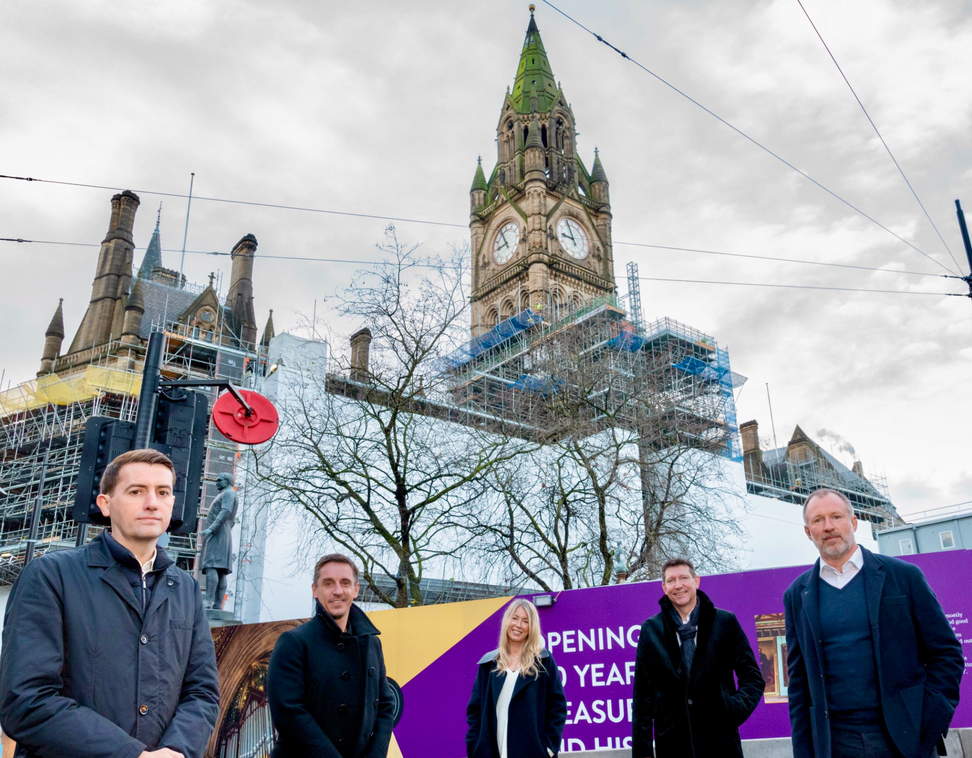
The founders of United City are Gary Neville of Relentless Group, Chris Oglesby of Bruntwood, Lisa Morton of Roland Dransfield PR, Will Lewis of OBI and Frank McKenna of Downtown in Business.
ADVERTISEMENT
The group hopes to get the region “back on its feet” and back to supporting retail, leisure, culture, and sports businesses, as well as provide support and advice for business owners to make sure workforces are welcomed back safely.
Raising funds for vulnerable citizens is also included in the plans.
United City‘s strategy plans – which looks to creating COVID-secure environments – include input from the Greater Manchester Combined Authority and Manchester City Council, and its privately-funded research will help to bridge the gap by providing clear data to manage safety in workplaces, hospitality venues and on transport.
The research will also allow Greater Manchester leaders to negotiate with the government on local lockdown restrictions and navigate their own way out of them.
Gary Neville – Founder and Director of Relentless Group – said: “Manchester is built on community and entrepreneurial spirit [and] it’s imperative that this crisis doesn’t remove that from our DNA [so] United City will create a clear path forward for the region and will help to effect genuine change for the people and businesses that are based here.
ADVERTISEMENT
“To make this happen, we need as much support from the business community as possible.
“We are looking for business leaders to step up and lead the change to our working habits, to get our teams back into the office, and back together again.”
I’m delighted to be part of the launch of @UnitedCity. We are a collection of businesses coming together to get GM going again. We will fund independent research to support our messages with data to encourage people to return safely to our towns and cities in a Covid secure way
Chris Oglesby – CEO at Bruntwood – commented: “It goes without saying that the region’s ecosystem is broken without a confident and collective return to a more normal life, and that an economic recovery for the city – and millions of people who rely on that ecosystem – is impossible without a shared impetus to get things moving again.
“Within the UnitedCity steering group, we have professionals who can support and advise business leaders to ensure that they are able to practically and emotionally support their returning workforces.
“The city centre in particular needs life breathed back into it; it’s nothing without its people, and the culture, hospitality, retail and leisure businesses within it have helped create Manchester’s reputation as a hotbed of innovation and dynamism.
ADVERTISEMENT
“We’ll be looking to build a broad coalition with other business organisations and political leaders, with the long-term aim of ensuring Greater Manchester can recover in a way which is sustainable and healthy.”
'What we need is a balanced approach… Rather than the ups and downs that've existed and create anxiety.'
Will Lewis of OBI added: “A lot of people still haven’t even been back to the city centre since March.
“We’re so concerned for all sorts of different sectors, so we hope that this organisation will encourage and help Manchester and encourage people to get back to the city – not in a cavalier way, in a COVID-secure way.
“It’s got to be done safely.”
You can find out more about the United City campaign and objectives here.
Business
‘Remember to support genuine independents’ – Manchester’s rotisserie chicken bistro Tartuffe announces closure
Emily Sergeant
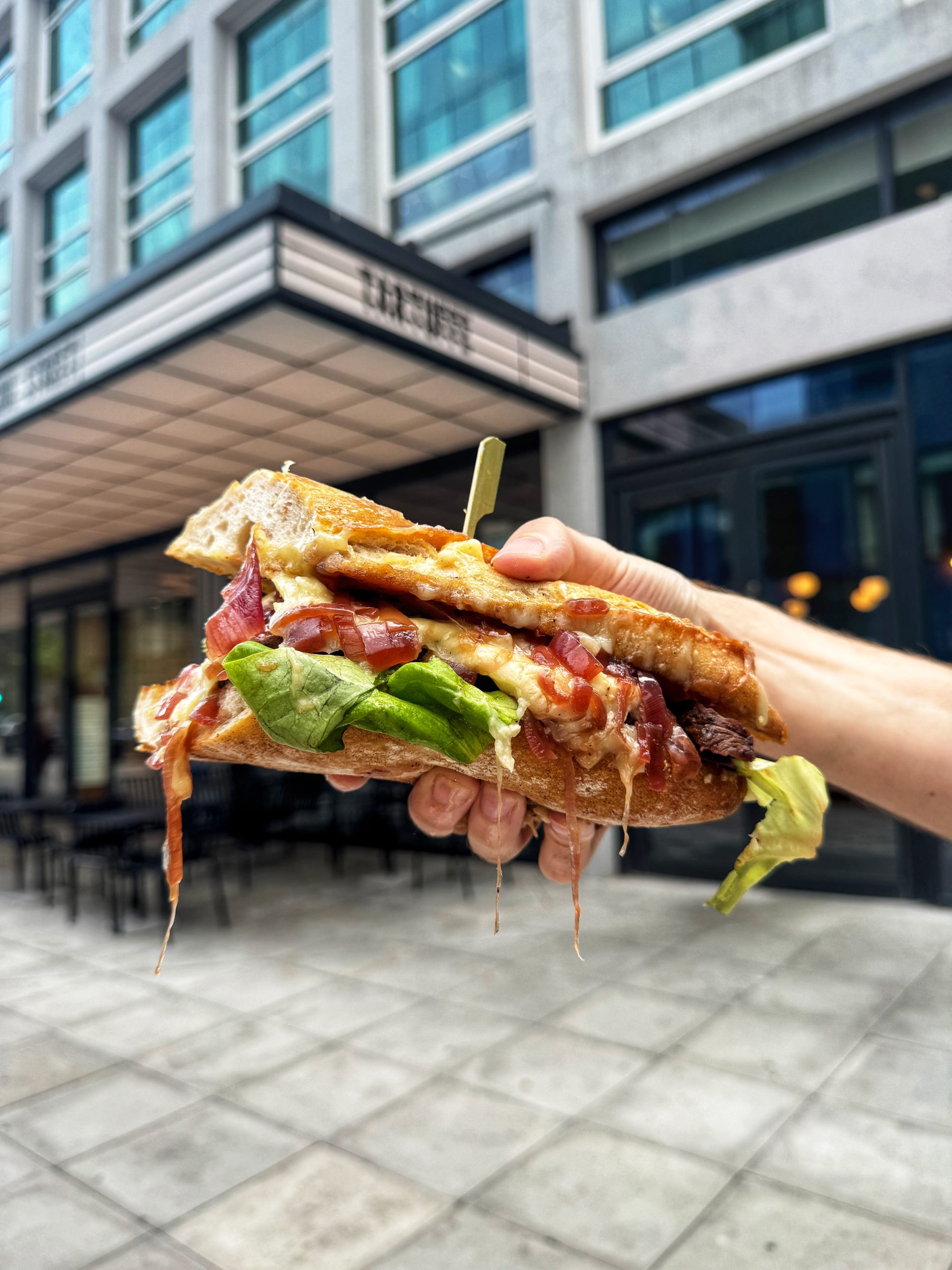
Rotisserie chicken bistro Tartuffe has called final orders on its time at popular city centre hangout, Side Street.
Serving some of the best rotisserie chicken in Manchester – ‘sexy chicken’, if you will – Tartuffe first landed at Side Street inside the ABC Building back in the later summer of 2024, and quickly became known and loved by critics and customers alike for not just their rotisserie options, but also their stylish bar snacks and standout sides.
But despite being a roaring success these past two years, Tartuffe took to social media this week to announce the end of the ‘longest pop-up ever’, with its final service being tomorrow (25 September).
Tartuffe will be leaving Side Street this Friday / Credit: The Manc Group
Announcing its closure on Instagram, Tartuffe wrote: “That’s right, our time at Side Street has come to an end and our final service here is this Friday.
“It’s been an incredible two and a half years cooking for the wonderful people of Manchester and we’re hugely thankful to everyone who’s been to see us whilst we’ve been here.
“Another big thanks to the staff at Side Street who we’ve loved working with. We’ve made some great friends and worked with some absolutely brilliant people.
Award-winning Manchester restaurant Another Hand announces closure with ‘immediate effect’
Emily Sergeant
One of Manchester’s most popular intimate restaurants has sadly announced that it’ll be closing its doors with ‘immediate effect’.
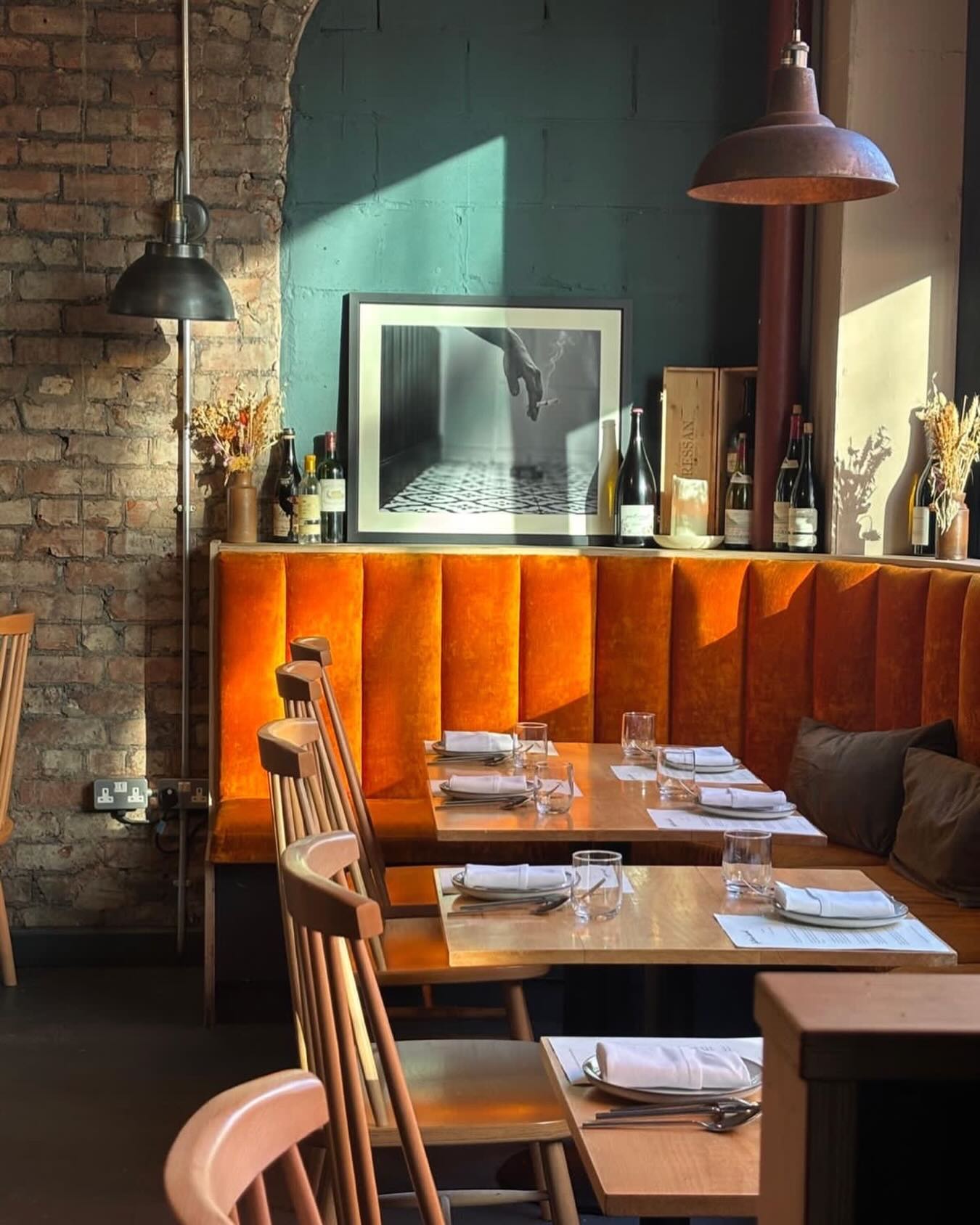
Another Hand – which can be found tucked away up on Deansgate Mews – opened back in 2022 to acclaim from critics and customers, as well as scooping up several awards along the way like Best Newcomer at the 2022 Manchester Food and Drink Awards, and places in the Michelin Guide and the Good Food Guide along the way.
Not only that, but the 24-seater intimate casual dining restaurant was also named as one of the best restaurants in Manchester merely three weeks ago by respected publication, Time Out.
Launched by the team behind 3 Hands Deli – which operated from a site two units down – Another Hand was known and loved for focusing on sharing plates made with produce from local ethical growers.
And it seemed to be going from strength to strength, but sadly, the restaurant took to social media yesterday to announce its decision to close ‘with immediate effect’.
Another Hand said in its statement on Instagram: “With heavy hearts we are sad to announce that after five years Another Hand will be closing its doors with immediate effect.
“Unfortunately, as most of us know, the current economic climate for the hospitality sector is facing steep challenges, sadly a familiar story. And after five years of operating within this increasingly challenging environment, we feel it’s time for us to step away.
“This isn’t a decision we’ve taken lightly, but it feels like the right time to bring this chapter to an end.
“We’re incredibly proud of what we’ve built here. From the people who have worked alongside us, to the producers and suppliers who have supported us; and most importantly, everyone who has come through the door and eaten with us…. thank you.

 Emily Sergeant -
23rd November 2020
Emily Sergeant -
23rd November 2020