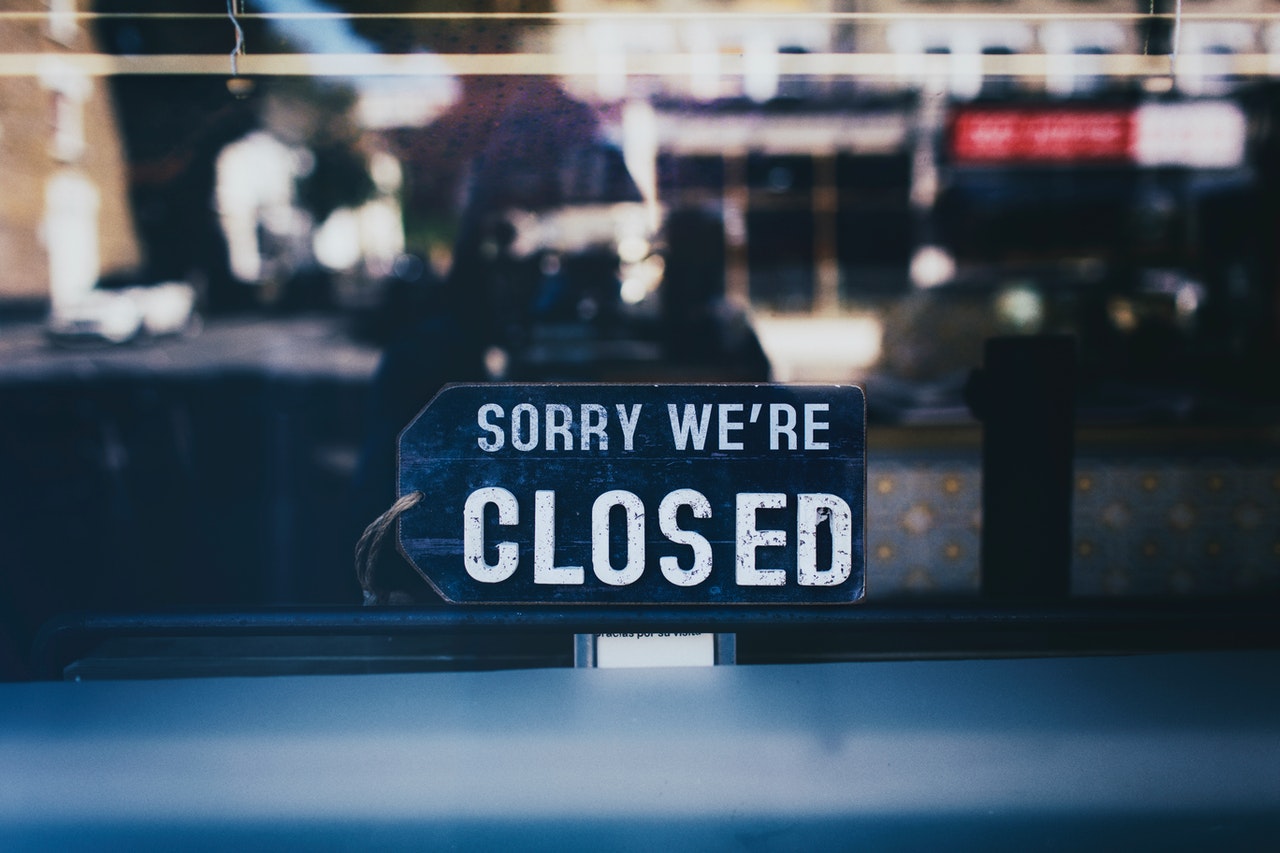
The Supreme Court has ordered insurers to pay out hundreds of millions to businesses following claims made during the COVID pandemic.
Thousands of small firms have been waiting for money to cover losses from the first national lockdown, which they believed would be covered by business interruption insurance.
However, despite companies being unable to trade, many insurers – including the likes of Hiscox, RSA, QBE, Argenta, Arch and MS Amlin – refused to pay, arguing that only specialist policies covered such widespread closures.
The Supreme Court has now rejected this appeal, with insurance companies being urged to pay up on many policies.
ADVERTISEMENT
This will be of huge relief to all those businesses which took out business interruption insurance who have yet to receive a penny. It shouldn’t have gone this far. https://t.co/JC3Xrr0ltX
The Hiscox Action Group (HAG), representing 400 claimants, called the ruling a “full victory”.
MP for Manchester Central Lucy Powell also hailed the decision as a “relief”, saying “it shouldn’t have gone this far”.
ADVERTISEMENT
One firm representing companies that have suffered losses due to COVID-19 is My Business Solicitor – which is supporting claims for actual and forecast losses, loan charges, staff costs and rent.
The company warned businesses: “Many insurance companies will now approach previous and potential claimants to make a minimal offer of compensation in order to reduce their costs.
“You deserve more.
ADVERTISEMENT
“As lockdown measures tighten, there is no better time to claim.”
Sheldon Mills, from the Financial Conduct Authority (FCA), which brought the case on behalf of policyholders, said: “Coronavirus is causing substantial loss and distress to businesses and many are under immense financial strain to stay afloat.
“Today’s judgment decisively removes many of the roadblocks to claims by policyholders.
“We will be working with insurers to ensure that they now move quickly to pay claims that the judgment says should be paid, making interim payments wherever possible.”
You can find out if you’re eligible for a claim by visiting My Business Solicitor online.
Business
Cult US sustainable clothing brand Reformation opens in Manchester city centre
Emily Sergeant
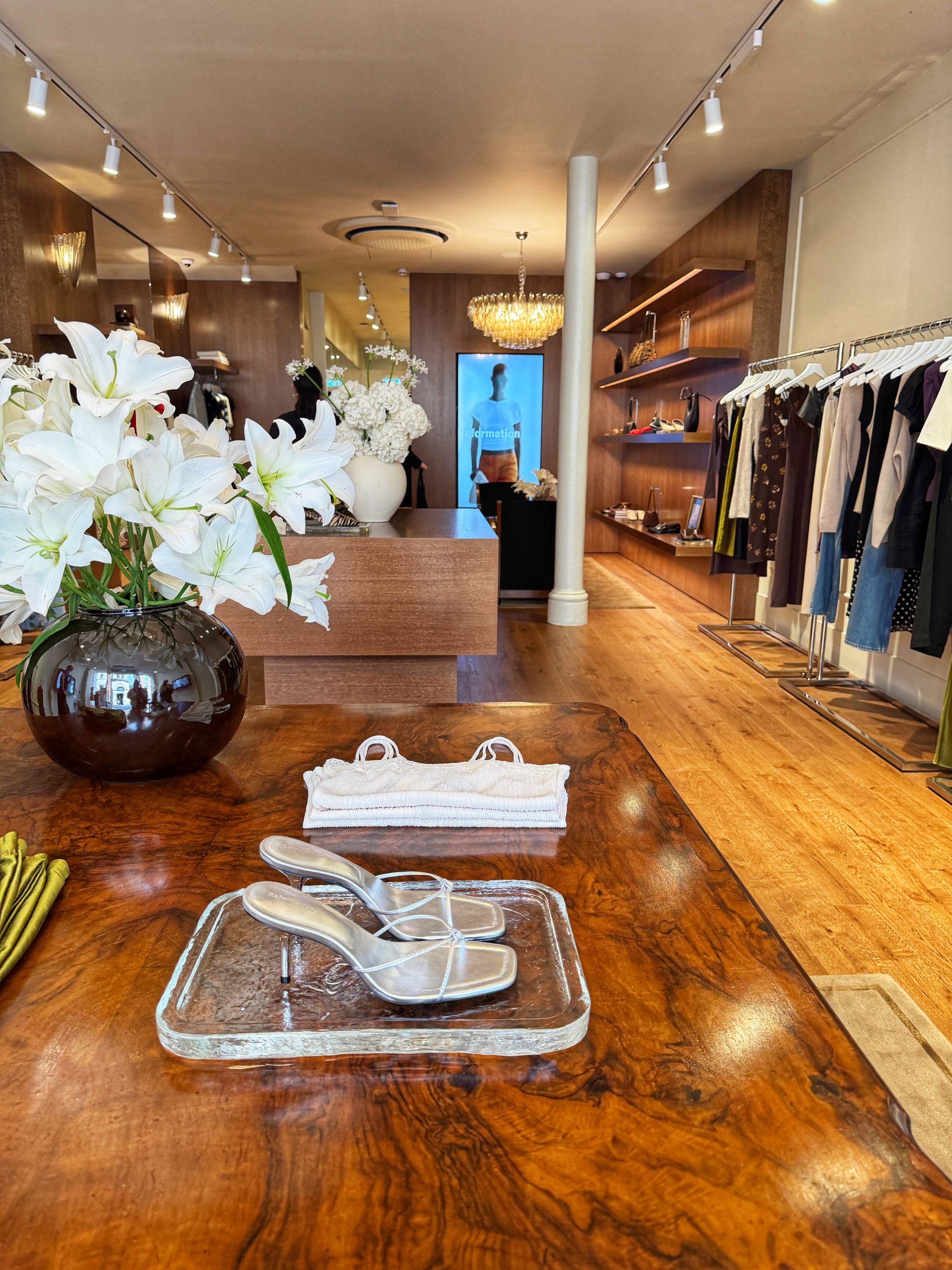
Cult US sustainable clothing brand Reformation has opened its doors in Manchester for the first time.
Since it was first founded in Los Angeles all the way back in 2009, Reformation has gone on to become one of the largest sustainable womenswear brands on the planet, and is now known and loved for making beautiful, timeless apparel and accessories that aim to ‘inspire confidence’ across life stages and occasions.
Operating on a business model that pairs a smart approach to merchandising with a responsive supply chain, Reformation now operates more than 70 retail stores across the US, UK, Canada, and France.
At the heart of the Reformation story is a genuine commitment to ‘doing things differently’.
Since day one, sustainability has been woven into everything the brand makes – from the eco-certified fabrics and responsible factories, to its famously transparent sustainability reports.
Currently, Reformation has five UK stores to its name – but, it may come as no surprise to fans of the brand that they’re all in London.
That’s why the news of this new Manchester opening is such a big deal.
The label’s first UK store outside of the capital, Reformation has secured a prime spot on King Street in the heart of the city centre, where its neighbours include American Vintage and ME+EM.
Inside, the store is laid out simply, with single sample-size items on display, but a full range of sizes available to try on.
And you can browse the full Reformation collection on huge interactive screens in the front of the shop.
Take a look inside:
Reformation is now open in ManchesterPart of Manchester’s beautiful new Reformation storeReformation loafersInteractive screens so you can browse the full Reformation collectionZebra print mules
“For Manchester, it’s a landmark moment, and for King Street, it’s the latest signal that this is one of the UK’s most exciting retail destinations,” a spokesperson for King Street said in a statement.
Stay tuned for details on opening dates to be announced in due course.
Featured Image – The Manc Group
Business
Wetherspoons introduces new phone rule at all UK pubs after customers are ‘driven nuts’
Emily Sergeant
JD Wetherspoon has announced a major new phone rule in all its sites across the UK after customers complain of being ‘driven nuts’.
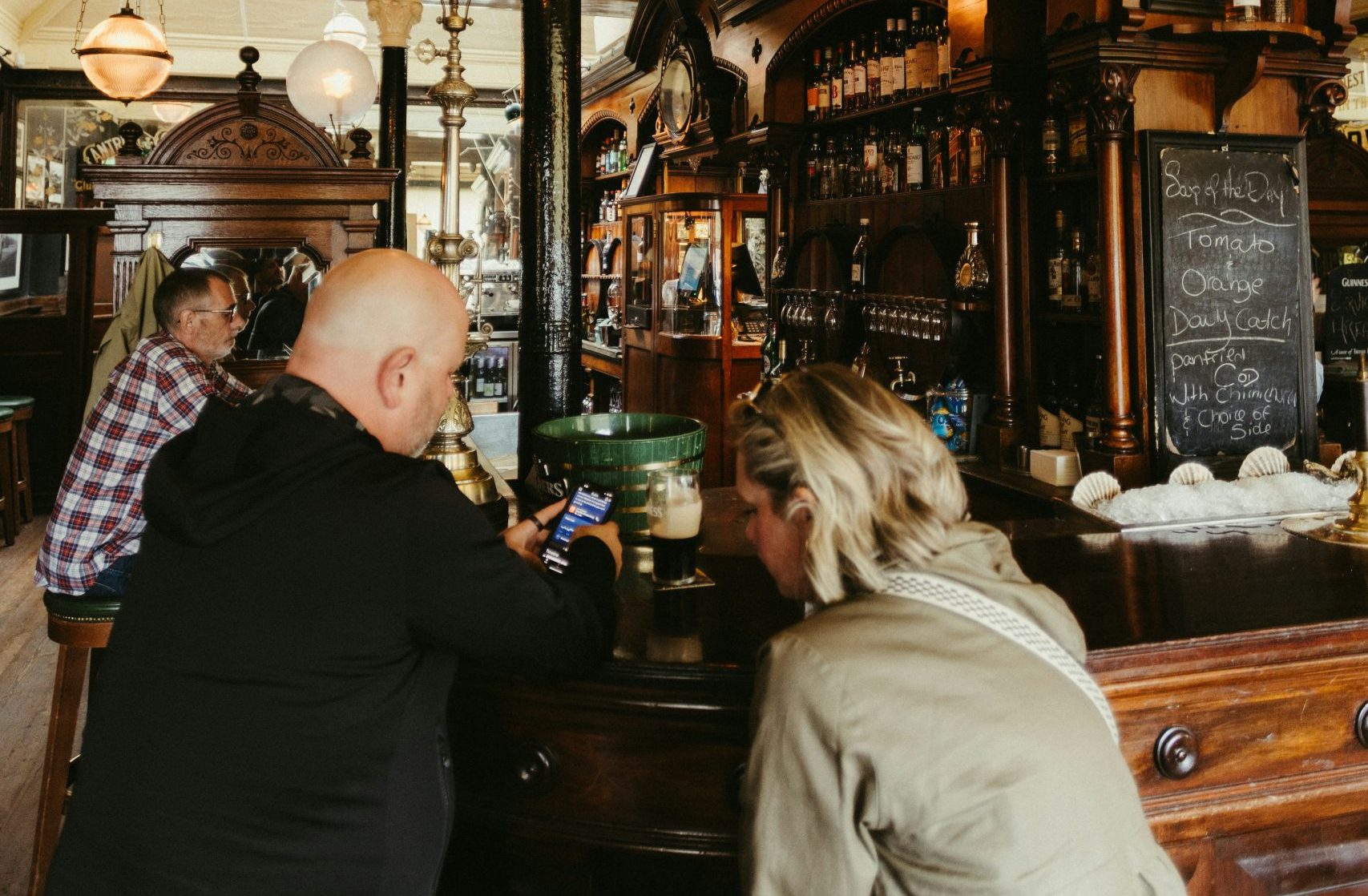
The pub chain – which has nearly 800 branches across the UK – announced earlier this week that it has made the decision to ban people from playing music or videos out of their phones, and from taking calls on loudspeaker.
The ban, which has been introduced effective immediately, follows a rising number of complaints from customers about the noise – with owners saying sounds from smartphones and tablet computers had become an ‘increasing problem’ in recent years.
Wetherspoon founder and chairman, Tim Martin, says he wants Wetherspoon pubs to be ‘an oasis of tranquillity and contemplation’.
Wetherspoons has introduced a new phone rule at all its UK pubs after customers are ‘driven nuts’ / Credit: Allan Rohmer (via Unsplash)
A formal statement from the company announcing the ban reads: “Following complaints from customers, who are being driven nuts by other people’s videos and amplified phone conversations, Wetherspoon has asked customers to switch their phones to silent or to use earphones.”
Tim Martin added: “In order to avoid customers being driven chicken jalfrezi by a cacophony of sound, we are kindly asking phone users to pipe down.”
Wetherspoon’s ban follows a YouGov poll conducted last year questioning public opinion on a proposition made by the Liberal Democrats of introducing fines of up to £1,000 for ‘headphone dodgers’ who play music out loud on buses and trains.
62% of people, on average, said they would back this move if it was introduced.
The poll, which surveyed 6,815 British adults, found that almost three-quarters of those over 65 would support the fines, while those aged between 18 and 24 were split 47% to 43% in favour of it.
Early public reactions to Wetherspoon’s ban appears to be overwhelmingly positive.

 The Manc -
15th January 2021
The Manc -
15th January 2021