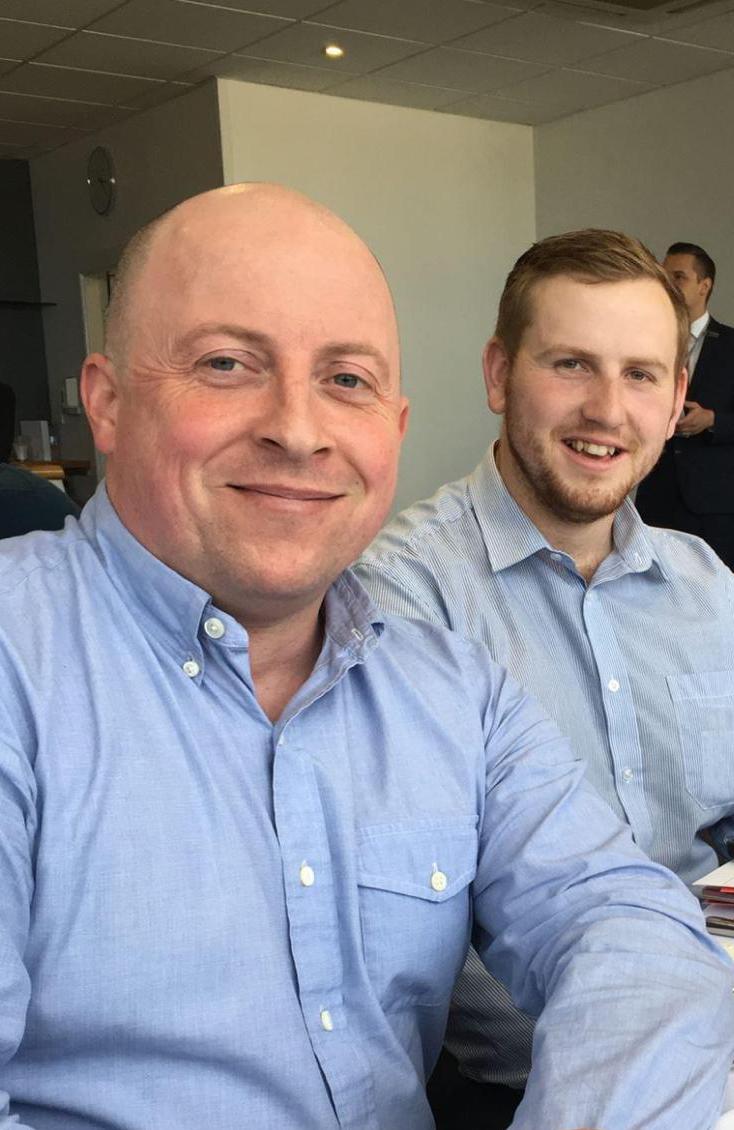
“Finish what you’re doing and go home,” David Mac was told. “We’re done here.”
He wasn’t the only one to hear that.
Over spring and summer in 2020, thousands of people were getting the same instructions.
The pandemic had done quick and serious damage since its arrival in Britain in March; halting work, shrinking the economy, and leaving millions furloughed or unemployed.
One of the other (many) people left without work was David’s close friend – and best man at his wedding – Aidan.
ADVERTISEMENT
The pair had originally met during their time in the army, remaining pals long after they’d left the forces to set up their own respective businesses (David in camera installation, Aidan in the security industry).
Coronavirus had taken out both their companies in one fell swoop.
ADVERTISEMENT
“Everything fizzled out overnight,” Aidan tells us.
“In my line of work, we rely heavily on events that just weren’t happening any more. It really hit us hard.”
Fortunately, army experience gives you the kind of discipline and perspective required to stay cool in a crisis.
ADVERTISEMENT
Dave and Aidan understood the bigger picture – and they even had an idea of how they might be able to help.
The duo had dedicated years to protecting Britain on the ground. Now, they wanted to guard people from the invisible threat of COVID-19.
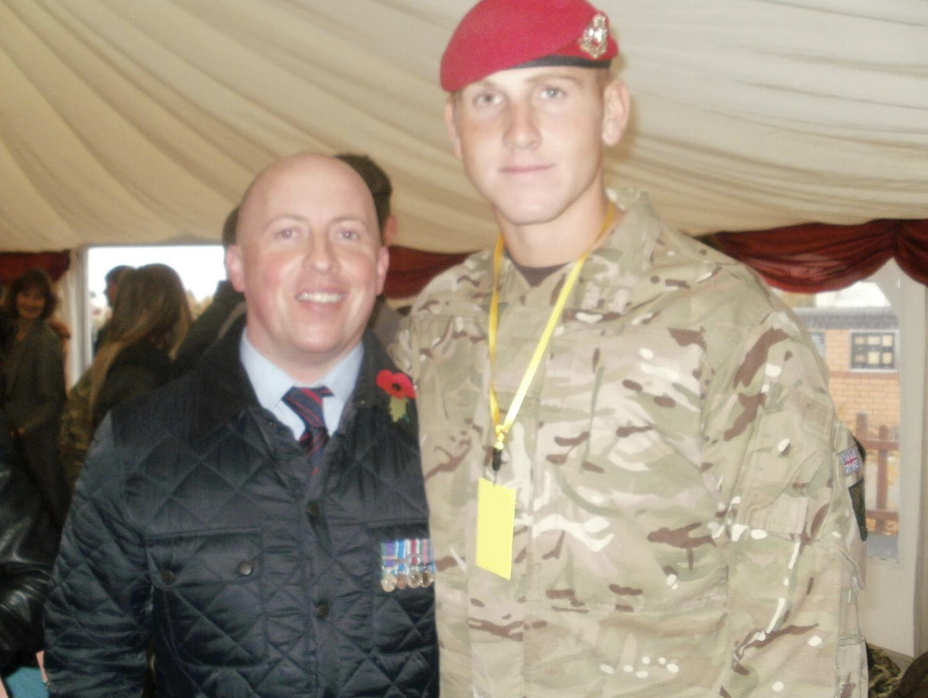
Dave and Aidan in their army days
Both Dave and Aidan had purchased PPE in large quantities during the early part of the pandemic – just like many companies across the UK.
During that time, they’d learned a few things.
First, they’d spotted that most PPE was being manufactured in Asia rather than here in Britain – so there was a gap in the market. But most importantly of all, they realised that the industry was surprisingly unscrupulous.
ADVERTISEMENT
Despite PPE’s new status as a health essential (in some instances required by law) the markup some companies were placing on products was astonishing.
People were being ripped off left, right and centre, and Dave and Aidan wanted to do something to stop it.
“Honestly, there are so many horror stories about people paying hundreds of pounds for bottles of hand sanitiser,” David says, with more than a touch of frustration in his tone.
“People everywhere have been getting let down or overcharged or both.
“It’s not on, to be honest.”
ADVERTISEMENT
It was clear to David and Aidan that they could provide PPE more effectively – and ethically – than some of the existing suppliers already out there.
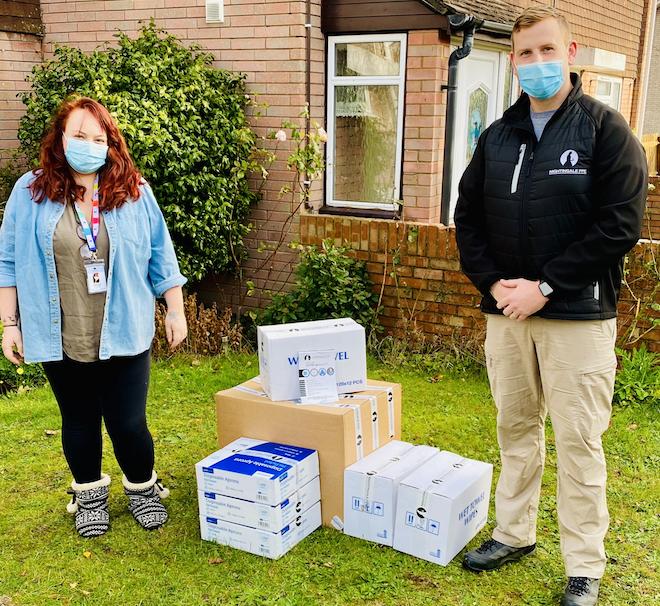
As a result, Nightingale PPE was born – a brand that has since supplied all the equipment required during the pandemic (including masks, hand sanitisers, visors, gloves, aprons, and antibacterial wipes) for affordable prices.
Nightingale currently operates out of two locations; one down south and another just around the corner in Manchester.
Clients range from Premiership football clubs, to schools, to local residents – with the duo having also struck partnerships with organisations in the local community (even becoming a sponsor for Romsey Football Club).
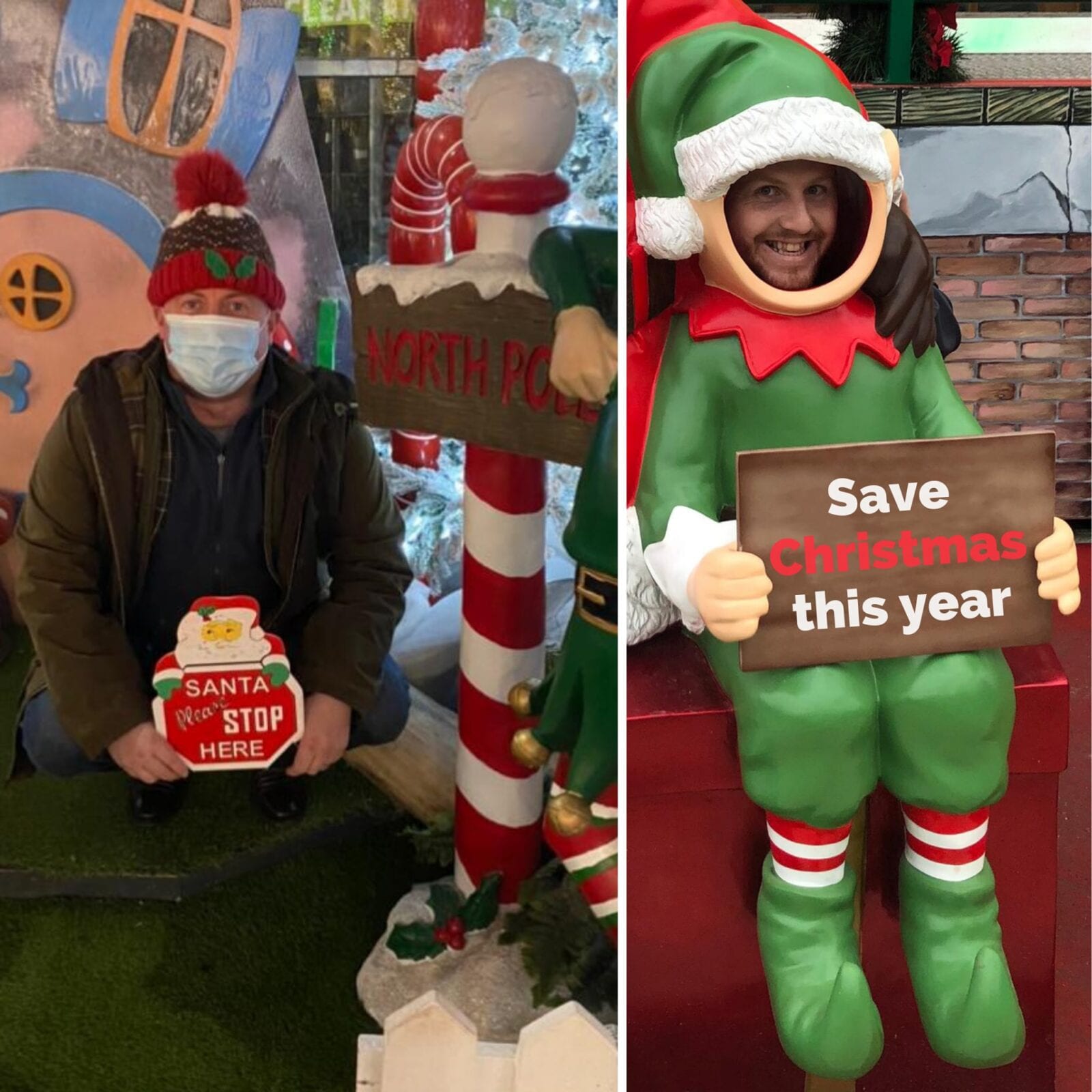
They’re also hosted a competition on Facebook – covering the Christmas costs for a deserving family, up to the value of £1,000 – and spoke to the winner on Zoom.
ADVERTISEMENT
“For us it’s about building relationships,” says David, explaining the Nightingale philosophy.
“Whether it’s a big organisation or an individual – everyone gets the same treatment.
“We make a bit of profit, but what we’re most concerned about is making sure people get a fair deal.”
Nightingale is no flickering candle, either.
As Aidan says, it was never their intention to make a million pound overnight.
ADVERTISEMENT
“We’re not here to make a quick buck,” he explains.
“We’ve got a national reach now but we want to keep that personal touch.
“Our focus for the future is bringing even more local people into the mix and buying British.”
Nightingale is here for the long haul – doubling its headcount over the past few weeks (with aims to bring in several more members of staff moving ahead).
“We’re trying to build this new business – and we reckon it’s got legs – that is known for what it is: A reliable, trusted place to go for PPE,” Dave tells us.
ADVERTISEMENT
“There’s four of us here right now, but we’ve got plans to keep growing throughout next year.
“The intention is to create some local jobs and become the go-to place for PPE in the UK.”
They may no longer be in the forces together, but Dave and Aidan’s instinct for protecting people remains very much intact.
Learn more about Nightingale PPE and see what products they have for sale by visiting their website.
The company is also hosting a competition on Facebook for a family in need to win £1,000. Click here to learn more.
Business
Inside Manchester’s newest Italian restaurant serving 70-year-old Calabrian recipes
Clementine Hall
A new restaurant inspired by Calabrese cooking has opened its doors in Manchester city centre.
Sometimes only a steaming hot bowl of homemade pasta will do, and you’ll find it at the new Pranzo Italian in abundance.
Located on King Street, slap bang in the centre of town, this light-drenched restaurant is set to become your go-to for authentic Italian cuisine.
Born in West Yorkshire, they opened their first restaurant in the spa town of Ilkley back in 2018 before quickly opening another location in Harrogate after Pranzo became inundated with hungry customers.
Images: The Manc
Fast forward to now, they have another site in York and now luckily for us, here in Manchester.
Inspired by founder Marco’s Italian heritage and his Nonna’s traditional Calabrese cooking, every single thing you’re served here is homemade.
From the fresh pasta and the rich sauces to the fluffy focaccia used to mop up said sauces, and not to forget the cherry gin used in the standout Sour Cherry Negroni.
Dishes here are as traditional and authentic as they get, using 70-year-old recipes that Marco learnt from his Nonna (who you’ll spot in old pictures proudly hung up around the restaurant).
Images: The Manc
On our visit, after indulging in couple of cocktails at the bar we kicked things off with a couple antipasti, because it really would be rude not to.
The arancino picante was a real standout, stuffed with spicy fennel sausage, smoked provola cheese and served on a bed of nduja cream.
This had everything you wanted in an arancini, crispy on the outside, gooey on the inside and served piping hot.
We recommend ordering the focaccia el aglio alongside it to dunk into the smoky nduja cream, a genius move if you ask us.
Images: The Manc
Now, onto the mains.
We ordered three of Pranzo’s specialist pastas and every single one was cooked to perfection. If you’re a fan of proper al dente pasta then trust us, you’re going to love this place.
The ragù di manzo features fresh mafalde pasta in a deeply savoury 4-hour beef shin sauce, and they definitely don’t skimp on the meat.
Showered in parmesan at the table, it’s a favourite on the menu for a reason. The reason? It’s nothing short of delicious.
Images: The Manc
We don’t know about you, but if burrata is on the menu then we’re ordering it with zero hestitation.
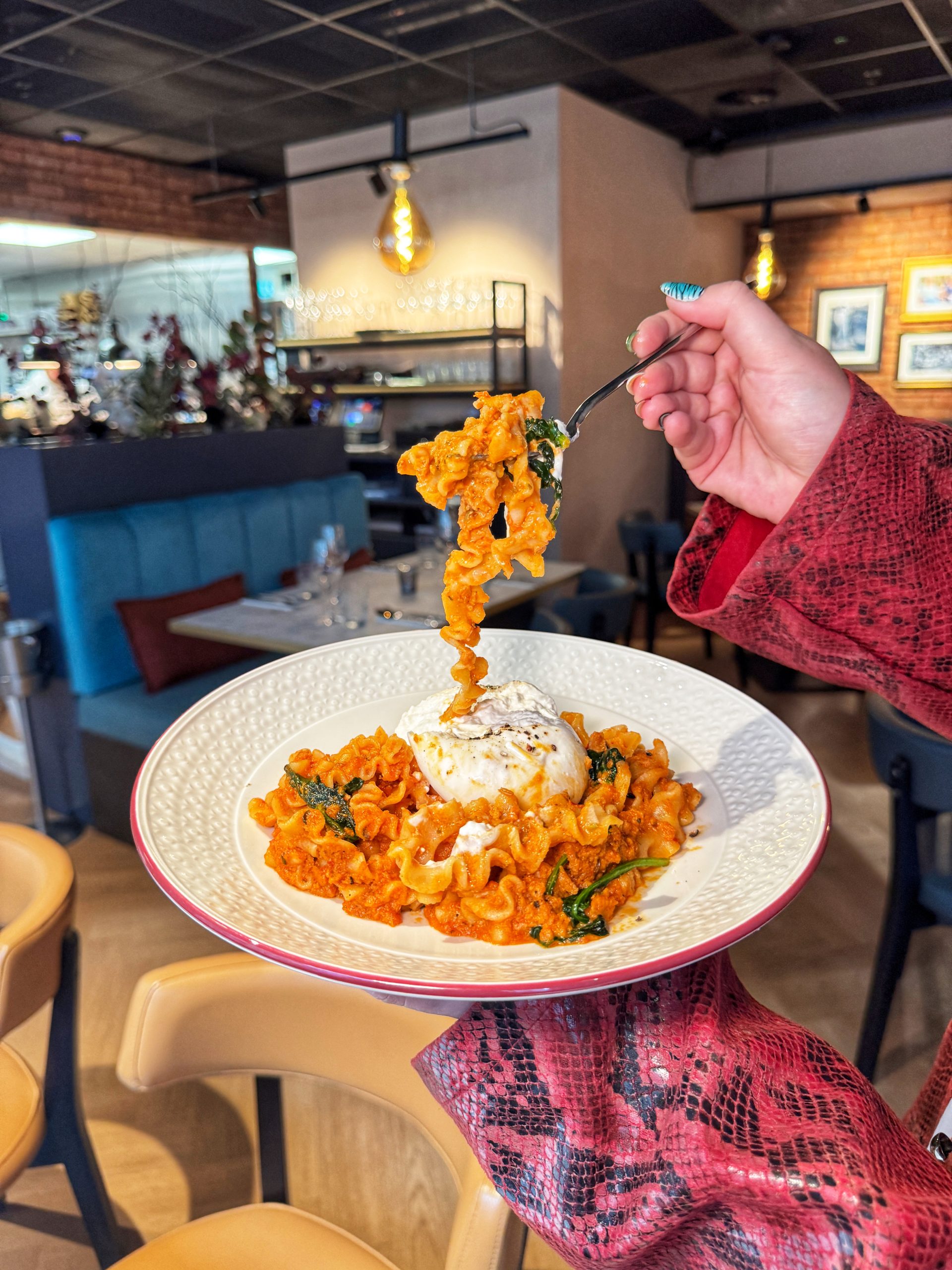
A lot of the pastas on the menu give you the choice of plonking a burrata on top, and we went for the nduja è salsiccia piccante.
The sauce is decadent and fiery, combining nduja with spicy fennel sausage, spinach and cream. The addition of the creamy burrata was another genius move, balancing out the spice perfectly.
Last but not least, and a personal favourite, was the scoglio seafood pasta.
This wasn’t just some pasta topped with a couple of prawns, this was absolutely packed full of juicy tiger prawns, mussels and squid – all perfectly cooked and tossed with garlic and cherry tomatoes in a silky sauce.
The recipe used for this one hasn’t changed in 70 years, and we’re glad that it hasn’t.
Images: The Manc
Elsewhere on the menu you’ll find seasonal specials such as your classic caesar salad and pan fried fish, as well as a selection of pizzas.
Of course it wouldn’t be an Italian feast without a tiramisu and this one hits all the right spots.
Indulgent with a punchy coffee flavour and almost cloud-like in texture, that’s a winning dessert if we’ve ever seen one.
The space, set across two floors, is light and airy whilst the service is top notch. But don’t just take our word for it, find out more about Pranzo and book your table here.
Opening date finally confirmed for new Uniqlo store at the Trafford Centre
Emily Sergeant
Uniqlo is preparing to open its second store in Greater Manchester, and the official launch date has finally been confirmed.
The popular Japanese high street fashion retailer currently operates 24 stores in the UK, with its first British store having opened its doors all the way back in 2001, and its first European flagship store opening on Oxford Street in London in 2007 – but it was revealed earlier this year in April that Manchester was set to get a second helping.
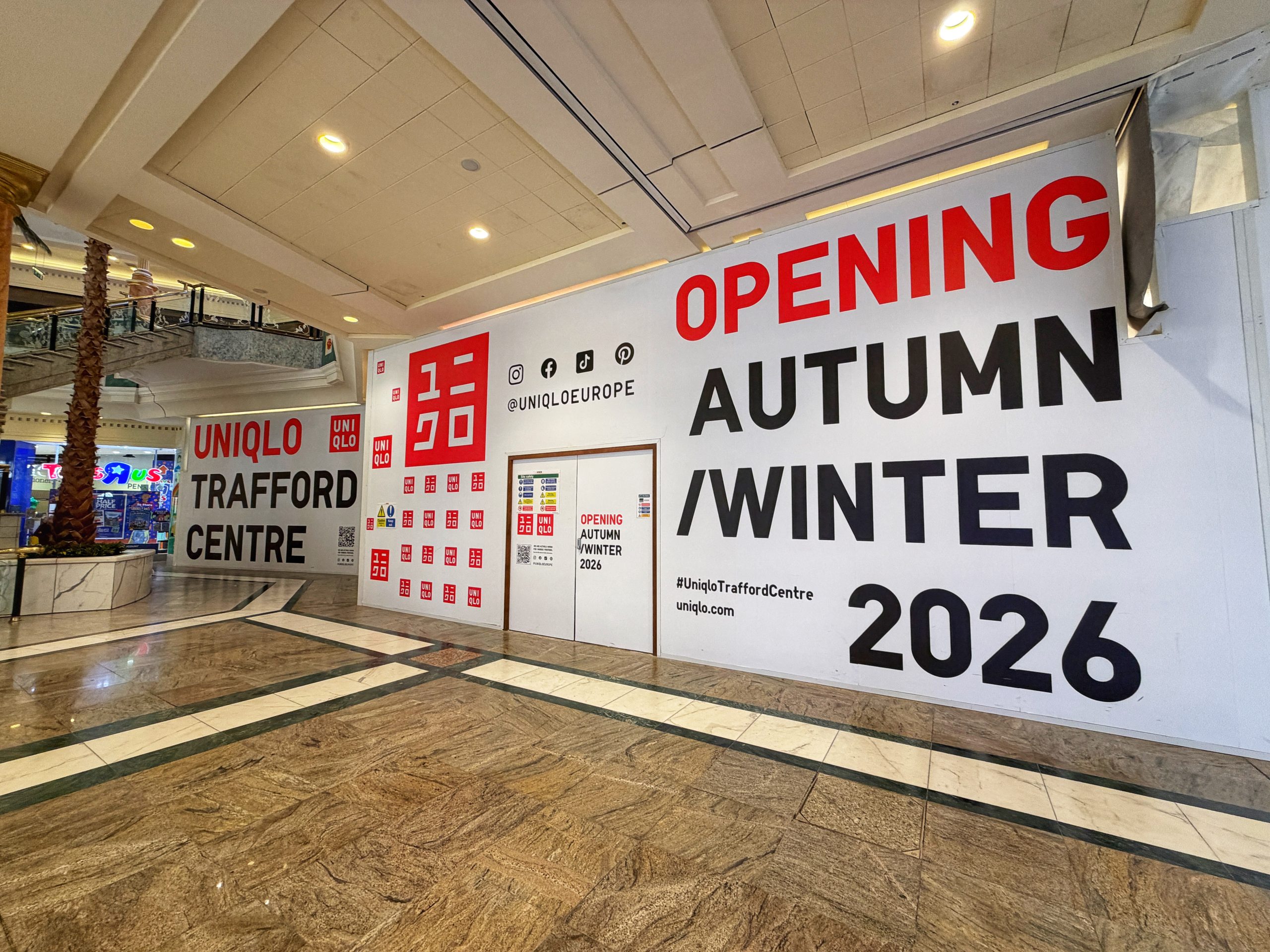
Uniqlo announced that it would be opening its second Greater Manchester inside the Trafford Centre this autumn, following the huge success of its city centre store opening on Market Street in 2019.
The Trafford Centre store is set to make Manchester the first location outside of London to have two Uniqlo stores.
When news broke that the hoardings had officially gone up inside the shopping centre, elated shoppers raced to the comments to say things like: “No way! I’ve been waiting years for this.”
Uniqlo is preparing to open second its Manchester store inside the Trafford Centre next month / Credit: | The Manc Group
“Uniqlo in Trafford Centre would be a dream come true,” another person said on Instagram, while a third added: “I will never have to step foot on Market Street again,” and plenty others chimed in with comments like ‘finally’ and ‘can’t wait’.
And now, we officially have an opening date to share with you.
Uniqlo will open in the Trafford Centre for the first time on Thursday 15 October, with plenty of events happening across its extended opening weekend.
Traditional Japanese Taiko drumming performances will be happening throughout the day on Thursday 15 and Saturday 17 October, while the first 300 customers to spend over £69.90 in store on the Thursday (15 October) will get a special Uniqlo Manchester goody bag.
Uniqlo’s arrival at the Trafford Centre follows the opening of several other high-profile stores in recent months, like Urban Outfitters, White Company, Stradivarius, and many more.

 The Manc -
14th December 2020
The Manc -
14th December 2020