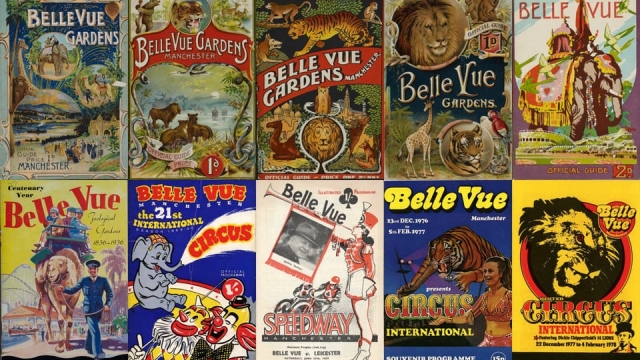
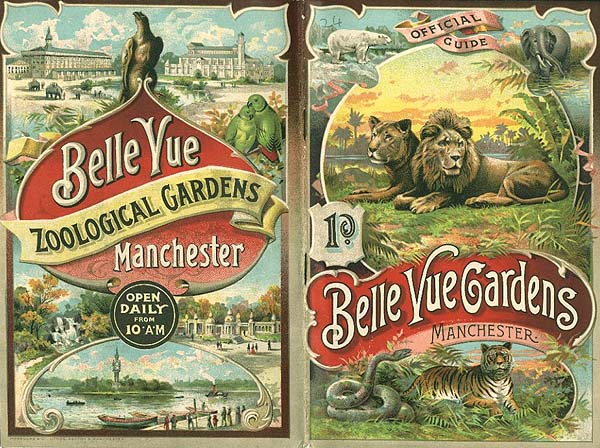
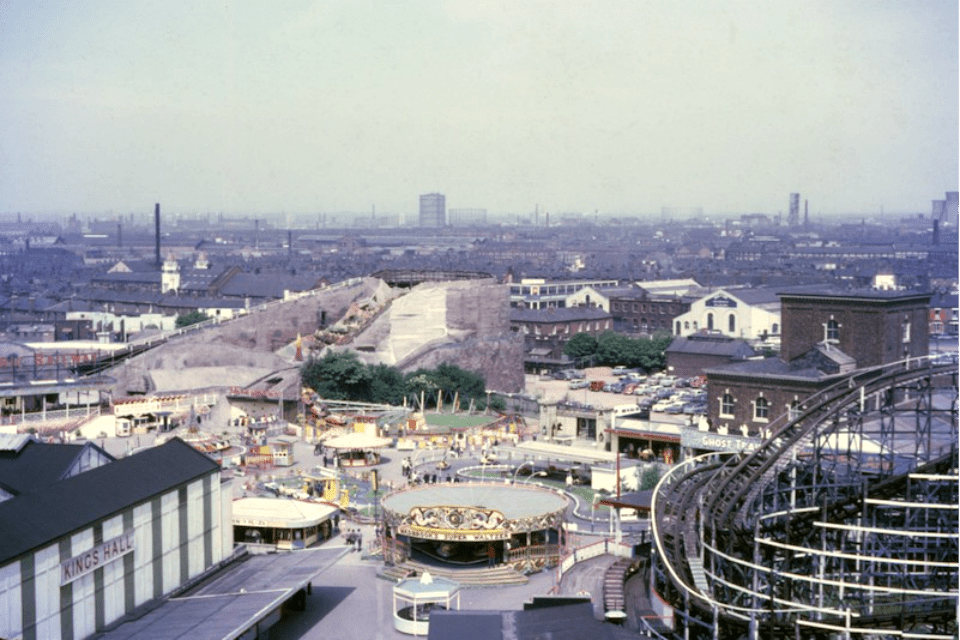
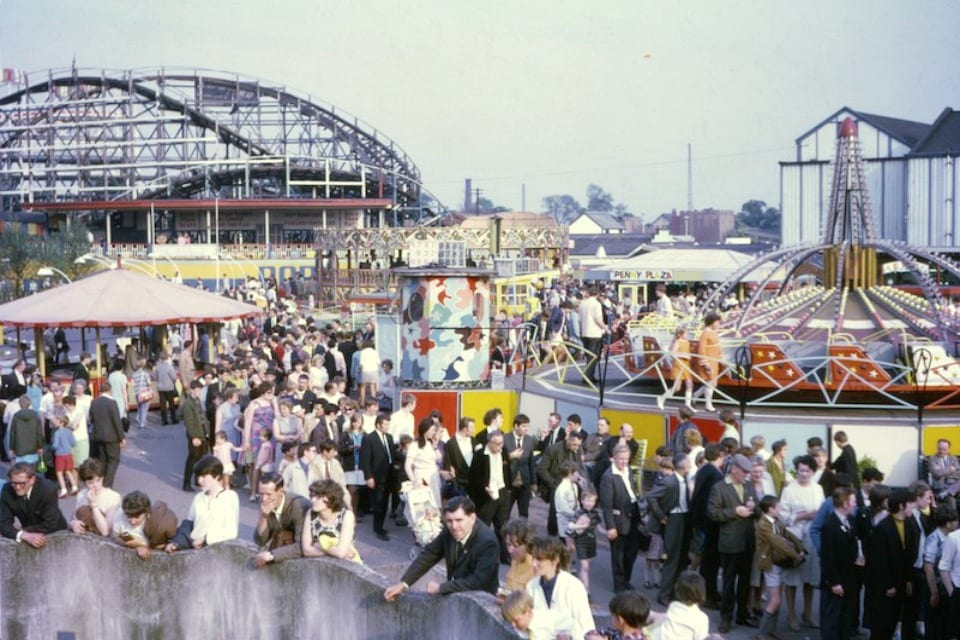
Founded in 1836, at its peak, the zoo occupied over 165 acres of land and attracted around two million visitors a year. People traveled from all over the country to wonder at the elephants, monkeys, and camels.
ADVERTISEMENT
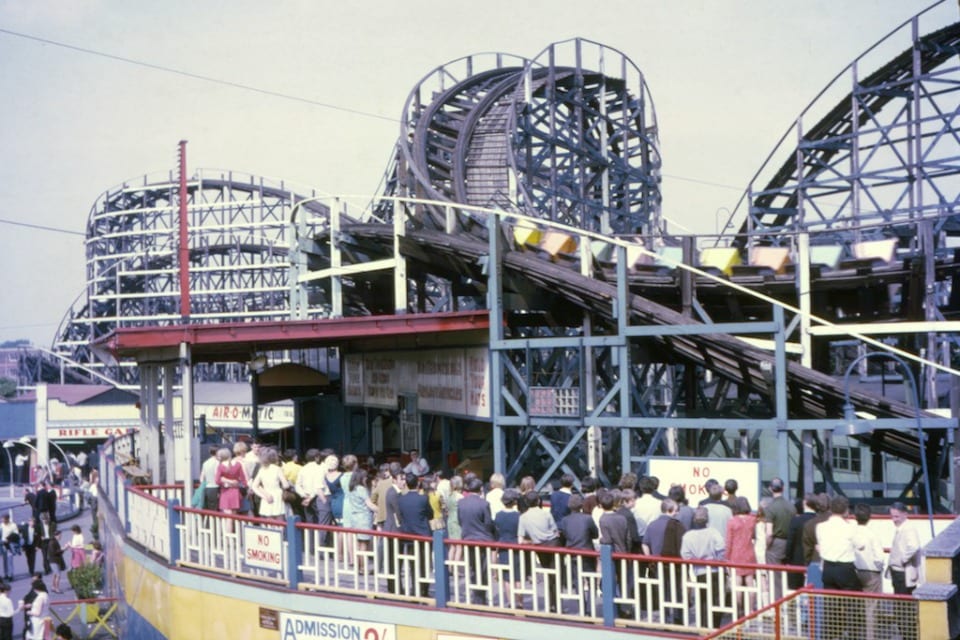
Privately financed, Belle Vue also boasted some brilliant fairground rides and rollercoasters in its amusement park – which ultimately became an equally tempting attraction as time went on.
And that wasn’t all. People would also come to sing along to their musical idols in The King’s Hall, dance the night away with their first love, marvel at the circus and see Speedway champions racing to glory on the stadium tracks.
ADVERTISEMENT
Belle Vue really did have everything, and as a result of this, became known as “Showground of the World”. But who was behind this private northern tourist attraction?
Image: Wikimedia Commons
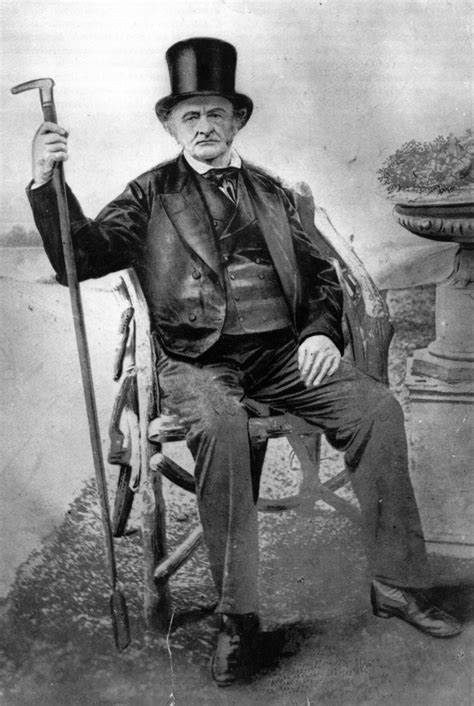
Belle Vue Zoological Gardens was the brainchild of entrepreneur and part-time gardener John Jennison.
Born in 1793 in Bulwell, Nottingham, he moved to Macclesfield as a child with his family the Jennsions’ before returning to Stockport following his father’s death in 1826.
ADVERTISEMENT
Interestingly, Belle Vue wasn’t the Jennisons’ first foray into commercial business ownership. Prior to opening the park, John had developed and opened his own garden to the public – later adding cages of British birds, pheasants and macaws afternoticing visitors displaying interest in the garden’s native birds.
A brewhouse was even added to the plot of land too, whilst the family house was later converted into a pub called the Adam and Eve.
The Jennisons were doing well, but with what they had, there was little room for expansion.
Jennison and Newiss Collections / Chetham’s Library Online ArchivesManchester History / Chetham’s Library Online Archives
John was approached by businessman George Gill and encouraged to lease Belle Vue – then a public house in 35.75 acres of open land between Kirkmanshulme Lane and Hyde Road in Manchester.
The land was isolated and had been used for the digging of lime, but John saw its potential.
ADVERTISEMENT
After taking out a six-month trial lease,he soon extended to a 99-year lease and relocated his family from Stockport. They traveled light, with a handcart filled with belongings and a handful of birdcages containing parrots and other birds.
Belle Vue first opened as a ‘pleasure garden’ in 1836, containing lakes, mazes and hothouses, as well its beloved aviary.
Still, the Jennisons decided that their zoological collection had to be expanded as a matter of priority and by 1839, elephants, lions, and other exotic African animals had been added.
Fierce competition came from other attractions like the Vauxhall Gardens in Collyhurst, and the Manchester Zoological Gardens in Higher Broughton, meaning that Belle Vue was not an instant success. Jennsion. however, persevered.
Between the closure of a neighbouring zoo at Higher Broughton and the opening of the Longsight train station, more visitors soon began trickling in.
Before long John, inspired by a visit to the Great Exhibition in 1851, began to rapidly expand – and plenty of other popular attractions were subsequently added, including a racecourse in 1847.
By the late 1860s, Belle Vue was a hugely profitable business and had become iconic draw – across not just the northwest, but the whole of the UK.
But John was forced to take a back seat to his sons when it came to the day-to-day running of the attraction after he was diagnosed with cancer that began to quickly spread.
Ultimately, he passed away as a result of his illness in 1869 – leaving his family to sell Belle Vue for £250,00 (equivalent to £14.4 million in today’s money) to Harry George Skipp and Belle Vue (Manchester) Ltd in 1925.
ADVERTISEMENT
In 1956, the park was sold again – this time to Leslie Joseph and Charles Forte – with Forte gaining sole control in 1956.
Drawing its final breath in September 1977, the zoo’s owners decided they could no longer afford its upkeep, having suffered a loss of £100,000 that year. Still, somehow it remained open on summer weekends until 1980 – officially closing for the very last time in 1982.
As quoted in Stackhouse & Hyams’ book – Belle Vue: Manchester’s Playground – published in 2005: “When it closed, Belle Vue left a gaping hole in the heart of the region that has never been completely replaced. It gave people a focal point, something to be proud of, a place where they could take their families and be sure of a great day out at a reasonable cost.”
But for all Mancunians with a special place in their hearts for the attraction, the legacy of Bell Vue still lives on.
Feature
Mercury Prize 2026 review: RAYE takes home the crown as Newcastle celebrates the very best in music
Clementine Hall
One of the biggest nights in music kicked off last night as the Mercury Prize 2026 was awarded.
If there was ever a night to fall head over heels in love with British and Irish music, the 2026 Mercury Prize made a very convincing case.
Bringing together some of the country’s most exciting artists under one roof in Newcastle, this year’s ceremony was a reminder of just how much talent is packed into the current music scene.
From established legends to the names shaping what comes next, it was an absolute belter.
Images: Audio North
Held at the Newcastle Utilita Arena for the second year running, I think everybody in that room felt very lucky to be there to see firsthand who took home the coveted prize.
The shortlist brought together an impressive mix of artists, with Florence + The Machine, Olivia Dean, JADE, Suede, Pulp, Dave and Sir Paul McCartney among the big names making the lineup very star studded indeed.
Suede kicked things off with ‘Dancing With The Europeans’, bringing their unmistakable energy to the ceremony, while Pulp delivered ‘Begging For Change’ as part of the HELP(2) charity compilation.
It was a line-up that demonstrated the sheer range of music being made across the UK and Ireland, from contemporary pop to established rock and even jungle thanks to Bradford’s own Nia Archives.
And of course, there was one woman who had every reason to leave with a smile on her face.
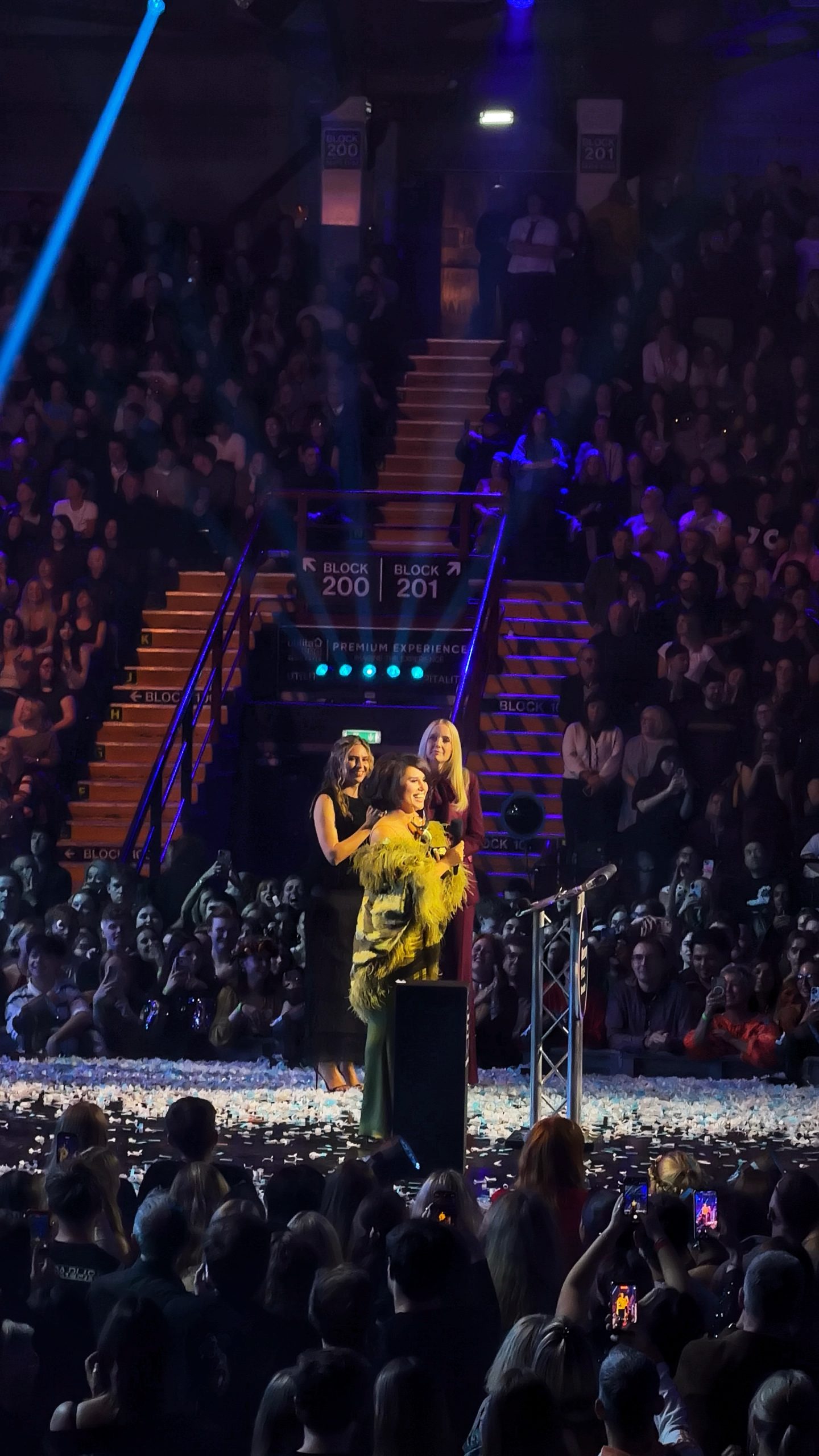
RAYE took home the coveted Mercury Prize for THIS MUSIC MAY CONTAIN HOPE., an ambitious, genre-hopping album that blends jazz, soul, R&B and classical influences into something so fabulously unique.
Image: Audio North
Newcastle’s own Knats performance was definitely a highlight of the evening, combining slick jazz with spoken-word poetry against a projection of The Tyne Bridge.
A fitting image, and one that underlines the importance of holding such huge events in the north and highlighting the obvious talent that thrives here.
The 2026 Mercury Prize was a brilliant showcase of the country’s music at its best.
And with RAYE taking home the trophy, it’s clear there is plenty of ‘hope’ left in British music.
The most magical Christmas displays have now landed at one of the North West’s best garden centres
Emily Sergeant
Christmas has officially arrived at one of the best garden centres in the North West, and it’s just as magical as you’d hope it would be.
Just outside of Greater Manchester in the village of Glazebury in Warrington, you’ll find Bents Garden and Home – a multi award-winning destination garden centre that’s often voted one of the region’s best. It’s great place to visit all year round, but as anyone who has ever made the trip there will tell you, this place really comes alive during the festive season.
Bents first started out life all the way back in 1937, when Alfred and Margaret Bent began growing and selling roses in the front garden of their terraced house in Glazebury.
Ever since then, the business has gone from strength to strength – opening its first dedicated garden centre building in the early 1950s, and then undergoing several expansions in the 60 years that followed to create the place we know and love today.
A place that’s home to everything you need to kit out your home and garden, several cafes and restaurants, a food hall, a cook shop, a children’s boutique, and plenty more.
Christmas has arrived at Bents Garden and Home for 2026 / Credit: The Manc Group
And then at Christmas time, you can also get to wander around all the magical festive displays and stop for a bite to eat at the winter food markets.
Christmas at Bents originally began in the 1970s, establishing what would become one of the garden centre’s most successful – and favourite – times of the year, with people travelling in their thousands from all across the North West to visit, making it an annual tradition in the festive events calendar for many families.
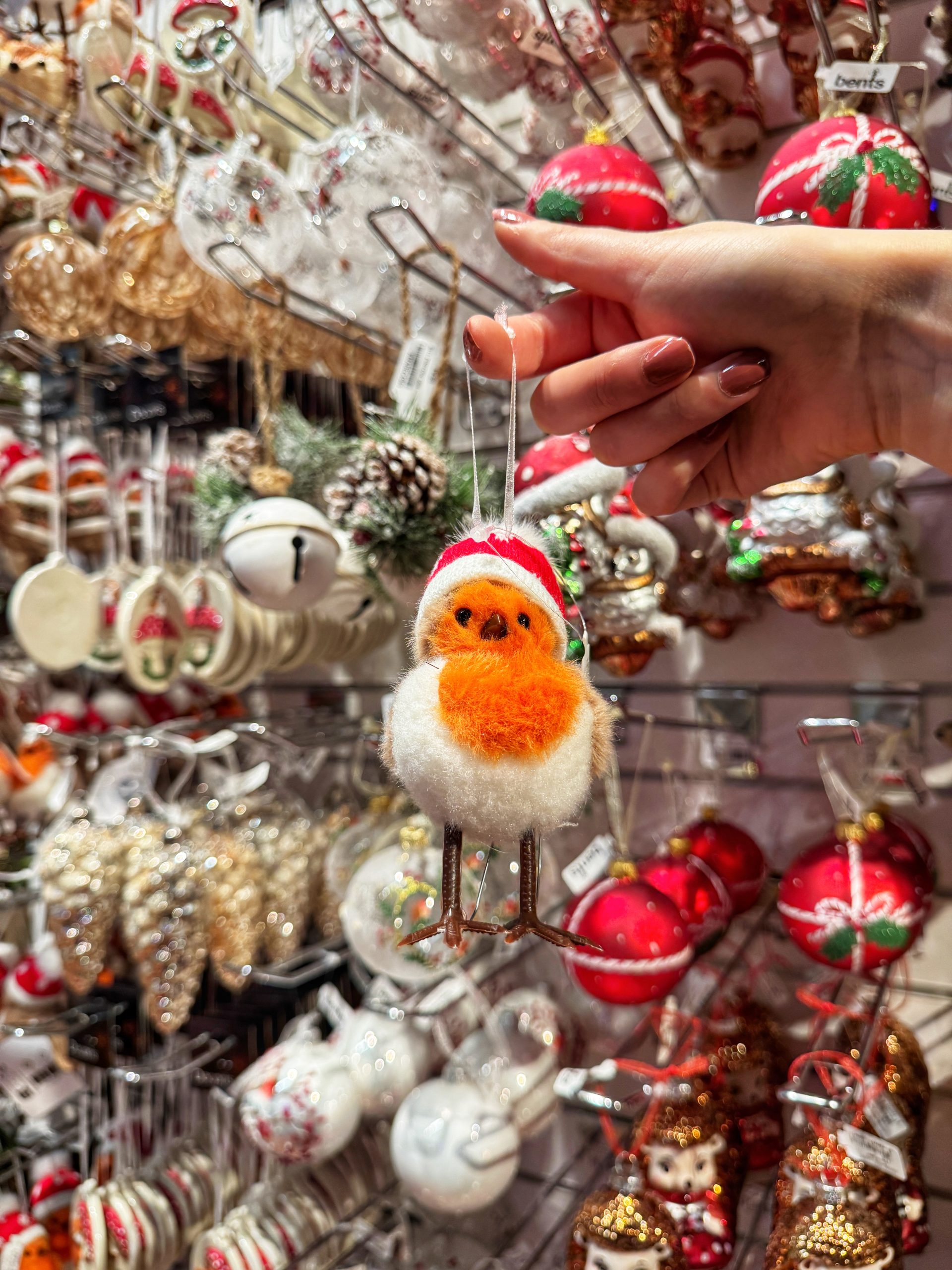
With a jaw-dropping display to suit everyone’s festive decor tastes, Christmas at Bents really does need to be seen to be believed.
Expertly decorated trees form the centrepiece of each display, with all the baubles and decorations adorning them for sale by the side for you to recreate yourself at home.
Walking around the centre, you’ll also find every type of artificial tree (both normal and pre-lit), an array of fairy lights, wreaths, and garlands, before you arrive at what is sure to be one of the best Christmas Lemax Model Village set-ups you’ve probably ever seen.
A trip to Bents is an annual festive tradition for thousands across the North West / Credit: The Manc Group
Then, once you’ve filled your basket up with all the decs you need, you have to stop off at the Winter Food Markets before you head home.
There’s a wide array of different street food options to choose from like bratwursts, giant filled Yorkshire puddings, loaded fries, nachos, mac and cheese, crepes, churros, and build-your-own crumble, before taking a pew in one of the little wooden huts and washing it all down with festive-themed hot chocolates and mulled wine.
Don’t forget to stop off at the food hall, farm shop, and deli counters to stock up on plenty of goodies there before you leave too.
Basically, if you’ve never been to Bents before, we honestly cannot recommend it enough – even more so during Christmas time.
Don’t forget to stop off at the Winter Food Markets before heading home / Credit: The Manc Group
But it is really important to note that it does get very busy here, especially on weekends and at peak times like the run up to Christmas.
So you may have to be prepared to patiently wait for parking spaces and cooperate with your fellow shoppers, as well as join queues at the cafes and restaurants, all while respecting the hard-working staff at all times.
Let’s be as respectful as possible, and make this a place where everyone can enjoy a magical festive experience in 2026.

 The Manc -
26th October 2021
The Manc -
26th October 2021