Sometimes, you want a spa break that comes with blinding white walls and an ultra-modern aesthetic – and sometimes, you’d much rather feel like you’ve disappeared into a timeless countryside retreat.
If you’d much rather spend your day in a cosy countryside escape (where you just happen to float around in a robe all day) than a white-wall-whispering wellness lab, Ye Olde Bell Hotel & Spa might be the spot for you.
First thing’s first – the spa itself.
The standout here is Ye Olde Bell’s indoor-outdoor pool, where as you swim between rooms you bob along past air recliners, mini tubs, reflexology stations and water jets like you’re on some sort of slow, relaxing obstacle course.
Then suddenly, you’re outside, with blue skies overhead and a ‘Spa Butler’ wandering past to offer you a glass of fizz… and yes, occasionally, you are joined by a bit of very British hail (but you’re already wet, so what does it matter).
ADVERTISEMENT
Inside, things get properly indulgent. There are three saunas to work your way through, each with its own vibe. You start gently in the herbal laconium, which has views of the pool from its wooden benches.
Then step things up in a stone bath setup that feels borderline medieval – think mineral coals lowered into a water bath by a mechanised iron bucket, releasing bursts of steam; and a wooden fan you crank yourself to push the heat back down.
ADVERTISEMENT
The outdoor pool at Ye Olde BellA glass of prosecco in the sunshineMassage waterfalls at Ye Olde BellThe Stone Room, where coals lower into water
Then there’s the Alpine sauna, with full-on Swiss chalet energy, pine-scented and cranked up to a toasty 90°C.
Cooling off is half the fun. You can wander through an artificial snowstorm, complete with wind and lightning, or take the slightly less theatrical (but still bracing) shower walk with changing temperatures. And if you’re feeling bold? There’s a cold bucket waiting to humble you at the end.
Elsewhere, you’ve got a salt inhalation room, foot spas, and plenty of spots to just flop and do absolutely nothing.
ADVERTISEMENT
The heated outdoor beds are a particular highlight – staff will tuck you in under blankets so you can lie there like a human burrito (if burritos drank rosé) while the crisp air does its thing.
If you want to level things up, there are extra experiences too, like a Rasul mud treatment where you lather yourselves in clay treatments before relaxing in a beautiful tiled steam room.
The lodges are two-storey self-contained homesInside one of the cosy lodges at Ye Olde Bell
Then there’s the hotel itself, which leans hard into that cosy, traditional charm. The lodges are basically your own little countryside homes, two-storey setups with leather sofas, antique wooden furniture, and bathrooms with roll-top baths and walk-in showers.
Food-wise, the spa menu is refined and light – crispy-skinned cod, rich chocolate and coffee ganache, and seasonal puddings like rhubarb shortcake.
Meanwhile, the main restaurant goes full cosy British, with a menu built around local produce from all three surrounding counties. Expect hearty, well-executed classics, like chicken ballotine chicken with buttery colcannon mash, plus traditional pies and steaks.
ADVERTISEMENT
Dinner in Ye Olde Bell bistroDinner in Ye Olde Bell bistroLunch in the spaLunch in the spaSunset over Ye Olde Bell
An overnight spa break at Ye Olde Bell will totally reset you, via a sweat, a freeze, a float, a feed, and a well-earned rest.
To find out more and book your own stay, head HERE.
‘Groundbreaking’ new police team launches on Bee Network to make it one of the safest in the world
Emily Sergeant
A ‘groundbreaking’ new policing model aimed at making the Bee Network one of the safest public transport networks in the world has launched.
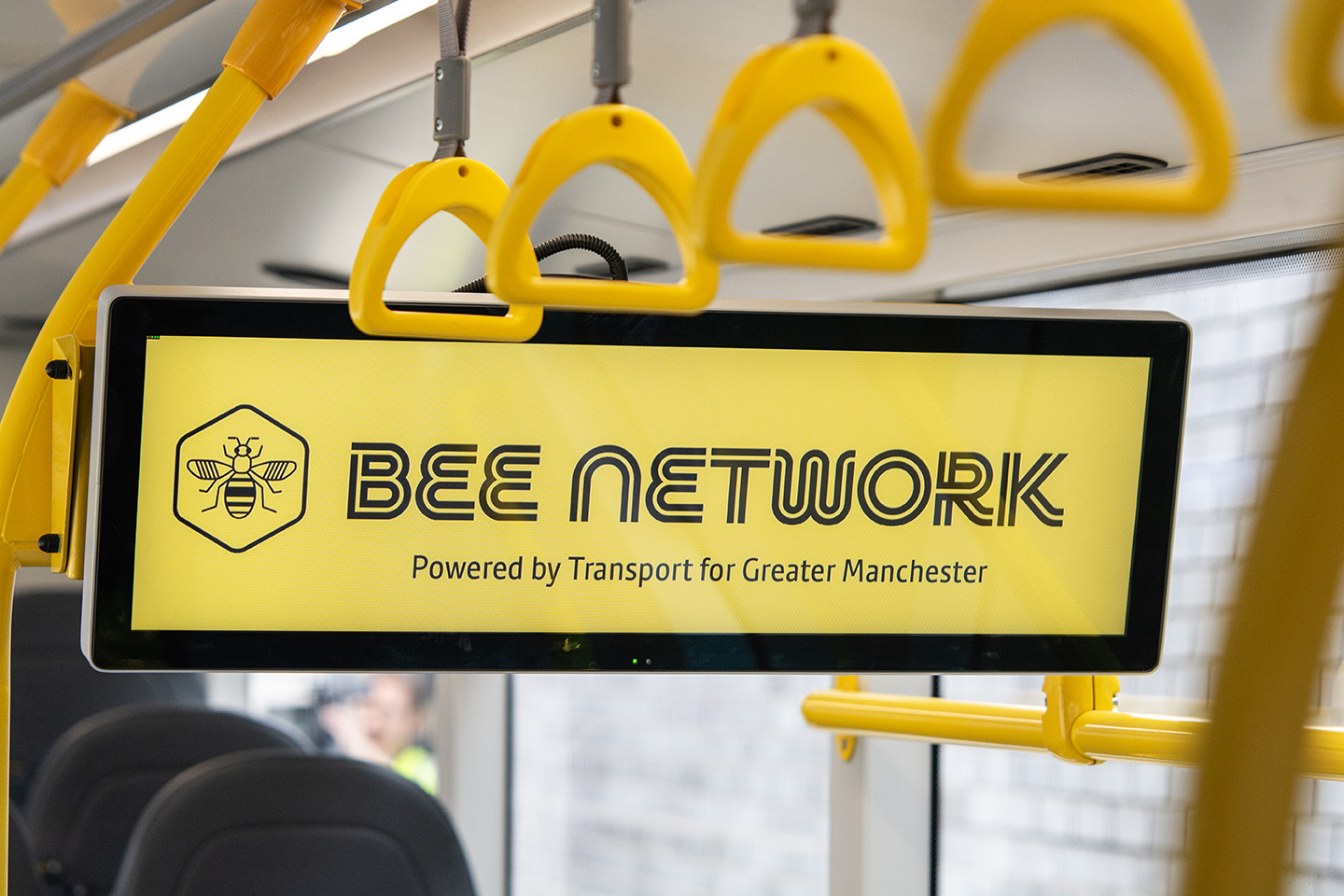
Described as being ‘pioneering’, the first-of-its-kind approach – named the Transport Policing and Crime Command (TPACC) – will bring Greater Manchester Police (GMP), Transport for Greater Manchester (TfGM), and Greater Manchester Combined Authority (GMCA) even closer together to tackle crime, antisocial behaviour, and safety issues across the region’s transport network.
So, how will it work then? Well, according to TfGM, the command will ‘effectively establish’ the Bee Network as GMP’s eleventh policing district.
It will bring together up to 300 personnel, including new police officers, who are all involved in keeping the network safe and providing greater reassurance to passengers travelling across the region.
Efforts to keep passengers safe on buses, trams, active travel routes, and roads across Greater Manchester will be ‘strengthened’ through the new team – improving co-ordination in response to incidents, and helping to reassure communities.
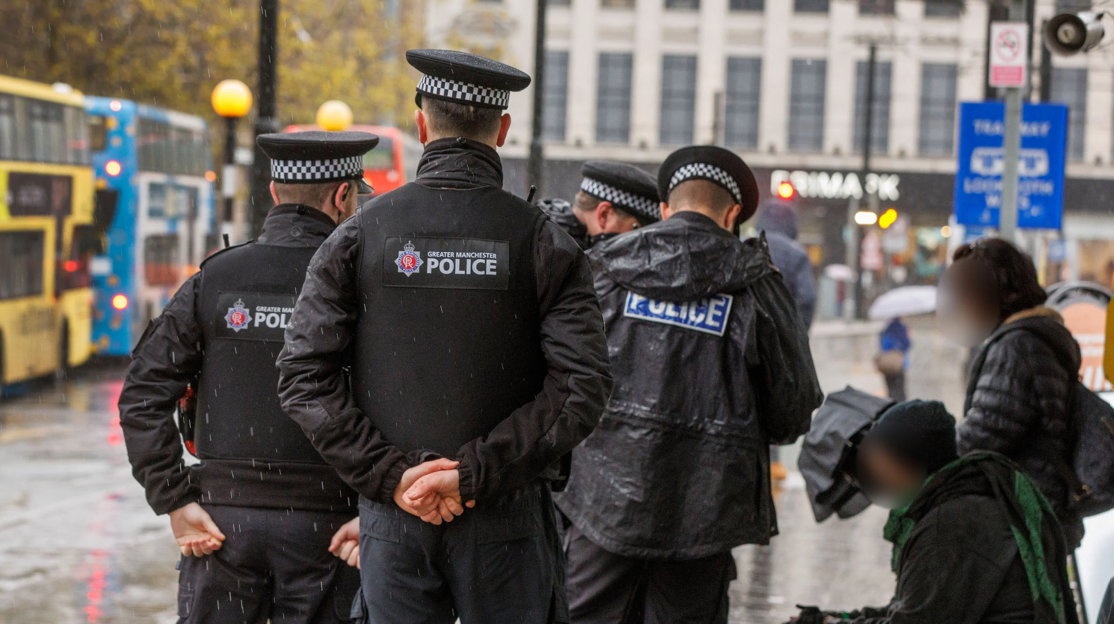
A ‘groundbreaking’ new police team has launched on the Bee Network to make it one of the safest in the world / Credit: TfGM
The new team will also incorporate the existing Roads Policing Unit within GMP that includes specialist functions such as the Central Ticket Office, the Tactical Vehicle Intercept Unit, the motorbike unit, the Commercial Vehicle Unit, the Serious Collision Investigation Unit, and more.
Overall, the key focus of TPACC is to:
Increase public confidence on safety across the transport network
Reduce violence, antisocial behaviour and criminality across the transport network
Increase the number of users of the Bee Network across Greater Manchester
The launch of TPACC is said to represents ‘the next phase’ of Greater Manchester’s commitment to creating a ‘safer, more secure, and more welcoming’ transport network for everyone who lives, works, and travels across the region.
“I want a world-class Bee Network where everyone feels safe,” commented Greater Manchester Mayor, Bev Craig.
“Our new dedicated transport policing command will bring together more than 300 police and safety officers, with high-profile patrols across our roads and the Bee Network. It means a stronger presence in our communities and faster action when people need help.
“TPACC will also crack down on dangerous driving to reduce the number of deaths and serious injuries on our roads, which have devastating consequences for families and communities.”
Featured Image – TfGM
Travel & Tourism
First 14 Greater Manchester train stations set to join Bee Network this year revealed
Emily Sergeant
The first 14 train stations in Greater Manchester that are set to join Bee Network before the end of the year have been revealed.
In case you need bringing up to speed, back in December of last year, Andy Burnham – who was then Greater Manchester Mayor, at the time – announced a step-by-step plan for bringing the region’s rail lines into the Bee Network, all with the aim of creating the first truly integrated public transport system outside London.
Eight commuter rail lines will be brought onto the Bee Network in phases through to 2028, with the final additions expected by 2030, so passengers can enjoy all the benefits of joined up buses, trams, trains and active travel.
And now it’s been revealed which stations are set to be the first to join.
The first two lines – which will connect Manchester to Glossop and Stalybridge – will become part of the Bee Network from December 2026, with contactless ‘tap in, tap out’ ticketing also rolled out across 14 stations at the same time.
Here’s everything you need to know.
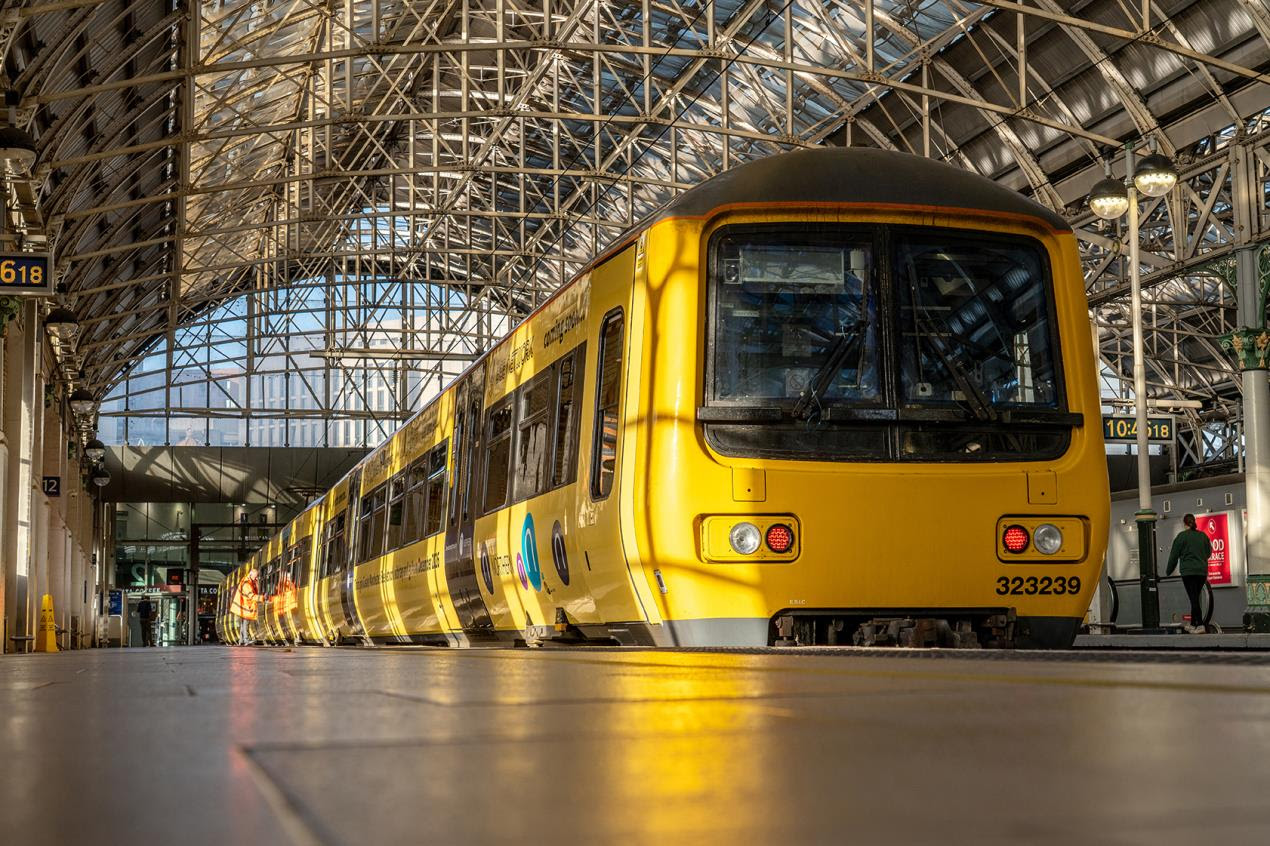
The first 14 Greater Manchester train stations set to join the Bee Network this year have been revealed / Credit: TfGM
The 14 Greater Manchester stations joining the Bee Network in December 2026
Ardwick
Ashburys
Broadbottom
Dinting
Fairfield
Flowery Field
Glossop
Godley
Gorton
Guide Bridge
Hadfield
Hattersley
Manchester Piccadilly
Newton for Hyde
The 15 stations planned to join the Bee Network in March 2027
Ashton-under-Lyne
Belle Vue
Bredbury
Brinnington
Hyde Central
Hyde North
Manchester Victoria
Marple
Reddish North
Romiley
Rose Hill Marple
Ryder Brow
Stalybridge
Strines
Woodley
The 43 stations planned to join the Bee Network by December 2028
Appley Bridge
Atherton
Bolton
Burnage
Castleton
Cheadle Hulme
Clifton
Daisy Hill
Davenport
Deansgate
East Didsbury
Eccles
Farnworth
Gathurst
Gatley
Hag Fold
Hazel Grove
Heald Green
Heaton Chapel
Hindley
Ince
Kearsley
Levenshulme
Manchester Airport
Manchester Oxford Road
Mauldeth Road
Middlewood
Mills Hill
Moorside
Moses Gate
Moston
Patricroft
Rochdale
Salford Central
Salford Crescent
Stockport
Swinton
Walkden
Westhoughton
Wigan North Western
Wigan Wallgate
Woodsmoor
The remaining 25 stations planned to join the Bee Network by 2030
Altrincham
Blackrod
Bramhall
Bromley Cross
Bryn
Chassen Road
Denton
Flixton
Glazebrook
Greenfield
Hale
Hall-i’-th’-Wood
Horwich Parkway
Humphrey Park
Irlam
Littleborough
Lostock Parkway
Mossley
Navigation Road
Orrell
Pemberton
Reddish South
Smithy Bridge
Trafford Park
Urmston
This means that contactless ‘tap and go’ payments with capped fares will be brought in across bus, tram and train services from 2030.
All timings are subject to ongoing work between Greater Manchester leaders and the Department for Transport (DfT), Network Rail, Shadow Great British Railways, and Train Operating Companies.

 Daisy Jackson -
2nd April 2026