When it comes to talking about our bodies, it seems that more than half of Mancs get a little bit uncomfortableusing certain words.
When using anatomically correct language like clitoris, vulva, and labia majora, new research commissioned by Bodyform has found that a massive number of people in Manchester just don’t feel comfortable – whether they’re saying them out loud, or on social media.
The research found that a massive 63% of people in Manchester don’t feel comfortable using the word clitoris, while a surprisingly large 35% feel the same about the word period – despite the fact that billions of people around the world experience one every month.
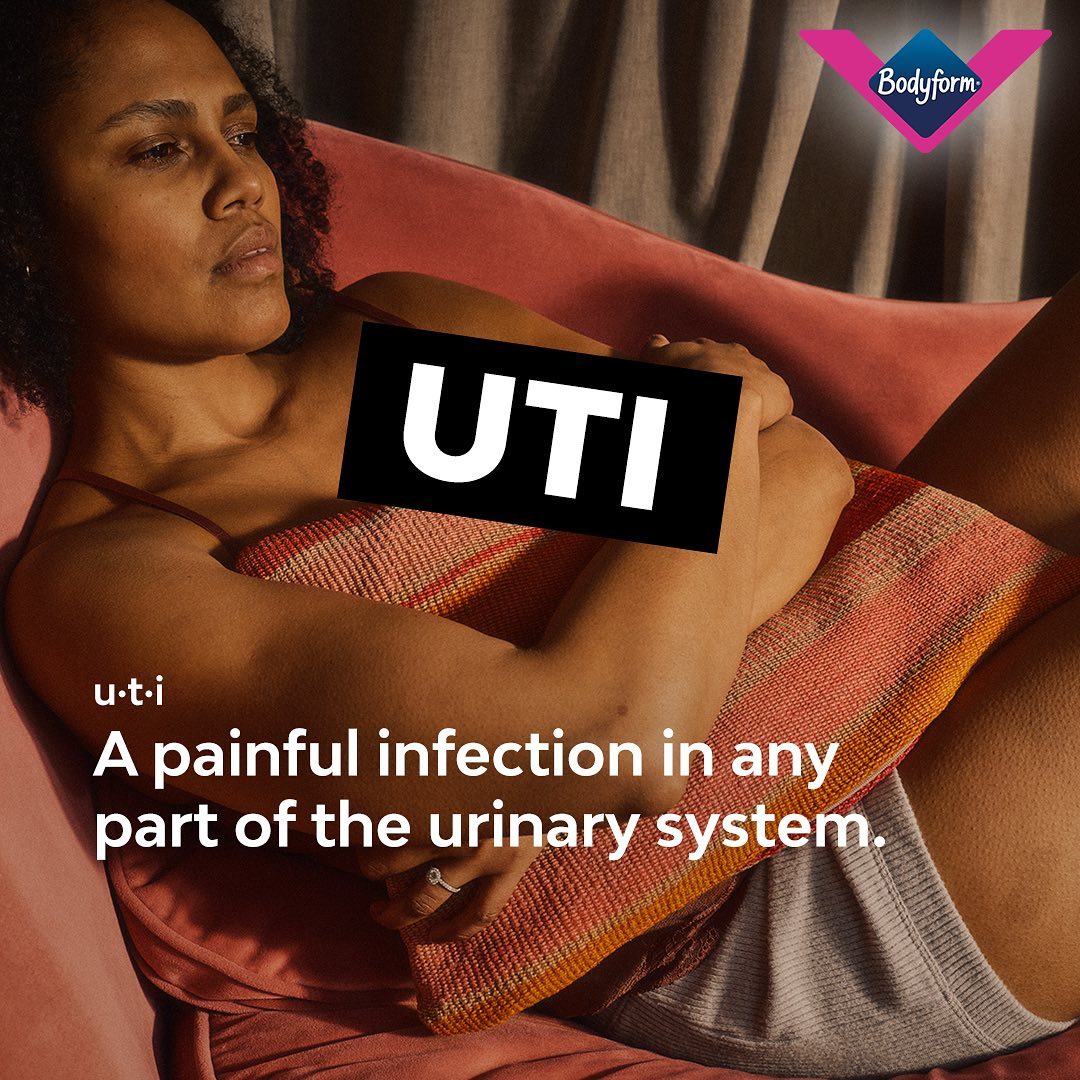
Other censored words uncovered by the research include those describing common medical conditions, such as PCOS and UTIs – feeding an already existing taboo around women’s health.
Bodyform says that the result of this is almost three-quarters (73%) of people in Manchester feel uncomfortable having open conversations about their health.
ADVERTISEMENT
The research also revealed that 44% of people in Manchester feel there’s a stigma around using medical terminology to describe women’s anatomy, leaving just a quarter (25%) feeling comfortable speaking about the topic with their own children.
What’s more, research suggested that 40% of people in Manchester are unlikely to even have open conversations with their doctors about their bodies.

ADVERTISEMENT
Image: Bodyform
Image: Bodyform
The research also revealed that social media users in Manchester aren’t aware of the wider censorship issue, with a massive 92% not knowing that vagina is one of the most flagged words on Facebook.
A further three in four (77%) people in Manchester, didn’t know sharing an educational image of a vulva could get you banned on social media, and seven in ten didn’t know what shadowbanning was, or that it regularly happens on social media.
The top ten list of words people in Manchester feel most uncomfortable using:
ADVERTISEMENT
1. Adenomyosis (85%)
2. PMDD (83%)
3. Dysmenorrhea (79%)
4. Labia majora (79%)
5. Vaginal atrophy (79%)
ADVERTISEMENT
6. Labia minora (78%)
7. Vaginismus (77%)
8. Bacterial Vaginosis (73%)
9. HPV (71%)
10. PCOS (69%)
ADVERTISEMENT
Eight in ten (86%) respondents admitted to feeling uncomfortable using these words on social media, as well as in real life.
When it comes to women’s bodies being represented in the media, one in two people in Manchester felt the images they see aren’t representative of real life, with a third (34%) believing the media also has a difference in perceptions of women’s and men’s bodies.
Bodyform’s new campaign, Vaginas Uncensored, backed by TV presenter and vocal advocate for women’s health Cherry Healey, aims to empower women to reclaim the words they feel they can’t say.
Speaking of her support for the campaign, Cherry added: “I’m so pleased to support the Bodyform Vagina’s Uncensored campaign and play my part in normalising the language around women’s bodies. Speaking out is hugely important and will change the lives of so many people – especially the younger generation for whom this education piece is so important.
ADVERTISEMENT
“That’s why I’m working with Bodyform to highlight these issues and to attempt to stop social media platforms from censoring such vital messages.”
Cherry’s feelings are further reinforced by Bodyform’s survey findings, revealing that an alarming 90% of people don’t feel comfortable naked and 73% of people in Manchester don’t feel comfortable having open conversations about their bodies.
Over a third (71%) believe this stems from embarrassment, over half (60%) blame a lack of education and 48% think people simply don’t know what they mean.
Anna McCrory, Senior Brand Manager at Bodyform, added: “At Bodyform we don’t believe in taboos and are passionate about giving women+ a voice to open-up conversations that we, as a society, need to be having.
ADVERTISEMENT
“These Manchester survey results really go to show just how far we have to go as a society.
“Not speaking out, makes important subjects almost impossible to talk about which in turn is affecting our lives and our health. This is why our Vaginas Uncensored campaign is so important and why we are urging women+ to reclaim the language around their bodies.”
Featured image – Bodyform
Manchester
Passengers urged to ‘plan ahead’ as Manchester Piccadilly prepares to close for nine days next week
Emily Sergeant
Passengers are being urged to ‘plan ahead’ as Manchester Piccadilly prepares to close for nine full days from next weekend.
In case you hadn’t heard, it was announced last November that Manchester Piccadilly train was going to have to shut in February 2026 for what is described as being a ‘once-in-a-generation upgrade’… and now, we are less than two weeks away before that officially becomes a reality and very few train services run in or out of the station.
Network Rail is investing £7.9m into the major upgrade at Manchester Piccadilly station – with the main points of action being to improve tracks, points, and signalling systems on the southern approach to Manchester Piccadilly station.
Teams are due to replace 11 sets of points, renew timber sleepers with modern, concrete equivalents, and alsobring lineside equipment ‘bang up to date’ across six lines to improve future journeys for passengers and freight.
Investment in this apparent ‘critical stretch’ of track has been long awaited, as any issues with the ageing infrastructure can disrupt all trains running in and out of Manchester.
Passengers are being urged to ‘plan ahead’ as Manchester Piccadilly prepares to close for nine days next week / Credit: Network Rail
The nine-day closure, although expected to cause commuting chaos, is tipped to ultimately deliver ‘better and more reliable journeys’ for passengers in the long run.
The main work takes place over nine days during February half term, from Saturday 14 through to Sunday 22 February 2026.
And what does this mean for anyone travelling exactly? Well, the scale of the work spanning all main lines means no trains from the south and east of the city will run into Manchester Piccadilly for the full nine days, while trains from the north will also be heavily impacted, as will direct connections to Manchester Airport station.
There will be a limited service westbound from Platforms 13 and 14.
⚠️ Major changes to services this February half term ⚠️
🛠️ We're upgrading the Piccadilly corridor.
📆 From 14-22 February there will be no trains from platforms 1-12. A limited service will terminate at platforms 13&14.
The train shed (Platforms 1-12) will also close for the full nine days, but Manchester Piccadilly station’s concourse will remain open to the public.
“During this time, we are advising passengers to travel light, allow extra time for their journey, and be prepared to queue, as stations and rail replacement services are expected to be very busy,” National Rail said in its statement issued ahead of the closure next week.
“We have worked with train operators, Transport for Greater Manchester (TfGM) and Manchester City Council to develop an alternative travel plan during the closure, to keep passengers moving smoothly to their destination.”
You can plan your journey on the Northern Rail website here.
Featured Image – Network Rail
Manchester
‘Powerhouse’ Manchester named in top 10 global cities for music in 2026
Emily Sergeant
The top 10 cities across the globe for music in 2026 have been named, and Manchester has earned its place.
If there’s one thing Manchester is known and loved for over anything else, it’s music.
From Oasis and Joy Division, to Happy Mondays, The Smiths, The Stone Roses, The 1975, and even more modern-day acts, there’s no end to the amount of talented artists this city has produced or been home to over the years, all contributing to Manchester being one of the most prestigious music cities there is.
The city’s live music scene has always been thriving, and that continues right through to this very day, as you’ll see big-name musicians including Manchester as a destination in their UK tour schedules more often than not.
Manchester has been named in the top 10 global cities for music in 2026 / Credit: Mylo Kaye | Nathan Mullet (via Unsplash)
Last summer was a sensational celebration for Manchester, as an immersive art trail, Music for the Senses, took over the city, and the annual Manchester Day was music-themed too, marking one of the biggest years for Manchester music in a long time.
Oh, and there was also the small matter of Oasis reforming for a UK tour, including a run of gigs at Heaton Park in June… in case you don’t remember, somehow (*wink wink*).
These next two months are also set to be huge for Manchester too, given the fact it is hosting both the 2026 BRIT Awards and MOBO Awards, on 28 February and 26 March respectively, for the first time at Co-op Live.
So it would only seem right that our city has earned itself a place in SeatPick‘s top 10 list of global music cities for 2026 – slotting right in there at a respectable number four.
Overall, Manchester claimed a score of 7.90 out of 10, as the city apparently hosts a total of 1,204 concerts per year across 116 venues, and even supports 380 music artists and 72 music-related businesses in the process, as well as hosting 26 different music festivals annually too.
“From indie and electronic to arena-filling acts, Manchester continues to punch above its weight as a powerhouse of British music,” SeatPick said in its new rankings of global music cities.
Other UK cities that feature in the top 10 are London at number two, and Glasgow and Bristol and number eight and nine, while claiming the coveted top spot of the list of global music cities for 2026 is the German capital of Berlin.
“What really stands out in this data is that the best music cities aren’t always the ones with the most artists,” explained Gilad Zilberman, who is the CEO of SeatPick. “Rather, they’re the ones where live music is tightly woven into everyday life.
“Cities like Berlin and Manchester have fewer artists than London, but higher audience concentration per venue, which typically leads to stronger ticket demand and more consistent sell-outs.”