An independent cafe and bar has opened in Fallowfield taking over the former Font bar, which, thanks to its cheap beer and £2 and £3 cocktails, was a long-time favourite with local students for many years.
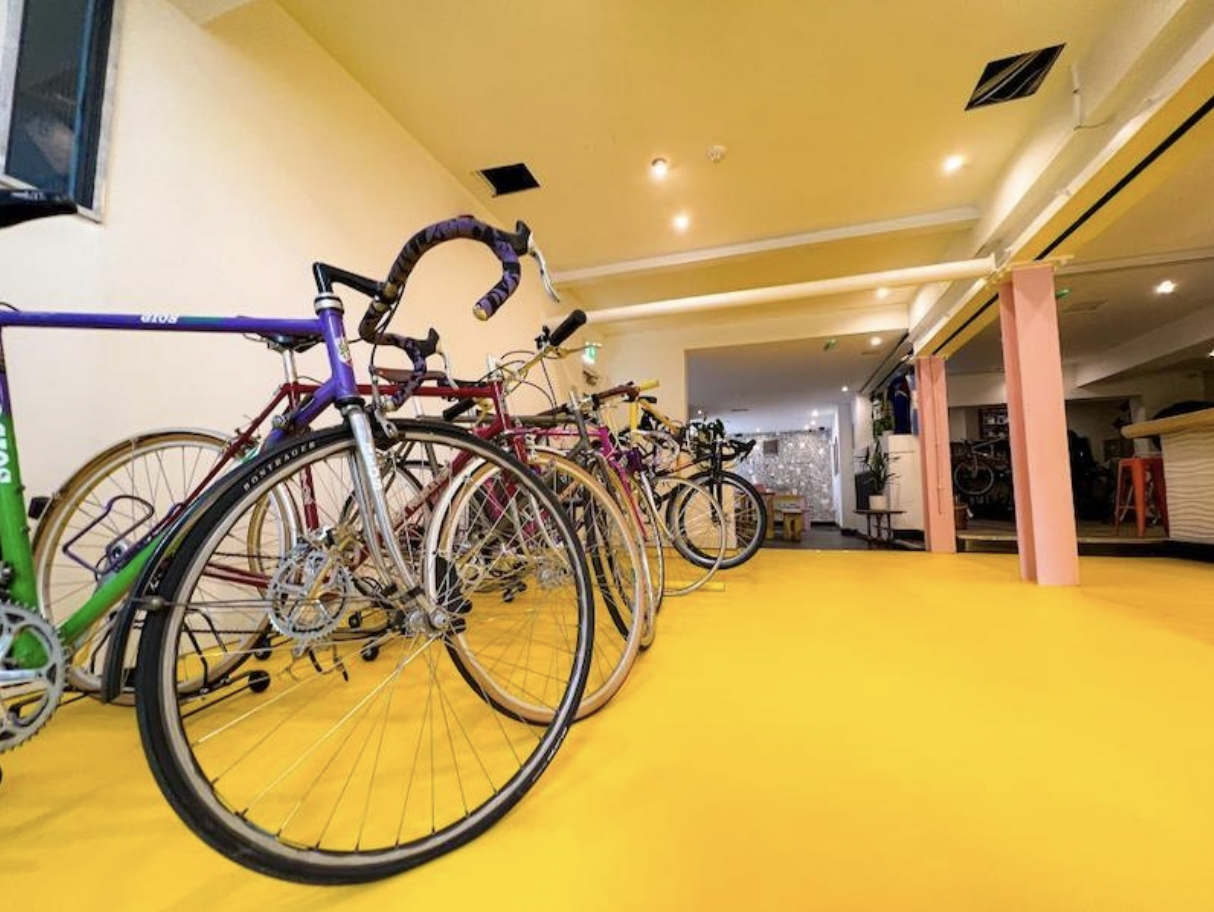
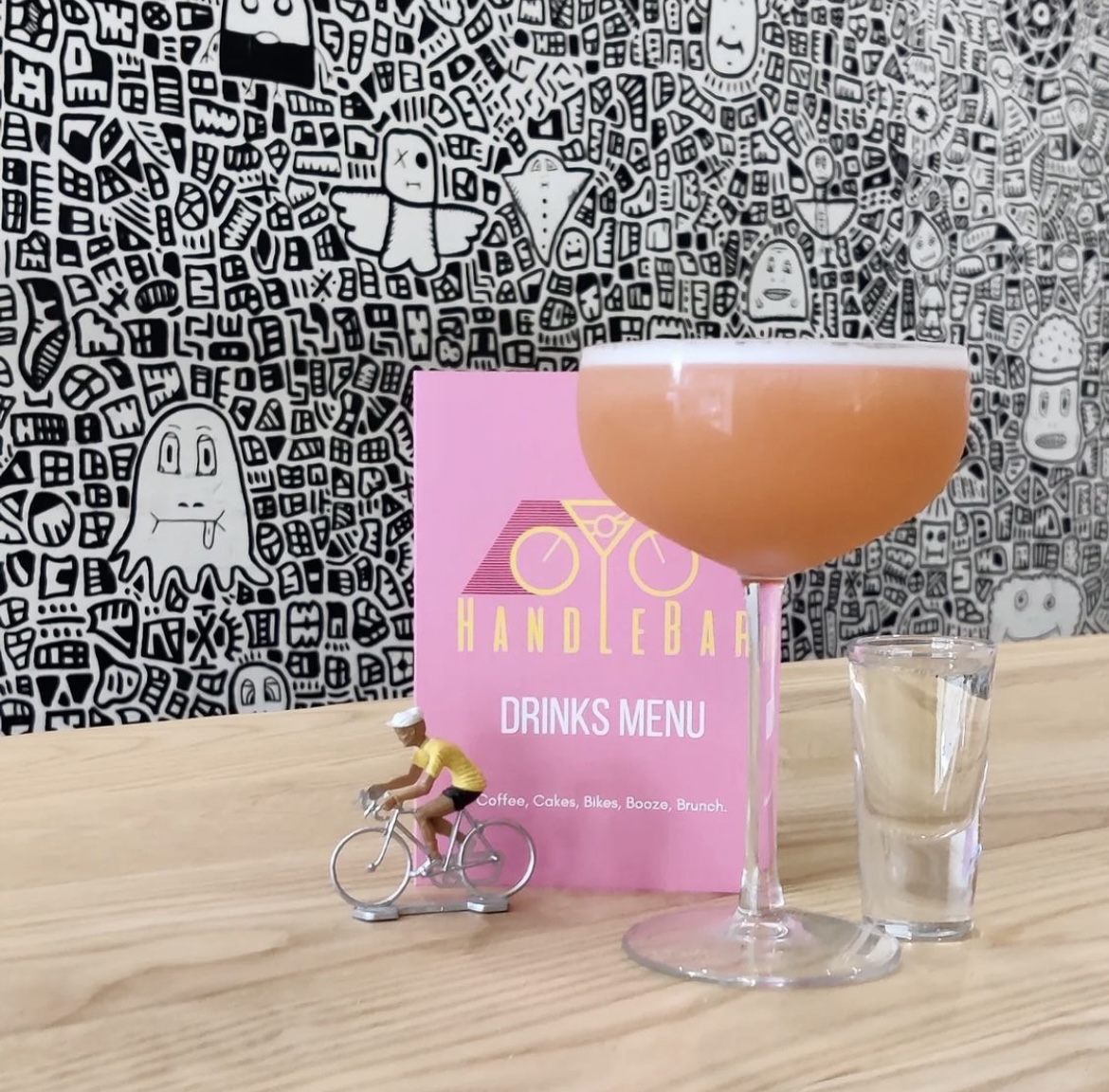
The new bar is called HandleBar and, as you might have guessed from the name, it is cycling themed.
With its very own bike repair workshop and artwork that screams ‘live, laugh, lube’ at you as you walk through the door, plus wall colours inspired by the colours of cycling competition winner’s jerseys, we’ll be honest – there’s no doubting the fact.
The brightly-painted walls nod to the Tour De France, Giro D’Italia and Vuelta a España and there is even a dedicated space to lock up your bike inside whilst having a drink, which is sure to fox Fallowfield’s notorious bike thieves.
With the bar and cafe sitting on one of the busiest cycle routes in Manchester, it makes sense – but non-cyclists needn’t be put off, there’s plenty for them here too.
From barista-made coffee and artisan bakes to cocktails, sustainable wines, pints of beer and cider, brunch and lunch, there’s a little something for every time of the day.
ADVERTISEMENT
We’re also happy to report that Font’s cheap drinks legacy lives on with pint of ‘Big D*ck Energy’ lager costing just £2.75.
Cocktails here are priced slightly higher – around the £6/7 mark, with choices including crowdpleasing favourites like the Pornstar Martini. Still, owner Steve Dunbar is mindful that he wants to keep customer costs down.
Handlebar has been roughly a year in the making, first purchased by Steve last year.
ADVERTISEMENT
Prior to opening the bar, he worked within the music industry – buying and selling niche pieces of equipment to bands in order to cover the costs of his own music production courses.
After that, he ventured to Greece to work as a cycling tour instructor before hopping over to Spain to do the same, this time guiding pupils along the Vuelta a España route.
Keenly interested in both music and cycling, at HandleBar he plans to host a busy calendar of events – starting with Tour de France screenings as well as live music gigs, bike workshops, art fairs and film screenings.
The new bar and cafe is fully supplied by independent businesses from the local area and boasts a range of art, all provided by local artists, on its walls.
ADVERTISEMENT
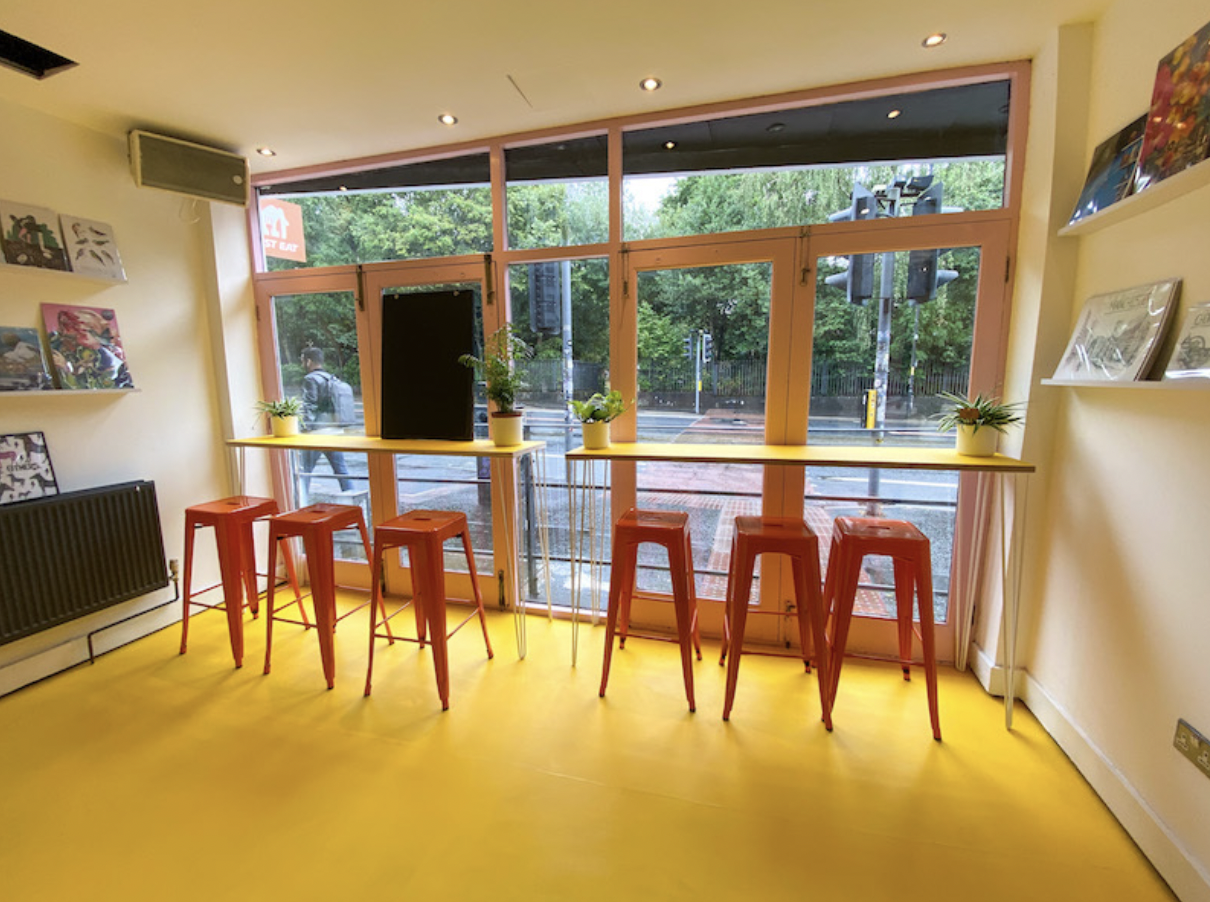
Towards the front, there is window seating and a further collection of art prints available for purchase.
The bike workshop is open Wednesday to Friday 11-6pm for servicing and repairs and, depending on workload and the type of repair necessary, repairs can be carried out while you wait and enjoy a drink.
Public urged to call the police if they see this wanted man
Daisy Jackson
Cheshire Police are appealing for the public’s help in tracing a wanted man with links to Macclesfield and Alsager.
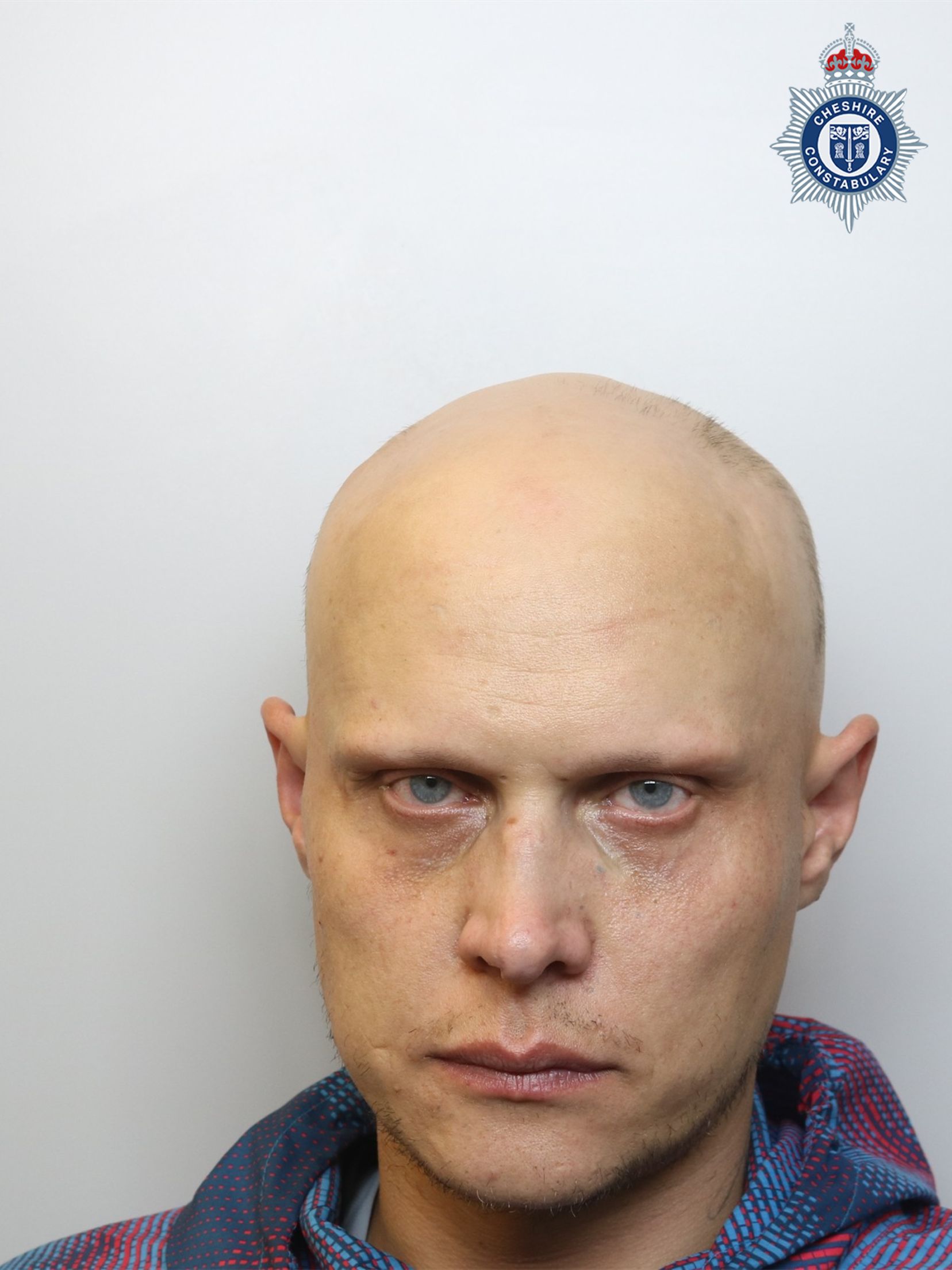
Joshua Wyatt, 34, is wanted on recall to prison, and officers are urging anyone who has seen him or knows of his whereabouts to come forward.
Wyatt is described as being 183cm (6ft) tall and of medium build, with a bald head and blue eyes.
Police believe he has links to both Macclesfield and Alsager.
Anyone who sees Wyatt or has information about where he may be is asked to contact Cheshire Police on 101 or report information via the force’s website.
Information should be provided quoting reference number 26000809013.
Huge shuttle bus effort laid on to get Manchester United fans to Old Trafford amid tram disruption
Daisy Jackson
Transport for Greater Manchester has announced a shuttle bus scheme to help Manchester United fans get to Old Trafford this week, amid major tram disruption.
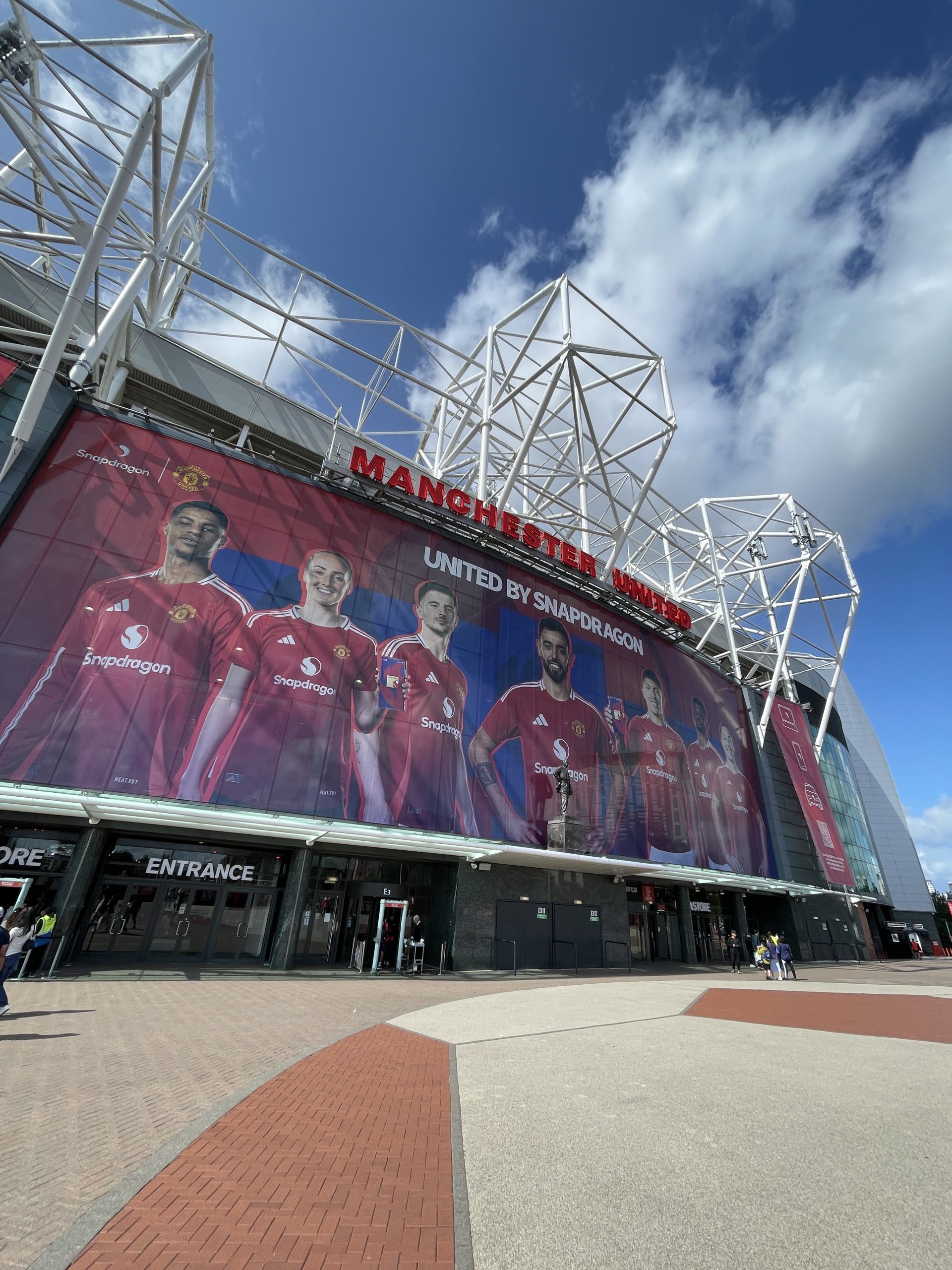
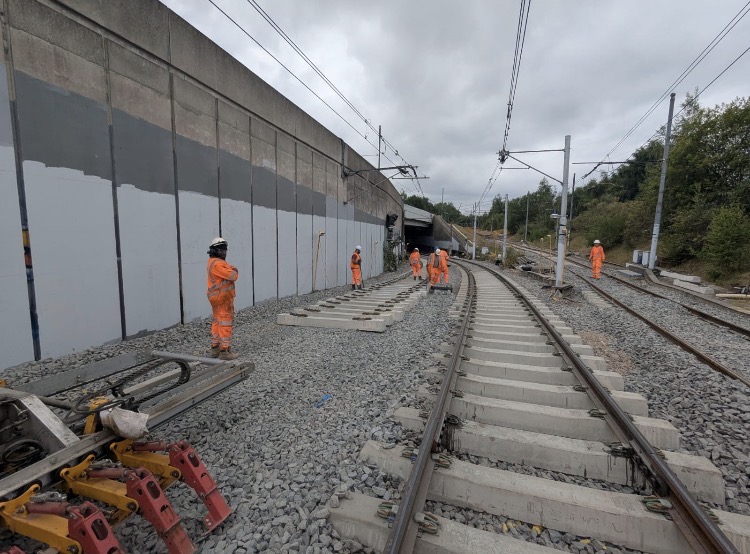
Fans won’t be able to use trams to get to the ground as usual, due to huge improvement works which are in place until Monday 2 November.
There’ll be no trams at all on the Altrincham, Trafford Park, and Eccles lines, with Airport and East Didsbury trams only going as far as Firswood.
That means that fans heading to Manchester United’s home game against Bournemouth would have been a little stuck without this newly-announced shuttle bus service.
Frequent dedicated shuttle buses will run running Piccadilly Gardens, Altrincham Interchange and the Trafford Centre, taking fans directly to Old Trafford before the game.
Frequencies range from five to 20 minutes depending on the route and time, with details available online. Return services will be in place after the final whistle.
TfGM staff will be at key stops and interchanges throughout the day to help fans get to the match and provide travel advice.
Huge shuttle bus effort laid on to get Manchester United fans to Old Trafford amid tram disruption. Credit: TfGM
Ian Davies, TfGM’s Network Director for Metrolink, said: “There is no good time to disrupt passengers to carry out these works, and this is the first time in over a decade that trams won’t serve Old Trafford on a match day, but these works are essential and will enable us to provide a better service in future. I am very sorry to fans who face disruption.
“We’ve put a range of alternative travel options in place, including dedicated shuttle buses, bolstered Bee Network bus services, rail options and ticket acceptance arrangements will help fans get to and from the game.
“Journey options will be different from usual, so we would encourage supporters to plan ahead, check their route and our website before they travel and leave plenty of time to get to and from the stadium.”
TfGM is advising supporters to leave around an hour earlier to help make sure they arrive in time for kick-off.

 Georgina Pellant -
1st August 2022
Georgina Pellant -
1st August 2022