A new study has found that a “game-changing” antibiotic could save millions of lives worldwide from drug-resistant superbugs.
After a team of dedicated UK scientists and researchers were able to use the drug to successfully eradicate methicillin-resistant staphylococcus aureus – a so-called superbug known as MRSA, which is resistant to several widely used antibiotics – in a study on mice, it’s now been hailed as a medical breakthrough.
The breakthrough involved the development of new versions of the molecule teixobactin.
Teixobactin is said to be capable of killing bacteria without damaging the tissue of the mammals it was tested on.
It was first hailed as a “game-changing” antibiotic in 2015, but according to scientists, this new project developed “synthetic” classes of the drug, and because the synthetic versions can be kept at room temperature, global distribution is now much easier.
ADVERTISEMENT
A new study has found that a “game-changing” antibiotic could save millions of lives worldwide from drug-resistant superbugs / Credit: Mark Fletcher-Brown (via Unsplash)
Although global health officials have repeatedly warned about the rise of drug-resistant bacteria and other microbes due to the misuse and overuse of antibiotics – which encourages microorganisms to evolve into “superbugs” – however, future patients could soon be treated with just a single daily dose of teixobactin for systemic life-threatening resistant bacterial infections.
This antibiotic breakthrough comes after the latest figures, according to a January 2021 study in The Lancet, found that in 2019, more than 1.2 million people died from antibiotic-resistant bacterial infections.
ADVERTISEMENT
Additionally, an AMR review commissioned by the UK government has predicted that by 2050, an extra 10 million people will die as a result of drug-resistant infections each year.
Dr Phil Packer, from Innovate UK – the agency which delivered the latest project – said the results had been “excellent”, adding that new classes of antibiotics were especially needed to tackle AMR because existing molecules were already familiar to bacteria, which makes resistance development more likely.
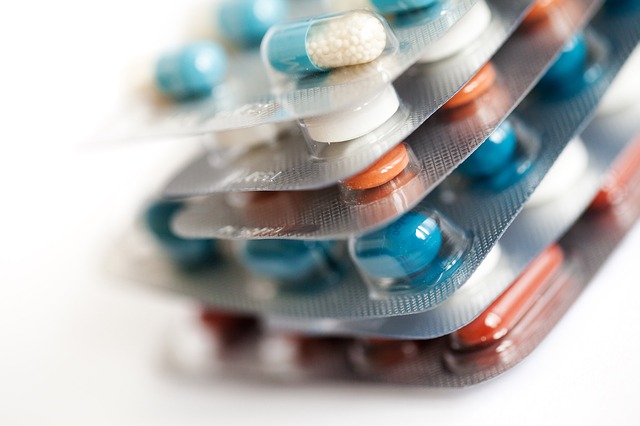
The breakthrough involved the development of new versions of the molecule teixobactin / Credit: Global Panorama (via Flickr)
“We are delighted with results, which have validated synthetic teixobactin’s promise to tackle resistant bacterial infections when currently used antibiotics fail,” he added.
ADVERTISEMENT
“We look forward to following this journey closely in future.”
Speaking on the breakthrough, Health Secretary Sajid Javid added: “It is fantastic to see such innovative work like this happening in the UK – another clear example of this country being at the forefront of scientific advancements which can benefit people across the world.”
Record 37.5 million journeys home for Christmas expected before the big day
Emily Sergeant
Drivers are being told to prepare for long queues, as a record number of festive trips are predicted across the UK ahead of the big day.
With the festive season generally known to make the roads nationwide busier than usual, travel warnings have now been issued to all those making Christmas getaway trips for the holidays – with an annual study by the RAC and INRIX suggesting that 37.5 million journeys are planned before Christmas Day arrives.
With Christmas falling mid-week again this year, the figures are suggesting that drivers are keen to set off early to avoid what will be an undoubtedly frantic coming weekend on the roads.
Around 18% of getaway journeys are expected to be made today and tomorrow (Wednesday 17 and Thursday 18 December, respectively).
But, the RAC expects the main wave of festive journeys to start this Friday (19 December) with a whopping 3.6 million trips planned, before this escalates even further to 4.1 million on Saturday (20 December).
A record 37.5 million journeys home for Christmas are expected before the big day/ Credit: Highways Agency (via Unsplash)
The figures predict this will be the busiest Saturday of any Christmas getaway period since its records began in 2013.
Approximately 3.5m journeys are then expected on Sunday (21 December), while a further 5.3 million trips are set to take place at some point between 19 and 21 December, although drivers haven’t decided what day they’ll travel yet.
According to the RAC’s research, there will then be a slight lull in festive trips at the start of Christmas week – with Monday and Tuesday being normal working days for many people – however, volumes of traffic could be at their highest since COVID on Christmas Eve when 4.2 million getaways are expected, making it the single busiest day for getaways over the period.
When it comes to the best and worst times to travel over the festive period, the research has revealed that the times to avoid when travelling along major routes will be from 4:30pm onwards, with queues of more than half an hour expected in Manchester on the M60 clockwise from J7 Altrincham to J18 for the M62 for Leeds.
On the two busiest days over the getaway period – this coming Saturday (20 December) and Christmas Eve – the RAC and INRIX are advising drivers to expect lengthy delays on major roads between 11am and 7pm, as this is when most journeys will be made.
After the big day, drivers are expecting to make 4.6 million journeys on Boxing Day and 4.1 million on Saturday 27 December, as they travel home or continue their celebrations elsewhere.
NHS says it’s battling with ‘worst case scenario’ as flu cases surge nationwide
Emily Sergeant
Flu hospitalisations have surged by more than half in just one week, plunging the NHS into the ‘worst case scenario’.
Shocking new figures have revealed that an nn average of 2,660 patients per day were in a hospital bed with flu last week, which is the highest-ever for this time of year and up 55% up on last week – which, when put into perspective, means there are enough flu patients each day to fill more than three whole hospital trusts.
NHS bosses have warned that the total has already increased sharply since the week covered by the data, and at this time, there is thought to be no ‘peak’ in sight.
These new figures come as demand for A&Es and ambulance services are already soaring.
The number of patients in hospital with flu has risen by over 50% in the last week, reaching a record number for this time of year – and numbers continue to grow.
New monthly figures showed that A&E attendances were a record for November at 2.35 million and more than 30,000 higher than November 2024, while there were 48,814 more ambulance incidents compared to last year.
The record-breaking demand also comes just ahead of thousands of resident doctors going on strike this week from 17-22 December – with ‘major disruption’ expected for patients ahead of Christmas.
The public are advised to attend any planned appointments scheduled during the strikes, unless they have been contacted to reschedule.
Primary and urgent and emergency care services will continue to be available for those who need them, during the industrial action.
NHS says it’s battling with the ‘worst case scenario’ as flu cases surge nationwide / Credit: Pxhere
The public should use 111 online as their first port of call for urgent but not life-threatening issues so that they can be directed to the best place for their needs, while patients who need emergency medical care should continue to use 999 or come forward to A&E as normal.
“With record demand for A&E and ambulances and an impending resident doctors strike, this unprecedented wave of super flu is leaving the NHS facing a worst-case scenario for this time of year – with staff being pushed to the limit to keep providing the best possible care for patients,” commented Professor Meghana Pandit, who is the NHS National Medical Director.
“Even worse, it continues to rise and the peak is not in sight yet, so the NHS faces an extremely challenging few weeks ahead.
“We have prepared earlier for winter than ever before, and stress-tested services to ensure people have a range of ways to get the help they need and avoid needing to go to A&E.”