Liverpool’s dim sum and roasted meats kitchen Yum Cha has revealed plans to open a new restaurant here in Manchester.
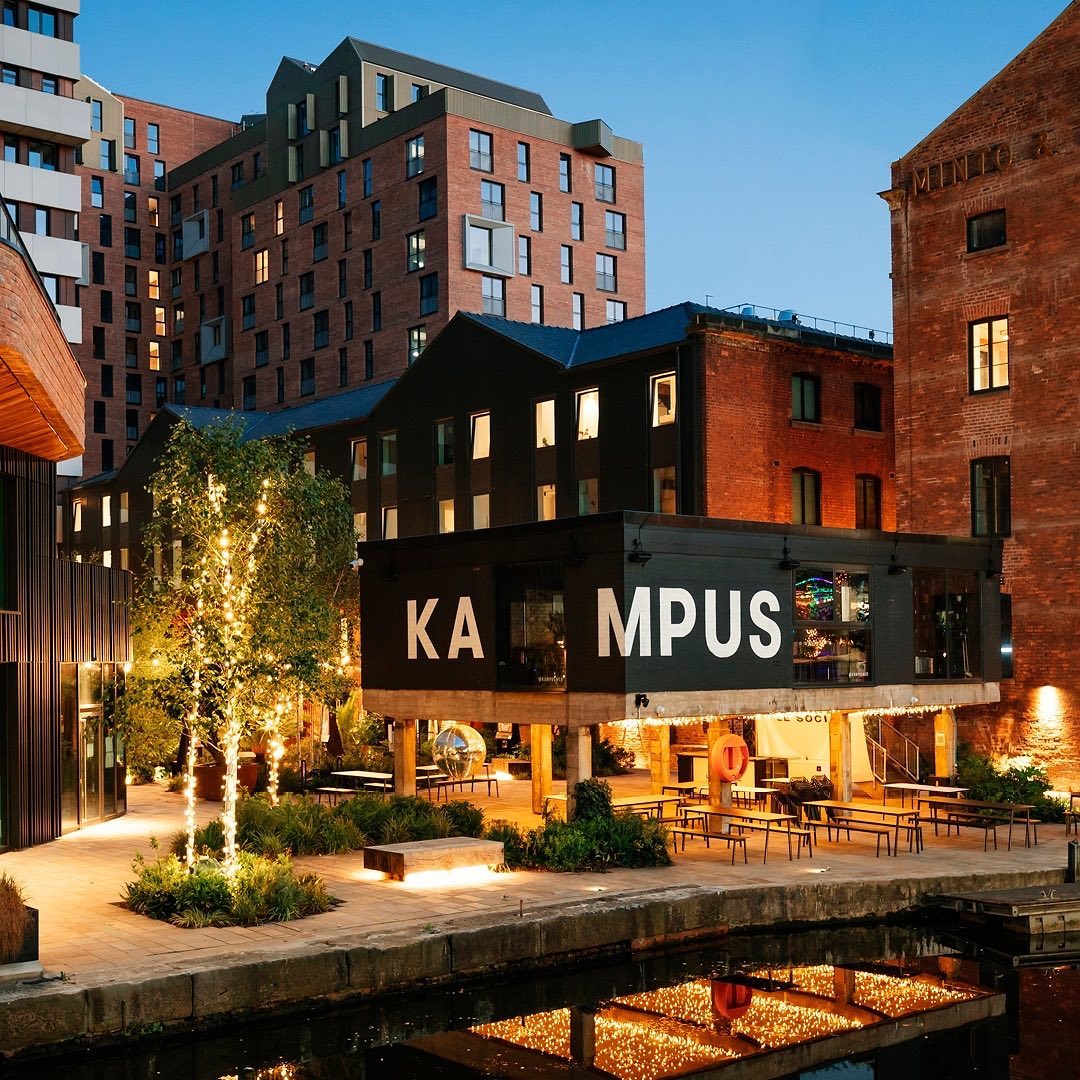
Known for its richly lacquered roasted meats, dainty dim sum and Chinese small plates, the restaurant will move into the Kampus garden neighbourhood later this spring.
Already well established on Liverpool’s Lark Lane, the move marks owners Adam and Neil Wan’s first move out of their hometown.
Set up by the brothers 11 years ago, Yuma Cha has built an enviable reputation in its home city for its bold dishes and delicate Chinese teas.
Pushing the burgeoning modern Chinese food trend, chefs here are known for taking traditional dishes and dragging them, boldly, into the 21st century.
ADVERTISEMENT
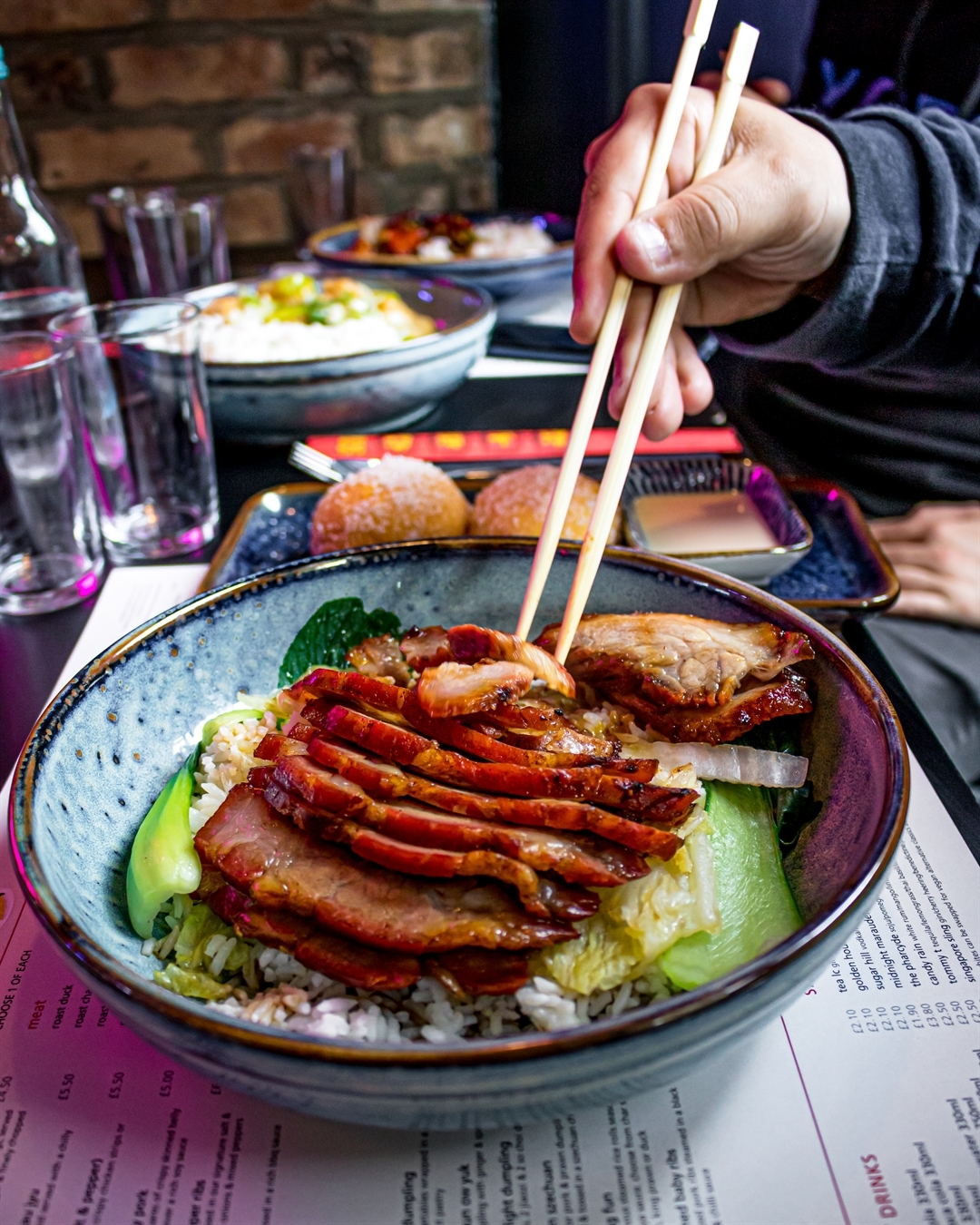
The menu features a dedicated roast meats section, with choices like crispy belly pork, char sui, duck and chicken – all roasted for 24 hours in Yum Cha’s custom-made roasting oven on site.
Served from 2pm with a choice of steamed rice or noodles and curry, soy or bbq sauce, it’s affordable too – priced at just £9.50 a plate.
ADVERTISEMENT
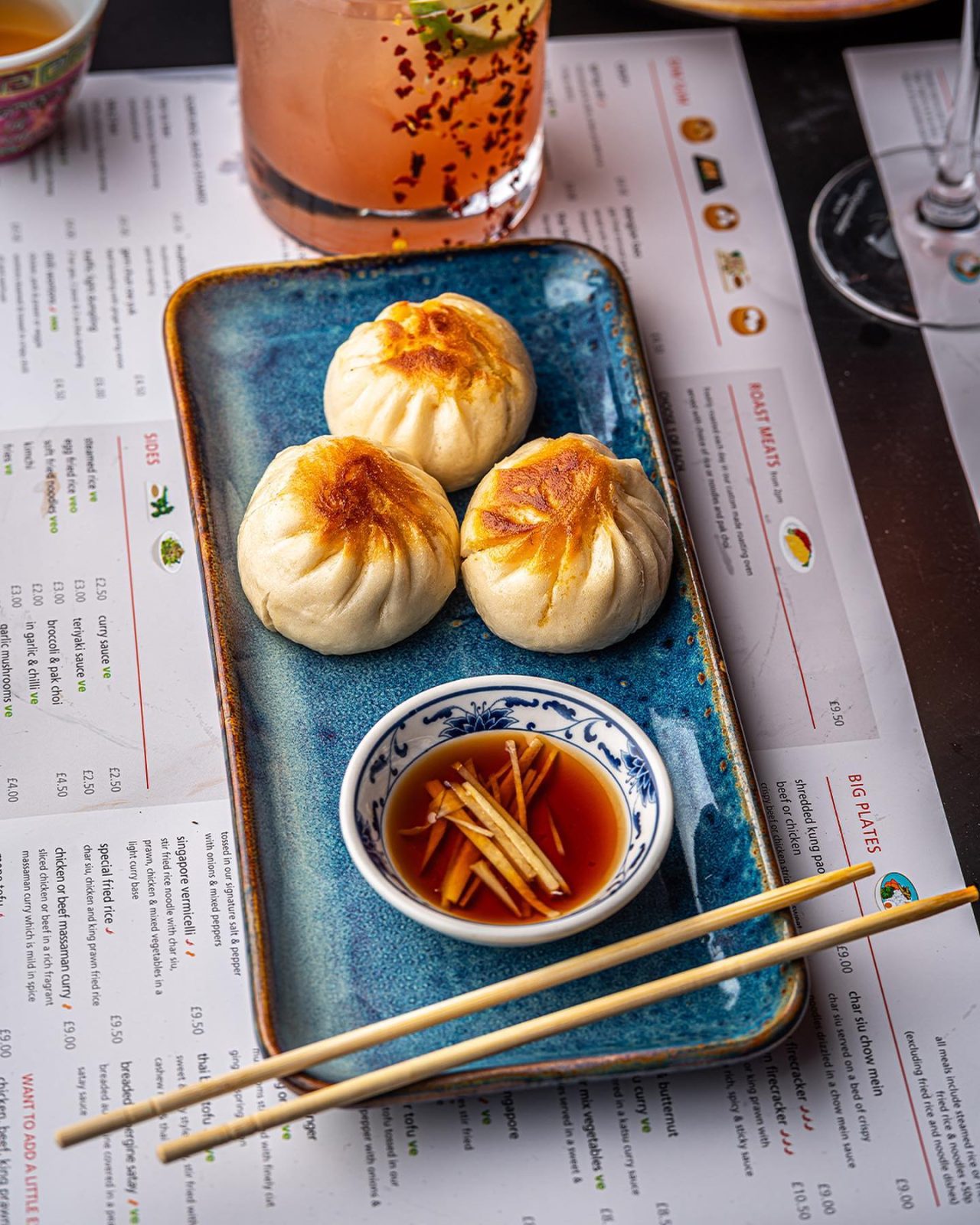
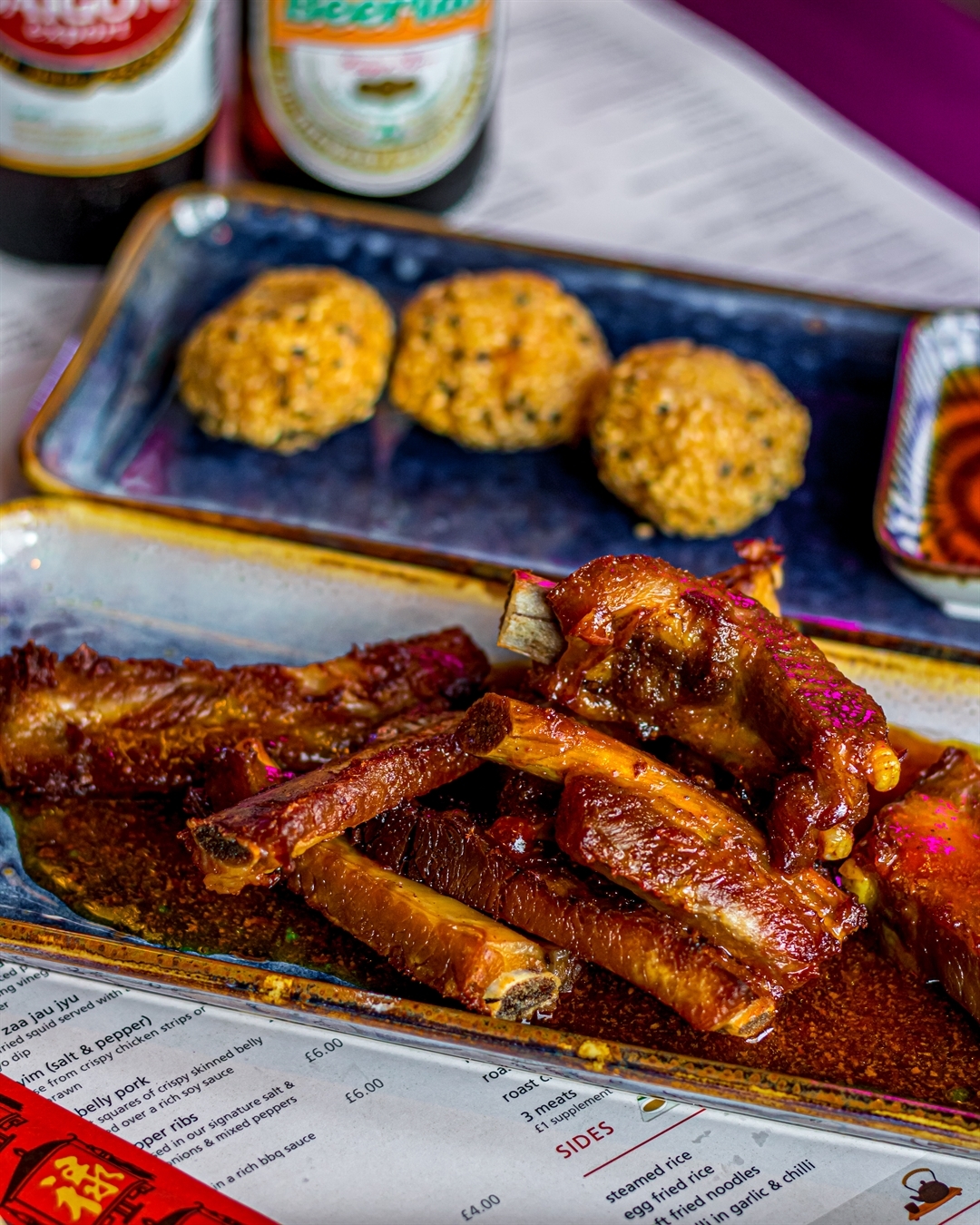
The dim sum list is pretty extensive, with a good choice of steamed dumplings and bao buns, as well as a crispy section featuring classics like spring rolls and bbq ribs, alongside more adventurous options such as crisp fried cuttlefish cake.
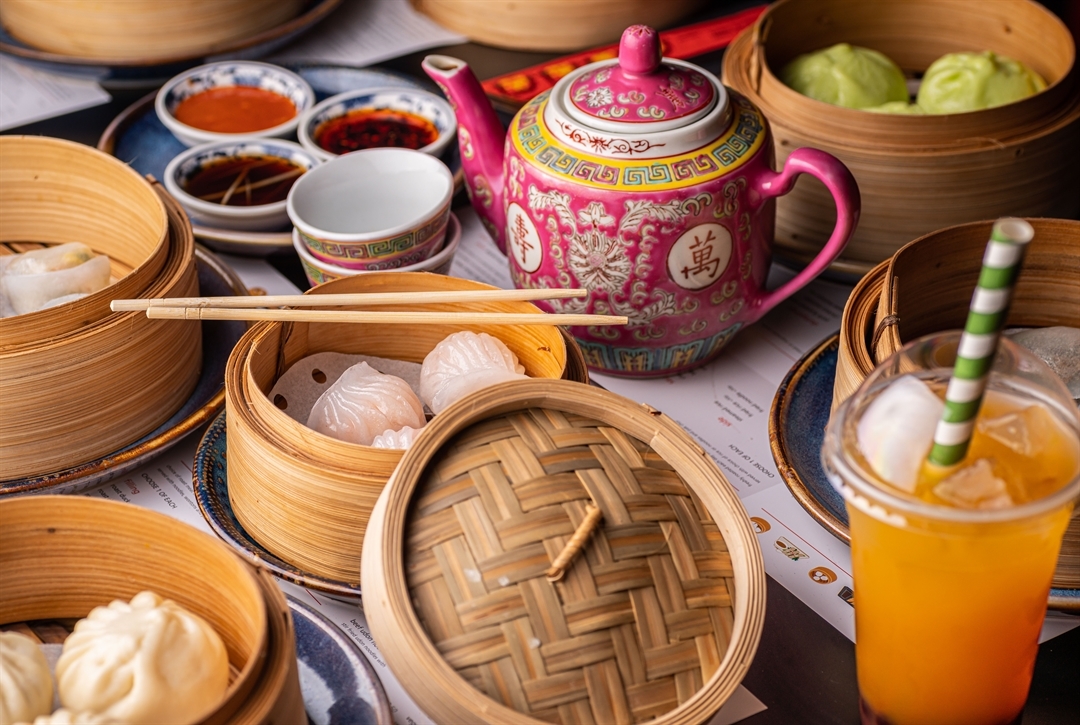
Image: Yum Cha
Image: Yum Cha
Image: Yum Cha
Elsewhere, you’ll find a decent selection of large plates spanning a range of different curry and noodle dishes, and another section dedicated entirely to noodle soup. There’s plenty for vegans, too, with a good selection of plant-based alternatives on offer.
Yum Cha at Kampus will be open seven days a week, with a relaxed atmosphere. Think industrial chic with polished concrete, softened with lanterns, wood carvings from China and neon lighting.
Adam Wan, Yum Cha Co-founder, said: “People can expect honest, authentic Chinese food, packed with flavour and made for sharing with friends and family.
“More than ever, people are craving spending quality time with loved ones. Yum Cha is the tradition, passed down over centuries, of gathering to swap stories over tea and food.
ADVERTISEMENT
“We’re bringing a piece of that ancient culture, to a laid back but stylish space in the heart of Manchester.
“We’ve always had big dreams to expand Yum Cha and bring our delicious, home-cooked Dim Sum to new communities and Kampus couldn’t be more perfect. We’ll be among a family of foodies in one of the most amazing places in the city.”

Yum Cha is the latest in a long line of new and expanding independents joining the community, including recently announced Madre, The Beeswing, Cloudwater Brewery and Great North Pie, alongside Nell’s, Pollen and General Store.
Adam Brady at HBD said: “Not only is Kampus shaping up to be one of the best collections of indie operators in Manchester, but it’s a really eclectic offering that’ll keep people visiting time and time again.
“Yum Cha are exactly what we’re all about – delicious food, an effortlessly stylish venue and spaces custom built for people coming together as a community. We’re chuffed to be adding another business, born in the North West, to the neighbourhood.”
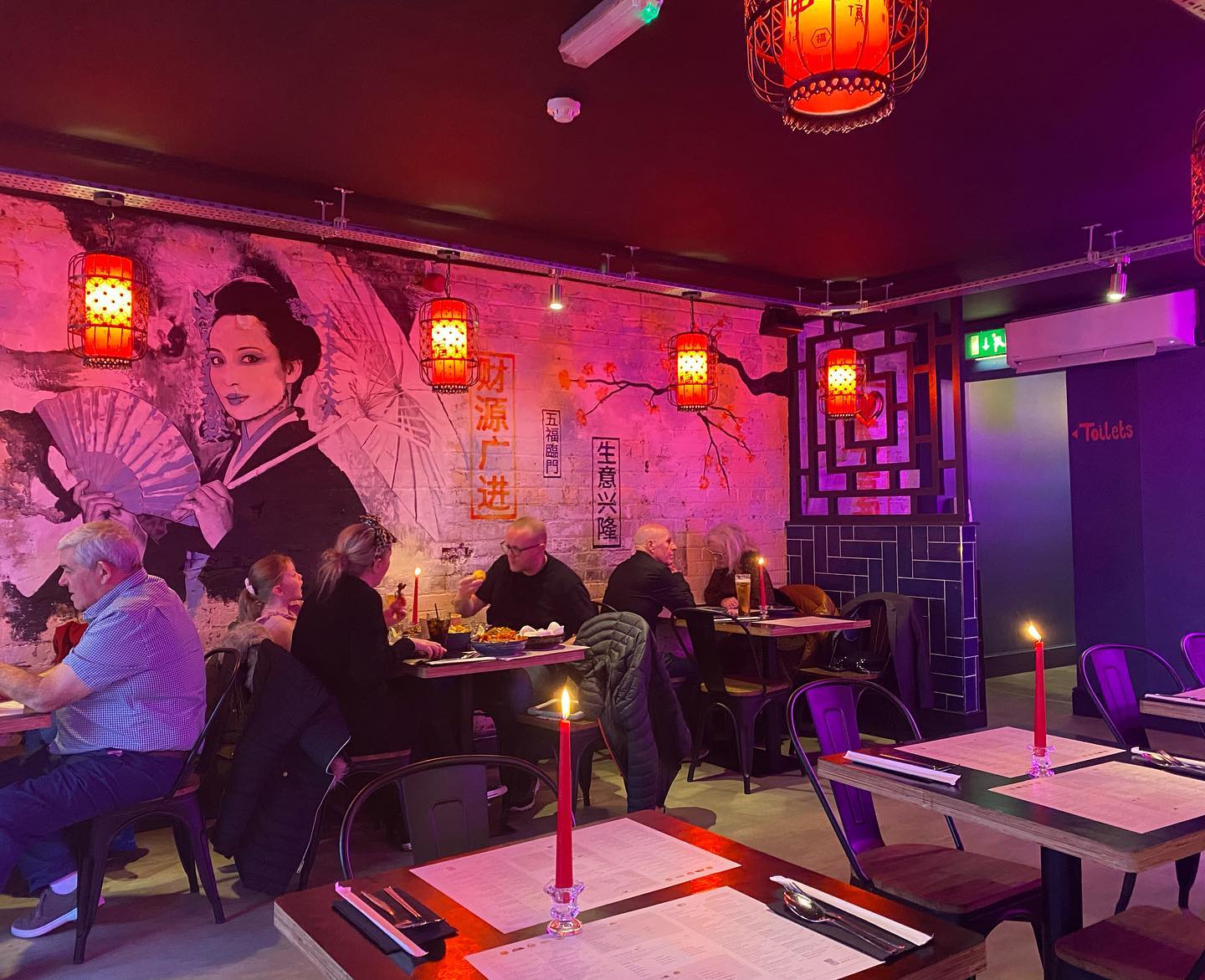
Image: Yum ChaImage: Yum Cha
The Kampus collection of old and new buildings offers a melting pot of architectural styles and builds on a rich cultural heritage, making use of historic buildings that lay derelict for years, right next to the famous Canal Street in Manchester’s Gay Village and just minutes from Piccadilly Station.
The Kampus gardens and Bungalow are the central feature of the community and are permanently open to the public, with the Bungalow operating as a village hall for pop-up events and community groups.
The neighbourhood is alive with events and will be home to local independent bars, restaurants, cafés and retail from brands.
Feature image – Yum Cha
News
Government sets out multi-million-pound plan to move UK away from animal testing in science
Emily Sergeant
A £22m push to ramp up the UK’s move away from animal testing in science is set to bring together cutting-edge tech and research.
The latest figures show there were 2.54 million animal testing procedures in Great Britain in 2025, which is down 3.8% on 2024, but with a further update due to be released later this year, the Government is now moving to ‘capitalise’ on that momentum with funding to shift the nation onto alternative testing options.
A dedicated national research hub and nine new high-tech projects are planned to develop ‘better ways’ to test medicines on human biology rather than animals.
According to the Government, this means treatments for conditions like cancer and inflammatory bowel disease (IBD) could be developed ‘faster’ and ‘more precisely’ to not only help patients but crucially also move science away from traditional animal testing.
At the heart of the plans is a new Pre-clinical Translational Models Hub – based in Cambridge and backed by £20 million in Government funding, which will work to build and share models of human tissue, grown from NHS patients, to test new treatments.
The new hub will accelerate the development of testing on ‘organoids’ – tiny, simplified versions of a human gut, tumour or brain, using cells donated by patients.
From beating heart cells in a dish to AI that can predict how drugs move through the body, exciting alternatives to animal testing are transforming medical research.
We're investing £22m to help scientists develop the next generation of life-saving treatments. pic.twitter.com/1EWRQvwySa
— Dept. for Business, Innovation, Science and Trade (@biztradegovuk) August 12, 2026
Because these ‘organoids’ retain crucial features of a patient’s own biology, they will help researchers learn how a real person may respond to a drug and provide additional insights that can complement information that is currently obtained from animals.
Scientists will then be able to use these cutting-edge techniques in their own labs to work out which medicines are worth pursuing.
Overall, it’s hoped that the move will slash the time it takes to get ‘potentially life-changing’ treatments to market.
Alongside the funding for the new Hub, nine cutting-edge projects aimed at identifying new methods of animal-free scientific testing – from beating heart cells in a dish, to lab-grown human ear models, and AI that predicts how medicines move through the body – are being funded.
Sadly, many of these still rely on testing on dogs and monkeys, as it stands.
“This marks another significant step forward in the UK’s move away from animal testing in science and research,” commented Science Minister Chris McDonald.
“This is all about backing our world-leading researchers and innovators to improve lives, giving them the tools they need to deliver more effective treatments for horrendous diseases like cancer, while also preventing the need for animal testing wherever possible.
“It’s also a boost for our life sciences sector, fuelling opportunities for new investment and new jobs, and ensuring Britain is better off.”
Elbow get behind campaign to save Jodrell Bank from closure
Danny Jones
Manc band Elbow are among the latest to get behind the campaign to save Jodrell Bank Observatory from closing permanently.
The Greater Manchester natives famously played a sold-out gig at the important scientific and cultural landmark for a very special live album recording well over a decade ago, and know all too well the site’s national and, indeed, global heritage.
Choosing the Observatory and the rare chance to perform a show in the shadow of the world-renowned James Lovell Telescope, it probably remains one of their most significant standalone UK date ever.
With that in mind, the local lads have been left just as worried by the news of its impending closure as everyone else, and have therefore issued a fresh appeal to help keep it open.
Posting a timely statement on social media, the group wrote: “Jodrell Bank has long been close to elbow’s heart. In 2012, the band played beneath the Lovell Telescope for one of the most memorable shows in our history.
“The recent news that funding for the e-MERLIN radio telescope network is set to end in 2028 puts the future of the scientific work at Jodrell Bank under serious threat. It is a remarkable place, with an extraordinary history, and one that continues to play an important role in science, culture and education.”
In addition to reliving clips and images from the historic live set all the years later, they also pointed people towards their ‘elbow – Live at Jodrell Bank‘ album documentary, which has now been made available online for the very first time as part of wider efforts to raise awareness around the cause.
Directing people to key online resources shared by the institution and astrophysics centre itself following their unfortunate update late last month, the push to not only find the funding but sustain support for the facility continues to ramp up throughout the world of science, arts and industry.
For anyone who somehow missed the news – 2028 being the current deadline handed down as per budget cuts across the sector – concerned parties here in the North West and all over the country have since started petitioning to save Jodrell Bank Observatory from shutting down for good.
In addition to being described as a “huge blow” to the field by the Royal Astronomical Society (RAS), some have even gone so far as to describe the decision as a form of “vandalism” when it comes to research and British culture as a whole.
Having also served as the host venue for the annual bluedot Festival since 2016, the multi-genre science and arts celebration could soon be forced to find a new home.
The battle is far from over yet, and the community has time to rescue Jodrell Bank Observatory from its fate, but it will take lots of money and more notable public figures to make it happen.
Once again, you can do your bit by signing the petition mentioned above right HERE.