The former Knott Bar is set to become a new Italian restaurant. The old owners have closed their doors for good and now the building has been taken under new management.
It’s always been an iconic venue in Manchester, sat on the edge of Deansgate and Castlefield, but now The Knott Bar is no more – at least, not as we’ve known it up to now.
Rather, the two-story hospitality venue is due for some big changes this autumn as news reaches us that it’s been acquired by a new operator and is set to become Manchester’s latest destination Italian restaurant.
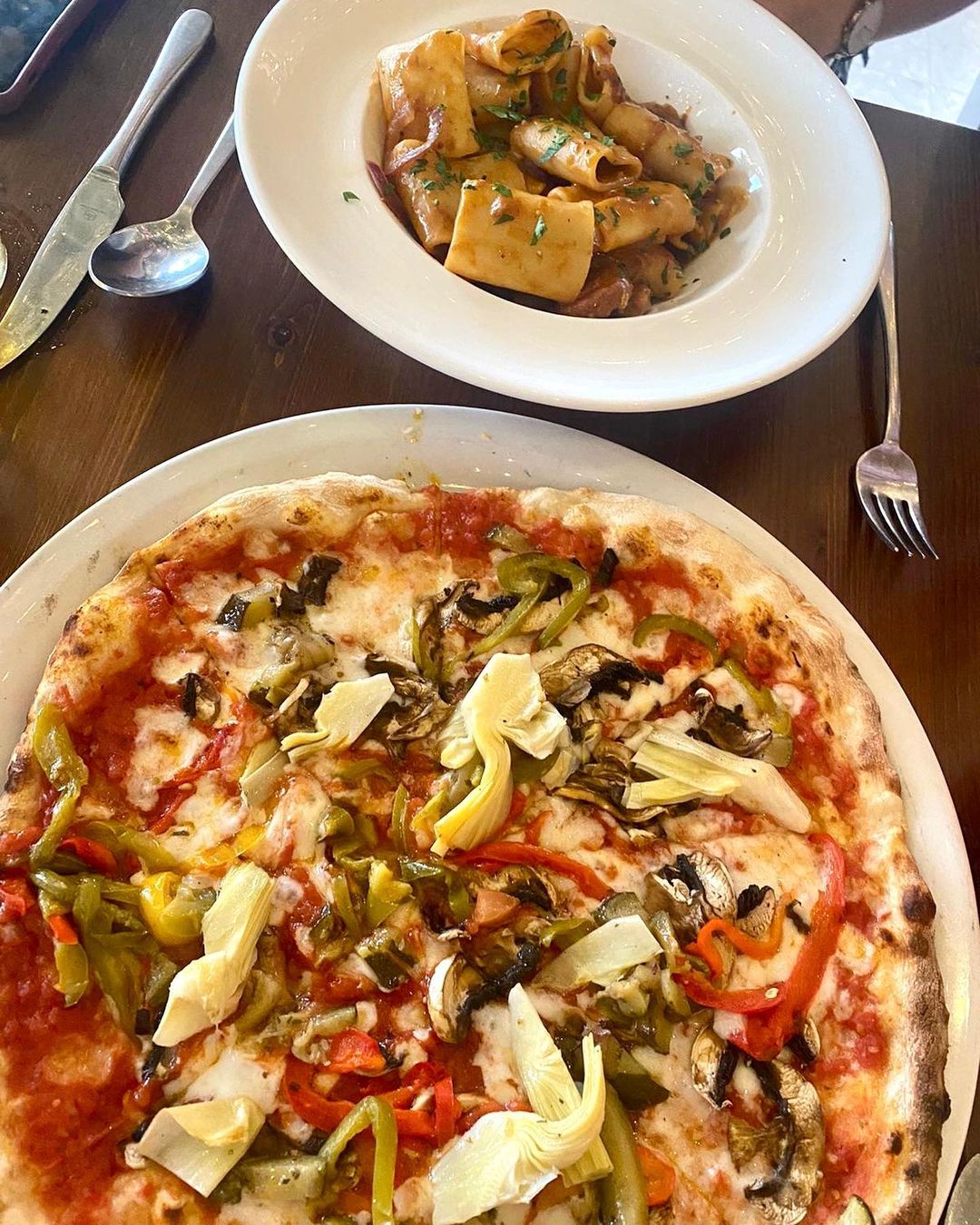
Dom’s Paccheri al Ragu and Alle Verdure pizza / Image: Ellen Eats Out
Chef restauranteur Dominic La Cola has been a solid presence in the city for years, running his much loved Dom’s Tavola Calda from the other end of Deansgate.
For decades now, he’s been lovingly dishing up authentic pizza, pasta, and Southern Italian mains from his authentic little kitchen – but now the restaurant is on the move and it has found a new home inside the former Knott Bar.
ADVERTISEMENT
With Dom’s existing home landmarked for demolition, Dom’s Tavola Calda has now been pushed out by its landlord – and its owner now plans to reopen his popular Italian eatery at the other end of Deansgate, close to Castlefield Bowl.
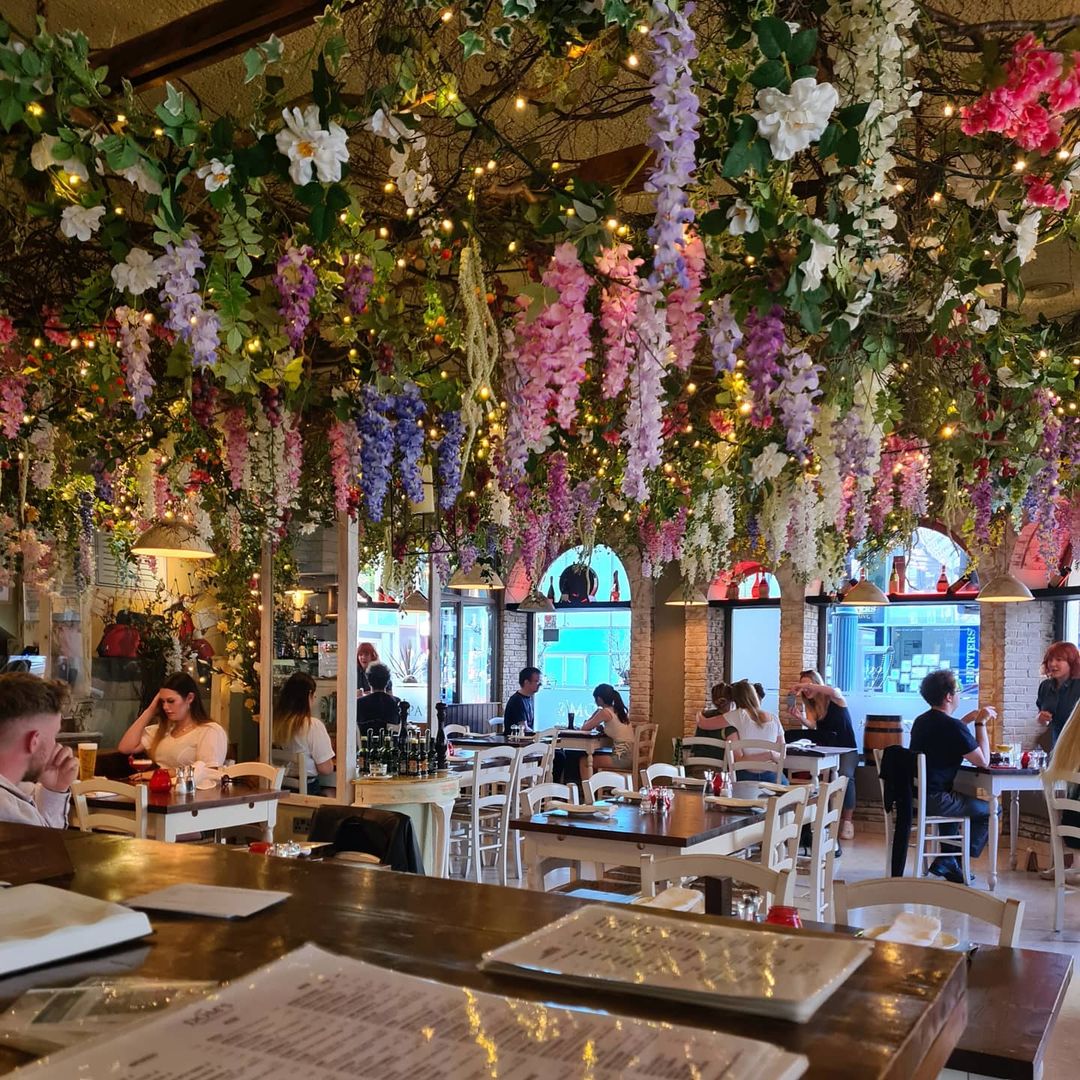
Inside the old Dom’s Tavola Calda restaurant, which has now closed and will be moving into the former Knott Bar unit / Image: Dom’s Manchester
Speaking to The Manc, he revealed that he’s currently refurbishing the bar and plans to open his restaurant there sometime in the autumn.
ADVERTISEMENT
It’s good news for fans of his authentic kitchen, which has long been an Italian staple on Deansgate for those in the know.
When The Knott Bar reopens as Doms Italia later this year, it will serve up all his kitchen’s popular favourites with weekly specials appearing on the board alongside beloved antipasti dishes like the house fritto misto, homemade meatballs and signature oven-baked ribs.
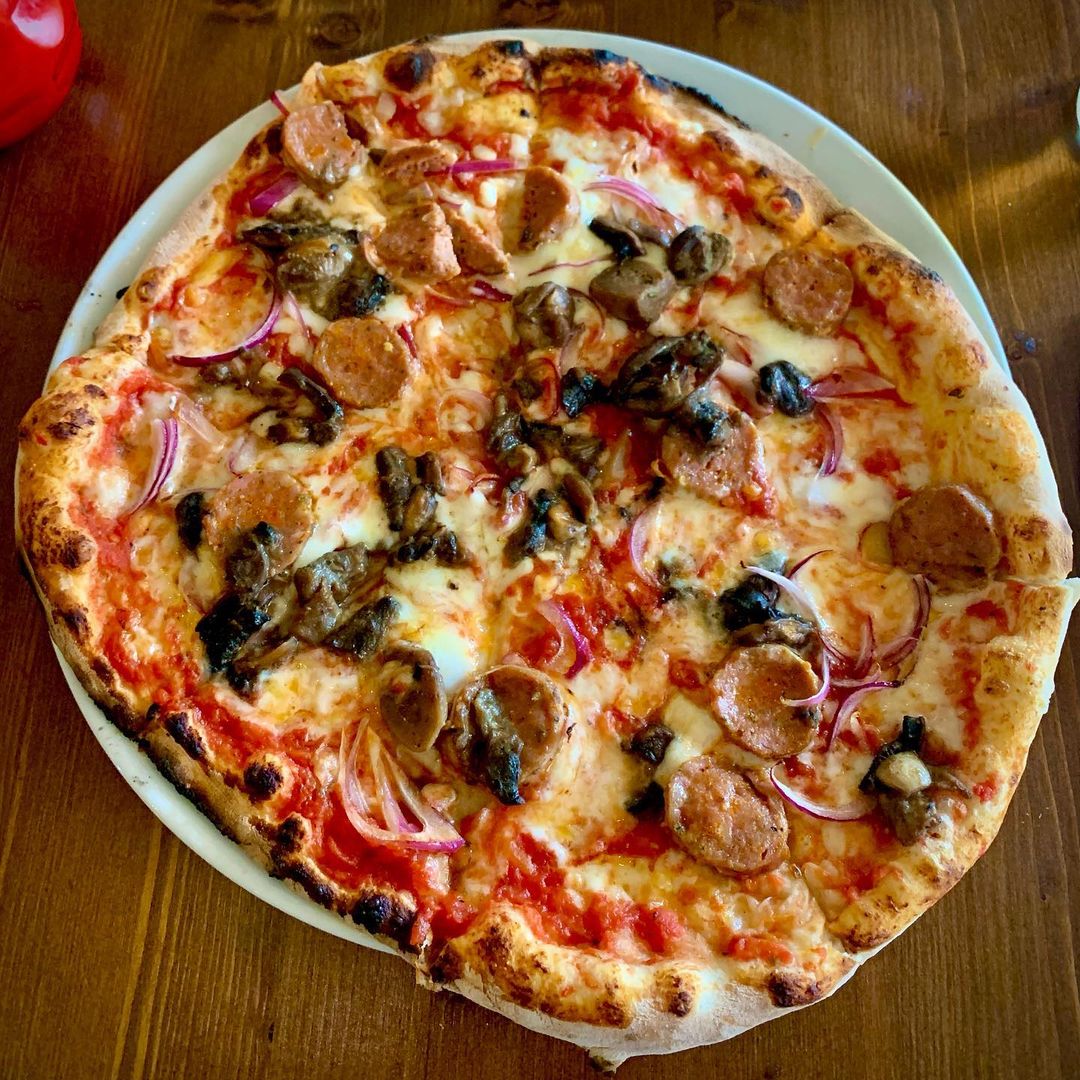
Dom’s Tavola Calda has been a fixture on Deansgate for decades. The speciality pizza ‘Dom’s’ uses spicy sausage made in house, red onion, porcini and mozzarella / Image: Feast Street
In the meantime, whilst renovations take place all of the staff at Dom’s have moved over to the restaurant’s sister site Vincenzo Trattoria which is located just of St Ann’s Square.
ADVERTISEMENT
Sharing the news with their followers on social media, an update from the restaurant said:
“Good evening to all our customers friends and family of Doms,It comes with great regret that we have to close our doors for last time on Monday the 9th August.
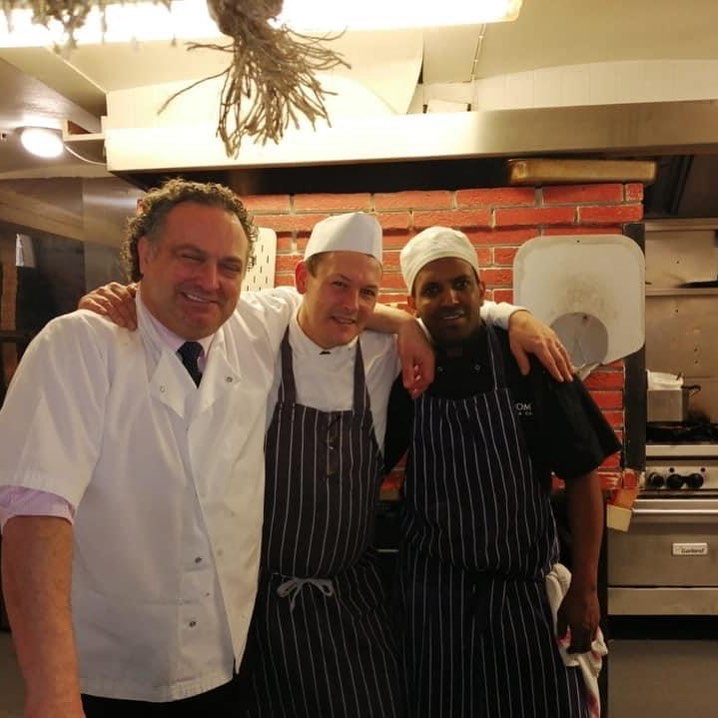
Chef restauranteur Dominic La Colla pictured with his general manager and chef / Image: Dom’s Tavola Calda
“It has been an eventful and memorable 8 years, and we would like to thank all of you that have been to see us here at Doms, whether it was just for a coffee or an evening out.
“For the foreseeable future, all our staff will be moving over to our sister restaurant Vincenzo Trattoria, st Anne’s street manchester.
“Fortunately, it’s not the end of Doms as we will be opening a new restaurant at 374 deansgate Manchester in the up and coming months called Doms Italia , as soon as we have finished the renovation we will inform you all, again
“Thank you and hope to see you all soon in the near future.”
At a time when so many hospitality operators are struggling, it’s great to hear that such an iconic Manchester restaurant has found itself a new home and a new lease of life.
For more updates on the return of Dom’s, head over to the restaurant’s Instagram page here.
News
Two teens arrested after stabbing of 14-year-old boy in Manchester city centre
Emily Sergeant
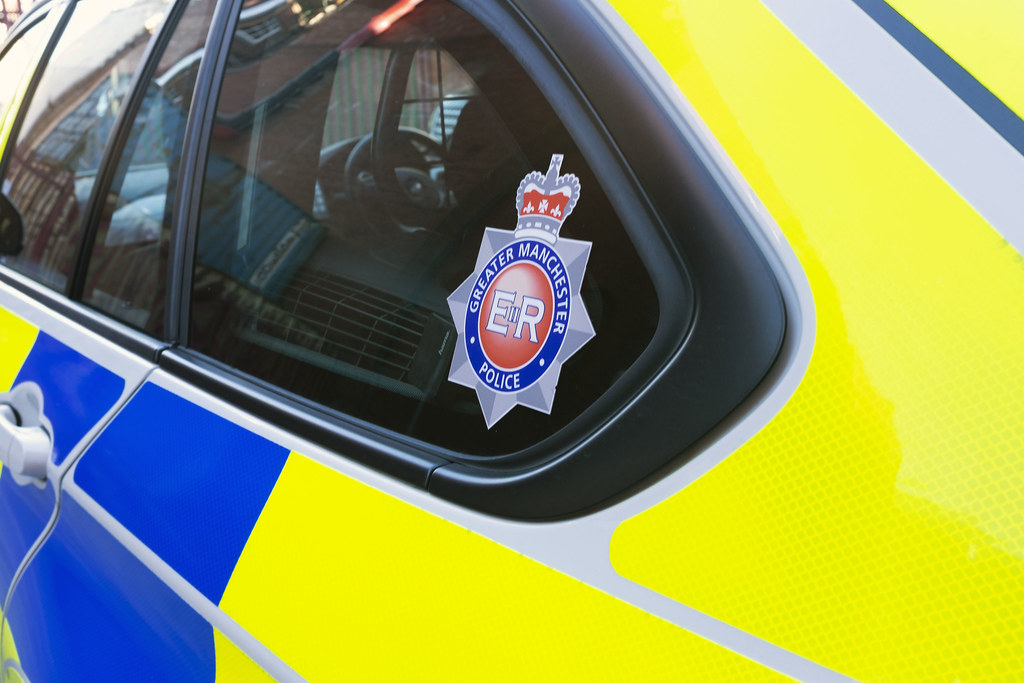
Two teenagers have been arrested following the stabbing of a 14-year-old boy in Manchester city centre over the weekend.
In case you need bringing up to speed first, at around 3:15pm this past Saturday afternoon (17 October 2026), officers from Greater Manchester Police (GMP) were called out to reports of a stabbing on the ninth floor of the Arndale carpark in Manchester city centre.
Emergency services attended the scene, and a 14-year-old boy was taken to hospital with injuries consistent with a stab wound.
Thankfully, the victim’s injuries are not believed to be life-threatening or life changing, but an investigation and enquiries are ongoing.
Police conceded that this will ‘understandably’ cause concern in the community, but has assured the public that they believe this to be an ‘isolated incident.
And now, it has been confirmed that two teenage boys, also aged 14, were arrested on Sunday night (18 October) on suspicion of grievous bodily harm, and tat this time, they are currently in custody for questioning.
“We’d like to thank the local community for their support during our investigation as well as the passersby who helped the victim following this incident,” commented Detective Inspector Sean McFadden, of GMP’s City of Manchester district.
“Your quick-thinking undoubtedly saved the victim from potentially life-threatening injuries.
“We appreciate that incidents of this nature can cause concern and we’d like to reassure the public that we understand this was an isolated incident and there is no wider threat to the community.
“Officers worked quickly and arrested two juveniles on Sunday, and they currently remain in custody for questioning.”
Anyone with information is asked to contact police on 101, quoting log 2050 of 17/10/2026, or via the LiveChat function. Alternatively, contact Crimestoppers anonymously on 0800 555 111.
Featured Image – GMP
News
UK Government announces £100 fines for ‘antisocial behaviour’ on public transport
Emily Sergeant
The Government has today announced plans to tackle antisocial behaviour on public transport.
In a bid to crackdown on loud music, littering, vaping, and other threatening behaviour on buses and trains, guidance was issued by the Government today for local authorities to prosecute and even issue fines of up to £100.
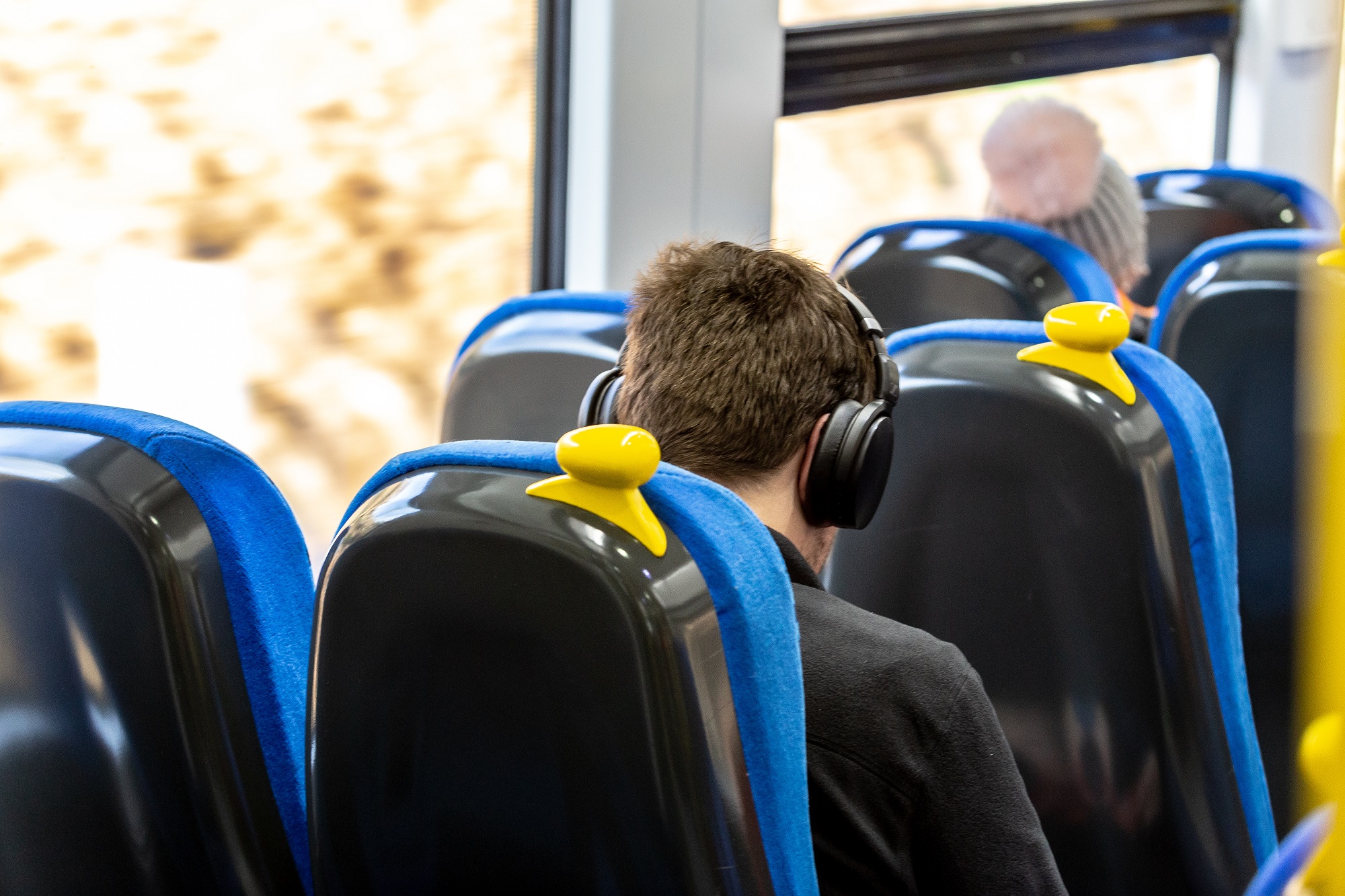
For many, playing audio out loud on public transport – also known as ‘loudcasting’ – has become one of modern life’s most irritating parts of the daily commute, but now, a new national campaign is aiming to encourage rail passengers, in particular, to ‘share the carriage, not the noise’ to improve the journey experience for all.
This will include reminders of the rules in place on the rail network and, if a passenger refuses to stop when asked by authorised rail staff, they can be removed from the train at the next station or face fines up to £1,000.
On buses, however, the powers for authorities were already made possible by the Bus Services Act 2025, meaning all local transport authorities in England are able to set and enforce their own rules.
Authorised officers – including transport safety officers and the police – will be responsible for enforcement, rather than bus drivers themselves, and they will be tasked with a three-step approach to deal with incidents. They will need to:
Engage with the person
Explain the rules and their impact on other passengers
Take enforcement action if they refuse to comply
“We’ve all been on the train when someone starts blasting music or videos from their phone,” commented Prime Minister Andy Burnham.
“It gets on your nerves and can quickly spoil the journey, so we’re launching a nationwide campaign reminding passengers to use headphones on trains. On top of that, we’re giving local leaders new powers to tackle loud music, vaping and littering on buses.
“It’s a simple thing, but one that will make journeys that little bit better for all of us.”
Ben Plowden, Chief Executive at the Campaign for Better Transport, added: “Antisocial behaviour is not just irritating, it can be a real deterrent to people using public transport – especially people with different accessibility requirements.
“If these new powers are properly and visibly enforced, they should help everyone feel safe and comfortable on public transport and enjoy the ride.”

 Georgina Pellant -
26th August 2021
Georgina Pellant -
26th August 2021