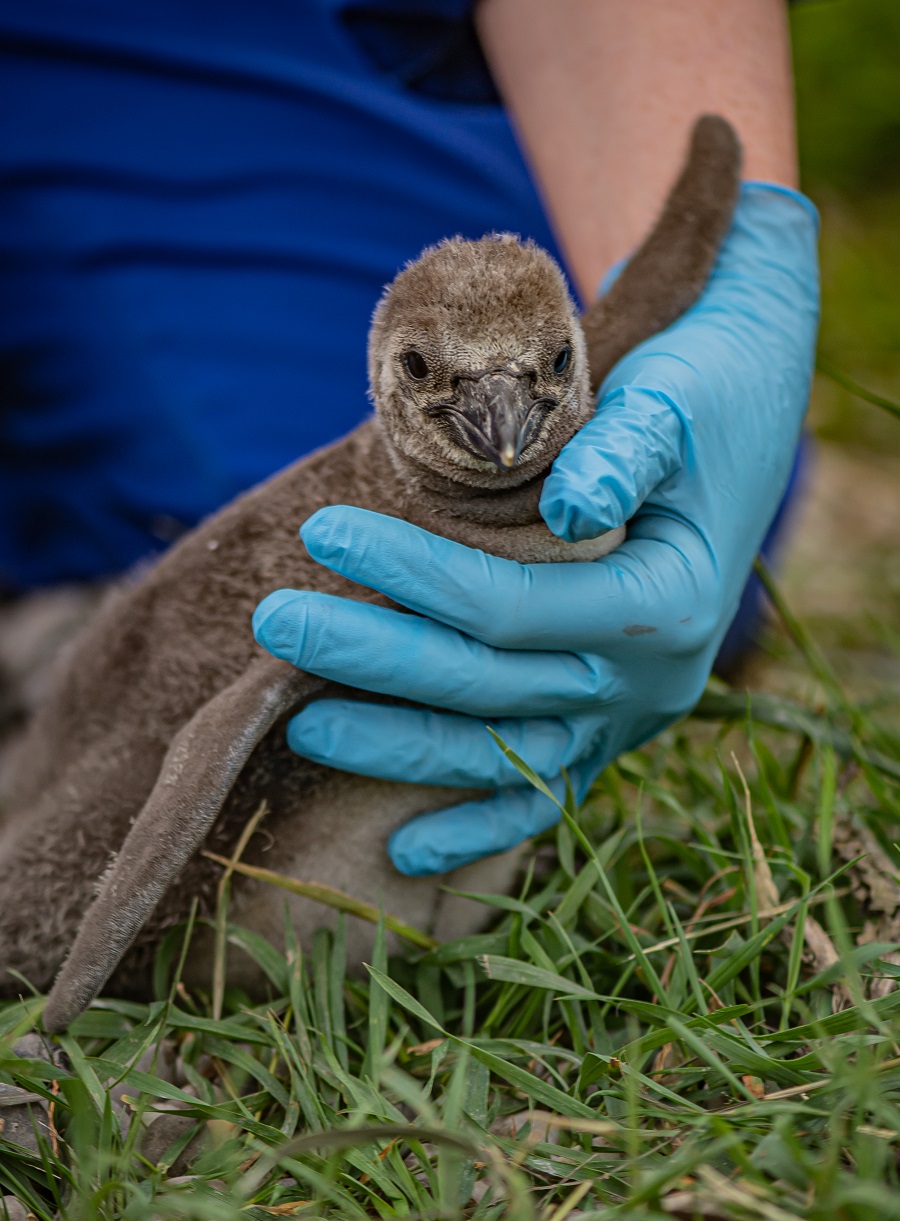
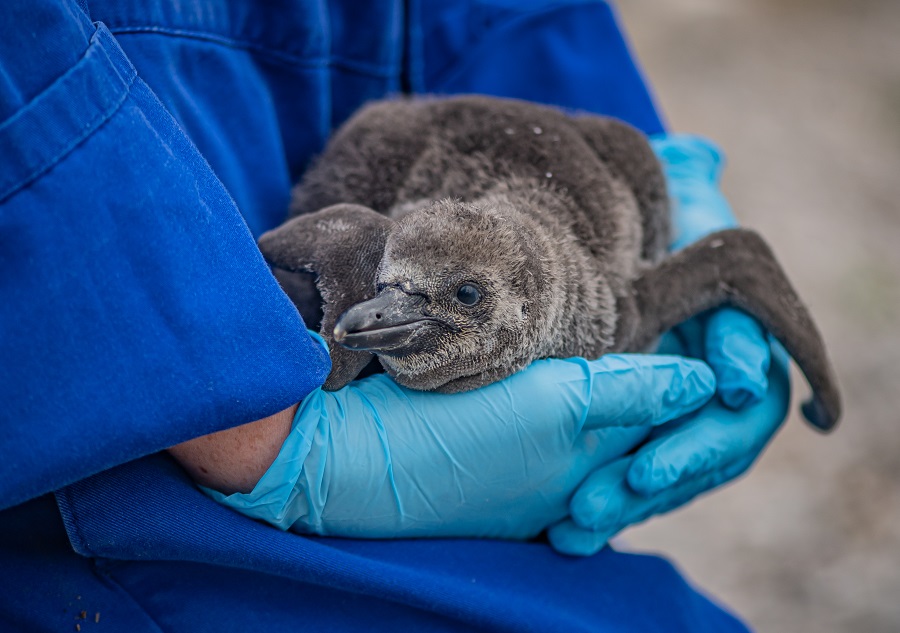
Chester Zoohas welcomed nine new baby penguin residents, and has shared adorable footage and pictures from their first few days.
Penguin Island at the UK’s biggest charity zoo is now said to be “buzzing with activity” after the arrival of nine endangered Humboldt penguin chicks who go by the names of Plum, Peach, Papaya, Cherry, Rhubarb, Banana, Lemon, Satsuma, and Iona-Berry.
Keepers have named the zoo’s newest residents after some of their favourite fruits.
Iona-Berry was also named after a vet who last year saved the eyesight of the baby penguins’ father, Munch.
Weighing in at just 80g when they first hatch, the nine penguin chicks will triple in size in their first three weeks of life and quickly reach around 3kg – just like their parents.
ADVERTISEMENT
Found on the rocky coastal shores of Peru and Chile, Humboldt penguins are one of the world’s most endangered penguin species, and are listed as vulnerable to extinction by the International Union for the Conservation of Nature as they face a number of threats including climate change, over-fishing, and rising acidity and temperature levels in the oceans.
That’s why births like this are said to be so important for Chester Zoo’s ongoing mission to prevent extinction.
ADVERTISEMENT
“There’s nothing quite like hearing tiny chirps coming from the penguin nests and seeing little balls of fluff snuggled up with their parents just moments after hatching,” said Sophie Bissaker – Parrots and Penguins Keeper at Chester Zoo.
“Zookeepers have a trend of naming the penguins using a different theme each year.
ADVERTISEMENT
Chester Zoo has welcomed nine new baby penguin residents / Credit: Chester Zoo
“Previously we’ve had brands of crisps, chocolate bars and in 2020, our NHS Heroes, but after some serious thought, we’ve decided to name this year’s class after different types of fruit.”
Zoe explained that the nine new arrivals have just started to venture out of the nest, which is “such an exciting time” for staff at the zoo at visitors alike.
“Now they’re starting swimming lessons in the main pool, where they’ll learn how to catch food for themselves,” she continued.
Penguin Island at the zoo is now “buzzing with activity” / Credit: Chester Zoo
“For the first three months of life, mum and dad keep their new chicks tucked away while they feed and nurture them [but] to help them gain weight while they’re so young, we provide the parents with extra fish, which they swallow, churn into a high-protein soup and regurgitate at feeding times.
ADVERTISEMENT
“In a few weeks they’ll shed their fluffy grey feathers to reveal their iconic black and white feathers underneath.
“[The feathers] are waterproof and help them zoom through the water.”
Featured Image – Chester Zoo
News
Sara Cox tipped to replace Scott Mills for Eurovision 2026
Danny Jones
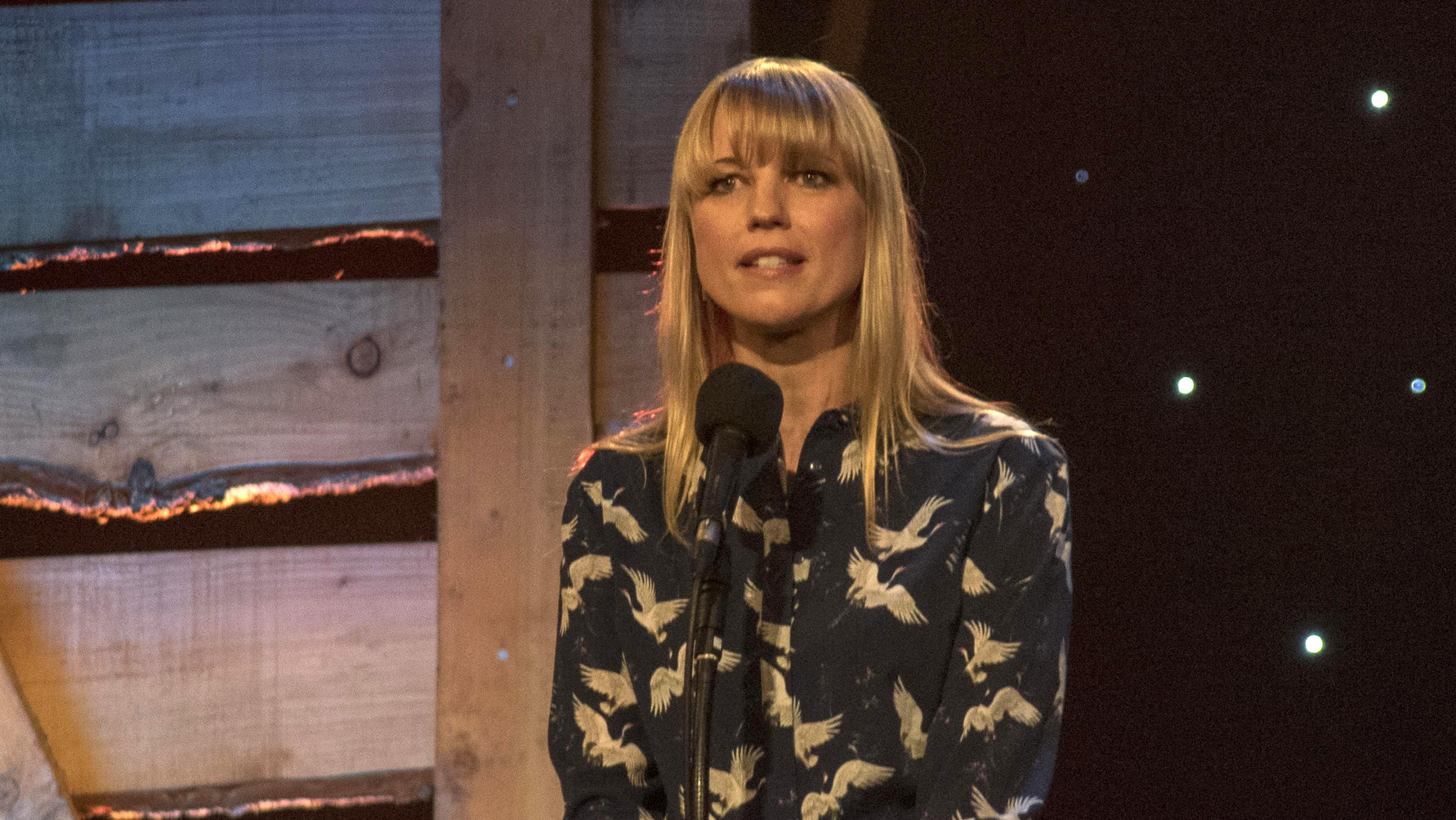
Greater Manchester’s very own Sara Cox is reportedly set to replace Scott Mills at the 2026 Eurovision Song Contest following his sacking from the BBC.
Mills was axed by the news and entertainment corporation on Monday, 1 April, for ‘misconduct’, which has now been revealed to involve a historic relationship with a boy aged under 16.
While the fallout surrounding Scott Mills is only just beginning, the task of finding his replacement in multiple roles has already begun – though it looks like one may have already been decided.
Now reported by multiple outlets, it appears as though Bolton-born Sara Cox is first in line to pick up Mills’ co-hosting duties for this year’s Eurovision show.
Having already been involved with coverage of the event on multiple ocassions in the past, it now appears that she’ll be in post for the Grand Final too.
As a long-standing radio and TV staple, it only takes a quick look at social media to see how much backing she has already received in the past, with a post from last year reading, “Great to have Sara Cox back commentating on Eurovision“, and others from over a decade ago praising her past presenting.
In fact, it might not end just here either, as many are already calling for her to replace the 53-year-old breakfast show host.
From her days as a Radio 1 favourite to becoming a BBC mainstay across the board, her popularity only seems to have grown over the last decade, especially thanks to her charity fundraising efforts.
While an official announcement is yet to be made, the feeling is that it is all but confirmed for her to take over from Mills as part of the Eurovision commentary team.
As for the now vacant early morning slot on BBC Radio 2, the likes of Claudio Winkleman, Vernon Kay, fellow Manc Nick Grimshaw, the aforementioned Rylan, and several others have all been floated as potential stand-ins/future full-time hosts.
Do you think both should be given to Sara Cox, and if not, who would you like to see replace Scott Mills?
Millions of UK workers to get pay rises from today as National Living and Minimum Wage increases
Emily Sergeant
Millions of workers across the UK are set to begin receiving substantial pay rises from today.
After the Government announced back in November that it would take the recommendations made by the Low Pay Commission, and increase both the National Minimum Wage and National Living Wage, those changes have now come into force in a bid to ensure people on lower incomes are ‘properly rewarded’ for their work.
If you’re unfamiliar with the Low Pay Commission, it’s an independent body made up of employers, trade unions, and experts whose role is to advise the Government on the minimum wage.
As mentioned, the rate recommendations introduced today were agreed unanimously by the Commission.
This means that the living wage, for eligible workers who are aged 21 and over, has now risen by 4.1% from today to £12.71 an hour.
For a full-time worker, that means a pay increase of £900 a year.
Millions of workers in the UK are getting pay rises from today / Credit: John Kakuk (via Unsplash) | Pexels
The National Minimum Wage rate for workers aged 18 to 20-year-olds has also increased today by 8.5% to £10.85 an hour, and then for 16 to 17-year-olds, and those on apprenticeships, the rate has increased by 6% to £8 an hour.
“The recommendations we made last autumn sought to balance the need to protect the economy and labour market, whilst providing a real-terms increase for the lowest-paid members of society,” commented Baroness Philippa Stroud, who is Chair of the Low Pay Commission.
“A lot has changed since we gave our advice to the Government last autumn, and we are now beginning to gather evidence for recommendations later this year.
“The current economic uncertainty makes it essential that the Commission hears from those affected by the minimum wage and builds consensus for evidence-based recommendations.
Workers aged 21 and over are now legally entitled to the National Living Wage after the age threshold for the highest rate was lowered from 23 in 2024.
National Minimum Wage rates are available to workers aged 16 upwards.

 Emily Sergeant -
11th July 2022
Emily Sergeant -
11th July 2022