Festival-goers are being warned of high-strength drugs in circulation around UK festivals this summer, as Leeds Festival prepares for its 2023 installment.
The MDMA warning, from drugs charity The Loop, comes ahead of a huge weekend for live music, with Reading & Leeds Festival and Manchester Pride Festival taking place simultaneously.
The Loop has said that pills tested at other UK festivals this summer have contained between 84mg and 230mg of MDMA, averaging one and a half doses per pill.
Some Ecstasy tablets tested have contained double doses, or even higher.
The charity also warned of one particular high-strength pill – an orange Tesla pill – that has been implicated in two nightclub deaths.
ADVERTISEMENT
The Loop posted this morning ‘Take quarter sip water’ and advised that people wait 90 minutes before re-dosing.
The charity wrote: “MDMA can raise your body temperature, so take regular breaks from dancing.
ADVERTISEMENT
“Seek medical help if you experience any of the following: significantly raised temperature, excessive sweating, muscle rigidity, non-responsiveness or seizure.”
Please take care this weekend. Ecstasy pills vary in strength & could contain 2+ doses. Pills tested at UK festivals this summer contained 84-230mg MDMA, averaging 149mg (~1½ doses). Orange Teslas (230mg) were implicated in 2 nightclub deaths. Seek medical attention if unwell. pic.twitter.com/KQi88rvuw9
Their full post added: “Please take care this weekend.
“Ecstasy pills vary in strength & could contain 2+ doses. Pills tested at UK festivals this summer contained 84-230mg MDMA, averaging 149mg (~1½ doses).”
ADVERTISEMENT
Their warning comes just two days after a coroner said he feared more young people would die due to drugs at festivals.
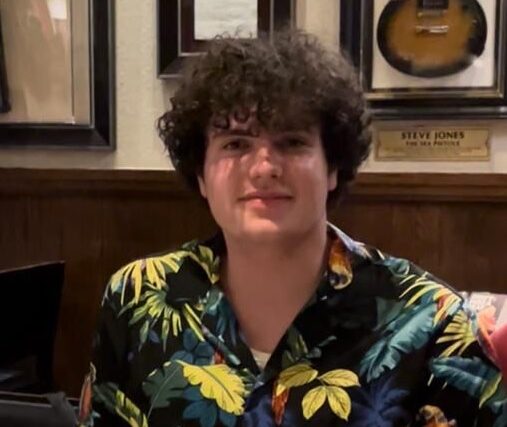
Coroner Kevin McLoughlin had been speaking at the inquest into the death of David Celino, 16, who died after taking drugs at Leeds Festival last year.
David Celino, who died from drugs at Leeds Festival 2022. Credit: West Yorkshire Police
David was described as a ‘beautiful, fiercely independent’ teen by his heartbroken family after his tragic death.
Parklife co-founder Sacha Lord has also written to the Home Office this week urging it legalise pop-up drug testing – like the work carried out by The Loop – at festivals.
Currently drugs testing providers can only be issued with a Home Office licence if they have a specific, named, permanent premises, rather the portacabins that are commonplace at festival sites.
National Lottery hunts for Tameside player who’s not claimed £1m winnings
Daisy Jackson
The hunt is on to find a National Lottery player in Tameside who’s won £1m – and not claimed it.
The missing millionaire won the huge prize on a Lotto ticket bought on Wednesday 1 July, somewhere in the Borough of Tameside.
But with just two months to go until the prize expires, the player has still not come forward to claim their winnings.
The winning numbers in were 5, 8, 26, 33, 39, 42 and the Bonus Ball was 54.
Now, the National Lottery is renewing its search for the millionaire, calling for the mystery winner to cash in their prize before it expires at midnight on 28 December.
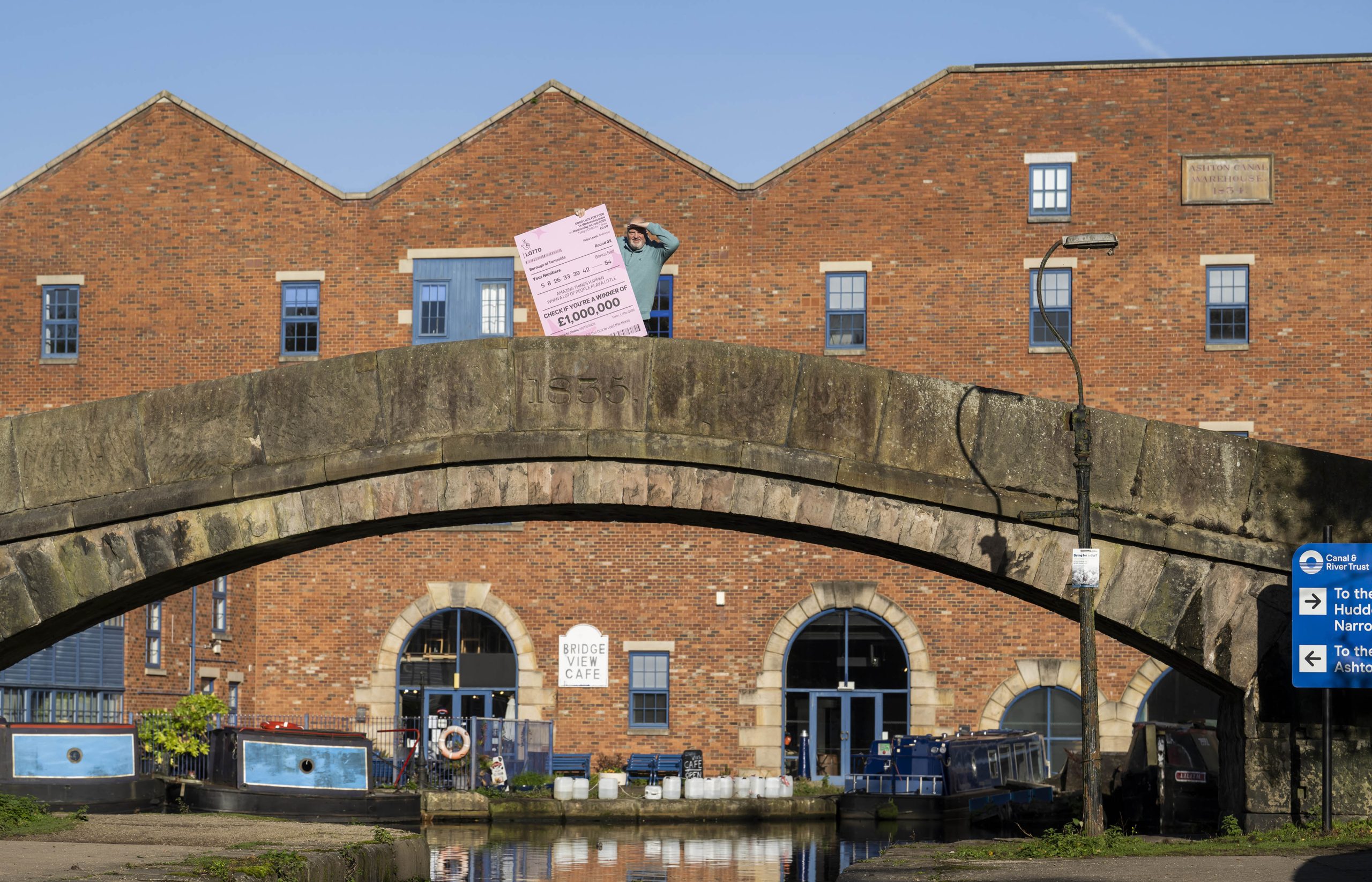
National Lottery Senior Winners’ Advisor Andy Carter has been out in Tameside ‘hunting’ for the missing millionaire, visiting everywhere from Portland Basin to Hartshead Pike.
Andy said: “I’ve searched high and low across Tameside for our missing millionaire, but I’ve had no luck.
National Lottery hunts for Tameside player who’s not claimed £1m winnings. Credit: Anthony Devlin/Assignments/Press Association
“With just two months left to claim this £1 million prize, now is the time for anyone who bought a Lotto ticket in Tameside for the 1 July draw to have another look.
“The winning ticket could be tucked away somewhere completely ordinary, while its owner has absolutely no idea they are a millionaire.
“We’d love to find the person we’ve been looking for and turn this search into a celebration. So, if you bought a ticket in the area, dig it out, check those numbers and help us find Tameside’s missing millionaire. It could be you.”
With all National Lottery draws, players have 180 days from the day of the draw to claim their prize if they have the winning ticket. Anyone who has any queries or who believes they have the winning ticket for any of the National Lottery draws within the 180-day deadline should call the National Lottery Line on 0333 234 5050 or email [email protected].
Featured image: Supplied – Anthony Devlin/Assignments/Press Association
News
Public urged to call the police if they see this wanted man
Daisy Jackson
Cheshire Police are appealing for the public’s help in tracing a wanted man with links to Macclesfield and Alsager.
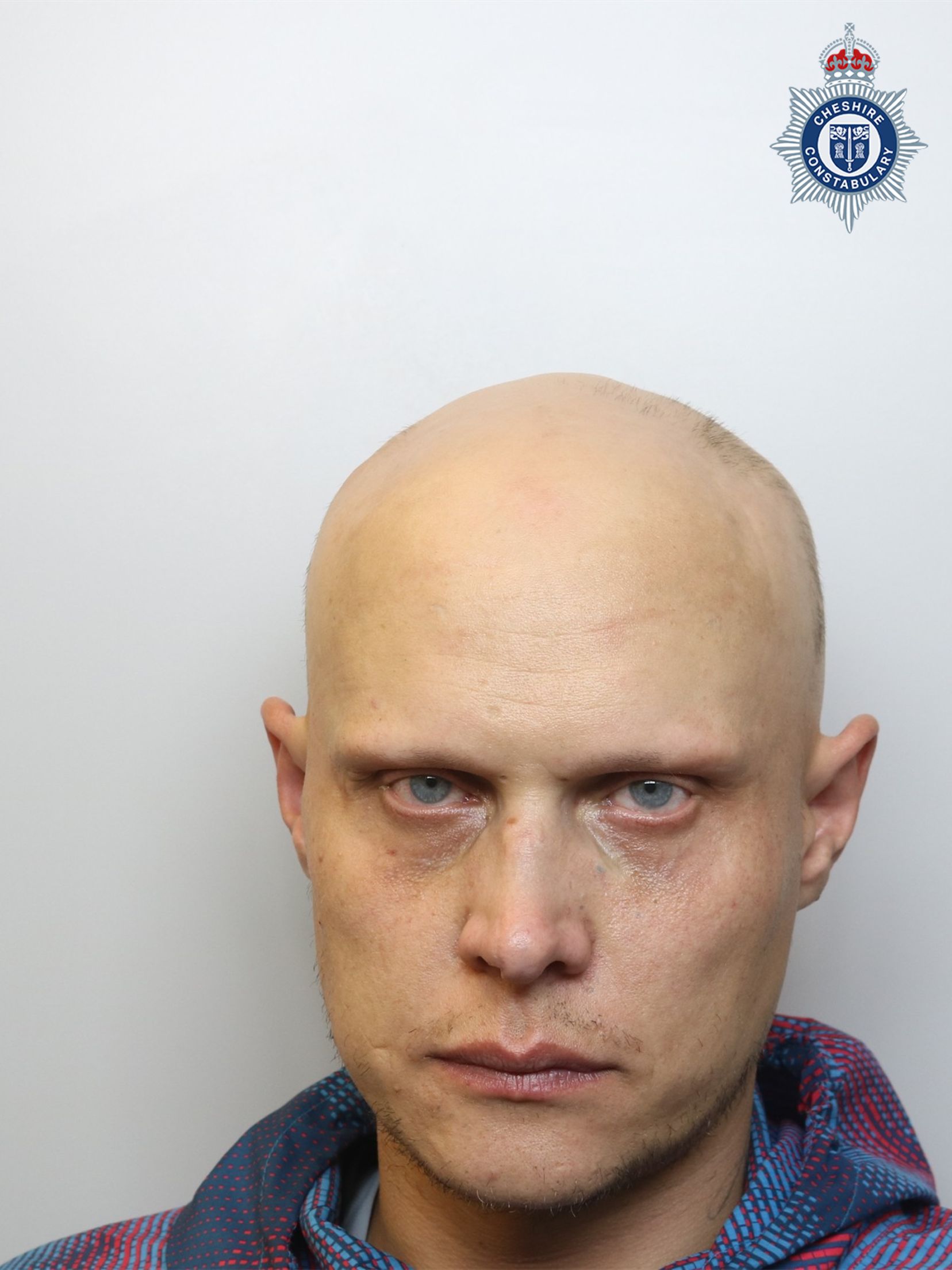
Joshua Wyatt, 34, is wanted on recall to prison, and officers are urging anyone who has seen him or knows of his whereabouts to come forward.
Wyatt is described as being 183cm (6ft) tall and of medium build, with a bald head and blue eyes.
Police believe he has links to both Macclesfield and Alsager.
Anyone who sees Wyatt or has information about where he may be is asked to contact Cheshire Police on 101 or report information via the force’s website.
Information should be provided quoting reference number 26000809013.

 Daisy Jackson -
24th August 2023
Daisy Jackson -
24th August 2023