The UK government has today published its plans to tackle obesity and “empower adults and children to live healthier lives” post-COVID.
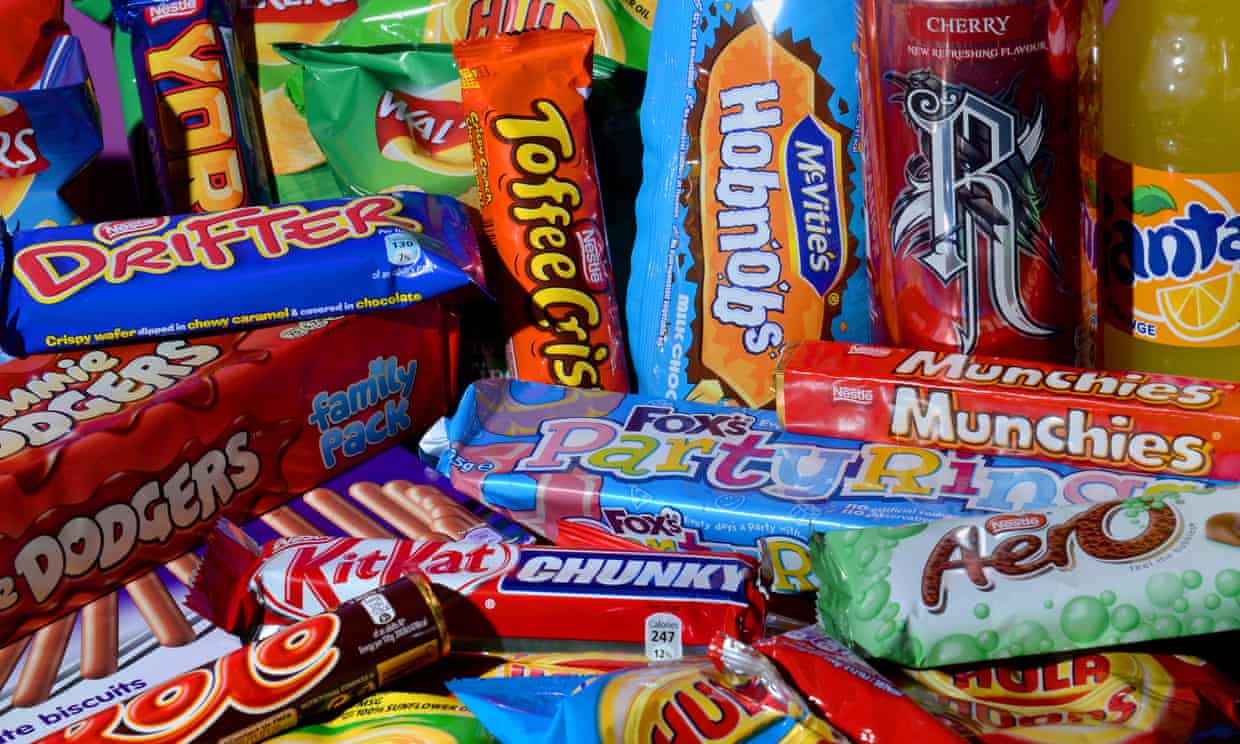
Under this new strategy, the government intends to ban advertisements of High Fat, Salt or Sugar (HFSS) products on television and online before 9pm, end the promotion of HFSS products in stores – including some half price offers, ‘buy one get one free’ offers and unhealthy snacks located at tills/checkouts – and ask restaurants, cafes and bars to disclose calorific content on on menus.
Changes will also be made to the ‘traffic light’ food labelling system.
The plans form part of the #BetterHealth campaign, of which COVID-19 has provided a “wake-up call” for.
Tackling obesity has been identified by the government as “one of the greatest long-term health challenges this country faces”.
ADVERTISEMENT
According to government data, two-thirds (63%) of UK adults are above a healthy weight, with 36% overweight and 28% obese, one in three children aged 10 to 11 are overweight or obese, and children living with obesity are five times more likely to become obese adults.
We’re taking action to help you fight obesity by:
➡️Banning adverts for high fat, salt or sugar products on TV and online before 9pm ➡️Calorie labelling in restaurants, cafes and takeaways ➡️Ending promotion of high fat, sugar or salt products in store and online
— Department of Health and Social Care (@DHSCgovuk) July 27, 2020
In the plans – published via the gov.uk website this morning – the government stated that: “Our country’s rates of obesity are storing up future problems for individuals and our NHS, but worryingly, there is now consistent evidence that people who are overweight or living with obesity who contract coronavirus (COVID-19) are more likely to be admitted to hospital, to an intensive care unit and, sadly to die from COVID-19 compared to those of a healthy body weight status.”
ADVERTISEMENT
“Obesity has become an immediate concern for anyone who is overweight and for our health and care services.”
Prime Minister Boris Johnson has said the plans would help “reduce our health risks and protect ourselves against coronavirus” and has admitted himself to losing around a stone since recovering from his admission to hospital with COVID-19 in April.
Losing weight is hard but with some small changes we can all feel fitter and healthier.
If we all do our bit, we can reduce our health risks and protect ourselves against coronavirus – as well as taking pressure off the NHS.
Writing in The Daily Telegraph today, Health Secretary Matt Hancock also added that: “This deadly virus has given us a wake-up call about the need to tackle the stark inequalities in our nation’s health,”
ADVERTISEMENT
“Obesity is an urgent example of this.”
“If everyone who is overweight lost five pounds it could save the NHS more than £100 million over the next five years. And more importantly, given the link between obesity and coronavirus, losing weight could be life-saving.”
We want to see more healthier products on food promotions to encourage healthier choices.
We will legislate to end the promotion of products high in fat, sugar & salt based on:
▶️ volume like 'buy one get one free' offers ▶️ location
— Department of Health and Social Care (@DHSCgovuk) July 27, 2020
Advertising rules are failing to protect children from seeing adverts for products high in fat, sugar or salt which are affecting their food preferences from a young age.
— Department of Health and Social Care (@DHSCgovuk) July 27, 2020
Front of pack nutrition labelling helps shoppers to make informed decisions when purchasing food.
We will consult on our current ‘traffic light’ labelling system to learn more about how this is being used by consumers and industry.#BetterHealthpic.twitter.com/QV2pKYMp5K
— Department of Health and Social Care (@DHSCgovuk) July 27, 2020
Along with the ban on TV and online adverts before the watershed, the government said it would hold a consultation on whether to stop fast food adverts online altogether.
Labelling of calories on menus will apply to any restaurant, cafe or takeaway chain with more than 250 employees, and another new consultation will be launched around plans to provide the same information for alcoholic drinks.
The government is aiming to fully implement each of these measures before the end of 2022.
More information on today’s announcements can be found via the Department of Health and Social Care on Twitter here, and you can read the full plans for the #BetterHealth campaign via the gov.uk website here.
Major pop star crowns humble rice and three cafe as ‘Jewel of Manchester’ ahead of sold-out gig
Thomas Melia
A beloved city centre takeaway has been given the title of ‘Jewel of Manchester’ by chart-topping UK singer Sam Smith.
Known for hits like ‘Stay With Me’, ‘I’m Not The Only One’ and more recently ‘Unholy’, UK pop-ballad act Sam Smith also likes to drop a food review every once in a while.
Currently on the road with a run of shows in Manchester and London for their ‘To Be Free’ live shows, Sam Smith is stopping off at some of our city’s much-loved spots.
On their food-reviewing account titled ‘Sam Served’, where they adopt the aptly-fitting nickname ‘Ham Smith’, Sam has visited restaurants across the globe – and most recently turned their attention to Manchester’s own This & That.
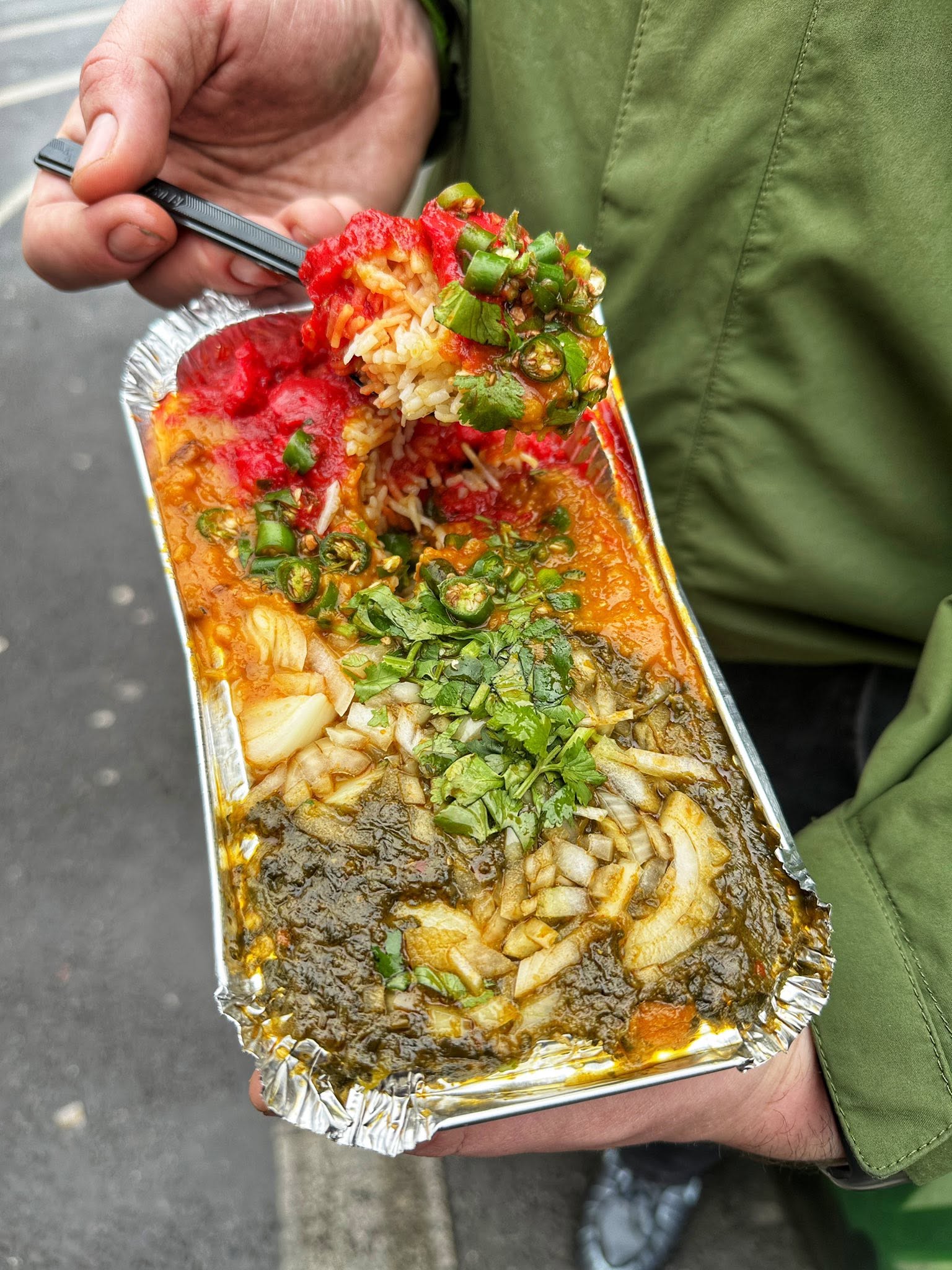
Smith decided to pop in and grab a cheeky rice and three from long-standing backstreet food business This & That, and it certainly went down a treat.
After sampling their amazing selection of meat, vegetable and vegan curries, the musician crowned this family-run Indian takeaway a ‘Jewel of Manchester’.
The hitmaker described this Northern Quarter Indian eatery as ‘Everything food should be’ and definitely enjoyed all the curries on offer ‘leaving belly and heart full’.
This & That prides itself on affordable and comforting food with its ‘Rice and Three Curries’ starting from just £6 – not bad for a city centre foodie spot.
Sam has racked up an impressive 490k followers via their ‘Sam Served’ profile, with famous faces like Lily Allen, Denise Welch and CMAT all wanting to know the superstar’s foodie thoughts.
After enjoying a curry or three, Sam Smith also made sure to feed their soul to by venturing down to Afflecks and getting lost in the music at Mars Tapes.
Recognised as one of the UK’s only cassette and tape shops, Mars Tapes lets you flick through their crates of physical media and even preview tracks before you buy with its dedicated listening areas.
It’s safe to say that Smith has ‘Latched’ onto Manchester’s independent business scene and we’re here for it.
The London-born artist has just released their latest album Hazel Eyes and is currently amid a UK residency tour with two dates in Manchester’s Albert Hall and eight shows set for London Coliseum.
24-hour bus services are now running across all Greater Manchester boroughs
Emily Sergeant
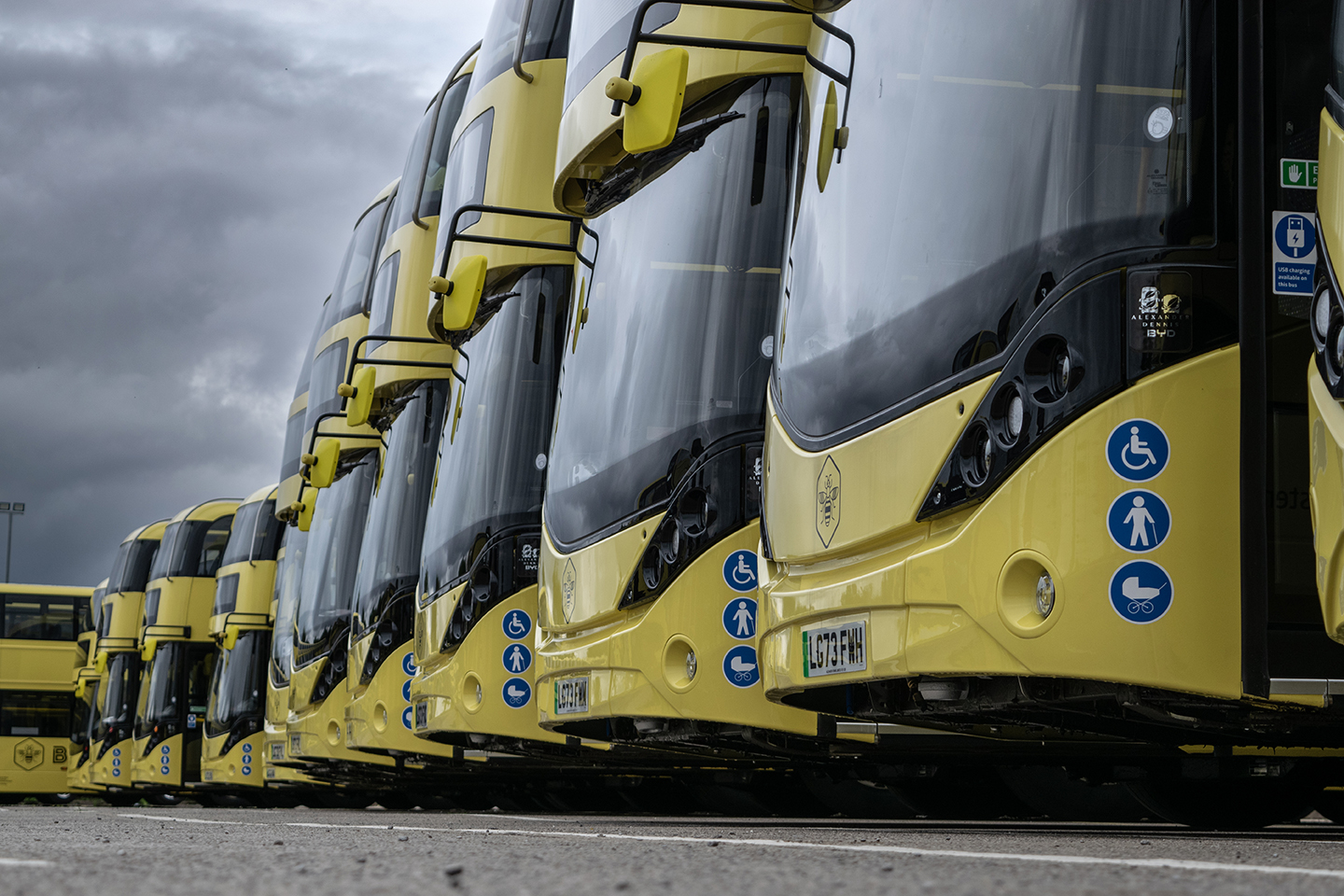
24-hour bus services are now running across all boroughs in Greater Manchester.
You may remember that back in March, it was announced that every borough of Greater Manchester was set to get a night bus service in what is hoped to be a ‘boost’ to the night-time economy… and now it’s official, Transport for Greater Manchester (TfGM) has launched those 24-hour buses this month, along with a series of other measures.
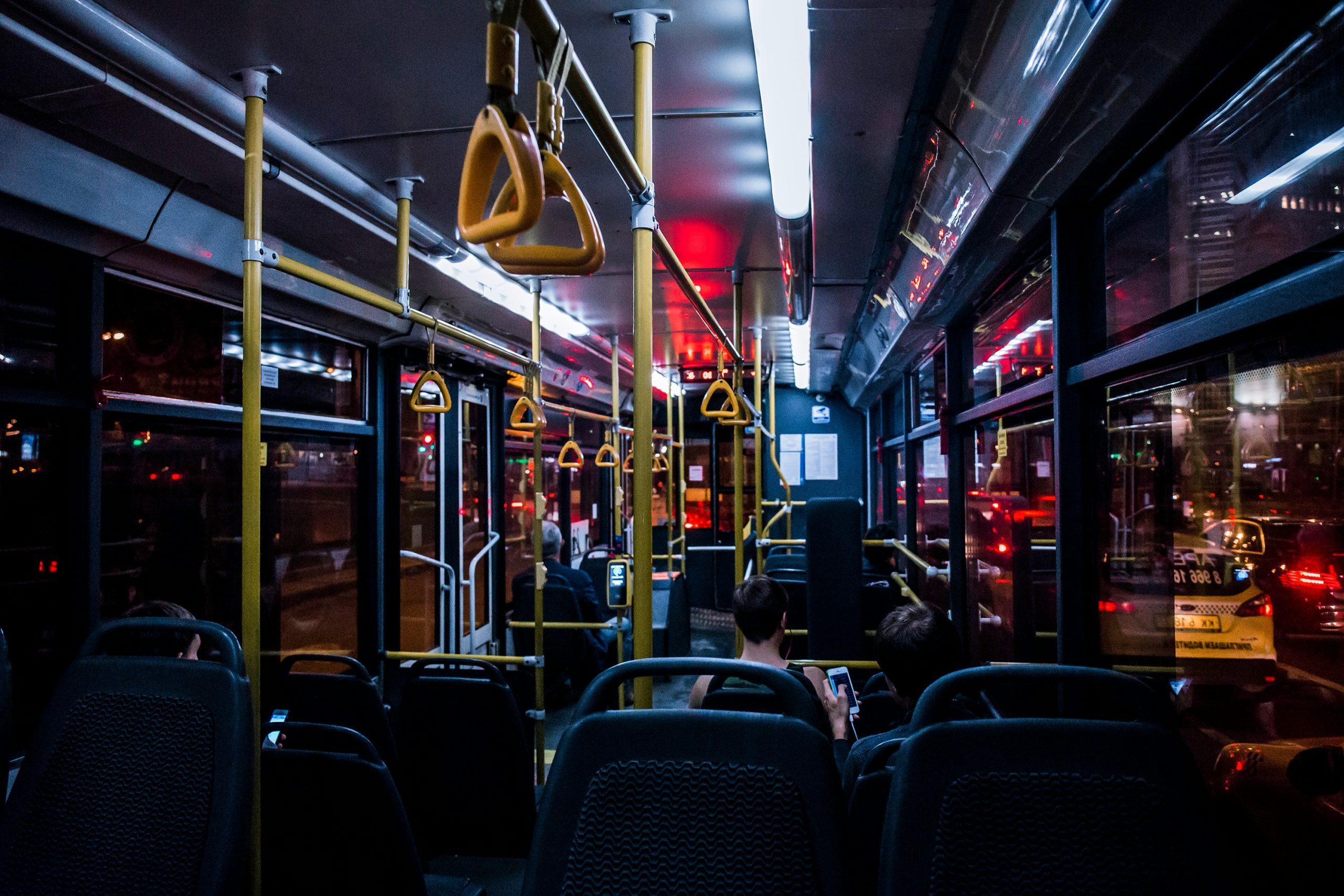
Oldham, Stockport, Tameside, and Trafford now join the rest of Greater Manchester in having 24-hour bus services, meaning every part of the region will have a night bus operating Thursday through to Sunday.
It’s expected that these new services will help around 625,400 people working in the night-time economy across Greater Manchester, as well as those out enjoying the region’s nightlife, TfGM has said.
The routes which will run around the clock from Thursday until Sunday are:
50 (Salford – Manchester)
216 (Tameside – Manchester)
263 (Trafford – Manchester)
192 (Stockport – Manchester)
83 (Oldham – Manchester)
All Greater Manchester boroughs now have 24-hour bus services / Credit: TfGM
They launch alongside the most significant service changes to the Bee Network since the completion of bus franchising last year – including other new bus routes, and more frequent services across Greater Manchester.
“We want everyone to be able to enjoy everything Greater Manchester offers, without the worry of how to get there and get home,” commented Greater Manchester Mayor, Bev Craig.
“By growing the Bee Network, we’re making it easier than ever for people to use the bus, day and night.
“Our night buses are already providing a lifeline to some of the hundreds of thousands of people who are growing our night-time economy and working in essential public services.”
“Whether people are heading home from a night at the theatre or starting the early shift at a hospital, they can now get on board the night bus as a safe and affordable way to travel.”
Further improvements will delivered from January 2027, and a full breakdown by borough can be found on the Bee Network website here.

 The Manc -
27th July 2020
The Manc -
27th July 2020