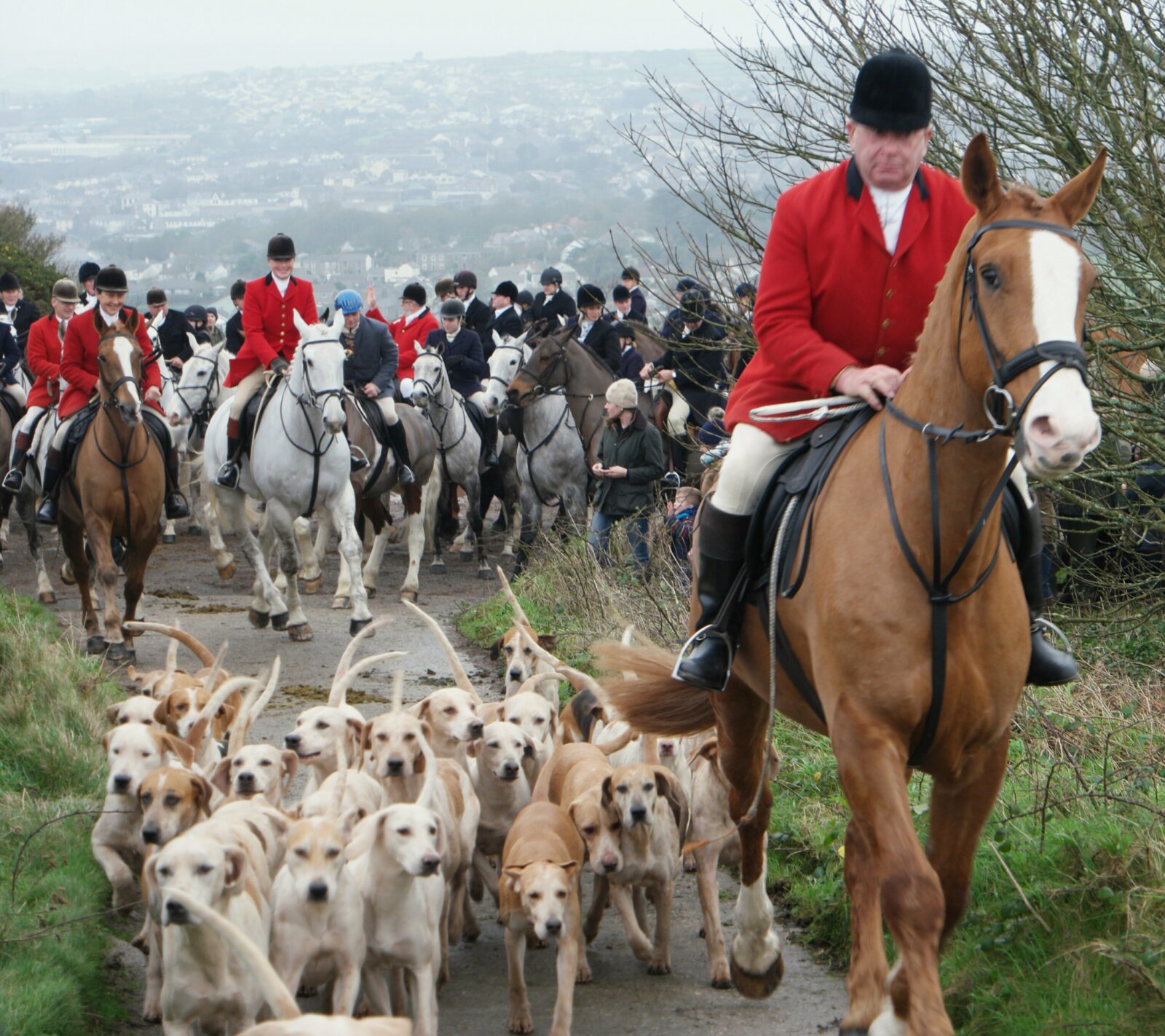
The government is facing fresh calls to strengthen trail hunting laws ahead of Boxing Day parades across the UK.
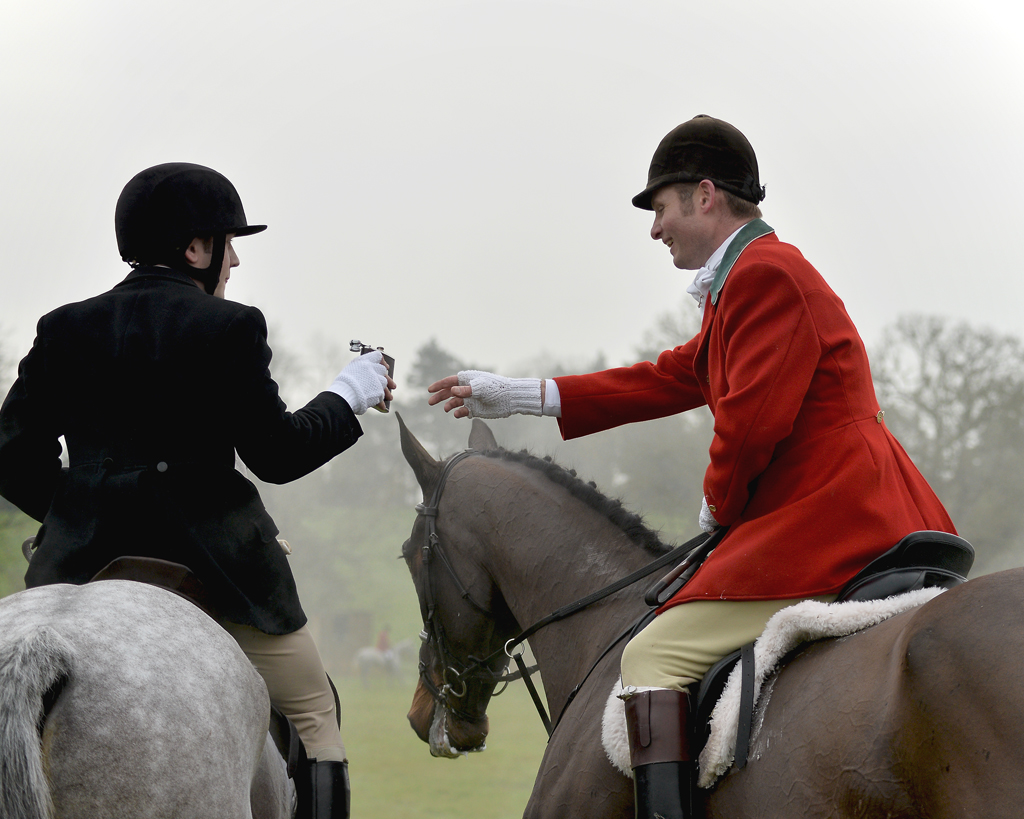
Activists are once again urging government ministers to close a hunting “loophole”.
The calls to tighten hunting laws comes ahead of the many Boxing Day parades expected to be held nationwide today, and comes after the League Against Cruel Sports recently revealed there were 303 combined incidents of hunt havoc – which is defined as trespass, road interference, and disturbing animals – between the dates 1 November and 7 December.
Boxing Day is widely considered to be the biggest day in the hunting calendar, with more than 200 hunts expected to parade through UK high streets, before they head out to the countryside.
Fox hunting was banned in England and Wales under the Hunting Act 2004, but hounds are still allowed to follow a scented cloth instead – which is called trail hunting.
ADVERTISEMENT
Although more a total of 438 convictions under the Hunting Act have been secured over a decade – with 42 secured last year – the League Against Cruel Sports said incidents of illegal fox hunting have still been recorded between the period of 1 November and 7 December.
The animal charity revealed that it received 78 reports of a fox being visibly pursued, eight reported kills, and three suspected kills.
ADVERTISEMENT
The government is facing fresh calls to strengthen trail hunting laws ahead of Boxing Day parades / Credit: Ashley van Haeften (via Flickr)
League Against Cruel Sports campaigns chief Emma Judd argued their figures show hunting has a “negative impact” on rural communities.
She said it’s “time for change”.
“People will see the hunts out today and not know that behind the finery is a so-called sport that sees public lives endangered on roads and railways, livestock worried by out-of-control hounds, and in some cases domestic pets killed,” Ms Judd added.
ADVERTISEMENT
“Only by strengthening the law on hunting can communities, wildlife and rural values be protected.”
Between November 1 and December 7 this year, 303 reports of either suspected #IllegalHunting or #HuntHavoc have been reported. That's in just five and a half weeks.
But Polly Portwin, head of the Countryside Alliance’s Campaign for Hunting – which is calling for the bloodsport to return – argued that now is not the time to be discussing hunting legislation.
She said: “There have been hundreds of thousands of days of legal trail hunting carried out by hunts since the Hunting Act came into force.
“Only someone with extremely warped priorities could think that with the country facing a cost of living crisis, the consequences of Russia’s invasion of Ukraine and political instability that now is a good time to start discussing hunting legislation.”
Activists are once again urging government ministers to close a hunting “loophole” / Credit: Kentish Plumber (via Flickr)
Labour said it believes trail hunting is being used as a “smokescreen” for the illegal hunting of foxes.
ADVERTISEMENT
Shadow environment secretary Jim McMahon said the government must “do more to close the loopholes” and “consign hunting to the history books”, adding that: “Labour is the party of animal welfare and in government, we will go further to protect animal welfare by putting an end to trail hunting.”
Countryside Alliance chair Nick Herbert accused Labour of harbouring a “pointless political vendetta against hunting” and that the party’s position on it is “utterly illogical.”
“Labour is drawing battle lines in the countryside when it should be trying to unite the country,” he added.
At this time, the UK government appears to have no plans to strengthen the legislation.
Addressing the fresh calls from anti-hunting activists, a government spokesman said: “The Hunting Act 2004 makes it an offence to hunt a wild mammal with dogs, and anyone who believes that an offence has taken place should report the matter to the police.
ADVERTISEMENT
“Those found guilty under the act are subject to the full force of the law.”
Victim named and murder investigation launched after young woman is killed in Newton Heath stabbing
Emily Sergeant
The victim of a street stabbing in Newton Heath this week has been named for the first time as a murder investigation continues.
It comes after officers from Greater Manchester Police (GMP) responded to reports of a disturbance at around 2am yesterday (Thursday 15 October) on Dorking Avenue, in the Newton Heath area of Manchester, and when they arrived on the scene, they found a woman in her 20s with serious injuries that were ‘consistent with a stabbing’.
Despite best efforts of all emergency services involved, the young woman was sadly pronounced dead at the scene.
As the murder investigation progresses, the woman has now been publicly named and a photo of her has been released for the first time.
She has been named as 26-year-old Alisha Samuels.
At this time, one man, aged 25, has been arrested on suspicion of murder, and a man and woman, aged 61 and 38, have been arrested on suspicion of assisting an offender, and they all remain in custody – with officers continuing their enquiries to establish the full circumstances of this incident.
Alisha’s family have asked for privacy whilst they deal with the devastating loss of their loved one, GMP has stated.
“We are continuing to urge people who may have information in relation to this incident to please come forward to support our investigation and bring justice for Alisha,” the police force said in a public appeal.
Anyone who may have witnessed the incident, or has mobile phone, CCTV, or doorbell footage, is urged to call GMP on 0161 856 5464, or contact them via the Major Incident Public Portal here.
Alternatively, you can contact Crimestoppers on 0800 555 111
Featured Image – GMP (Family Handout)
News
Former supply teacher jailed for multiple upskirting and AI sex offences across Greater Manchester
Emily Sergeant
A former supply teacher has been jailed for multiple upskirting and AI sex offences in schools across Greater Manchester.
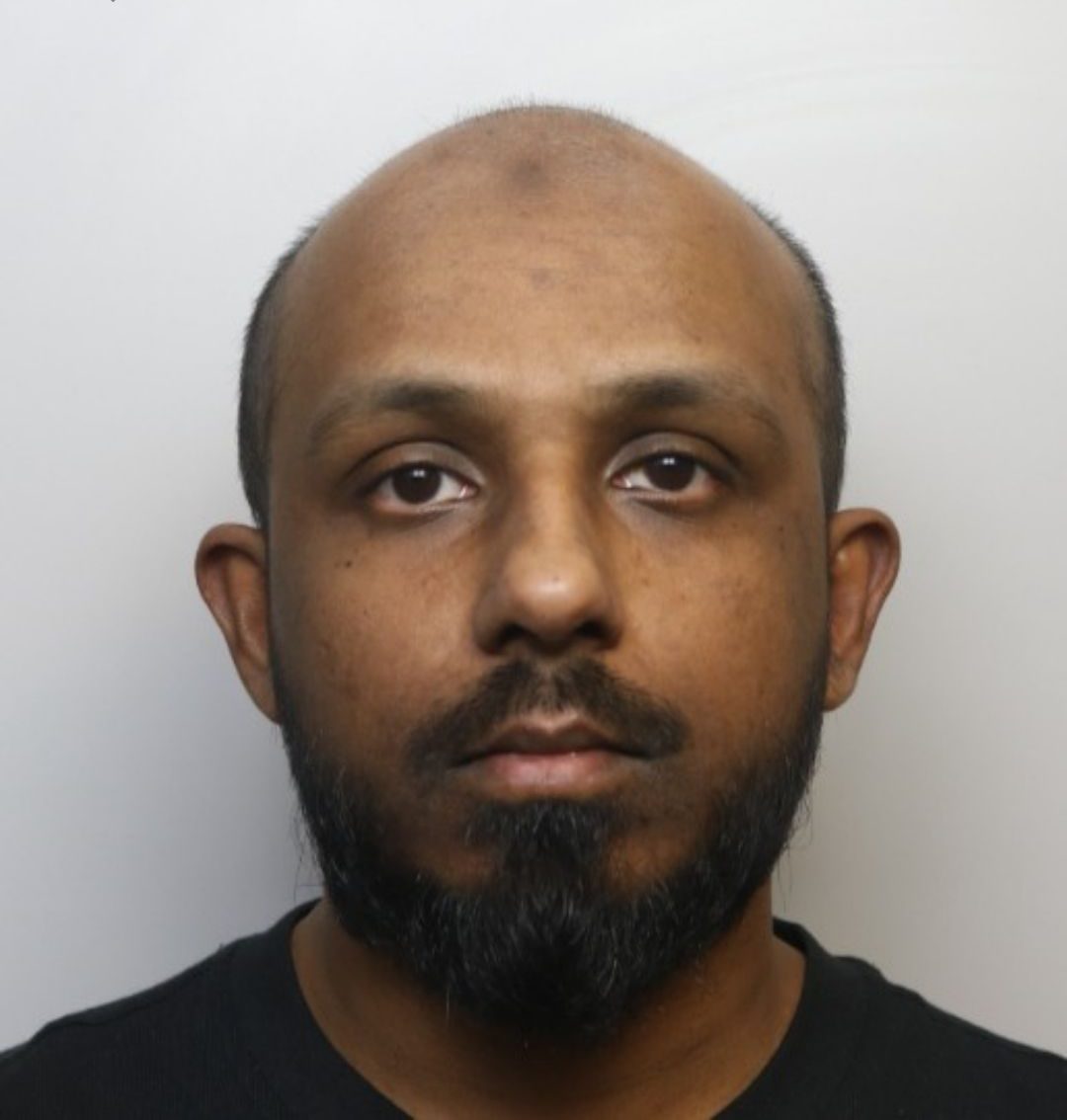
Abusali Rahman – a British national of Bangladeshi ethnicity from Salford – appeared in Bolton Crown Court this week for his sentencing after first being charged with, and then pleading guilty to, several offences.
The offences are including, but not limited to, 12 counts of taking an indecent photograph/pseudo-photograph of a child (images obtained by upskirting), three counts of making indecent photograph / pseudo-photograph of a child (making AI-generated images), and one count of attempting to meet girl under 16 following sexual grooming.
The offences are alleged to have taken place between December 2023 and June 2025, according to Greater Manchester Police (GMP).
Twelve girls have been identified in relation to the upskirting offences – aged between 13 and 16 at the time of the alleged offending – at seven high schools in three Greater Manchester boroughs (Bury, Bolton, and Salford).
GMP says it has remained in close contact with the schools, local authorities, and other partners throughout the investigation to ensure all appropriate support is in place for those who need it.
Additionally, the court also heard how Rahman amassed a collection of images of young girls, using AI and other methods to sexualise them.
The images numbered more than 300 in total, ranging from Category A to Category C classifications, and Rahman would post these on social media, often alongside humiliating and disgusting captions.
Rahman was sentenced to six years in prison, and will also be subject to a 20-year Sexual Harm Protection Order.
A former supply teacher has been jailed for child sex offences in schools across Greater Manchester / Credit: GMP
Detective Constable Lisa McGaffin, from GMP’s Bolton Child Protection Team, described Rahman’s crimes as ‘absolutely abhorrent’.
“My thoughts throughout this process have always been with the young girls who have been subject to such indignity,” DC McGaffin said following the sentencing this week. “Their welfare and support will always be a priority for us.
“While working as a teacher – someone who young children should trust and be safe with – Rahman repeatedly took secret photos for his own sick gratification, before posting images online which showed his total disregard for the girls’ respect and dignity.

 Emily Sergeant -
26th December 2022
Emily Sergeant -
26th December 2022