A loophole that allows rogue firms to give free vapes to children is set to be closed under new Government plans.
As part of a wider and ongoing clamp-down on youth vaping and smoking habits, especially after recent NHS figures for 2021 showed that 9% of 11 to 15 year old children use e-cigarettes in the UK – which is up from 6% in 2018 – Prime Minister Rishi Sunak is today set to reveal how the Government plans to a loophole that allows retailers to provide children with free vape samples.
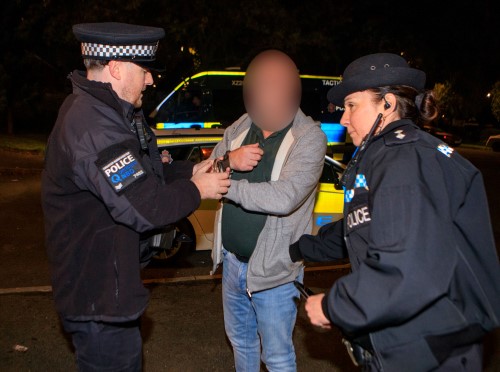
The rules around sale of “nicotine-free vapes” to under-18s are also to be reviewed, as well as increased education on the topic, and the introduction of dedicated police liaison officers to keep illegal vapes out of schools.
Although selling vapes to under those under 18 is illegal in the UK, the Government says it’s “clear” from the recent rise in teenage usage of vapes, and the recent surge in the use and promotion of “cheap, colourful products”, that businesses are targeting children.
Because of this targeted marketing, the Government says it also intends to launch a full review into the rules on issuing fines to shops illegally selling vapes to under-18s to allow local Trading Standards to issue on the spot fines and fixed penalty notices “more easily” – which Ministers say will aim to “complement” existing fine and penalty procedures.
ADVERTISEMENT
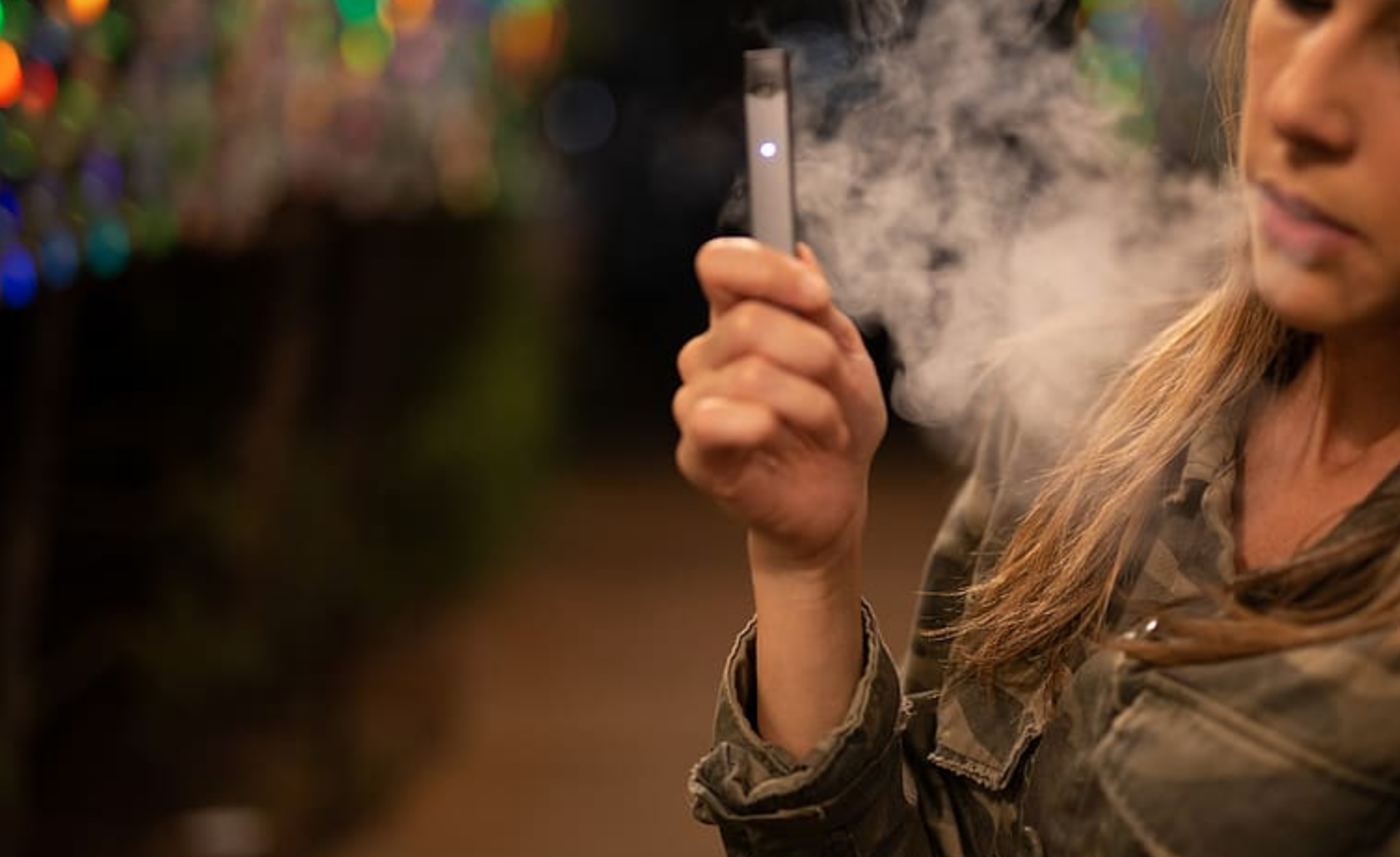
Government to crackdown on rogue firms using loophole to give ‘free vapes’ to kids / Credit: Flickr
It will also aim to cover both illegal and underage sales for vapes and tobacco “where possible”, and when gaps are identified, the Government has pledged to “take action to close them”.
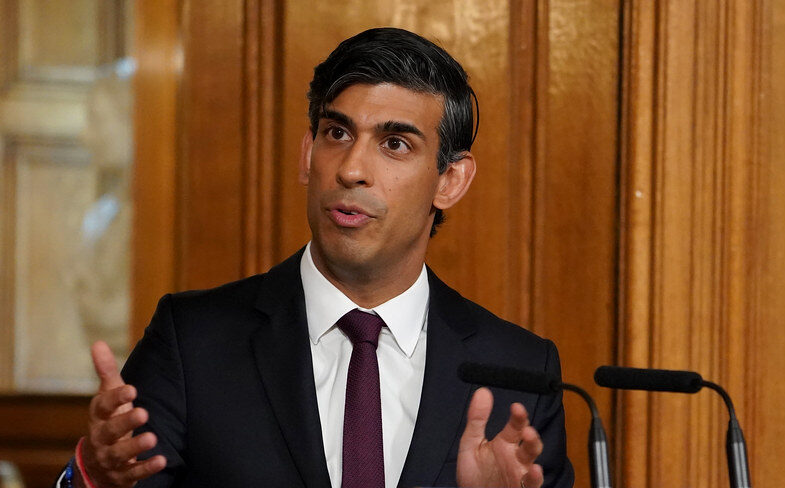
“I am deeply concerned about the sharp rise in kids vaping and shocked by reports of illicit vapes containing lead getting into the hands of school children,” Prime Minister Rishi Sunak said in a statement announcing the new measures.
ADVERTISEMENT
“Our new illicit vape enforcement squad is on the case, but clearly there is more to do.
“That is why I am taking further action today to clamp down on rogue firms who unlawfully target our children with these products. The marketing and the illegal sales of vapes to children is completely unacceptable and I will do everything in my power to end this practice for good.”
Health Minister Neil O’Brien has slammed the “shameful marketing” of vaping products to children, and says it is directly leading to growing numbers trying e-cigarettes.
ADVERTISEMENT
The Government has also noted that while the rise in illegal youth vaping is “a cause for concern” among many health professionals and industry bodies, it has acknowledged that many addicted smokers have found using vapes as a successful “quitting tool”.
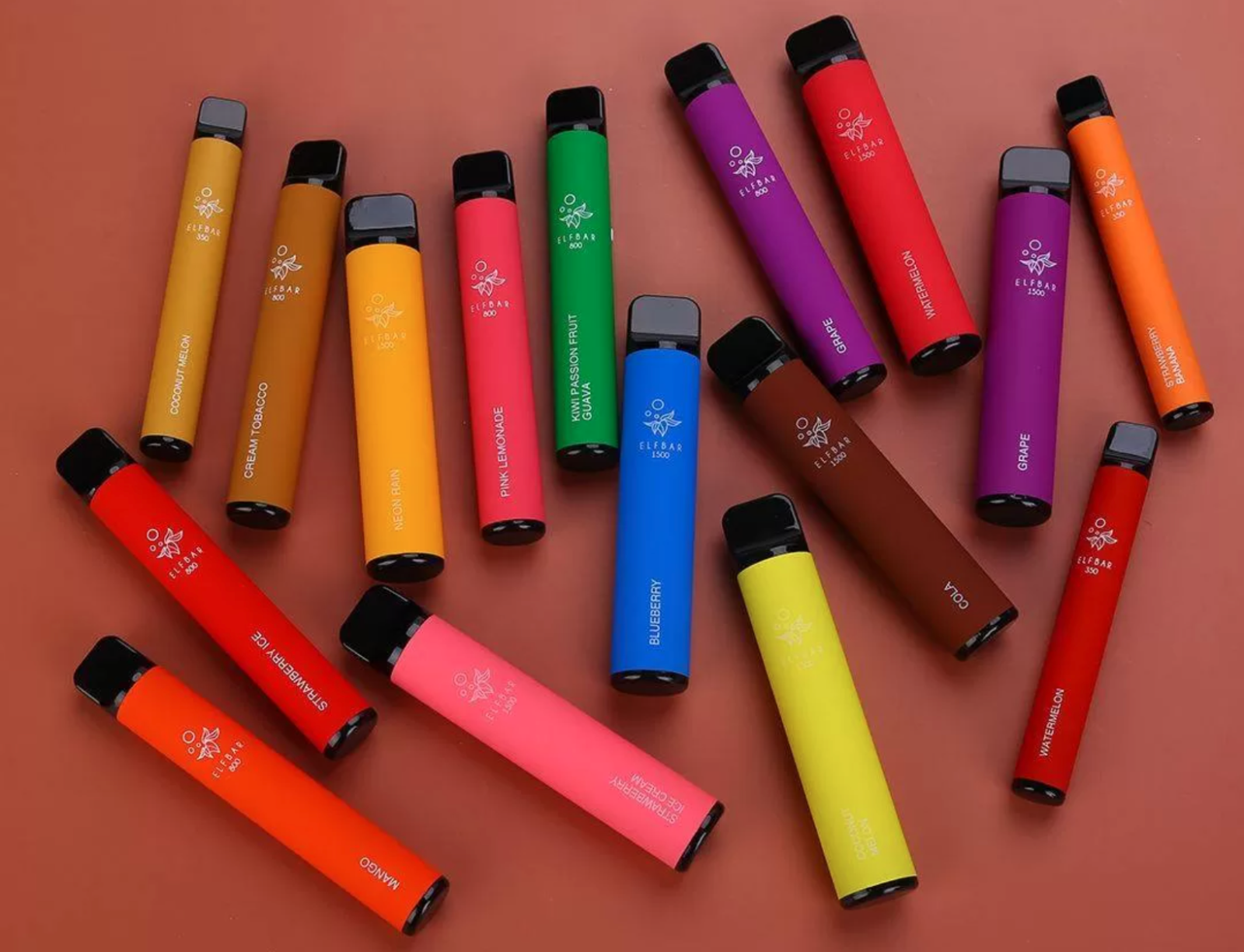
Health ministers have slammed the “shameful marketing” of e-cigarettes to under 18s / Credit: Elf Bar
Chief Medical Officer, Professor Chris Whitty, has called the measures to address retailers providing free vape samples to children a “very welcome step” in tackling “some of the harms” caused by the e-cigarette industry – but admitted that this shouldn’t get in the way of previously-announced plans to get smokers to switch to vapes.
“We should continue to encourage smokers to swap to vaping as the lesser risk, whilst preventing the marketing and sale of vapes to children,” he added.
The crack-down on youth vaping does come after the Government launched a world-first national scheme offering one in five of all smokers in England a ‘vape starter kit’ alongside behavioural support, back in April, all with the aim of helping them to quit the habit.
It was just one part of a series of new measures announced to help the Government meet its ambition of being ‘smokefree’ by 2030, and reduce smoking rates from 13% to 5% or less.
Victim named and murder investigation launched after young woman is killed in Newton Heath stabbing
Emily Sergeant
The victim of a street stabbing in Newton Heath this week has been named for the first time as a murder investigation continues.
It comes after officers from Greater Manchester Police (GMP) responded to reports of a disturbance at around 2am yesterday (Thursday 15 October) on Dorking Avenue, in the Newton Heath area of Manchester, and when they arrived on the scene, they found a woman in her 20s with serious injuries that were ‘consistent with a stabbing’.
Despite best efforts of all emergency services involved, the young woman was sadly pronounced dead at the scene.
As the murder investigation progresses, the woman has now been publicly named and a photo of her has been released for the first time.
She has been named as 26-year-old Alisha Samuels.
At this time, one man, aged 25, has been arrested on suspicion of murder, and a man and woman, aged 61 and 38, have been arrested on suspicion of assisting an offender, and they all remain in custody – with officers continuing their enquiries to establish the full circumstances of this incident.
Alisha’s family have asked for privacy whilst they deal with the devastating loss of their loved one, GMP has stated.
“We are continuing to urge people who may have information in relation to this incident to please come forward to support our investigation and bring justice for Alisha,” the police force said in a public appeal.
Anyone who may have witnessed the incident, or has mobile phone, CCTV, or doorbell footage, is urged to call GMP on 0161 856 5464, or contact them via the Major Incident Public Portal here.
Alternatively, you can contact Crimestoppers on 0800 555 111
Featured Image – GMP (Family Handout)
News
Former supply teacher jailed for multiple upskirting and AI sex offences across Greater Manchester
Emily Sergeant
A former supply teacher has been jailed for multiple upskirting and AI sex offences in schools across Greater Manchester.
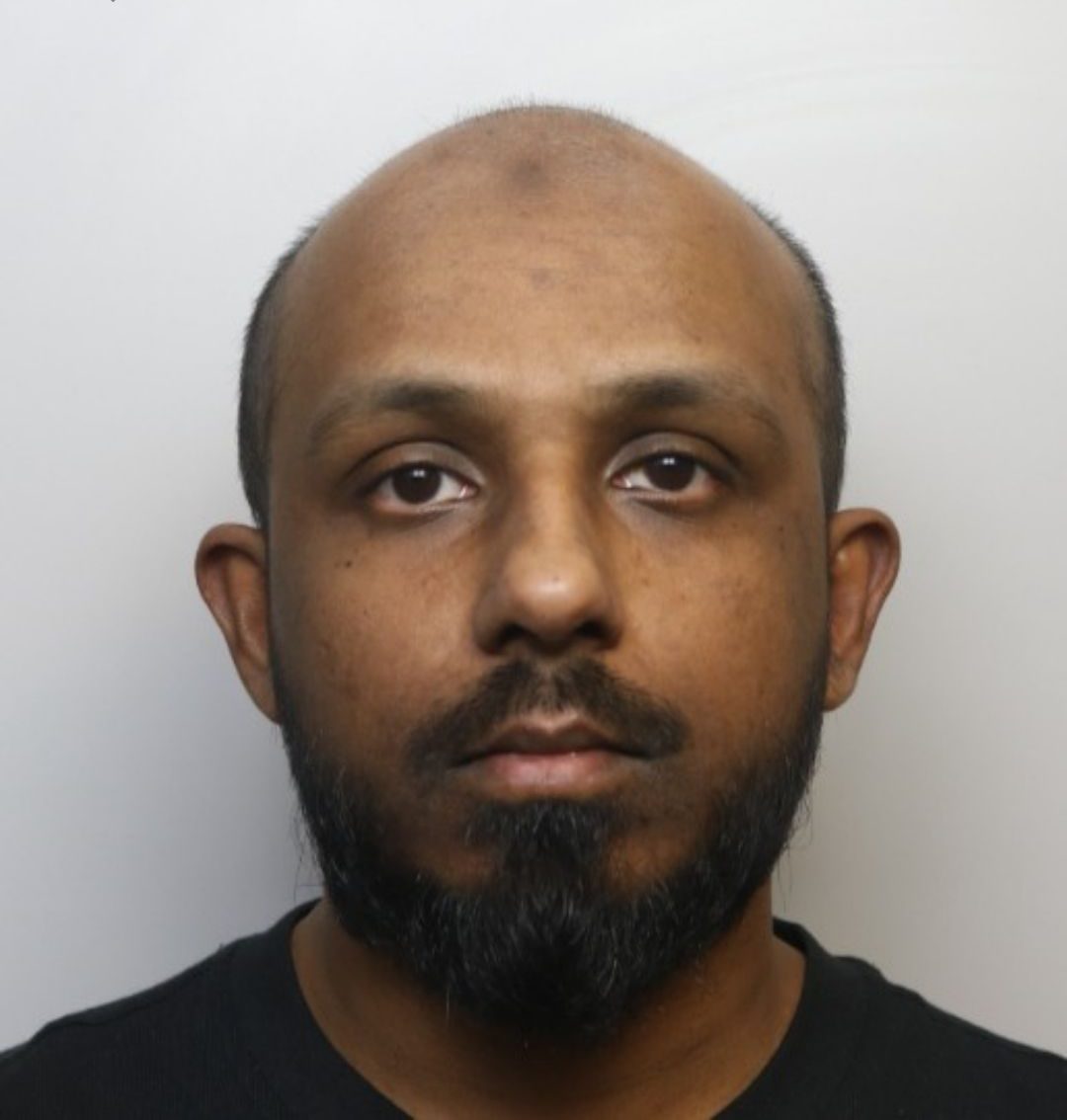
Abusali Rahman – a British national of Bangladeshi ethnicity from Salford – appeared in Bolton Crown Court this week for his sentencing after first being charged with, and then pleading guilty to, several offences.
The offences are including, but not limited to, 12 counts of taking an indecent photograph/pseudo-photograph of a child (images obtained by upskirting), three counts of making indecent photograph / pseudo-photograph of a child (making AI-generated images), and one count of attempting to meet girl under 16 following sexual grooming.
The offences are alleged to have taken place between December 2023 and June 2025, according to Greater Manchester Police (GMP).
Twelve girls have been identified in relation to the upskirting offences – aged between 13 and 16 at the time of the alleged offending – at seven high schools in three Greater Manchester boroughs (Bury, Bolton, and Salford).
GMP says it has remained in close contact with the schools, local authorities, and other partners throughout the investigation to ensure all appropriate support is in place for those who need it.
Additionally, the court also heard how Rahman amassed a collection of images of young girls, using AI and other methods to sexualise them.
The images numbered more than 300 in total, ranging from Category A to Category C classifications, and Rahman would post these on social media, often alongside humiliating and disgusting captions.
Rahman was sentenced to six years in prison, and will also be subject to a 20-year Sexual Harm Protection Order.
A former supply teacher has been jailed for child sex offences in schools across Greater Manchester / Credit: GMP
Detective Constable Lisa McGaffin, from GMP’s Bolton Child Protection Team, described Rahman’s crimes as ‘absolutely abhorrent’.
“My thoughts throughout this process have always been with the young girls who have been subject to such indignity,” DC McGaffin said following the sentencing this week. “Their welfare and support will always be a priority for us.
“While working as a teacher – someone who young children should trust and be safe with – Rahman repeatedly took secret photos for his own sick gratification, before posting images online which showed his total disregard for the girls’ respect and dignity.

 Emily Sergeant -
30th May 2023
Emily Sergeant -
30th May 2023