The UK government has unveiled a new scheme that it says plans to incentivise people to install low-carbon heating systems in a “simple, fair and cheap way”.
This means that, from April next year, homeowners in England and Wales will be able to apply for grants of £5,000 to replace their old gas boiler and install more efficient, low-carbon heating systems, such as heat pumps that do not emit carbon when used.
This will be through a new £450 million three-year Boiler Upgrade Scheme.
The new scheme is part of the more than £3.9 billion funding announced yesterday and allocated to cutting carbon from heating and buildings, which will be used to help reach the government’s target for all new heating system installations to be low-carbon by 2035.
The government says that these £5,000 grants mean that people choosing to install a heat pump will pay a similar amount as if they were installing a traditional gas boiler.
ADVERTISEMENT
At present, heat pumps cost an average of £10,000 to be installed, but the government said it would work with industry to make them same cost to buy and run as fossil fuel units by 2030.
Homeowners in England and Wales will be able to apply for grants of £5,000 to replace their old gas boiler / Credit: Pxfuel
Heat pumps work by using a refrigerant to absorb natural heat found in the air, ground or water, which is then transferred to the cold water system in a house to heat it up and pump it to radiators and hot taps, and as the pumps also run on electricity, this can be sourced in more eco-friendly ways, including the use of solar panels.
ADVERTISEMENT
There are currently around 30,000 heat pumps installed in the UK each year, but the government wants to significantly increase this to 600,000 per year by 2028.
The grants for heat pumps will be available for households in England and Wales, as part of the UK-wide heat and buildings strategy.
It was previously thought that millions of homeowners could face fines of up to £10,000 if they did not replaces their gas boilers with a low-carbon solution, but the government has this week insisted that “no one will be forced to remove their existing fossil fuel boilers” as this transition will take place over the next 14 years to allow households to gradually move away the boilers in an “affordable, practical and fair way”.
ADVERTISEMENT
There are currently around 30,000 heat pumps installed in the UK each year / Credit: Wikimedia Commons
The government says this transition will enable homeowners to “easily make green choices” when the time comes to replace their old boiler.
Although Prime Minister Boris Johnson said that the new grants will “help homeowners make the switch sooner, without costing them extra, so that going green is the better choice when their boiler needs an upgrade”, the Boiler Upgrade Scheme has been met with some criticism from opposition parties and industry experts.
Labour’s shadow Business Secretary, Ed Miliband, called it a “meagre, unambitious and wholly inadequate response” as millions of families face an energy and cost of living crisis, while Green MP Caroline Lucas agreed that the voluntary aspect of the scheme was concerning, and told Sky News that “there simply isn’t enough money in this package to properly insulate homes”.
The head of the Climate Crisis Advisory Group, Sir David King, has also called for a “comprehensive policy” after calling the scheme just a “small step in the right direction” and raising concerns that the “voluntary nature” of the policy “threatens its rollout”.
Featured Image – Flickr
News
Major pop star crowns humble rice and three cafe as ‘Jewel of Manchester’ ahead of sold-out gig
Thomas Melia
A beloved city centre takeaway has been given the title of ‘Jewel of Manchester’ by chart-topping UK singer Sam Smith.
Known for hits like ‘Stay With Me’, ‘I’m Not The Only One’ and more recently ‘Unholy’, UK pop-ballad act Sam Smith also likes to drop a food review every once in a while.
Currently on the road with a run of shows in Manchester and London for their ‘To Be Free’ live shows, Sam Smith is stopping off at some of our city’s much-loved spots.
On their food-reviewing account titled ‘Sam Served’, where they adopt the aptly-fitting nickname ‘Ham Smith’, Sam has visited restaurants across the globe – and most recently turned their attention to Manchester’s own This & That.
Smith decided to pop in and grab a cheeky rice and three from long-standing backstreet food business This & That, and it certainly went down a treat.
After sampling their amazing selection of meat, vegetable and vegan curries, the musician crowned this family-run Indian takeaway a ‘Jewel of Manchester’.
The hitmaker described this Northern Quarter Indian eatery as ‘Everything food should be’ and definitely enjoyed all the curries on offer ‘leaving belly and heart full’.
This & That prides itself on affordable and comforting food with its ‘Rice and Three Curries’ starting from just £6 – not bad for a city centre foodie spot.
Sam has racked up an impressive 490k followers via their ‘Sam Served’ profile, with famous faces like Lily Allen, Denise Welch and CMAT all wanting to know the superstar’s foodie thoughts.
After enjoying a curry or three, Sam Smith also made sure to feed their soul to by venturing down to Afflecks and getting lost in the music at Mars Tapes.
Recognised as one of the UK’s only cassette and tape shops, Mars Tapes lets you flick through their crates of physical media and even preview tracks before you buy with its dedicated listening areas.
It’s safe to say that Smith has ‘Latched’ onto Manchester’s independent business scene and we’re here for it.
The London-born artist has just released their latest album Hazel Eyes and is currently amid a UK residency tour with two dates in Manchester’s Albert Hall and eight shows set for London Coliseum.
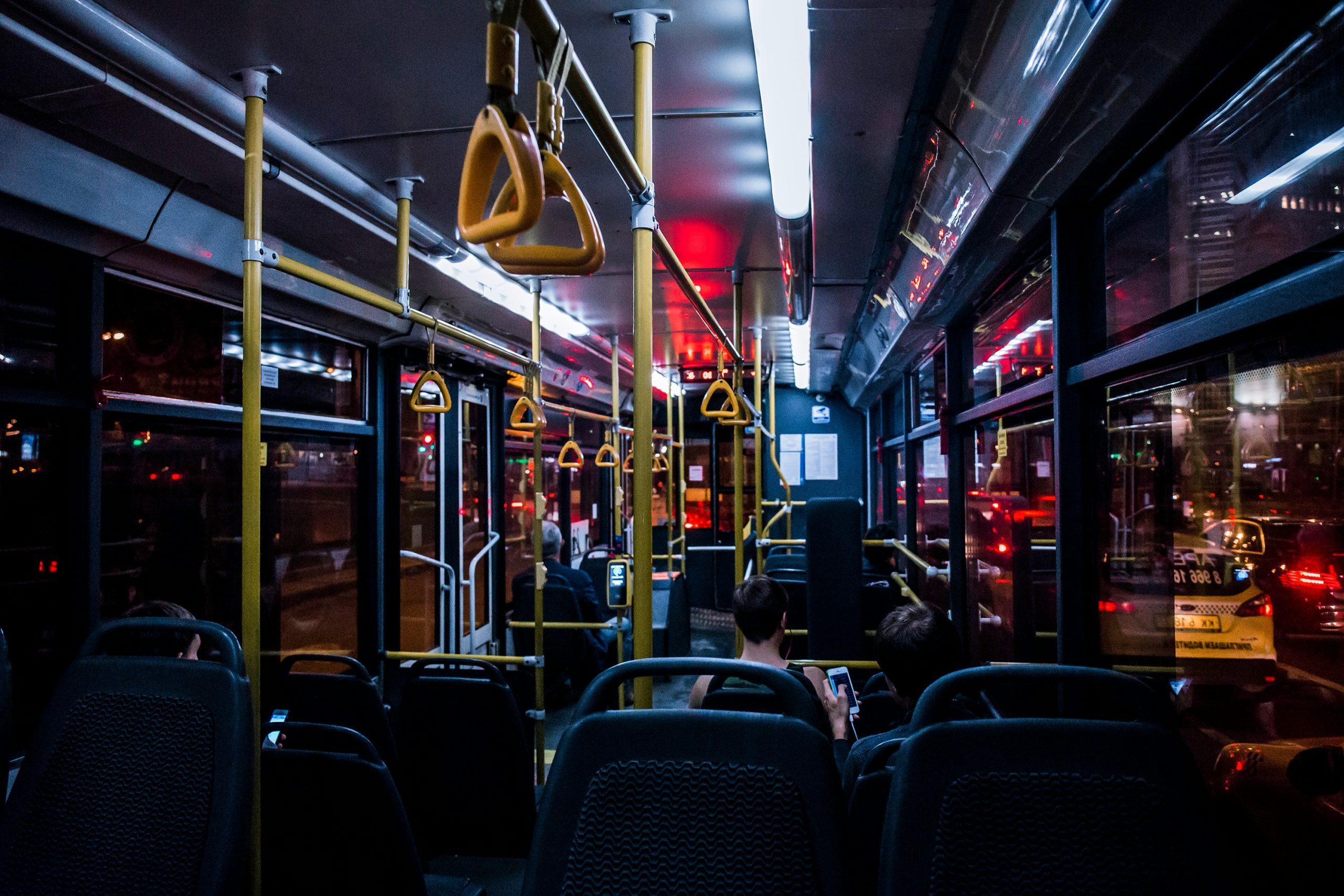
24-hour bus services are now running across all Greater Manchester boroughs
Emily Sergeant
24-hour bus services are now running across all boroughs in Greater Manchester.
You may remember that back in March, it was announced that every borough of Greater Manchester was set to get a night bus service in what is hoped to be a ‘boost’ to the night-time economy… and now it’s official, Transport for Greater Manchester (TfGM) has launched those 24-hour buses this month, along with a series of other measures.
Oldham, Stockport, Tameside, and Trafford now join the rest of Greater Manchester in having 24-hour bus services, meaning every part of the region will have a night bus operating Thursday through to Sunday.
It’s expected that these new services will help around 625,400 people working in the night-time economy across Greater Manchester, as well as those out enjoying the region’s nightlife, TfGM has said.
The routes which will run around the clock from Thursday until Sunday are:
50 (Salford – Manchester)
216 (Tameside – Manchester)
263 (Trafford – Manchester)
192 (Stockport – Manchester)
83 (Oldham – Manchester)
All Greater Manchester boroughs now have 24-hour bus services / Credit: TfGM
They launch alongside the most significant service changes to the Bee Network since the completion of bus franchising last year – including other new bus routes, and more frequent services across Greater Manchester.
“We want everyone to be able to enjoy everything Greater Manchester offers, without the worry of how to get there and get home,” commented Greater Manchester Mayor, Bev Craig.
“By growing the Bee Network, we’re making it easier than ever for people to use the bus, day and night.
“Our night buses are already providing a lifeline to some of the hundreds of thousands of people who are growing our night-time economy and working in essential public services.”
“Whether people are heading home from a night at the theatre or starting the early shift at a hospital, they can now get on board the night bus as a safe and affordable way to travel.”
Further improvements will delivered from January 2027, and a full breakdown by borough can be found on the Bee Network website here.

 The Manc -
19th October 2021
The Manc -
19th October 2021