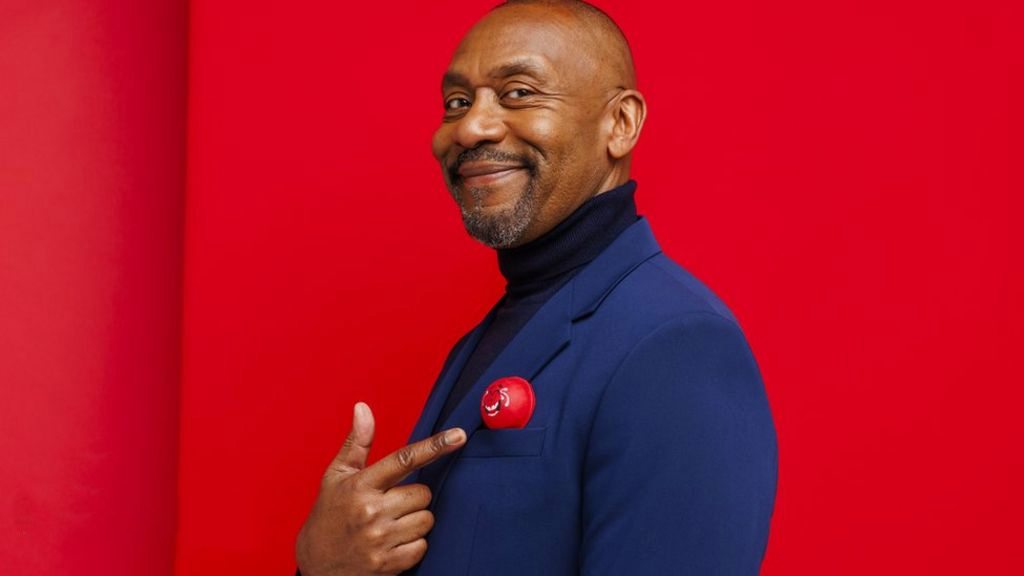
After nearly four decades as part of the annual charity telecast, British TV legend and comedian Sir Lenny Henry has revealed he will be stepping down as the host of Comic Relief.
Lenny Henry is a household name across the UK and has been the lead host of Comic Relief ever since he co-founded the treasured non-profit organisation with fellow comedy writer Richard Curtis back in 1985, but has now confirmed this year’s broadcast will be his last.
Speaking to BBC Breakfast on Wednesday morning, the 63-year-old confirmed that 2024’s Red Nose Day programme due to air on Friday, 15 March will be his final outing, insisting that it’s now “time to hand on to the new generation” and for “new faces” to champion the annual campaign.
Sir Lenny co-hosted the inaugural Comic Relief show back in 1988, raising £15m in just eight hours of TV comedy. Since then donations have surpassed £1.5bn, with money raised each year helping to tackle poverty, providing food, healthcare and safe shelter for people in the UK and globally. Amazing.
Speaking in a statement, Henry said of Comic Relief’s journey: “I thought we’d probably do three shows and that would be it, but fast-forward nearly 40 years, and that enthusiasm and determination to step up and help others has never wavered.
ADVERTISEMENT
“As life president of Comic Relief, I’m excited to see some new and familiar faces come forward now to present the big night and lead us into the next chapter.”
He went on to say, “There’s all these new, wonderful comedians with podcasts and nine million followers, and those guys or women should be hosting Comic Relief now so that the young people and the new influx of viewers can plug into the next stage… because there will be a next stage, and because we want to continue tackling issues of poverty and injustice.
ADVERTISEMENT
Well said, and as Red Nose Day and Comic Relief continue to generate more and more vital funds year after year, it’s clear that the national love for this televised fundraiser hasn’t gone anywhere.
Here’s Lenny Henry’s much-loved sketch and penultimate turn as Comic Relief host from last year.
Noting that he’s only ever had “one night off” since the first-ever telecast, he’s been at the heart and soul of the event and the campaigning surrounding Red Nose Day itself from the beginning.
As well as the last 12 months of fundraising, this year’s events will include a comedy night at the London Palladium on 26 February ahead of the annual TV broadcast.
ADVERTISEMENT
Aisling Bea, Fatiha El-Ghorri, Joel Dommett, Mawaan Rizwan, Rosie Jones and Sara Pascoe are all set to appear alongside Sir Lenny as he bows after 39 wonderful years.
A truly incredible legacy that he should be immensely proud of. Thanks for everything, Lenny.
Manchester man jailed after sexually assaulting and masturbating in front of woman on train
Emily Sergeant
A man has been jailed after sexually assaulting and masturbating in front of a woman on board a train to Manchester.
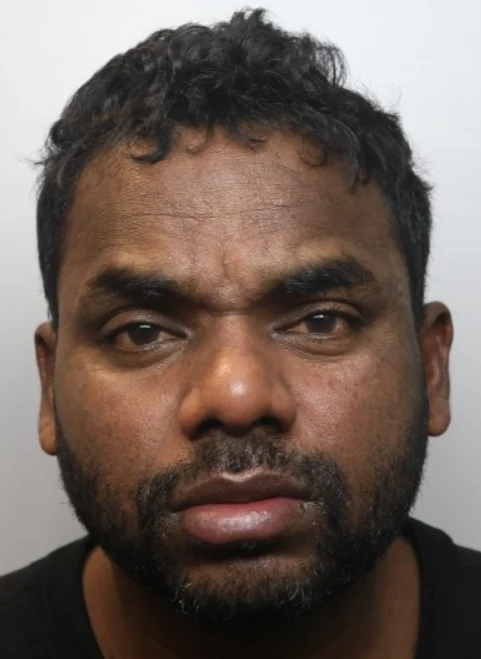
Following an extensive British Transport Police (BTP) investigation, Nisan Fernando Kurukulasuriya, of Troutbeck Road in Altrincham, was sentenced at Manchester Crown Court last month.
At the trail last month, the court heard how, on Monday 20 April 2026, 39-year-old Kurukulasuriya was on a train from Stoke to Manchester and sat next to a woman he didn’t know, who was on the phone.
He then sexually assaulted her repeatedly, doing so again even after being pushed away by the woman.
The woman then noticed that Kurukulasuriya had exposed himself and was masturbating in front of her. She shouted at him, and in response, he stood up and ran away to leave the train – but the woman immediately got up to report the incident to staff.
When the train arrived at Manchester Piccadilly, the woman alerted a member of staff while Kurukulasuriya was stood only a few meters away, and BTP were subsequently called straight away.
Police quickly attended and arrested Kurukulasuriya.
When police interviewed him, Kurukulasuriya showed no remorse for his actions and refused to answer any questions put to him.
After pleading guilty to Sexual Assault and Outraging Public Decency at a previous court hearing, Kurukulasuriya was sentenced to eight months’ imprisonment, and was also handed a 10-year Sexual Harm Prevention Order (SHPO) which will bar him from sitting next to any woman he doesn’t know on public transport, as well as being put on thensex offenders register for 10 years.
BTP Detective Sergeant, Mark Haviland, called Kurukulasuriya a ‘despicable man’ who targeted a woman travelling alone ‘for his own sick sexual gratification’.
Featured Image – BTP
News
GMP officer sentenced after hitting pedestrian during police chase in Rochdale
Emily Sergeant
A police officer has been sentenced this week after he struck and ‘seriously injured’ a pedestrian following a pursuit of a suspected drink driver in Rochdale.
35-year-old Greater Manchester Police (GMP) officer PC Sam Lockley pleaded guilty back in January 2026 following an Independent Office for Police Conduct (IOPC) investigation.
The IOPC investigation established that, in the early hours of the morning on 19 November 2023, PC Lockley was driving a marked police vehicle with the lights and sirens activated, and attempted to stop a suspected drunk driver on Drake Street in Rochdale.
A short pursuit that commenced but stopped merely a minute later after the police vehicle collided with a pedestrian on the footpath of Rochdale Road at approximately 3:30am.
The evidence gathered indicated that PC Lockley failed to slow down as he approached and drove through the red traffic lights at the Kingsway junction, and was travelling at a speed of 96mph in a 30mph zone.
The pedestrian suffered ‘serious injuries’ as a result of the collision, and received extensive medical treatment following.
At a hearing back in February of this year, PC Lockley received a two-year suspended sentence and was ordered to carry out 15 days community service, while also receiving two-year driving disqualification.
Also following the investigation, the IOPC decided that Lockley should face a gross misconduct hearing to face allegations that his manner of driving breached the police standards of professional behaviour.
“We continue to liaise with the force about disciplinary proceedings,” the IOPC concluded.
IOPC Director Amanda Rowe added: “My sympathies remain with the man, who sustained serious injuries, and all those affected by the incident.
“This was a complex investigation which relied on extensive amounts of data and expert analysis and the evidence showed PC Lockley drove at excessive speeds at night-time and although he was responding to a report of a suspected drink driver, it does not excuse his manner of driving.
“PC Lockley admitted he drove in a dangerous manner when he didn’t address hazards or warnings during the pursuit and ultimately by the time he saw the pedestrian, he was travelling too fast to avoid a collision.
“His actions that day have had long-lasting consequences and he has now been held accountable.”

 Danny Jones -
31st January 2024
Danny Jones -
31st January 2024