A firearm has been found inside a lavish new Manchester restaurant in the middle of an equally lavish launch party.
Habbibi has now released a statement after police were called to its star-studded opening on Saturday evening.
The beautiful restaurant opened this week in Spinningfields, serving a fusion of Middle Eastern and Mediterranean food that’s made it a huge hit over in Leeds.
But during its launch party, a member of the Habbibi team discovered a firearm on site and GMP were called.
The weapon was removed from the premises and the venue has said all guests were ‘completely safe’.
ADVERTISEMENT
A police investigation has now been launched to determine how the firearm came to be on site.
GMP has said that ‘suspected drugs’ were also seized and sent off for testing.
ADVERTISEMENT
Habbibi said it has been ‘saddened and shocked’ by what they have stressed is an ‘isolated incident’.
Since the firearm was found in the middle of its launch night, the restaurant has said ‘this is not how we wanted to start our journey’.
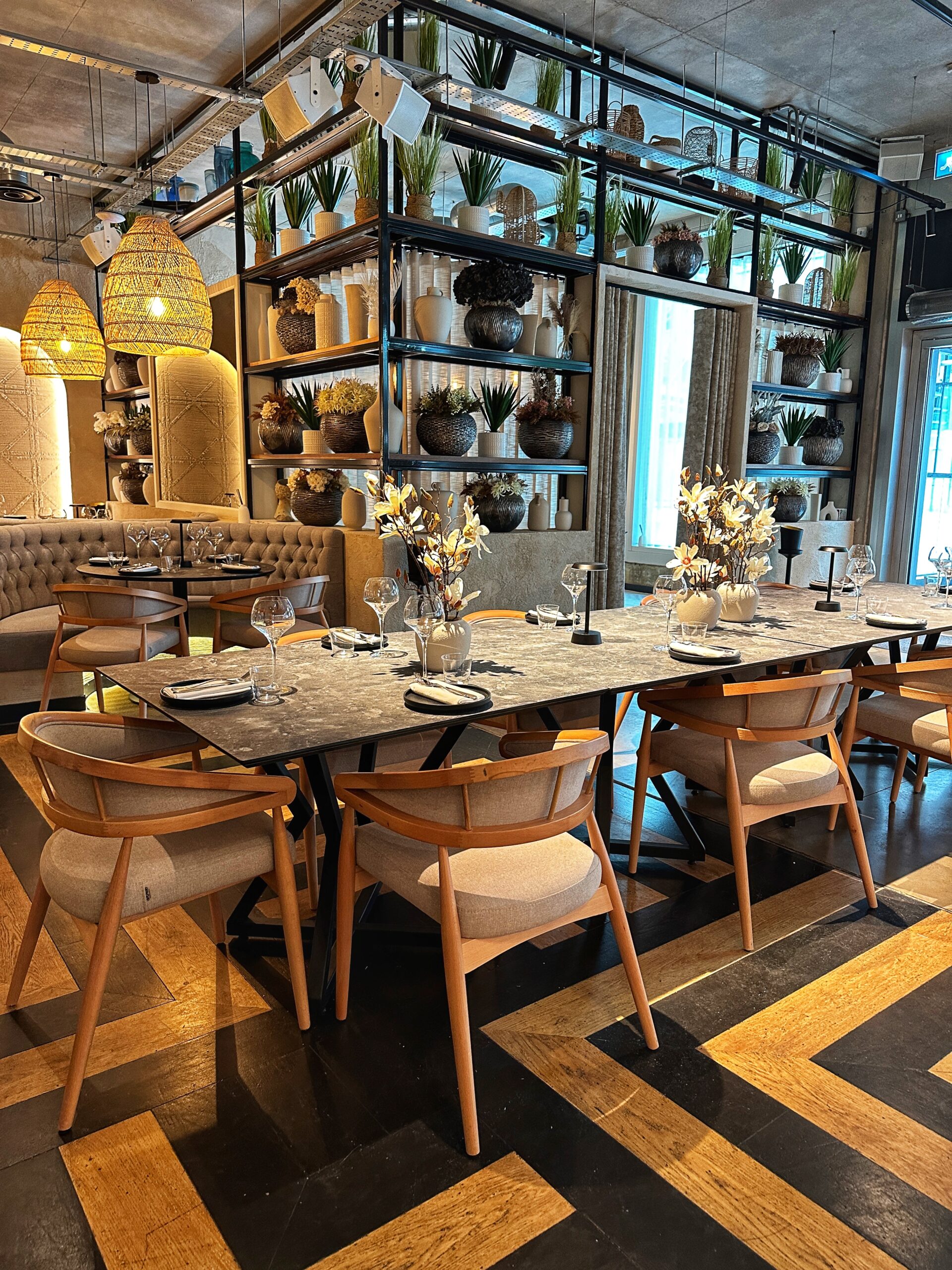
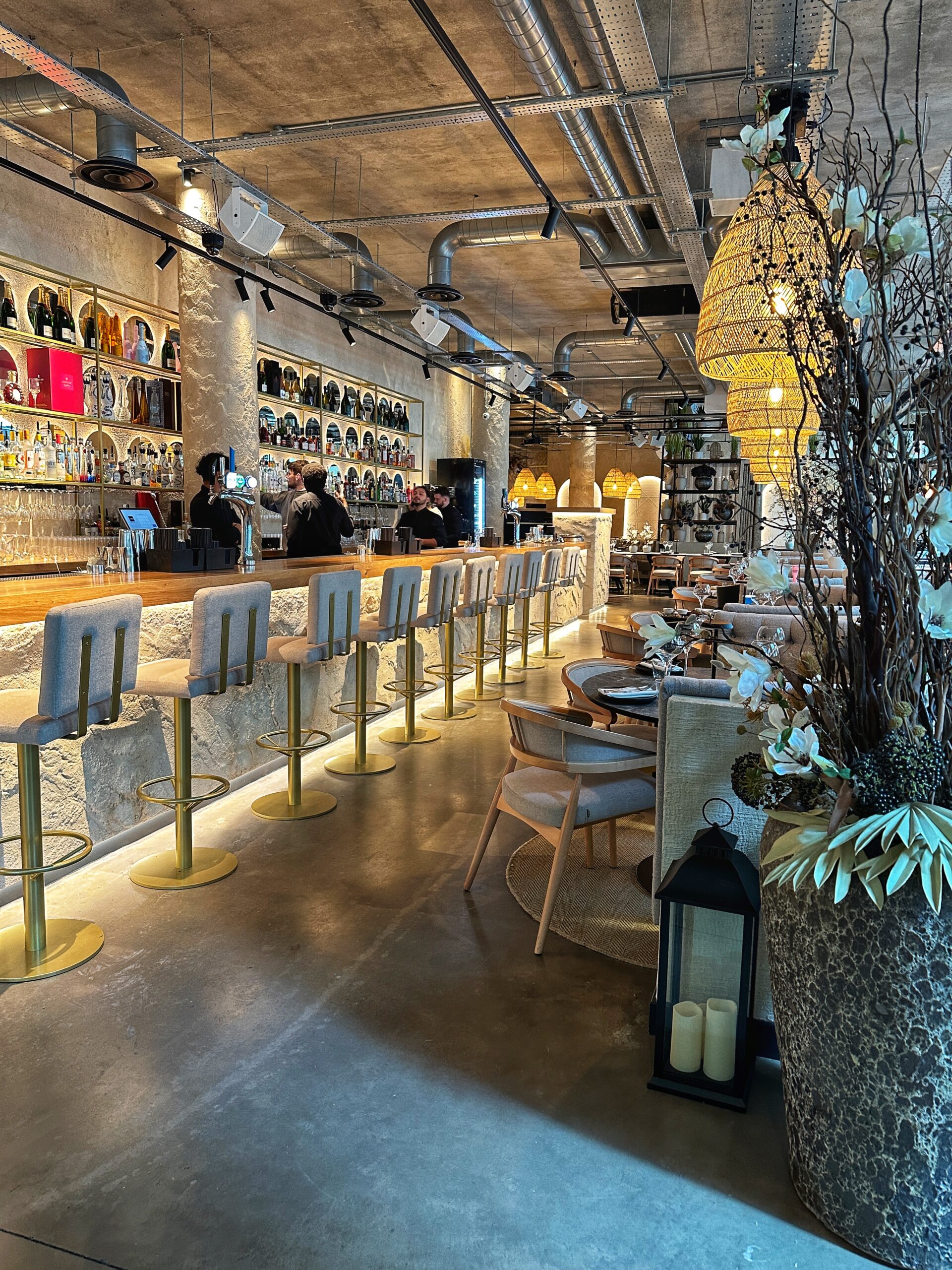
Inside Habbibi, a new Middle-Eastern restaurant in Manchester. Credit: The Manc Group
Their full statement reads: “We are saddened and shocked to confirm that on the evening of Saturday 8th June, during our Manchester launch event, a member of the Habbibi team discovered a firearm on site.
ADVERTISEMENT
“As a venue we immediately took all appropriate action, notifying the police and securing the weapon in our safe until officers arrived to safely remove the firearm from the premises. The police were able to confirm that the firearm was not loaded. All of our guests were completely safe and at no stage was there any wider danger.
“There is an ongoing police investigation as to how the firearm came to be on site, so we are limited with the information we can share at this time.
“This is of course not how we wanted to start our journey, to join the vibrant and buoyant hospitality scene in Manchester as a new venue.
“However we want to reassure all of our guests and the residents of this great city that this is an isolated incident. We will share further information as and when we are able to, and will continue to work closely with the police.
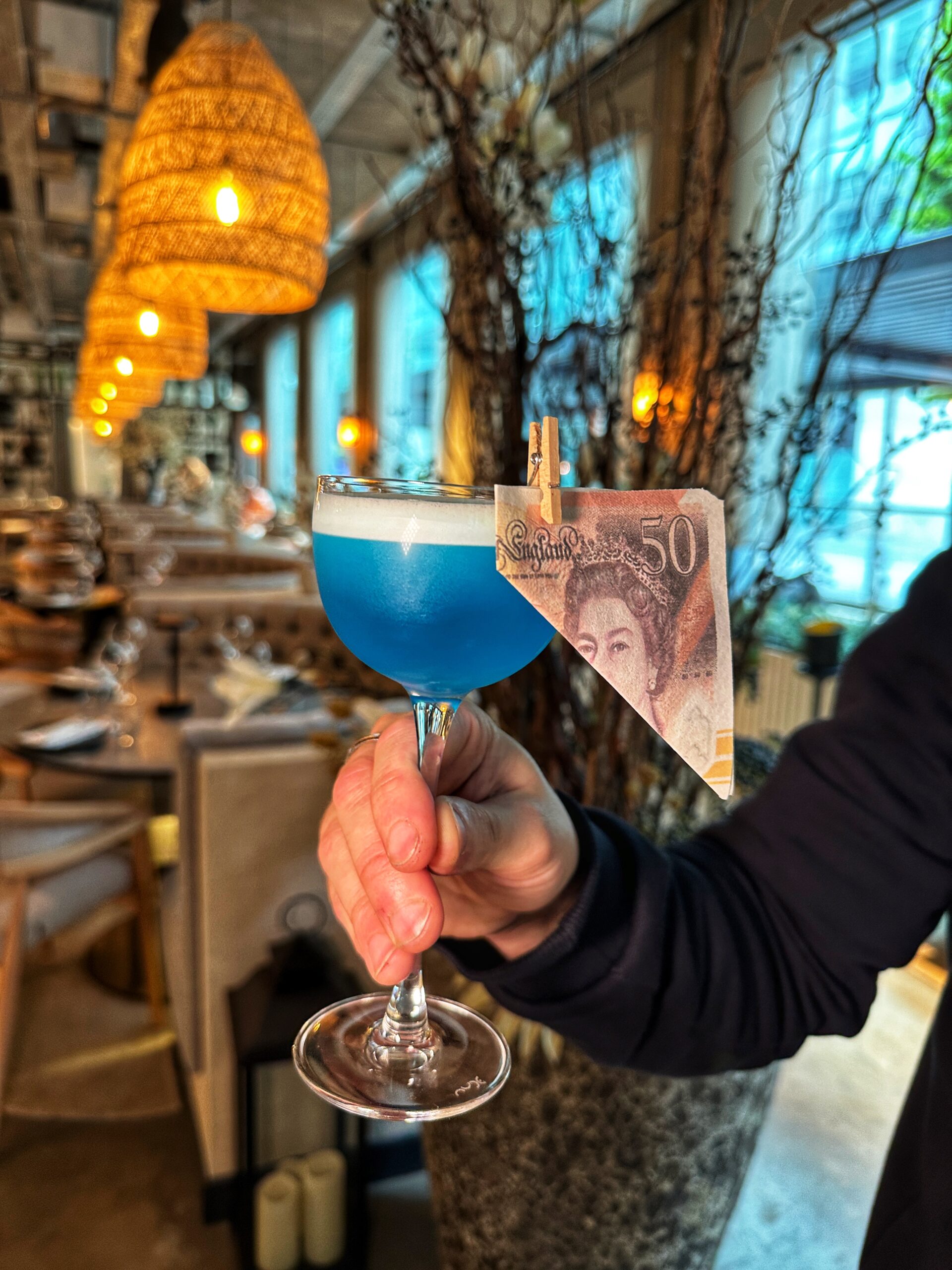
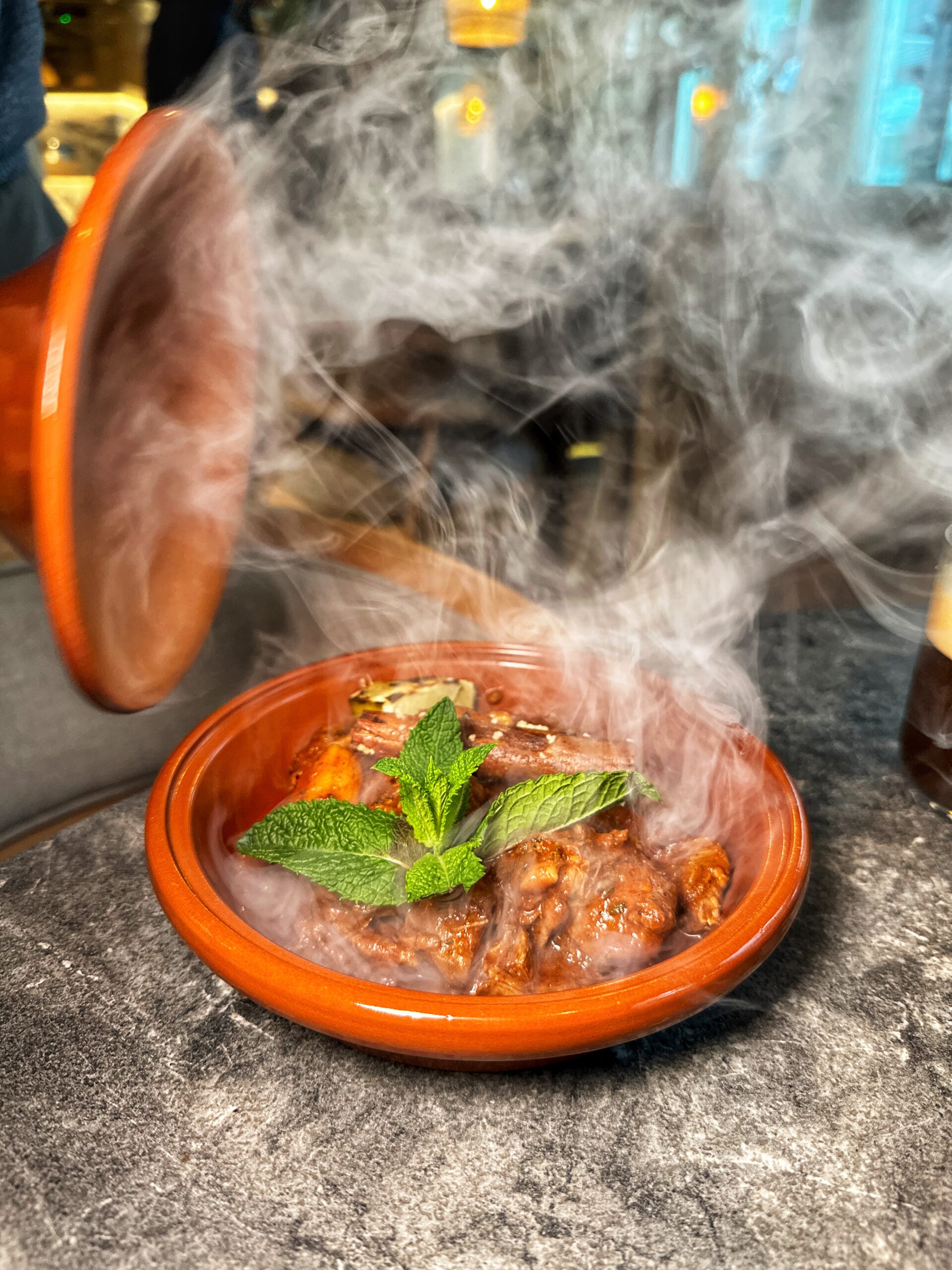
Cocktails at Habbibi ManchesterFood at Habbibi Manchester
“Whilst we are still in shock at the incident, we would like to thank everyone who has supported us so far and look forward to welcoming you all to join us at Habbibi and to show people how amazing the culinary scene in this great city is!”
ADVERTISEMENT
A spokesperson for Greater Manchester Police said: “At around 8.45pm on Saturday 8 June 2024, we were called to reports of a firearm being located at a business property on Hardman Boulevard in the city centre.
“Our officers attended and recovered the firearm in question. A quantity of suspected drugs were also seized and sent for testing. The firearm was made safe at the scene and no arrests have been made. Investigations are ongoing.”
As well as the restaurant space, Habbibi in Manchester also has an outdoor terrace with a shisha set-up.
Greater Manchester’s World Cup warm-up – how to get ready for the 2026 tournament this summer
The Manc
Are you getting your practice in, too? It’s a team effort.
With the World Cup fast approaching, we thought we’d share some exciting footy and other sports-related activities available across Greater Manchester this Spring, to help get your heads in the game.
Now that this lovely sunshine has arrived, it’s time to start getting excited for a summer filled with football, barbecues and crowding around a big screen. Don’t know what to do with yourself until 11 June? Don’t panic, we’ve done the work for you.
Here’s a list of both free and paid activities for you to do with friends or family.
Check out the fixture list this spring…
1. ‘LOWRY 360’: Going to the Match – The Lowry Theatre, Salford
The UK’s first free and permanent immersive experience, which allows fans to transport themselves inside the art of LS Lowry.
Get lost within his famous painting ‘Going to the Match,’ in collaboration with Immersive Studio, to completely transport you to matchday, using sound and super-high resolution imagery.
It is a multi-sensory experience covering the experience and excitement of preparing for a game – it’s not one to be missed. Described as one of their most ambitious projects yet, expect to feel like you’re inside a booming Wembley on matchday.
2. The ‘Best Team On Paper’ Footy Quiz – The Loft Social, Stockport
Wednesday, 8 April
How’s your ball knowledge? Let’s find out at the ‘Best Team on Paper’ quiz in Stockport. Head down to Loft Social; at just £2.25 a ticket, it’s a great way to spend a midweek evening, consisting of footy trivia, catching up with friends and hopefully some winning. There’s a £75 bar tab, mystery shirts, special prizes and more to be won.
While you’re there, why not wander down to Little Underbank before kick-off at 7:30pm and try out one of their new bars or dinner spots? Our recommendations would be The Good Rebel for their outdoor seating or The Underbank for an unreal slice of Gatto sourdough pizza and some drinks.
Hurry, tickets were completely sold out last time. Find out more and see if you can grab yourself some sought-after tickets HERE. If you’ve not seen much about the venue before, look no further:
3. Girls’ Football Festival – Broadhurst Park, Moston
Wed, 15 April
Feeling inspired after the Lionesses brought home gold last year? Us too, here’s a great opportunity for 10-14-year-old footy-mad girls in Manchester.
Hosted by FC United of Manchester at their home ground, it’s going to be a day full of fun, meeting new people and learning some skills from expert coaches. The festival is open to all abilities, so whether you’re a pro like viral sensation Anna Panna or you’re looking to try something new, everyone’s welcome.
Come on, girls – let’s show ’em how it’s done. Find out more and sign up HERE.
4. Head Shoulders Knees & Goals – National Football Museum, Cathedral Gardens
Friday, 27 March – Sunday, 1 November
This is an exciting, full sensory experience for the whole family, in the Score Gallery at the National Football Museum (NFM).
Whether you’re into science or just have a love for the game, this is a great day out for both children and adults. Learn about the connection between the body and football, with attention to sport science, clothing, exercise and nutrition through an interactive experience.
This exhibition also delves into stories of identity, the matchday experience and the joy that football brings, through different sensory activities. Click HERE to find out more.
ADVERTISEMENT
5. ‘The Price of Passion’ – Football Museum, Cathedral Gardens
Thursday, 15 May 2025 – Wednesday, 30 September 2026
Might as well make a day of it.
While you’re at the National Football Museum, why not go and see the Price of Passion display in the Play Gallery? It was designed in collaboration with their new partnered Youth Advisory Group to explore financial barriers to football accessibility through the voice of the next generation.
The exhibition highlights the injustices some of our community face, regarding increasing matchday ticket prices and the consequent protests.
We don’t think anybody should be excluded from the football community, and this expertly highlights real issues faced by Mancunians. Let’s educate ourselves to better understand and support our community. Tickets are available now.
ADVERTISEMENT
Planning your Easter holidays? Make sure we're top of your list to experience why Football Matters.💚⚽
— Nat. Football Museum (@FootballMuseum) March 6, 2026
6. The Beautiful Game – NFM, Cathedral Gardens
Friday, 24 April
While you’re at it, here’s one for you music lovers: the National Football Museum is hosting a concert to celebrate music surrounding ‘the beautiful game’.
This concert draws the parallels between football, music and wider culture. While it presents the power behind the musical elements within a matchday experience, it also explores how identity and culture shine through music, from each of the wonderful cities across the country.
It’s set to be one to remember with familiar chants, anthems and music, both local and international, inspired by football. This celebration of culture and music is not one to miss, and it is guaranteed to get you in the spirit for the World Cup. Find out more down below.
Tameside Central Library (Wed, 1 April) and Denton West End Community Library (Sat, 18 April)
ADVERTISEMENT
The totally free theatre show ‘Footy Fairy Tales’ has come to Manchester and will be showing in libraries across Greater Manchester this April.
While designed for children ages 5 -11, this experience is fun for the whole family, whether you’re training your child up like Project Mbappe or if they just love theatre, this would be a great day trip for the Easter Holidays.
It combines storytelling and football to welcome those new to the game, as well as you experts. Everyone deserves to get involved in the World Cup, so go on down. Get your tickets HERE.
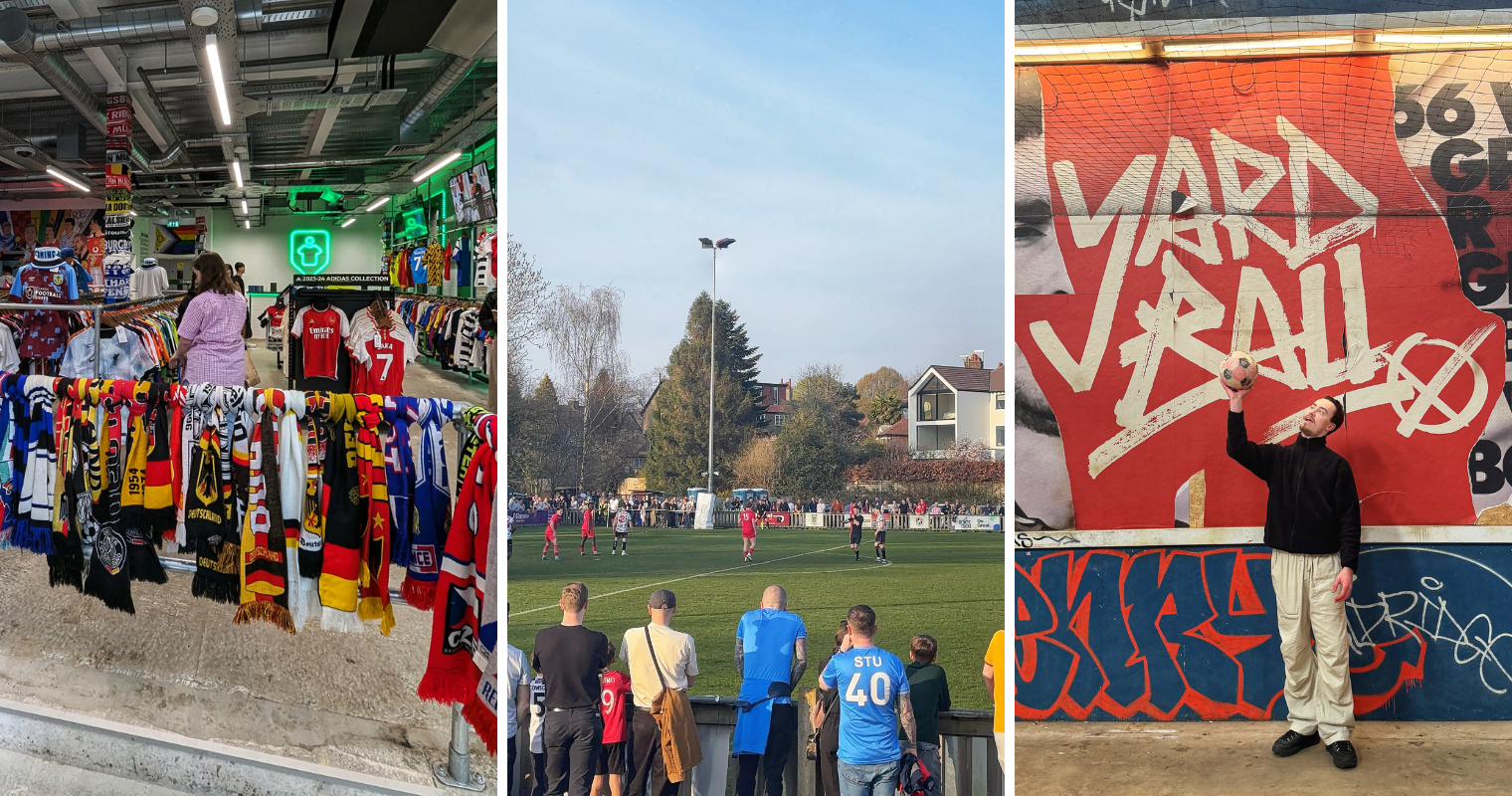
Let’s dress like winners. Why not head on over to the self-proclaimed ‘home of football shirts’ in the heart of our very own Northern Quarter? Check out their huge range of current and retro kits available for the whole family.
If you’re into modern streetwear or the history of football, this is the place for you. Established in 2006, with over 500,000 expertly selected, authentic vintage items, there is something for everyone.
ADVERTISEMENT
Don’t forget to check out their new adidas World Cup range of shirts to get you in the spirit. Nothing quite like a bit of retail therapy to get you in the mood for winning.
We still even reminisce about their old shop, and the operation has only grown since then.
9. West Didsbury and Chorlton AFC – Chorlton, Brookburn Park
Men’s at Home: Saturday, 11 April vs Prestwich Heys | Monday, 13 April v Cheadle Town | Wednesday, 15 April v Ramsbottom United
Women’s at home – Sunday, 19 Fleetwood Town
Come on down to support local grassroots football with West Didsbury & Chorlton AFC male and female teams down at Brookburn Road. With everything from a drummer at the shed end, dog-friendly fan hill, food, drink and more, it’s a class day out for all ages and people from all walks of life.
With three home games left for the men’s team and one for the women’s this April, come and support a local team that pride themselves on inclusivity and being an accessible local football club. The energy is electric, with a close-knit community feel that challenges prejudices in football.
Not to mention some sensational food, including burritos from WrapScallion, cakes from Sweet Talk and lovely pints from Monica’s Bar inside the clubhouse; at £8 a ticket on the gate, it’s a no-brainer.
10. Yard Ball – NFM, Cathedral Gardens
Last but not least, have you heard that the increasingly popular Yard Ball has popped up over at the NFM for the Easter bank holiday (and hopefully beyond)?
ADVERTISEMENT
Built around skills sessions, street football, and the backyard classic ‘bin game’, this increasingly popular activity is coming to Manchester city centre as the perfect distraction for your footy-mad little ones.
Having just opened up their latest full venue over in Sheffield, we know all too well how much time we could spend just playing this.
Honourable mention…
The University of Salford have joined up with Kick It Out, a charity on a mission to tackle all forms of discrimination. So, if you’re a University of Salford student, don’t miss out on access to multiple events and joining Kick It Out’s digital learning platform.
As a timely reminder that the people’s game is truly for everyone, there’s not much else left to say other than roll on this summer’s tournament, best of luck to England and… Oh, yeah: IT’S COMING HOME.
First look drone footage of £500m wellness resort Therme Manchester under construction released
Emily Sergeant
Impressive aerial drone footage has revealed the scale and outline of the £500m Therme Manchester development.
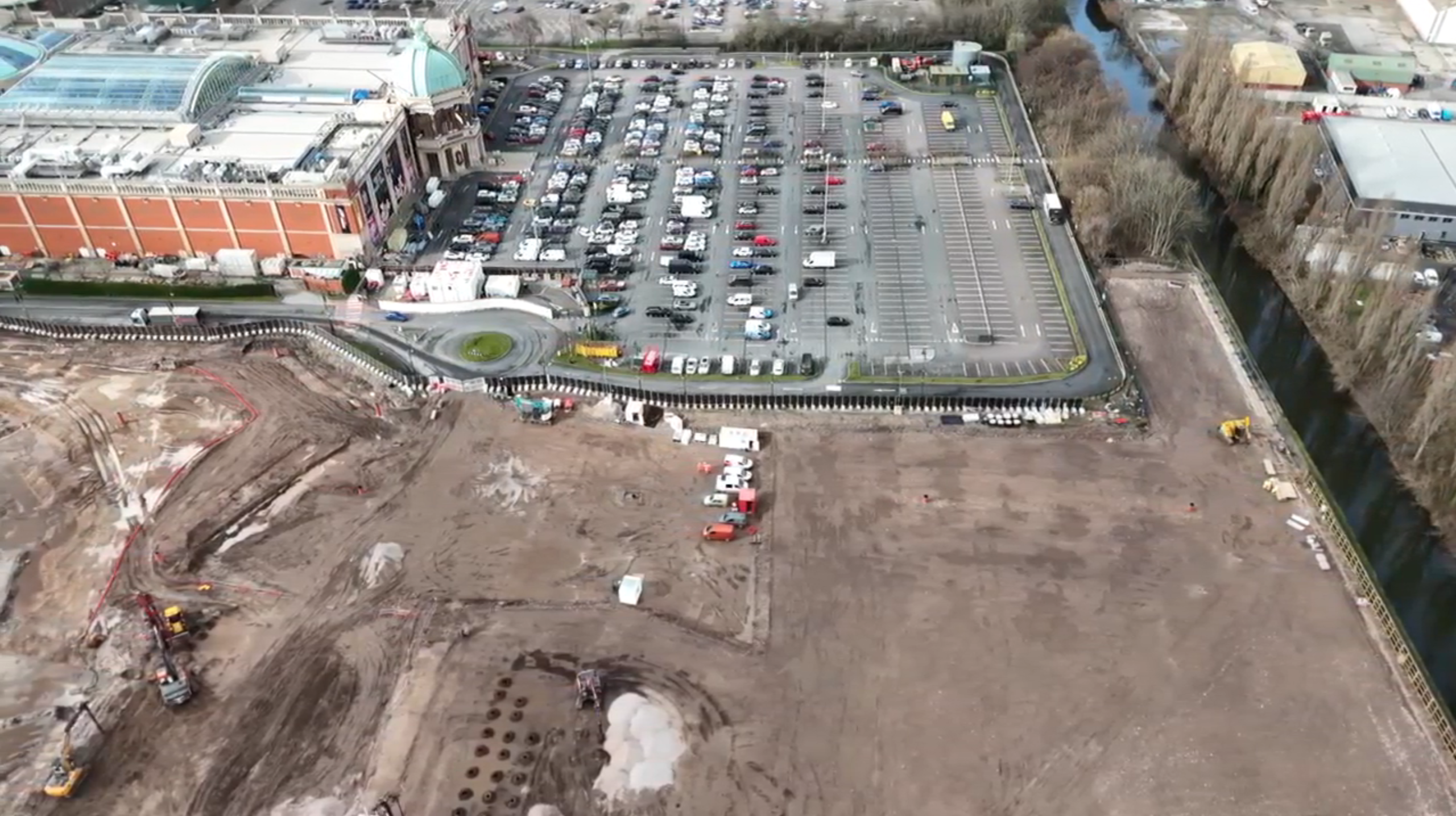
In case you hadn’t heard, after several years of planning, construction of the £500 million Therme Manchester wellness resort officially began last September, and now developers have released drone footage of the site showing the scale of the project and the work as it’s underway.
Once complete around the end of 2028, Therme Manchester will become one of the largest urban wellbeing resorts in the world.
Visitors can expect to make the most of a lagoon and wave pools, multi-sensory sauna rituals, steam rooms, water slides and affordably-priced luxury, across spa therapies, and health and fitness experiences.
CGIs of the £500m Therme Manchester wellness resort, set to open in 2028 / Credit: Supplied
From above, the outline of the project’s central circular hub – which is a key feature of the design, as previously seen only in CGI renderings – is now clearly visible on the ground in the newly-released drone footage as construction progresses at pace.
Spanning a site that’s roughly the size of 28 football pitches, developers say the emerging layout marks a shift from concept to construction, as the outline of the scheme starts to take form within the landscape.
Newly-released drone footage of Therme Manchester / Credit: Supplied
As groundwork progresses across the site, the aerial footage also begins to show how the development’s wider footprint will sit within the surrounding area.
Speaking on the release of the new drone footage, and what it means for the future of Therme Manchester, Chief Commercial Officer Jonathan Lingham said: “For the first time, you can see the design translating into reality. The central hub is a defining part of the scheme, and it’s now clearly visible on site as the project begins to take shape.”
Therme Manchester was initially touted as a £250m project that would complete in 2025, but it’s now up to £500m and is scheduled to complete for the end of 2028.
It marks one of the most significant building developments to ever take place in the North.

 Daisy Jackson -
11th June 2024
Daisy Jackson -
11th June 2024