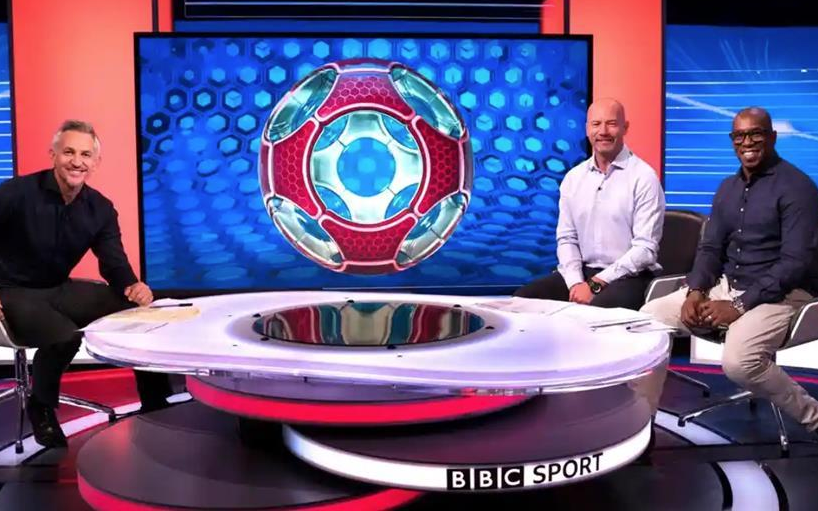
In a controversial and watershed moment for the BBC, Match of the Day is set to go ahead without any presenters for the first time ever as pundits boycott the show in solidarity with Gary Lineker.
Gary Lineker was asked to take a step back from presenting the historic and hugely popular football analysis show after the BBC had a ‘frank’ discussion with him following a number of his tweets which criticised the Home Office’s new asylum plans on social media.
Having been part of the programme for more than 30 years either as a pundit or as lead anchor, a position which he has held since 1999, Lineker‘s suspension from the show has upset and troubled many, including the majority of his regular colleagues.
Reacting to the news that their friend and peer would not be presenting Saturday’s show, former footballer and regular co-host Ian Wright was the first to inform the BBC that he wouldn’t be appearing as a pundit either.
Everybody knows what Match of the Day means to me, but I’ve told the BBC I won’t be doing it tomorrow. Solidarity.
And he was by no means the last, as not long after, fellow Match of the Day veteran, not to mention part of the usual and iconic Saturday night trio, Alan Shearer also informed the corporation and his followers on social media that he would not be appearing either.
ADVERTISEMENT
Moreover, another MotD regular, Jermaine Jenas, reinforced the message of solidarity on Twitter: “Been on air with The One Show. I wasn’t down to be doing Match of the Day tomorrow, but if I was I would of said no and stood with my fellow pundits and Gary Lineker”.
The same goes for former Manchester City star turned pundit, Micah Richards, who insisted that were he scheduled to appear, he would have made the same decision to boycott.
ADVERTISEMENT
I have informed the BBC that I won’t be appearing on MOTD tomorrow night.
This comes after Home Secretary Suella Braverman said she was “disappointed” by Lineker’s remarks after he stated that the government’s targeting of migrants and refugees is “immeasurably cruel” and that their continued choice of language was “not dissimilar to that used by Germany in the 30s”.
As a result, BBC stressed their impartiality guidelines and while several took issue with Lineker sharing his political opinions on his Twitter profile, it seems plenty more have come out to defend him for speaking out against the Conservative government and say that his punishment is cause for concern.
With most of the regular punditry team having come out to assure that they would not be presenting after Lineker was stripped as host, the question then turned to who else could appear, and many quickly jumped to BBC’s Football Focus host, Alex Scott. She quickly put a stop to that talk.
The 62-year-old had already issued a statement saying he had “never known such love and support in [his] life” following the initial wave of people showing their solidarity with the ex-England international.
However, after learning that Wright, Shearer, Jenas; Scott and Richards had all bowed out of appearing too, Lineker is said to have been left ‘in tears’ as he broke down in overwhelming emotion following the unified response from media personnel and fans alike.
As for the BBC, they have said MotD will go ahead without presenters for the first time since 1964 and focus simply on video highlights of the action from this weekend’s round of Premier League fixtures. Meanwhile, viewing figures are expected to plummet as the BBC and the government face revolt for trying to censor opposition, free speech and any form of criticism — even if the information is accurate.
A thought provoking thread that’s worth a couple of minutes of your time: https://t.co/NckBd2wEIe
was factually accurate. 1. UK has fewer refugees than other European countries. FACT. 2. Language in the debate is redolent of the language used by politicians and media in 30s Germany. FACT. The role of the media is to seek out truth. Facts are quite important to that 2/3
Labour: “The BBC’s cowardly decision to take Gary Lineker off air is an assault on free speech in the face of political pressure. Tory politicians lobbying to get people sacked for disagreeing with Government policies should be laughed at, not pandered to. BBC should rethink.”
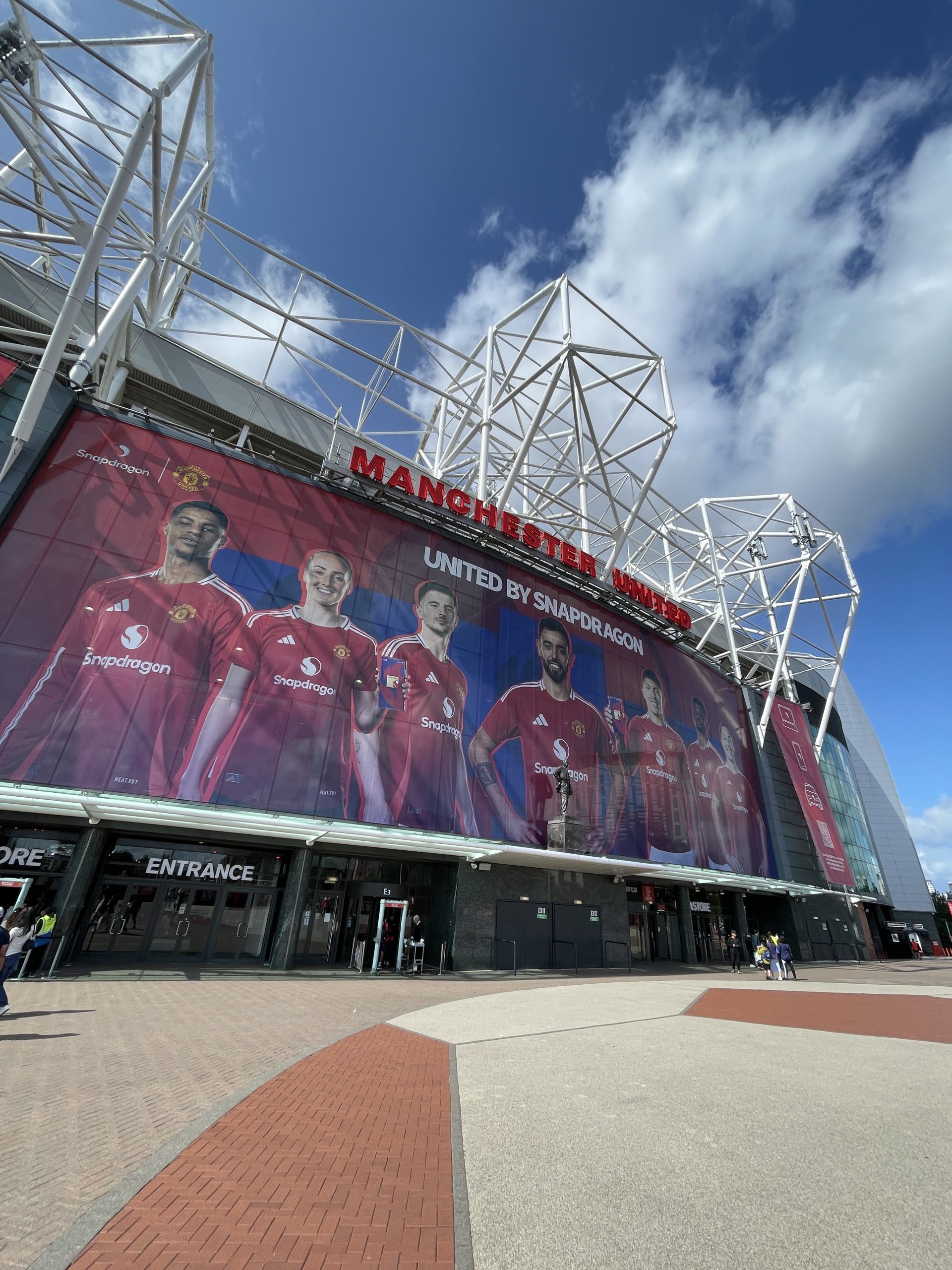
Huge shuttle bus effort laid on to get Manchester United fans to Old Trafford amid tram disruption
Daisy Jackson
Transport for Greater Manchester has announced a shuttle bus scheme to help Manchester United fans get to Old Trafford this week, amid major tram disruption.
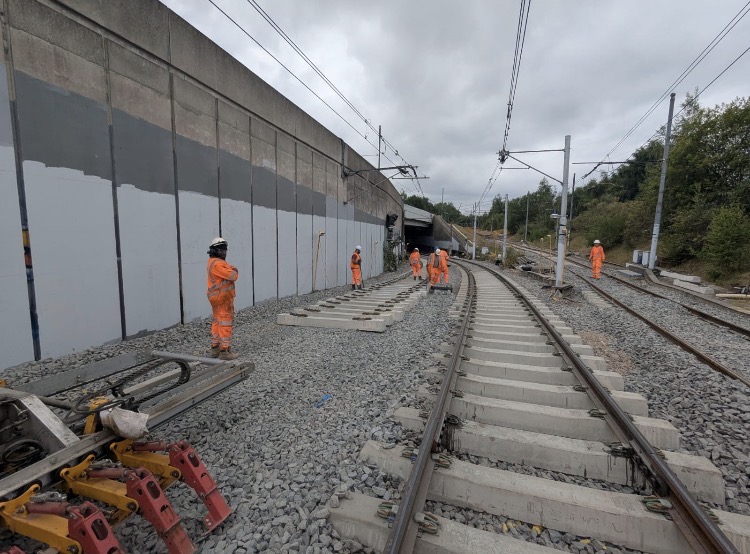
Fans won’t be able to use trams to get to the ground as usual, due to huge improvement works which are in place until Monday 2 November.
There’ll be no trams at all on the Altrincham, Trafford Park, and Eccles lines, with Airport and East Didsbury trams only going as far as Firswood.
That means that fans heading to Manchester United’s home game against Bournemouth would have been a little stuck without this newly-announced shuttle bus service.
Frequent dedicated shuttle buses will run running Piccadilly Gardens, Altrincham Interchange and the Trafford Centre, taking fans directly to Old Trafford before the game.
Frequencies range from five to 20 minutes depending on the route and time, with details available online. Return services will be in place after the final whistle.
TfGM staff will be at key stops and interchanges throughout the day to help fans get to the match and provide travel advice.
Huge shuttle bus effort laid on to get Manchester United fans to Old Trafford amid tram disruption. Credit: TfGM
Ian Davies, TfGM’s Network Director for Metrolink, said: “There is no good time to disrupt passengers to carry out these works, and this is the first time in over a decade that trams won’t serve Old Trafford on a match day, but these works are essential and will enable us to provide a better service in future. I am very sorry to fans who face disruption.
“We’ve put a range of alternative travel options in place, including dedicated shuttle buses, bolstered Bee Network bus services, rail options and ticket acceptance arrangements will help fans get to and from the game.
“Journey options will be different from usual, so we would encourage supporters to plan ahead, check their route and our website before they travel and leave plenty of time to get to and from the stadium.”
TfGM is advising supporters to leave around an hour earlier to help make sure they arrive in time for kick-off.
Andy Burnham introduces new rules to tackle ‘rip-off’ parking charges
Daisy Jackson
City centre parking is at a premium, especially in a city like Manchester – but we’ve surely all made honest mistakes when paying and been slapped with eye-watering fines as a result.
Well now, Andy Burnham has announced a new Private Parking Code of Practice, which will clamp down on ‘rip-off’ private parking charges.
It will also make it easier for drivers to challenge unfair charges, capping charges for ‘smaller slip-ups’ at £20, and scrapping charges altogether on appeal for ‘honest mistakes’.
The new Code will get drivers a guaranteed five minutes to decide whether to park and 10 minutes to leave once their session ends.
Under the new Private Parking Code of Practice laid in Parliament today, you’ll be able to appeal to have all charges scrapped for honest mistakes like stopping briefly to check directions, and for situations like a medical emergency, breakdown or broken ticket machine.
Then charges will be capped at £20 for other mistakes such as forgetting a parking permit, entering the wrong vehicle’s registration or forgetting to confirm it in the machine when parking.
The Code also freezes the maximum parking charge at £100. Operators who don’t comply risk losing access to DVLA data, meaning that even if they issue a charge, it will be far more difficult to identify the registered owner to pursue payment.
Data shows just under 17 million private parking charges were issued in the UK last year alone.
Prime Minister Andy Burnham said: “Being a few minutes late back to your car or typing one digit of your numberplate wrong shouldn’t end with a hefty fine landing on your doormat.
“These charges leave people feeling ripped off and out of pocket, so I’m putting a stop to them.
Andy Burnham introduces new rules to tackle ‘rip-off’ parking charges. Credit: Unsplash, Samuel Isaacs
“We are introducing clearer rules, longer grace periods and lower charges for genuine mistakes, while going after the deliberate scams that rip drivers off.”
Secretary of State for Housing, Communities and Local Government Angela Rayner said: “Parking should be straightforward, not another everyday hassle. These changes mean drivers get a fairer deal, protected time to park and leave without fear of being unfairly charged, and confidence that private parking providers are held to a higher standard.
“It’s yet another step forward in this government’s plan to take the stress out of everyday life and ease the pressure on people’s pockets.”
Minister for Consumer Action, Kate Dearden, said: “Nobody works hard for their money just to be deceived by a dodgy trader, and this is exactly the kind of everyday rip-off this government is going after.
“By making it easier to take action against car clocking, we are protecting consumers’ hard-earned money and supporting businesses that play by the rules.”

 Danny Jones -
11th March 2023
Danny Jones -
11th March 2023